Artwork
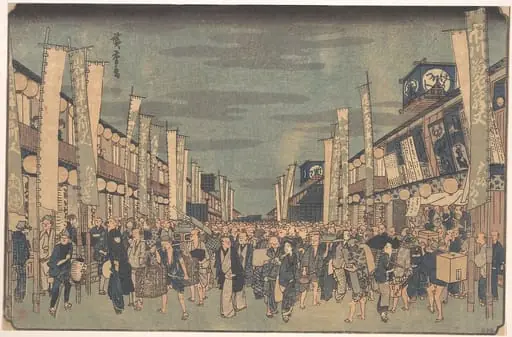
東都名所 二丁町芝居の図|Sakai Cho Shibai no Zu
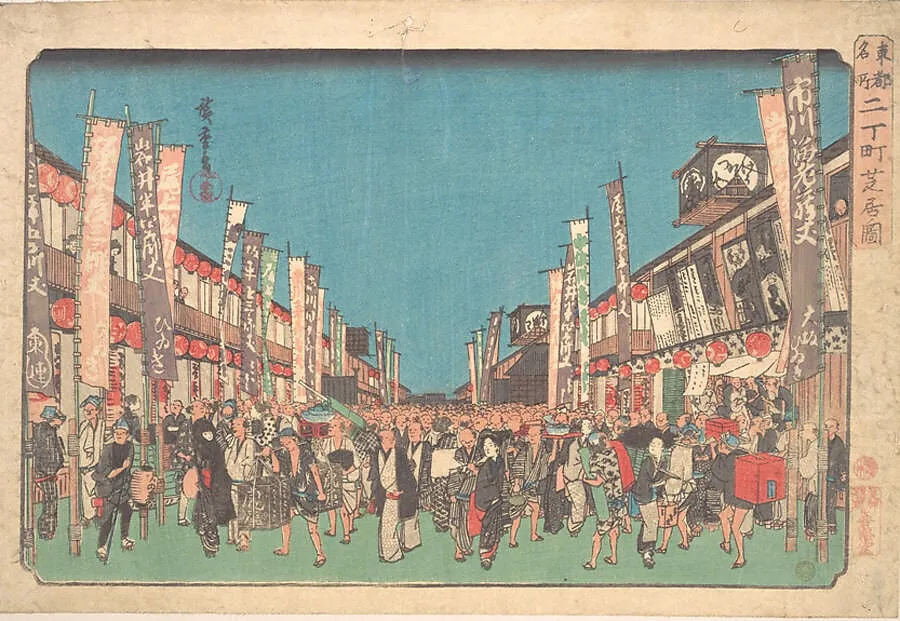
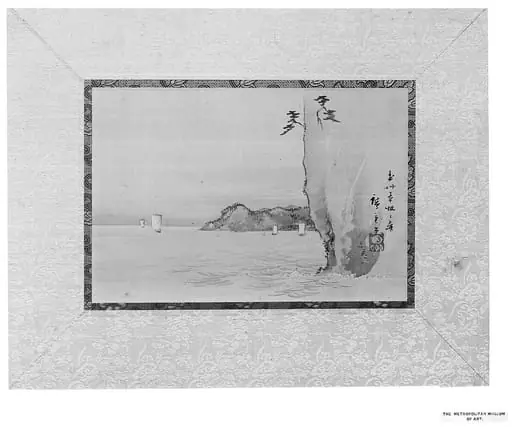
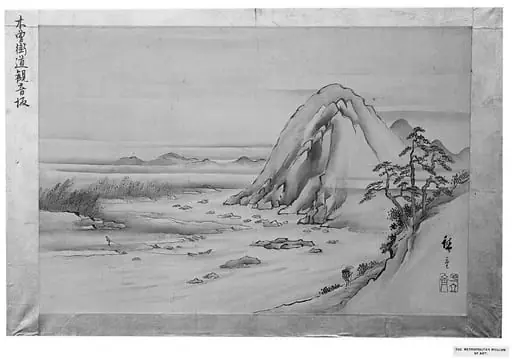
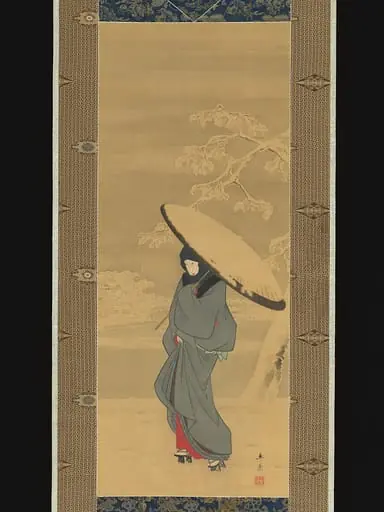
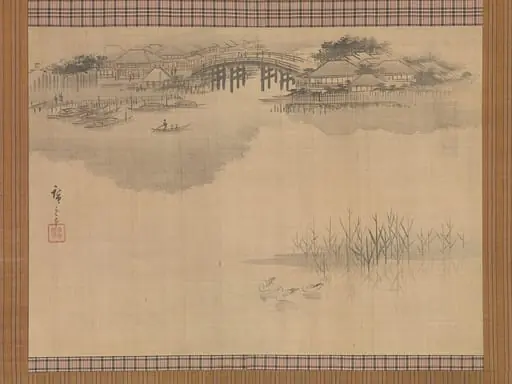
東都名所 二丁町芝居の図|Sakai Cho Shibai no Zu is an ink print by the Romanticist artist Utagawa Hiroshige. It dates from 1838 and is held in the collection of the Metropolitan Museum of Art.
About this work
Overview
Sakai Cho Shibai no Zu is a woodblock print created by Utagawa Hiroshige around 1838, exemplifying his ukiyo-e style during the Edo period.
Subject & Meaning
The print captures a vibrant theater scene in Sakai-cho, Edo, highlighting everyday life and local culture, deviating from the typical ukiyo-e focus on pleasure districts.
Technique & Style
Hiroshige employed bold colors, simple shapes, and flat, clear compositions to create a dynamic snapshot of the bustling street, with detailed textures of wooden buildings and banners.
History & Provenance
Created circa 1838 by Utagawa Hiroshige, a renowned ukiyo-e artist known for landscapes like *The Fifty-three Stations of the Tōkaidō*.
Context
Reflects Hiroshige’s broader interest in depicting everyday life beyond traditional ukiyo-e themes, offering a glimpse into Edo’s urban culture.
Artist & collection
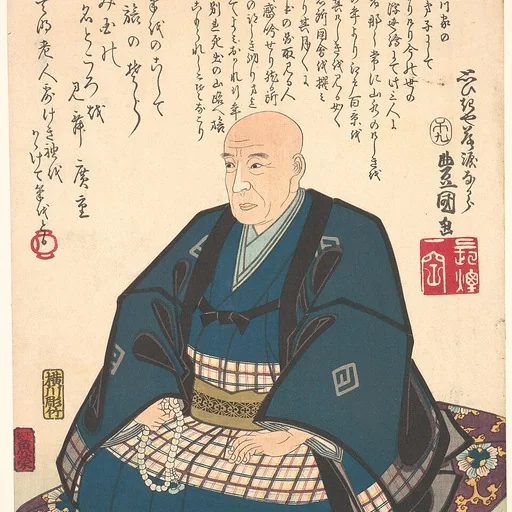
Artist
Utagawa Hiroshige (歌川 広重) or Andō Hiroshige (安藤 広重), born Andō Tokutarō (安藤 徳太郎; 1797 – 12 October 1858), was a Japanese ukiyo-e artist, considered the last great master of that tradition.