Artwork
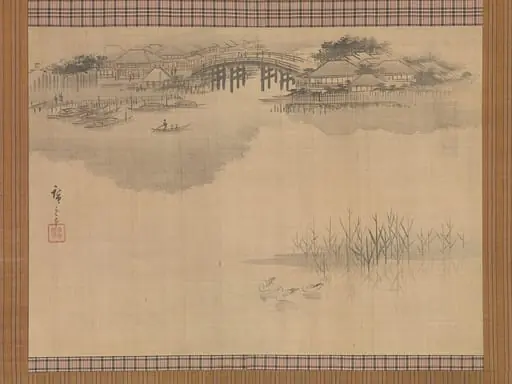
江都名所 新橋の図|Shimbashi no Zu
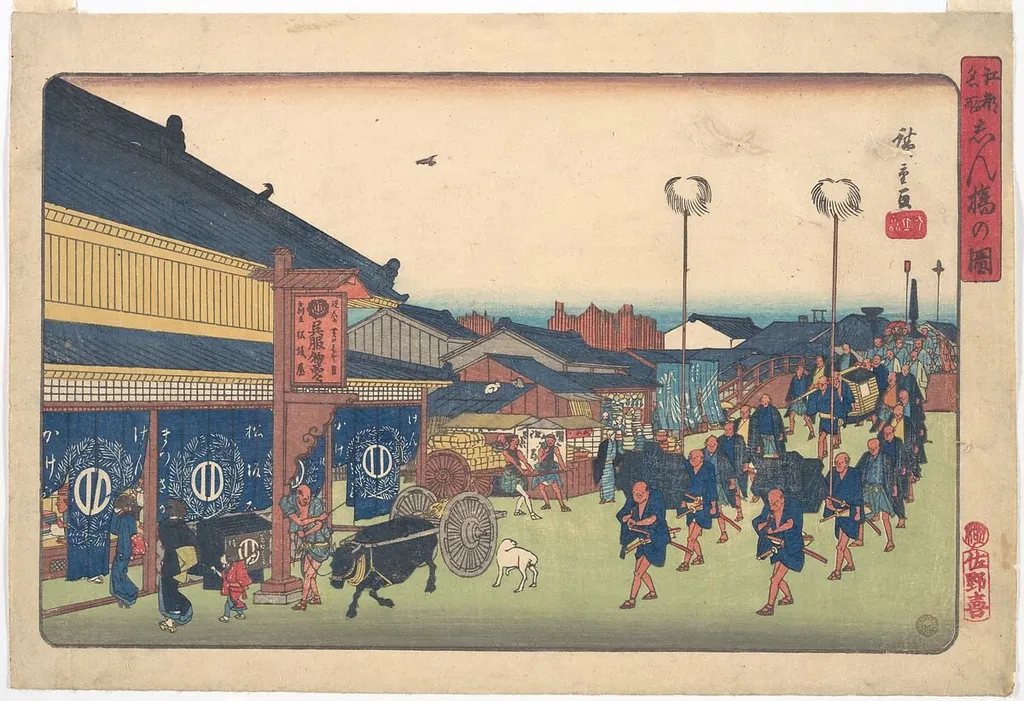
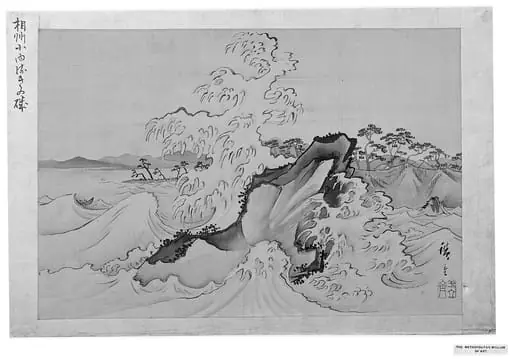
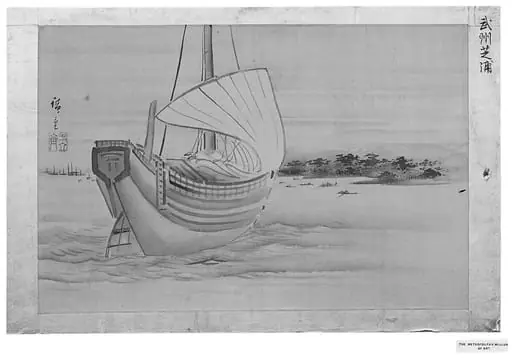
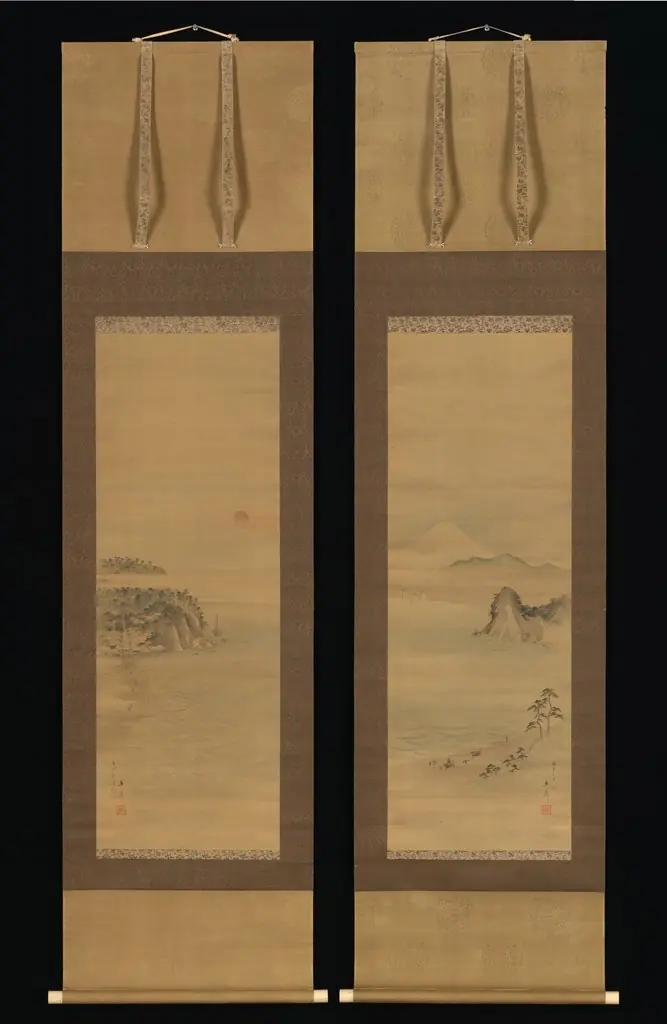
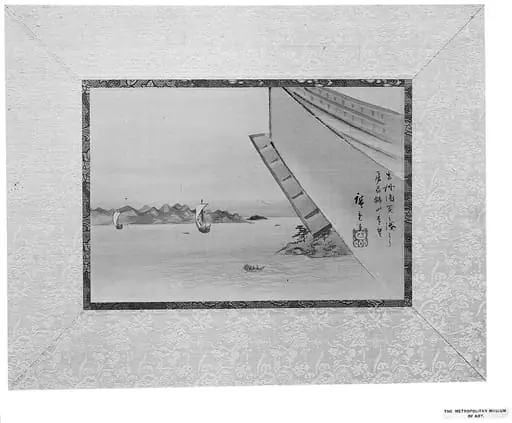
江都名所 新橋の図|Shimbashi no Zu is an ink print by the Romanticist artist Utagawa Hiroshige. It dates from 1837 and is held in the collection of the Metropolitan Museum of Art.
About this work
Overview
Shimbashi no Zu is a woodblock print created by Utagawa Hiroshige around 1837. It is a representation of Shimbashi, a district in Edo, now modern-day Tokyo.
Subject & Meaning
The print depicts a lively street scene, with people of various ages walking in different directions, some carrying goods. A man guides an ox-drawn cart, accompanied by a dog, in the foreground. The scene is set against a backdrop of buildings and a bridge, capturing everyday life in 19th-century Japan.
Technique & Style
Hiroshige's use of contrasting cool and warm tones adds depth to the composition, conveying a sense of energy and movement. The print showcases the artist's skill in capturing local scenery and expanding the traditional ukiyo-e genre beyond its typical focus on urban entertainment.
Artist & collection
Artist
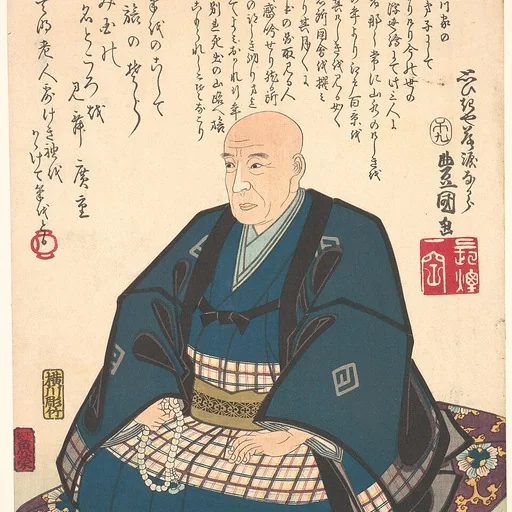
Utagawa Hiroshige (歌川 広重) or Andō Hiroshige (安藤 広重), born Andō Tokutarō (安藤 徳太郎; 1797 – 12 October 1858), was a Japanese ukiyo-e artist, considered the last great master of that tradition.