Artwork
江戸高名会亭尽 両国|The Aoyagi in Ryogoku
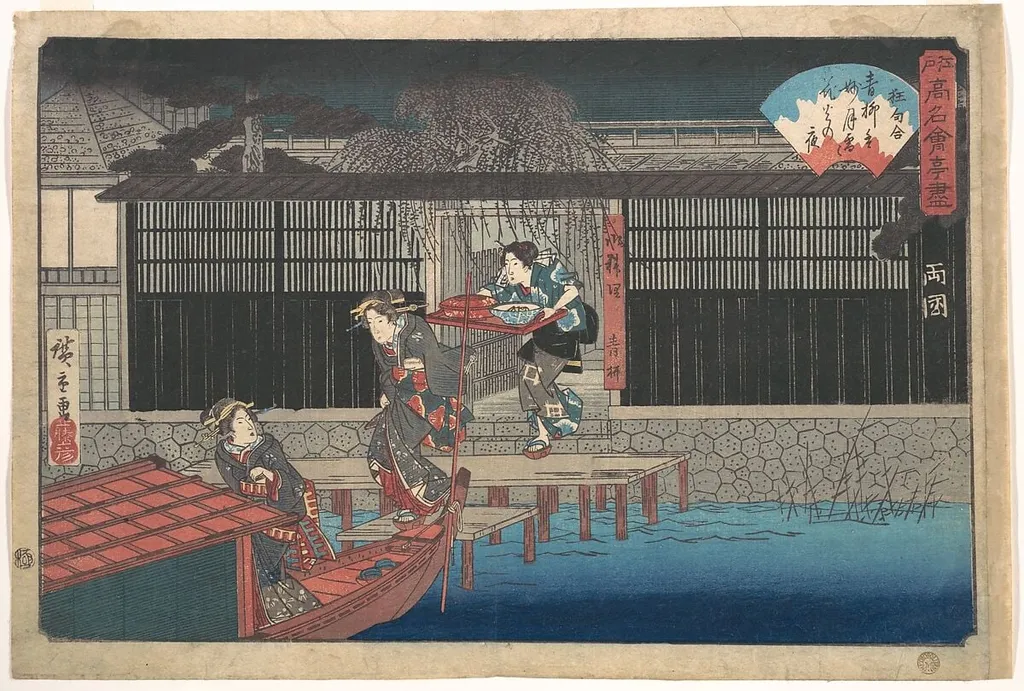
江戸高名会亭尽 両国|The Aoyagi in Ryogoku is an ink print by the Romanticist artist Utagawa Hiroshige. It dates from 1838 and is held in the collection of the Metropolitan Museum of Art.
About this work
Overview
Made with ink and color on paper, it belongs to a specialized category of privately commissioned prints, often distributed for seasonal celebrations.
Created around 1838 by Utagawa Hiroshige, this surimono woodblock print captures a tranquil riverside moment in Ryogoku, Edo. Made with ink and color on paper, it belongs to a specialized category of privately commissioned prints, often distributed for seasonal celebrations. Unlike Hiroshige’s more famous landscapes, this work focuses on a quiet, intimate scene rather than sweeping vistas, reflecting the refined tastes of its original patrons.
Subject & Meaning
The scene centers on a boat moored near the Aoyagi teahouse, where three figures engage in a subdued evening ritual. One reclines, another holds a fan, and a third carries food, suggesting a private gathering. The setting evokes leisure and contemplation, common themes in surimono. The distant bridge and dark wooden structure frame the moment, grounding it in a recognizable Edo landmark while emphasizing stillness over spectacle.
Technique & Style
Hiroshige employed fine, precise lines to render texture—on the boat’s surface, clothing, and architectural slats—using cross-hatching to suggest shadow and depth. Soft blues and blacks dominate the night palette, with a single red fan introducing a subtle accent. The composition avoids bold contrasts, favoring muted tones and spatial restraint. These choices reflect the surimono tradition’s emphasis on delicacy and craftsmanship over mass appeal.
History & Provenance
Produced as a private commission, this print likely circulated among Edo’s literati or wealthy merchants during the late 1830s. It entered the collection of The Metropolitan Museum of Art through documented acquisitions, preserving its original condition. As a surimono, it was never intended for wide public sale, making surviving examples rare and valuable for understanding the niche artistic networks of late Edo-period Japan.
Context
Ryogoku, a riverside district in Edo, was known for its teahouses, bridges, and summer festivals. The Aoyagi was one such establishment, frequented for its scenic views and refined atmosphere. While ukiyo-e often depicted actors or courtesans, surimono like this one catered to a more elite audience, favoring poetic subtlety and seasonal motifs. Hiroshige’s interest in urban and natural settings aligned with this quieter aesthetic.
Legacy
Though less widely known than Hiroshige’s landscape series, this print exemplifies the sophistication of surimono production. Its focus on quiet observation influenced later artists exploring intimate, everyday moments. Today, it remains a key example of how woodblock printing served not only commercial ends but also personal, literary, and aesthetic pursuits in 19th-century Japan.
Artist & collection
Artist
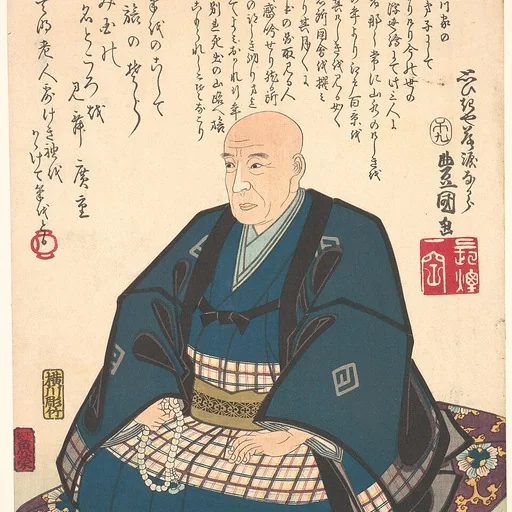
Utagawa Hiroshige (歌川 広重) or Andō Hiroshige (安藤 広重), born Andō Tokutarō (安藤 徳太郎; 1797 – 12 October 1858), was a Japanese ukiyo-e artist, considered the last great master of that tradition.

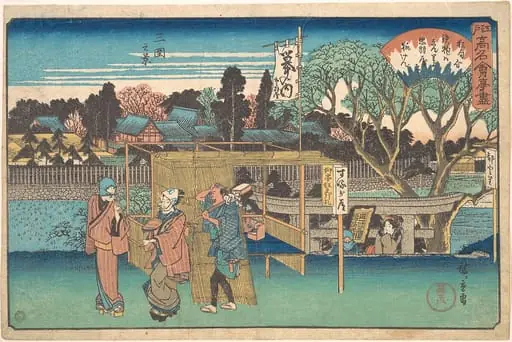 江戸高名会亭尽 三囲之景 出羽屋|Mimeguri no Kei (Toyoha-ya)
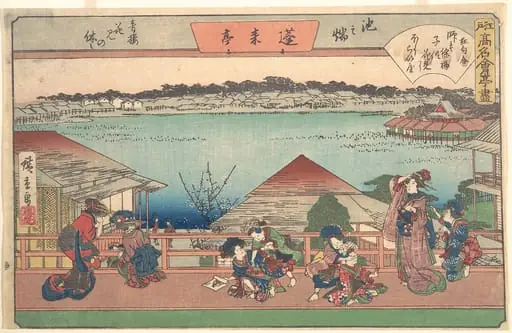
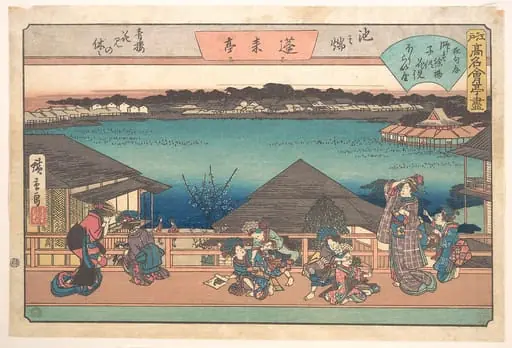 江戸高名会亭尽 池之端 蓬莱亭 青楼花見の休み|Ikeno Mata (Horai-ya)
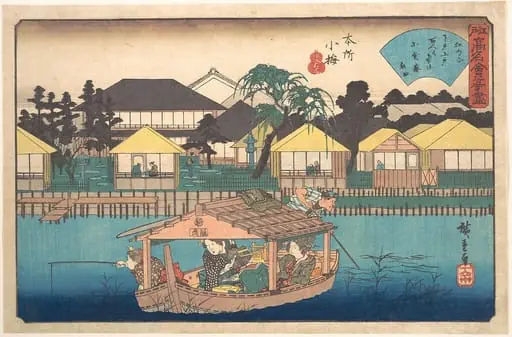 江戸高名会亭尽 本所小梅 小倉庵|Honjo Komme (Ogura-an)
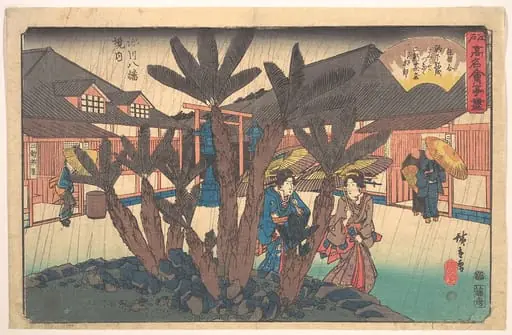 江戸高名会亭尽 深川八幡境内 二軒茶屋|Fukagawa Hachiman Keidai (Niken Jya-ya)
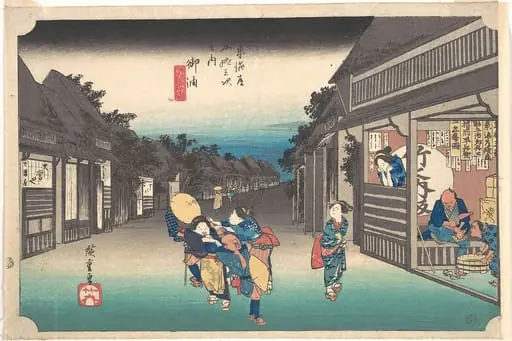 東海道五十三次之内 御油 旅人留女|Goyu, Tabibito Ryujo
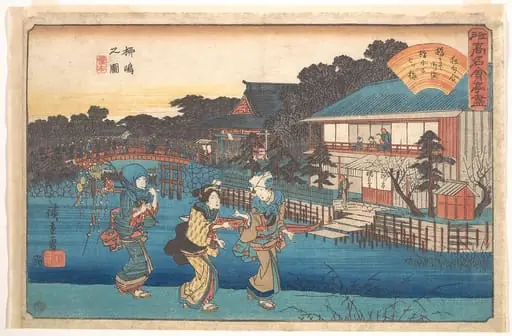 江戸高名会亭尽 柳島の図 橋本|Yanagishima no Zu
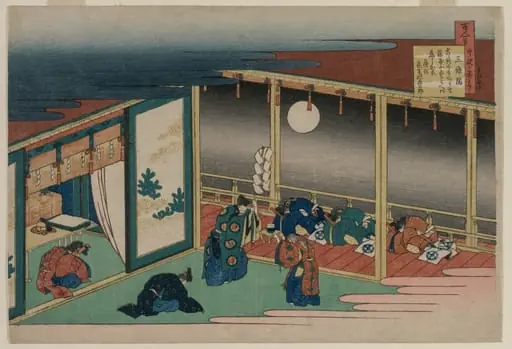 Poem by Emperor Sanjo, from the series One Hundred Poems by One Hundred Poets Explained by an Old Nurse
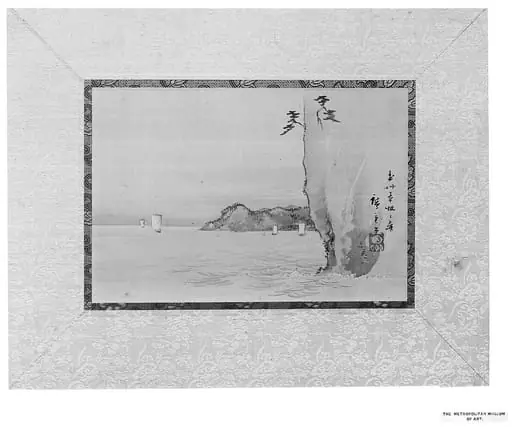
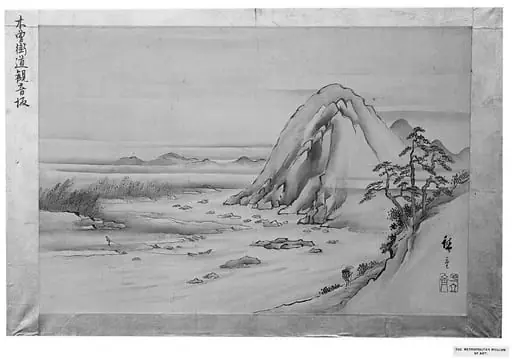
 Untitled