Artwork
道中膝栗毛 四日市追分|The Branch Road at Yokkaichi
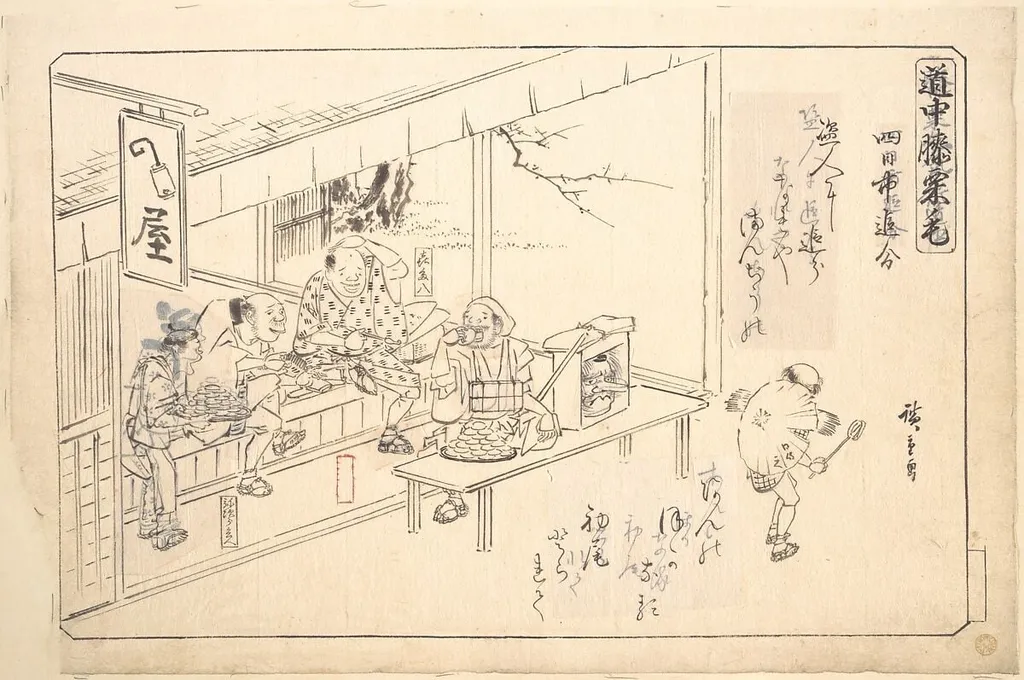
道中膝栗毛 四日市追分|The Branch Road at Yokkaichi is an ink print by the Romanticist artist Utagawa Hiroshige. It dates from 1840 and is held in the collection of the Metropolitan Museum of Art.
About this work
Overview
Created around 1840 by Utagawa Hiroshige, this woodblock print is part of a series documenting travel along the Tōkaidō road. Unlike typical ukiyo-e subjects centered on urban life, Hiroshige focused on quiet moments of transit and seasonal change. The scene captures an interior space during winter, rendered in ink and color on paper, reflecting the technical precision of Edo-period printmaking.
Subject & Meaning
The print portrays four travelers indoors, engaged in quiet, everyday activities: eating, fanning themselves, and smoking. Outside, a snow-covered hill and bare tree suggest the chill of winter. A small boy sweeps snow near the window, emphasizing the contrast between warmth within and the harshness beyond. The image conveys the solitude and routine of travel, not spectacle.
Technique & Style
Hiroshige employed fine ink lines and subtle color gradations to differentiate interior warmth from external cold. Interior surfaces are defined by soft tones and clean geometry, while the snowy landscape uses muted blues and grays. Cross-hatching and delicate shading model forms without heavy outlines, a hallmark of Hiroshige’s atmospheric approach to landscape and interior space.
History & Provenance
The print was produced during Hiroshige’s most active period in the 1830s–1840s, when he refined his landscape series. It entered the collection of The Metropolitan Museum of Art through established acquisitions of Japanese prints in the early 20th century, where it remains part of a broader effort to document Edo-period visual culture.
Context
The inclusion of domestic details—shelves, sliding doors, brooms—grounds the scene in ordinary life, aligning with broader trends in ukiyo-e toward realism.
As part of a series on the Tōkaidō, this work reflects the growing popularity of travel among commoners in Edo Japan. While official stations were often depicted, Hiroshige chose lesser-known stops, highlighting transient moments rather than landmarks. The inclusion of domestic details—shelves, sliding doors, brooms—grounds the scene in ordinary life, aligning with broader trends in ukiyo-e toward realism.
Legacy
Hiroshige’s focus on weather, architecture, and quiet human activity influenced later artists in Japan and abroad. His ability to evoke mood through minimal detail and environmental contrast helped redefine landscape printmaking. This print, like others in the series, remains a reference for how daily life was visually documented in 19th-century Japan.
Artist & collection
Artist
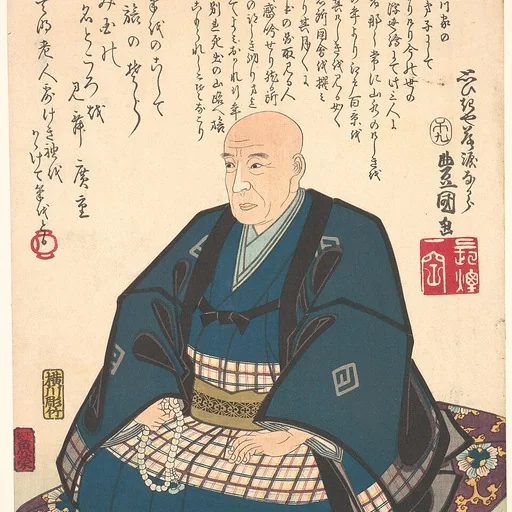
Utagawa Hiroshige (歌川 広重) or Andō Hiroshige (安藤 広重), born Andō Tokutarō (安藤 徳太郎; 1797 – 12 October 1858), was a Japanese ukiyo-e artist, considered the last great master of that tradition.


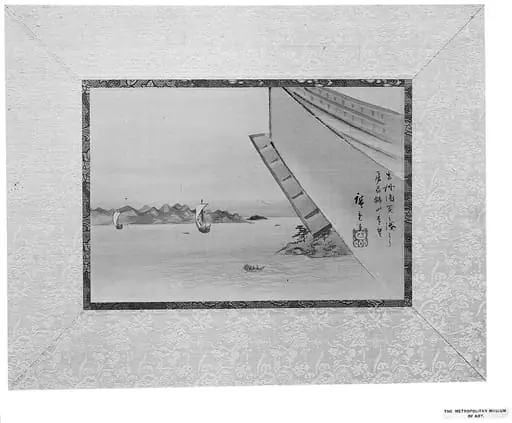
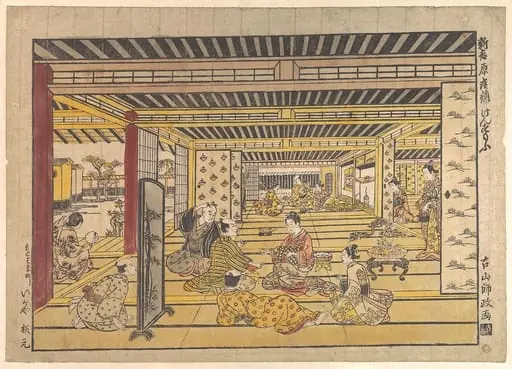 Untitled
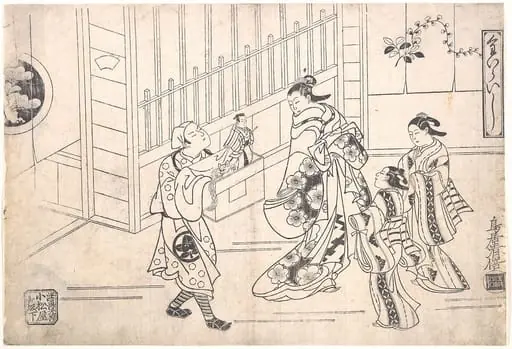 Kairaishi|The Actor Ichimura Takenojo VIII in the Role of a Puppeteer, showing Puppets to a Courtesan
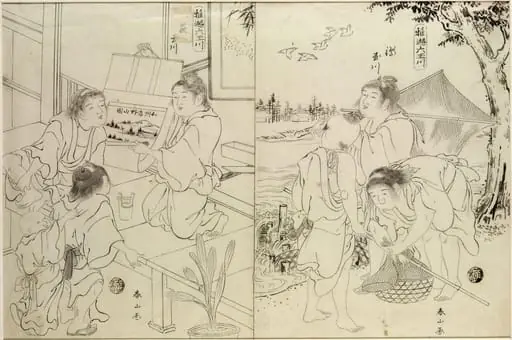 The Chidori Tama River and the Kôya Tama River
 Untitled
 よしわらの躰 揚屋町入り口|The Entrance to Ageya-machi, from the series Scenes in the Yoshiwara (Yoshiwara no tei)
 Untitled
 喜多川歌麿画 『男踏歌』 鶯の餌すり|“Preparing Food for the Warbler,” from the album Men’s Stamping Dance (Otoko dōka, uguisu no esa suri)
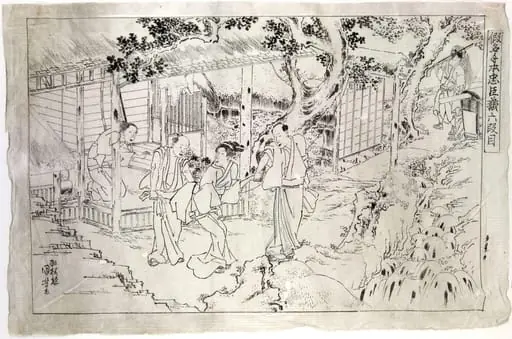 Treasury of the Forty-seven Loyal Retainers
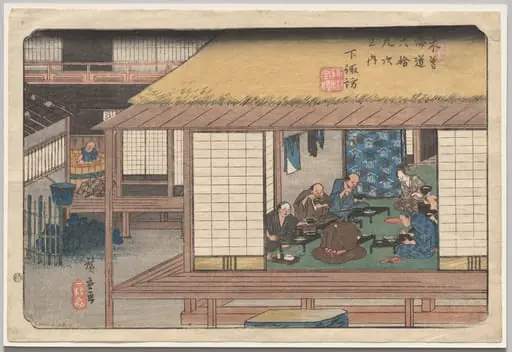 Shimosuwa, from Sixty-Nine Stations of the Kisokaidō