Artwork
Portrait
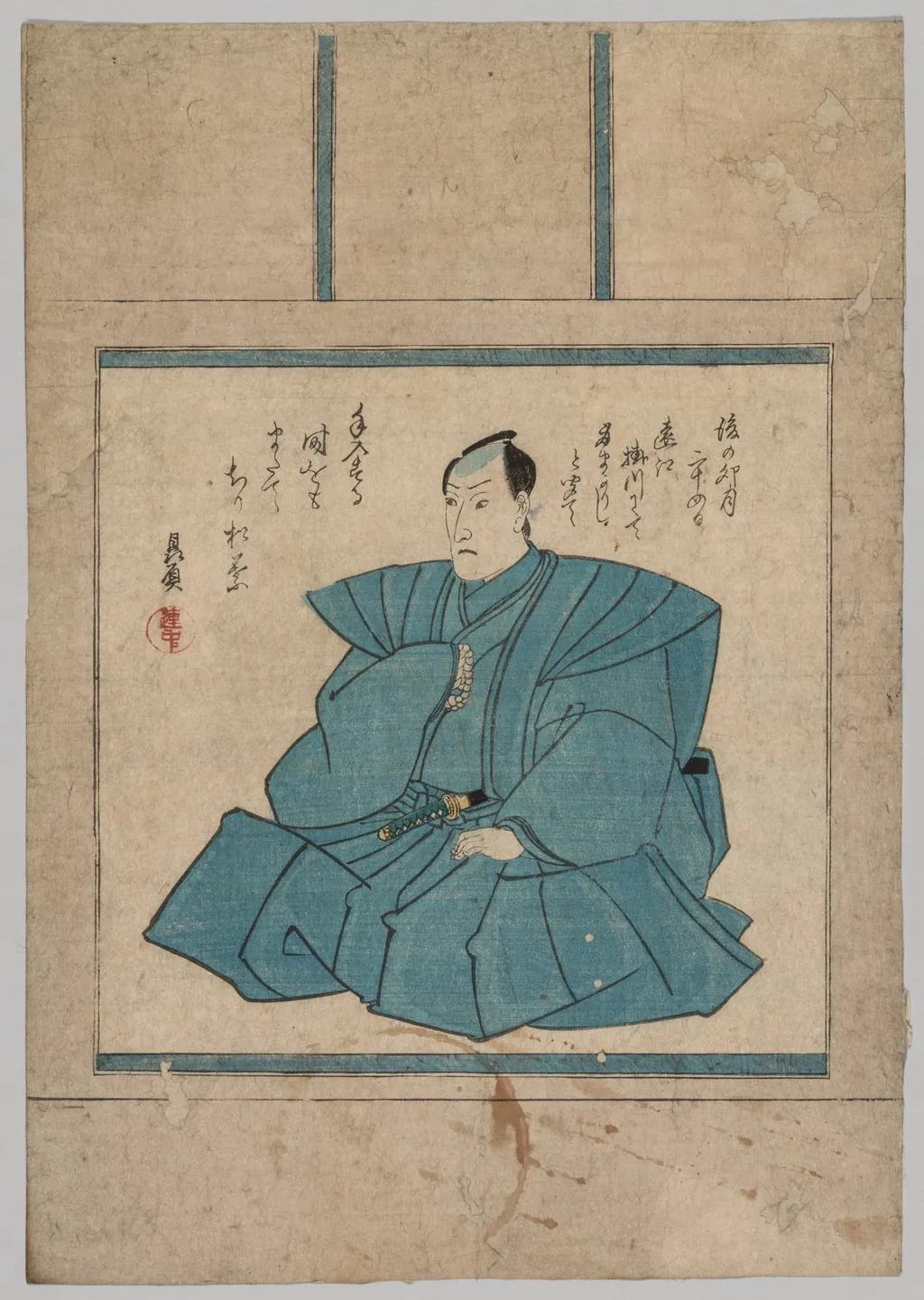
Portrait is a print by the Romanticist artist Utagawa Kunisada. It dates from 1826 and is held in the collection of the Cleveland Museum of Art.
About this work
Overview
This woodblock print, dated 1826, is the work of Utagawa Kunisada, a leading artist of the Utagawa school during Japan’s Edo period. Produced for mass circulation, it reflects the commercial print culture of the time. The image is held in the collection of The Cleveland Museum of Art, where it serves as an example of popular portraiture from early 19th-century Japan.
Subject & Meaning
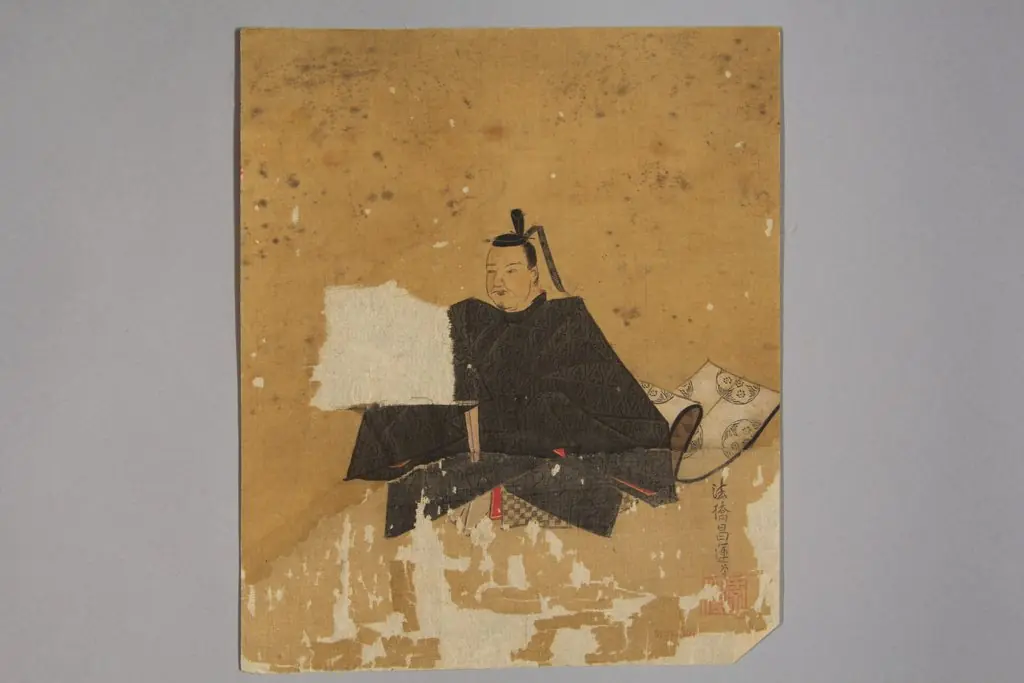
The subject is a man with a shaved head, dressed in a dark robe, seated with hands resting on his knees. His pale face contrasts sharply with the deep black background, suggesting a contemplative or solemn presence. The subtle blue stripe along the hem of the robe hints at refined taste, possibly indicating a status or role within society, though his specific identity remains unrecorded.
Technique & Style
Executed in the ukiyo-e tradition, the print uses woodblock carving and hand-coloring to achieve sharp outlines and flat planes of tone. The minimal background and focused composition draw attention to the figure’s stillness. The use of subtle color variation, particularly in the robe’s hem, demonstrates the printer’s skill in layering ink to suggest texture without detail.
History & Provenance
Created during the late Edo period, the print was likely part of a series of actor or dignitary portraits produced for public sale. Its survival and eventual acquisition by The Cleveland Museum of Art reflect its preservation through private collections and institutional interest in Japanese prints during the late 19th and early 20th centuries.
Context
In Edo-period Japan, woodblock prints were affordable and widely distributed, functioning as visual media for the urban middle class. Portraits like this one, though not always depicting named individuals, catered to public fascination with personal appearance and social roles. Kunisada’s output dominated this market, producing thousands of designs across genres.
Legacy
Kunisada’s prolific output helped define the aesthetic of Edo-period printmaking. This portrait exemplifies the quiet dignity often rendered in his figural works, influencing later collectors and artists in both Japan and the West. Its preservation in a major Western museum underscores its role in cross-cultural appreciation of Japanese visual culture.
Artist & collection

 二代目岩井粂三郎の肖像|Portrait of Iwai Kumesaburō II
 Memorial Portrait of the Actor Ichikawa Ōmezō I
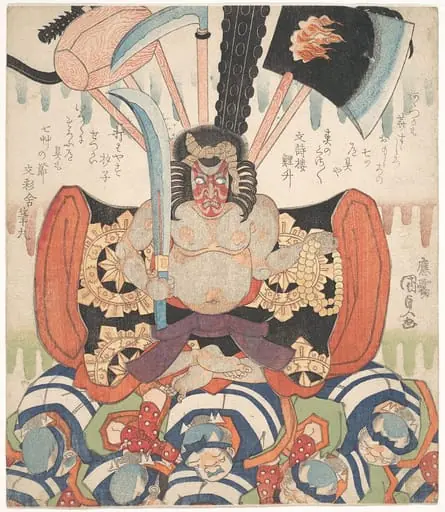 Untitled
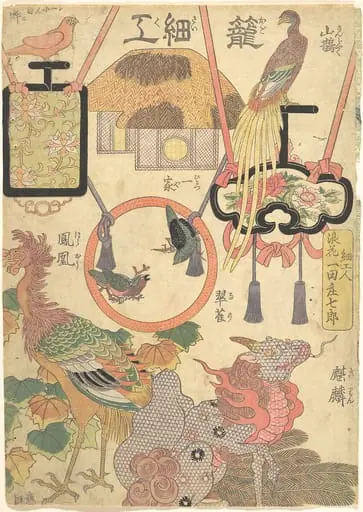 「籠細工 浪花細工人一田庄七郎」|Basketry Work: By the Craftsman Ichida Shōshichirō of Naniwa (Kagosaiku Naniwa saikujin Ichida Shōshichirō)
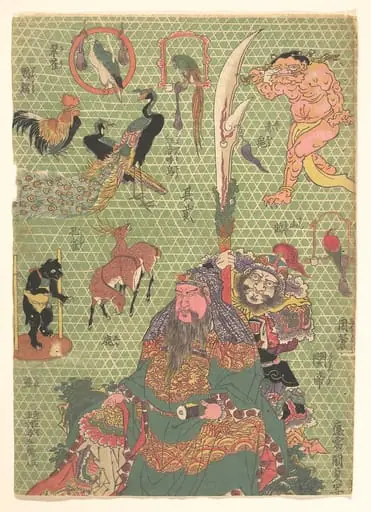 歌川国貞画 「籠細工 浪花細工人 一田庄七郎」|Basketry Work: By the Craftsman Ichida Shōshichirō of Naniwa (Kagozaiku Naniwa saikunin Ichida Shōshichirō)
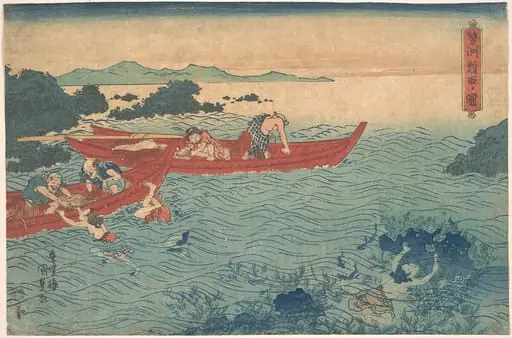 Untitled
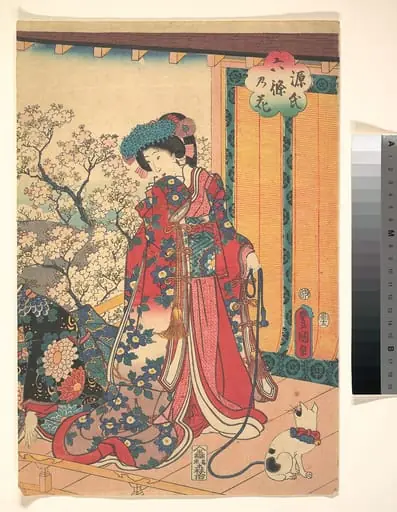 Untitled
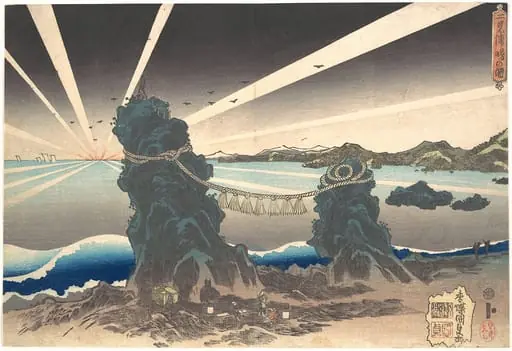 Futami-ga-ura akebono-no kuni|Futami-ga-ura Rocks at Ise, Land of Dawn
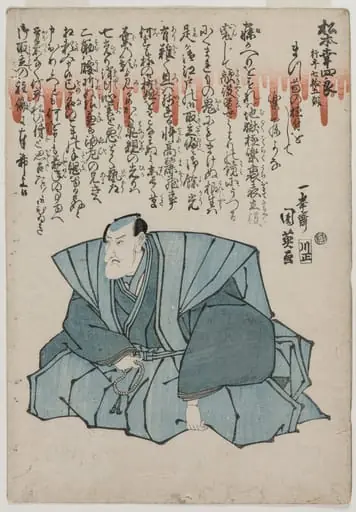 Memorial Portrait of Matsumoto Kōshirō V, Age 75
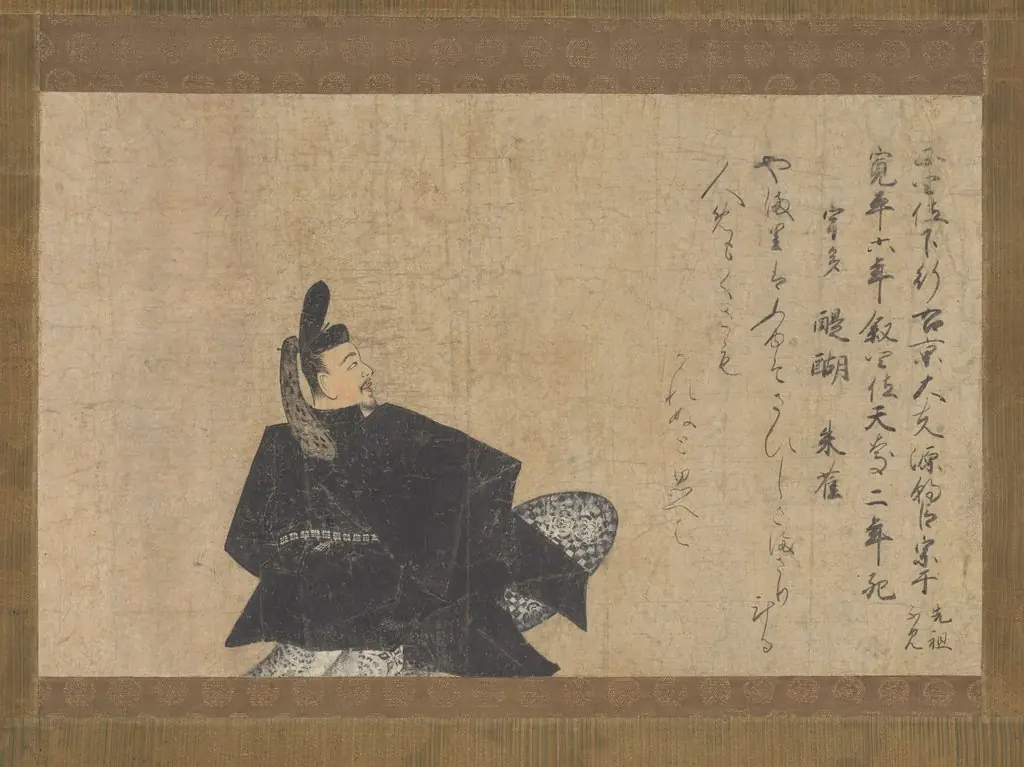 Minamoto no Muneyuki, from the “Fujifusa Version” of Thirty-six Poetic Immortals (Fujifusa-bon Sanjūrokkasen emaki)
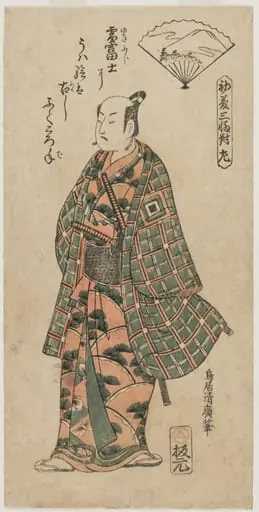 Ichikawa Danjuro II as a Young Samurai
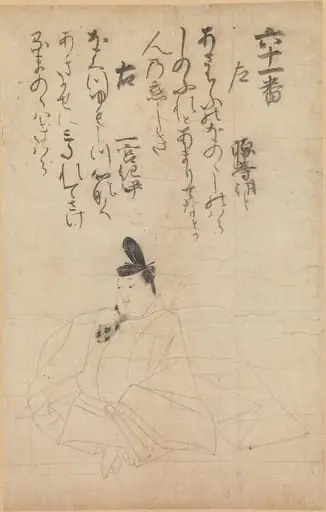 Untitled
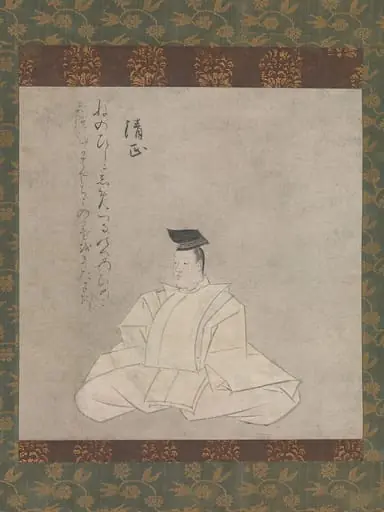 藤原清忠 「業兼本 時代不同歌合絵巻」 断簡|The Poet Fujiwara Kiyotada, from the “Narikane Version” of Thirty-six Poetic Immortals
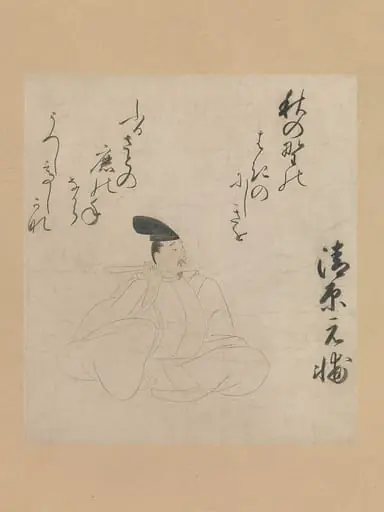 清原元輔 「為重本 時代不同歌合絵巻」 断簡 |The Poet Kiyohara Motosuke, from the “Tameshige Version” of Thirty-six Poetic Immortals (Tameshige-bon Jidai fudō utawase emaki)
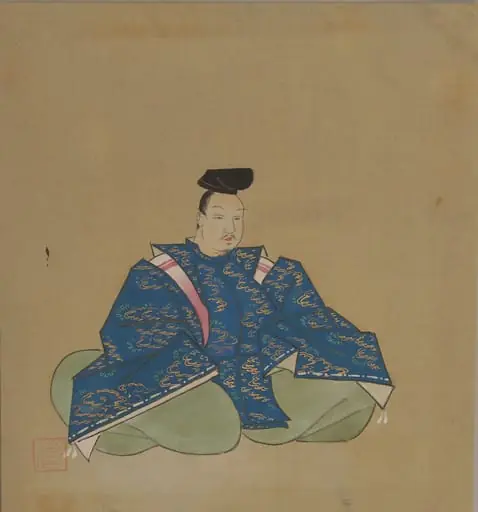 Untitled
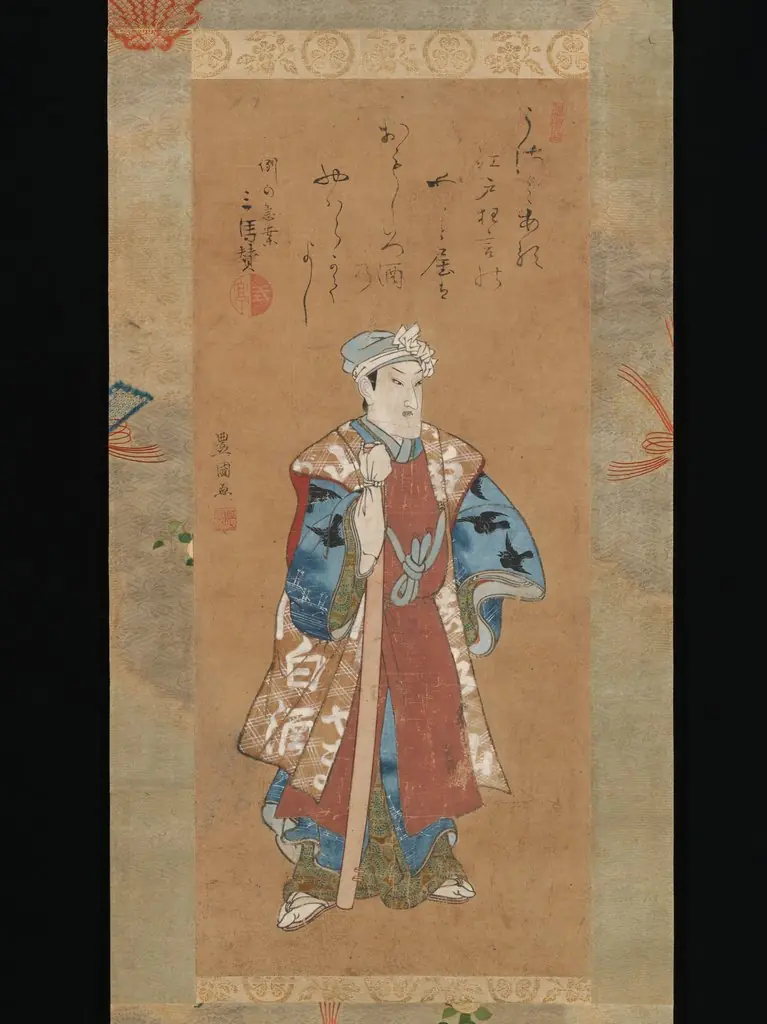 Bandō Mitsugorō II as Shinbei in the Kabuki Play "Sukeroku"
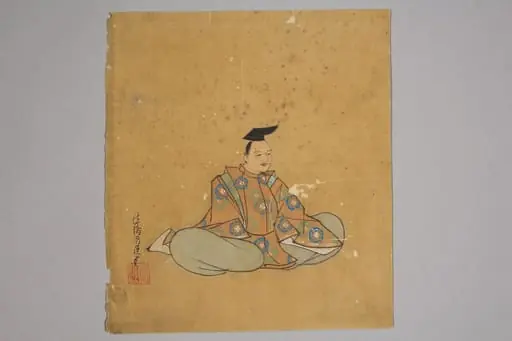 Untitled
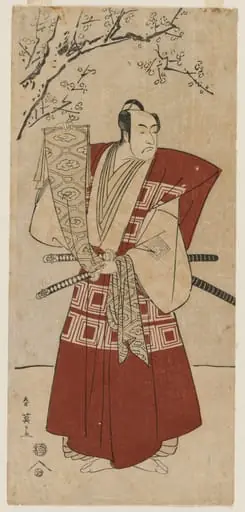 Ichikawa Monnosuke II as a Lord Holding a Banner
 Immortal Poet