Artwork
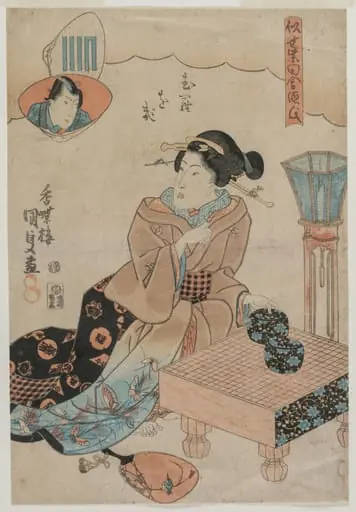
Woman Tying Her Hair (from the series Famous Restaurants of the Present Day)
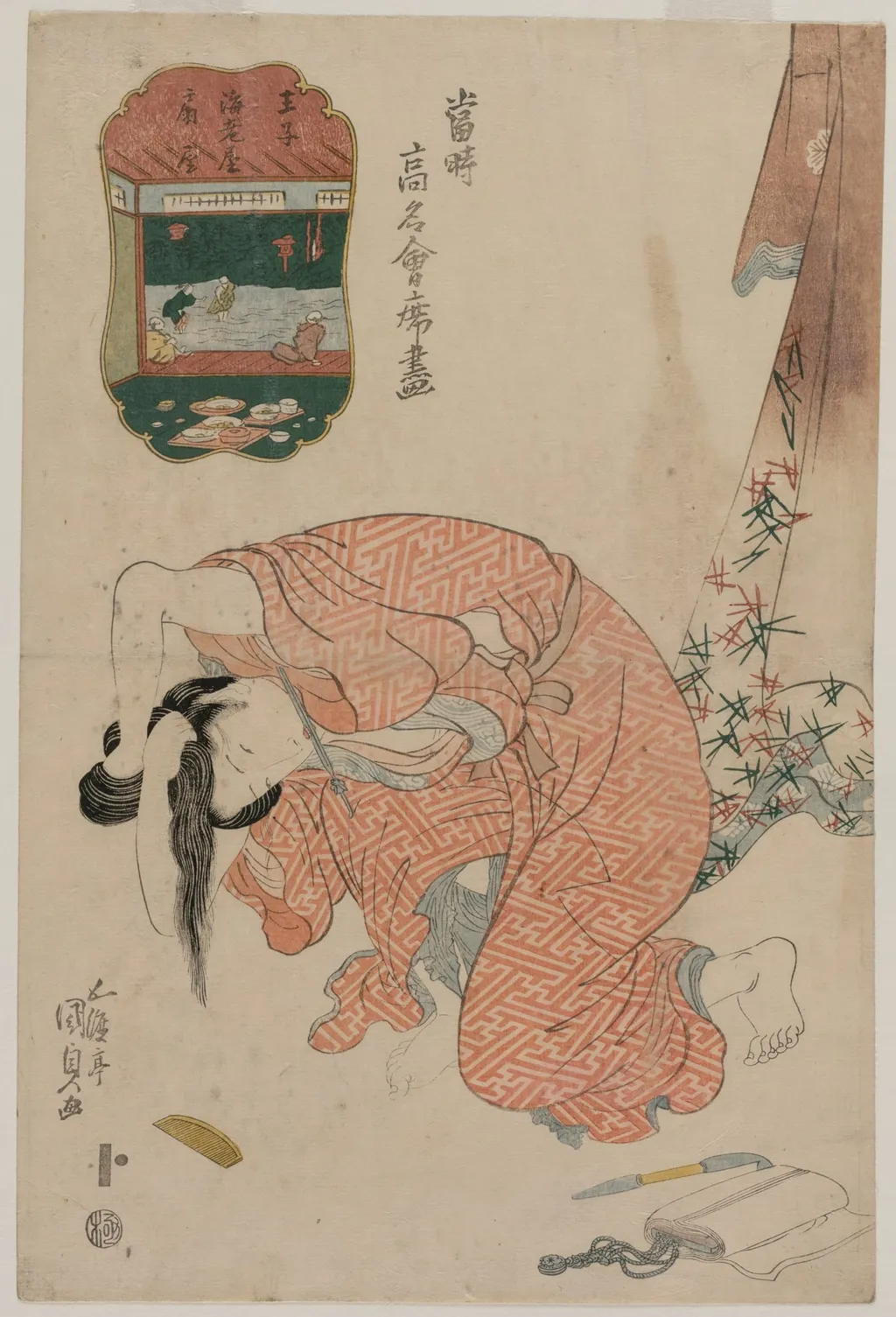
Woman Tying Her Hair (from the series Famous Restaurants of the Present Day) is a print by the Romanticist artist Utagawa Kunisada. It dates from 1824 and is held in the collection of the Cleveland Museum of Art.
About this work
The artist's use of color and composition creates a sense of depth and dimensionality, drawing the viewer's eye into the scene.
This painting shows a woman tying her hair. She's wearing a long, flowing robe with a geometric pattern. The robe is orange and white, and it's draped around her body in a way that creates a sense of movement.
The woman is kneeling on the floor, with her head bent forward and her hands busy with her hair. The background of the painting is a warm, beige color, which helps to create a sense of intimacy and quiet contemplation. The overall effect is one of serenity and calmness.
The artist's use of color and composition creates a sense of depth and dimensionality, drawing the viewer's eye into the scene. The painting is a beautiful example of Japanese art from the early 19th century. Next, you might want to explore more works by Utagawa Kunisada.
Overview
Created around 1824 by the prolific ukiyo‑e artist Utagawa Kunisada, this woodblock print belongs to his series titled Famous Restaurants of the Present Day. The work is part of the Cleveland Museum of Art’s collection and depicts a solitary woman engaged in the simple act of arranging her hair.
Subject & Meaning
The figure is shown kneeling on a muted beige floor, her head bowed as she ties her hair. Dressed in a long robe of orange and white geometric pattern, she occupies a private moment of quiet concentration, suggesting themes of domestic routine and personal care within an urban setting.
Technique & Style
Kunisada employs a restrained palette of warm tones, allowing the orange‑white garment to stand out against the soft background. The composition uses subtle gradations of line and color to convey depth, while the flowing drapery creates a sense of movement that guides the viewer’s eye across the scene.
History & Provenance
The print was produced as part of a commercial series that documented contemporary dining establishments, a popular subject in early‑19th‑century Japanese popular art. It entered the Cleveland Museum of Art’s holdings through acquisition in the twentieth century, where it remains on view as an example of Kunisada’s work for a mass audience.
Artist & collection

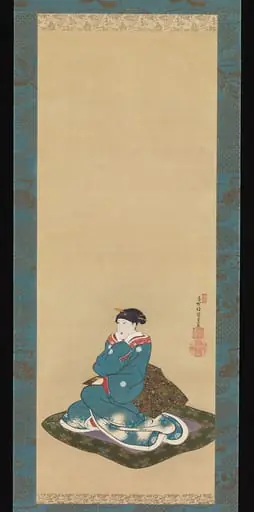 二代目岩井粂三郎の肖像|Portrait of Iwai Kumesaburō II
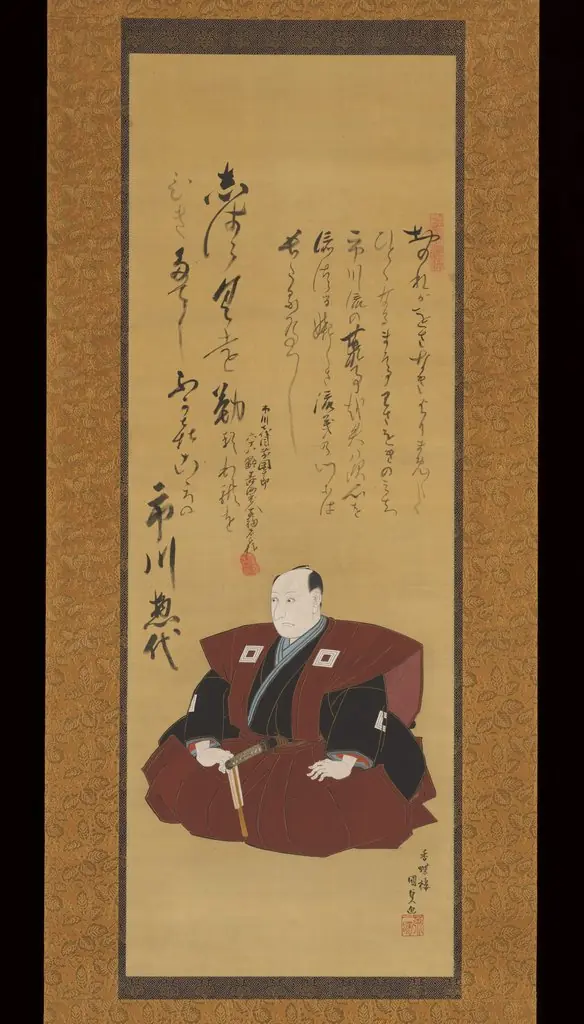 Memorial Portrait of the Actor Ichikawa Ōmezō I
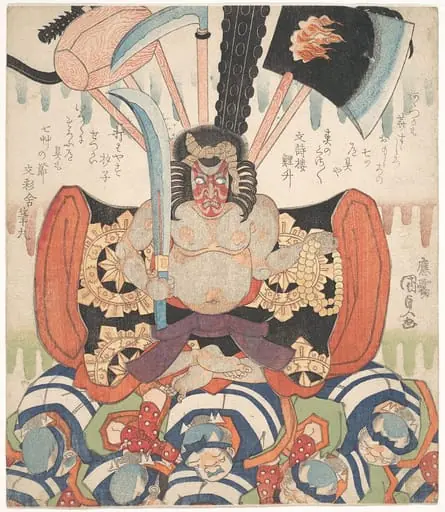 Untitled
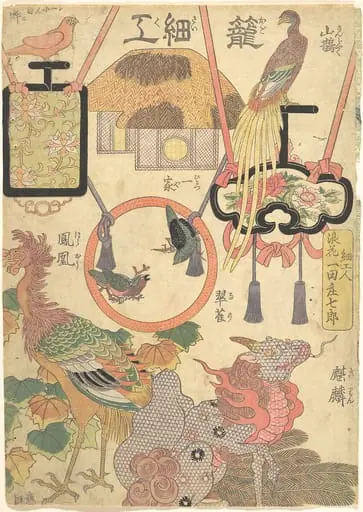 「籠細工 浪花細工人一田庄七郎」|Basketry Work: By the Craftsman Ichida Shōshichirō of Naniwa (Kagosaiku Naniwa saikujin Ichida Shōshichirō)
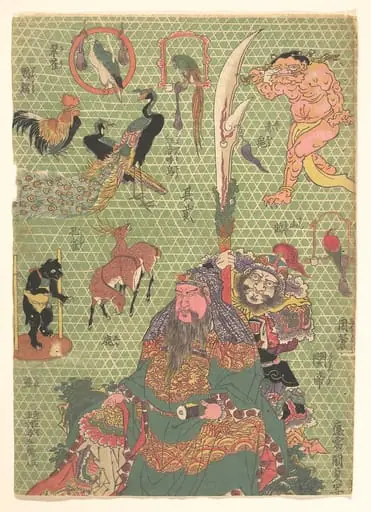 歌川国貞画 「籠細工 浪花細工人 一田庄七郎」|Basketry Work: By the Craftsman Ichida Shōshichirō of Naniwa (Kagozaiku Naniwa saikunin Ichida Shōshichirō)
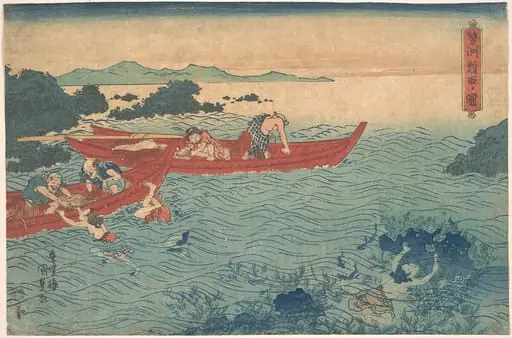 Untitled
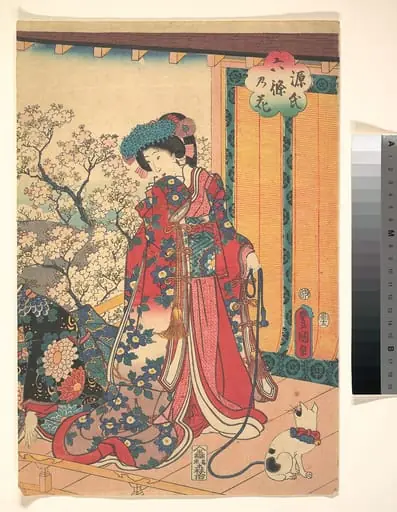 Untitled
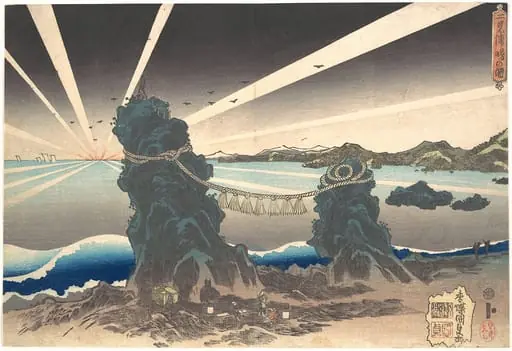 Futami-ga-ura akebono-no kuni|Futami-ga-ura Rocks at Ise, Land of Dawn
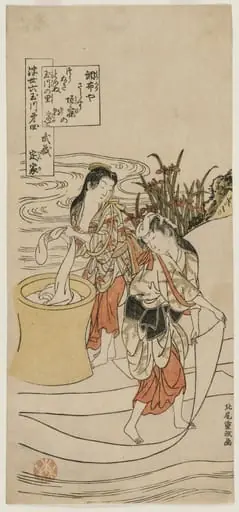 The Chofu Tama River in Musashi Province (from the series The Six Tama Rivers of the Floating World)
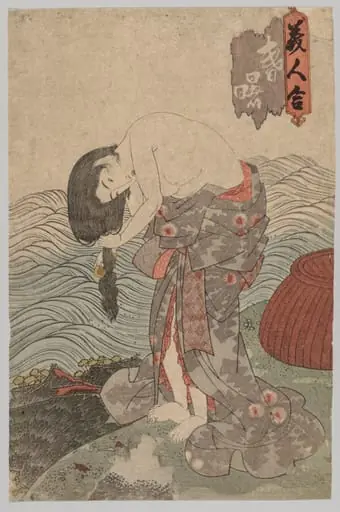 Woman Diver Combing her Hair
 Muraogi, from the series The False Murasaki's Rustic Genji (Nise Murasaki Inaka Genji)
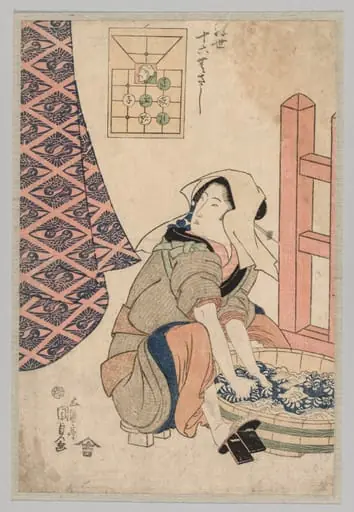 Seated Woman Washing Clothes in a Wooden Tub
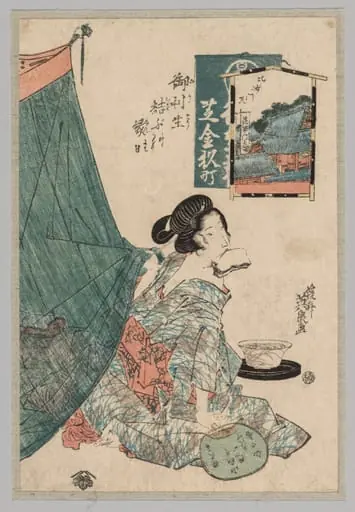 Woman with Papers in Mouth and Fan in Hand
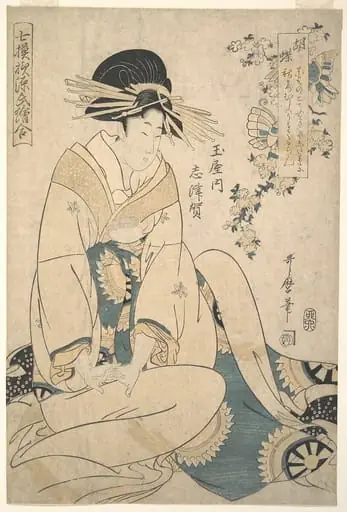 玉屋内 志津賀|A Courtesan
 The Courtesan Hana-ogi of Ogiya as the Sennin Tekkai (from the series Eight Immortals of Sensuality)
 Komachi Washes the Book (from the series Seven Elegant Episodes from the Life of the Poetess Ono no Komachi)
 Untitled
 Young Woman Kneeling by a Stand with a Ceremonial Cap (from the series The Six Immortal Poets in Elegant Modern Dress)
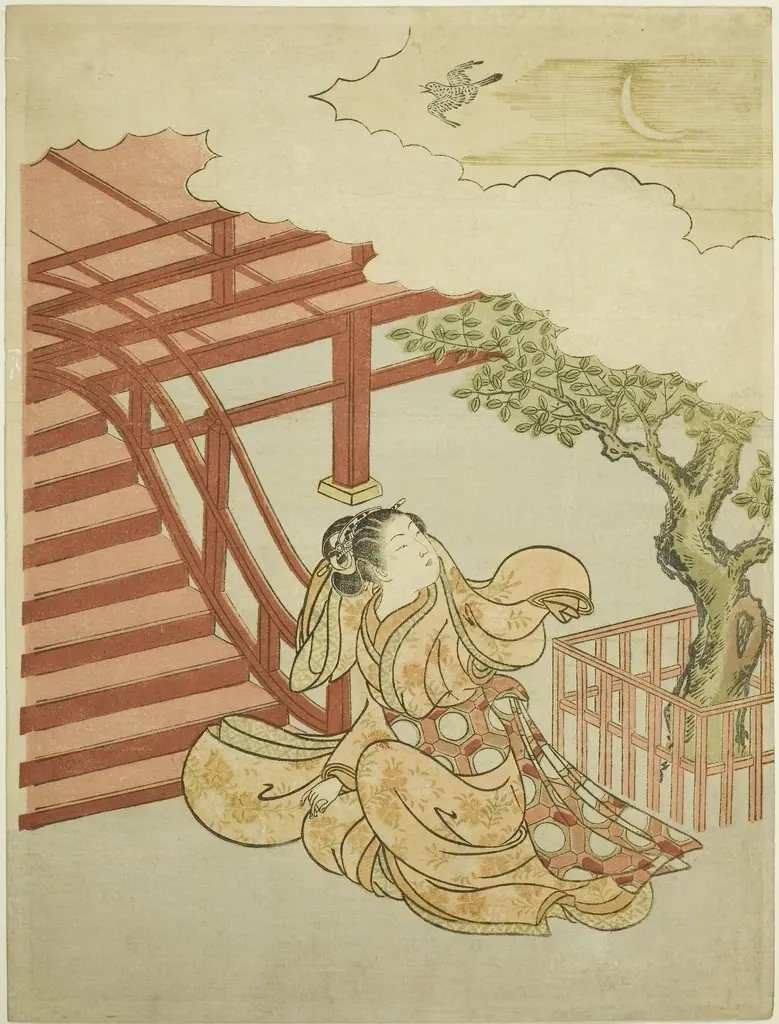 The Call of the Cuckoo from above the Clouds (parody of Minamoto no Yorimasa)
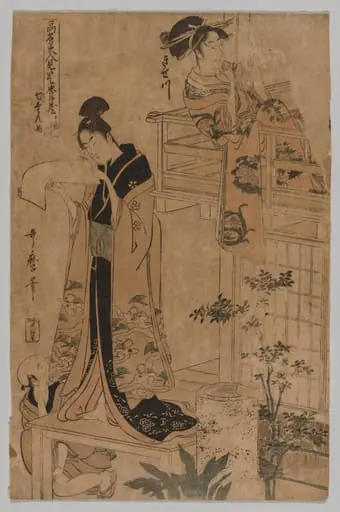 Act VII from the series The Storehouse of Loyal Retainers As Portrayed by Famous Beauties in Twelve Leaves