Artwork
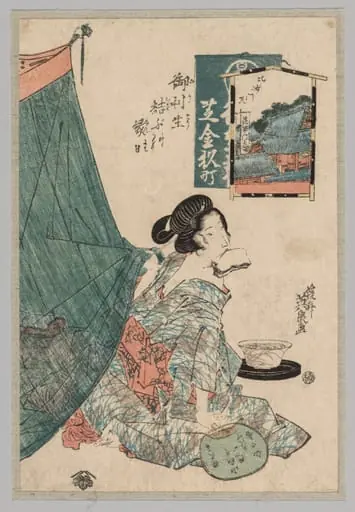
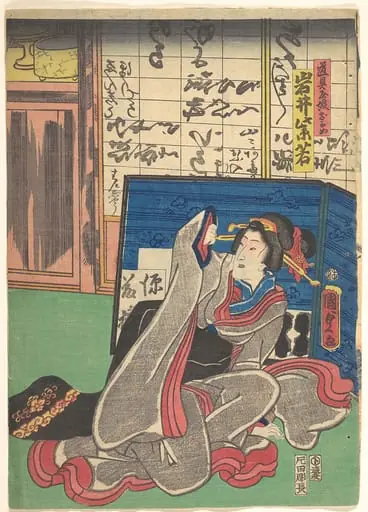
Seated Woman Washing Clothes in a Wooden Tub
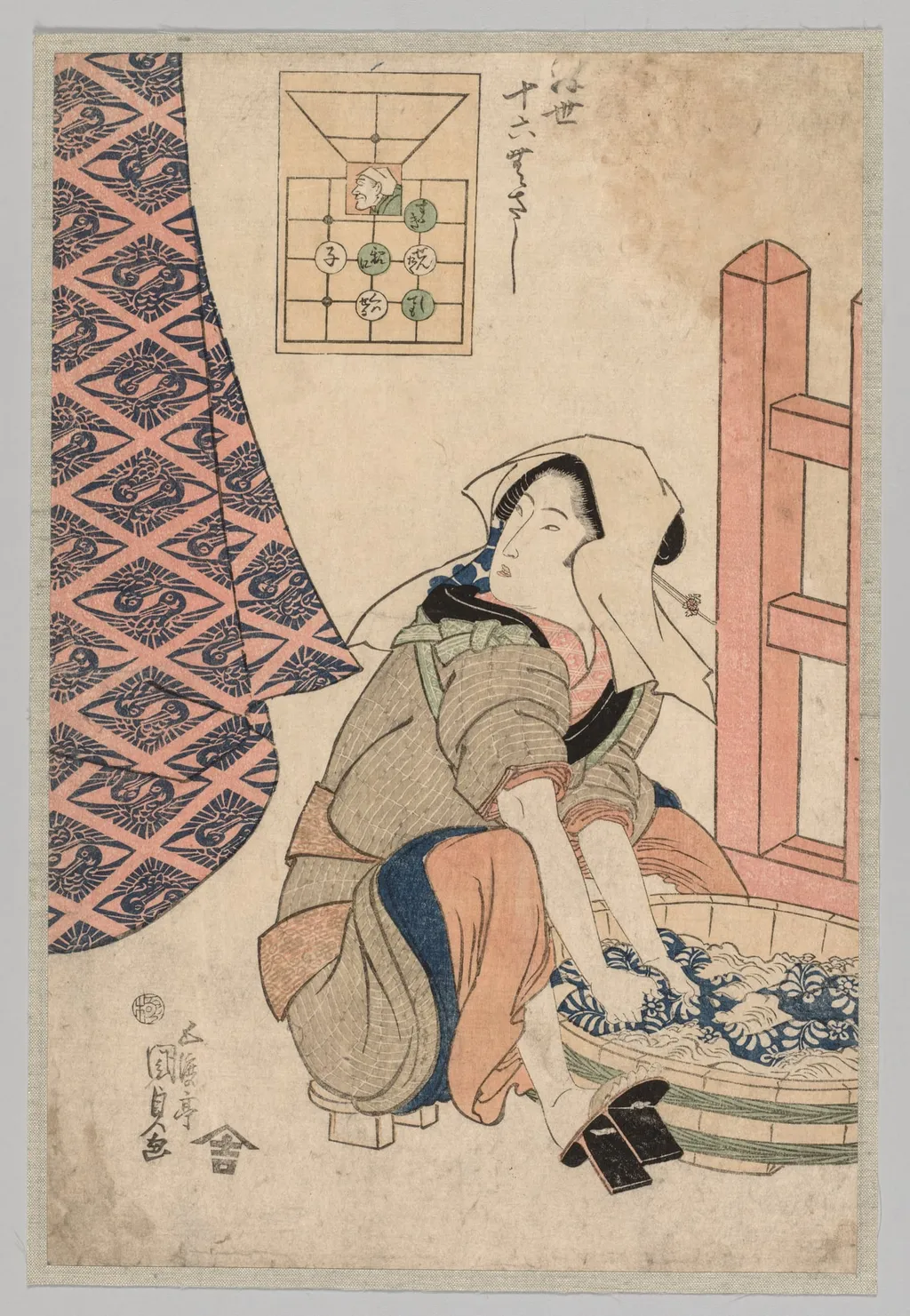
Seated Woman Washing Clothes in a Wooden Tub is a print by the Romanticist artist Utagawa Kunisada. It dates from 1825 and is held in the collection of the Cleveland Museum of Art.
About this work
Overview
This woodblock print, created by Utagawa Kunisada around 1825, depicts a woman engaged in domestic labor. It is part of the ukiyo-e tradition, which often portrayed everyday scenes from urban life. The work is currently held in the collection of The Cleveland Museum of Art, where it contributes to the understanding of Edo-period visual culture through its focus on ordinary, unidealized activity.
Subject & Meaning
The woman, seated cross-legged, scrubs laundry in a wooden tub, a common chore in Edo-period households. Her posture and attire suggest modesty and routine, not spectacle. The inclusion of a diagram in the upper corner—possibly a game board or spatial guide—hints at the intersection of domestic life and leisure, suggesting that even labor occurred within a world of structured, familiar routines.
Technique & Style
The composition is deliberately flat, emphasizing pattern and arrangement over depth, characteristic of the genre’s aesthetic priorities.
Kunisada employed bold, clean outlines and flat areas of color, typical of ukiyo-e printmaking. There is no modeling of light or shadow; forms are defined by contour and hue. The palette is restrained, dominated by muted blues and greens, with a single red curtain adding visual contrast. The composition is deliberately flat, emphasizing pattern and arrangement over depth, characteristic of the genre’s aesthetic priorities.
History & Provenance
The print was produced during the early 1820s, a period when Kunisada was a leading designer of actor prints and genre scenes. It entered the Cleveland Museum of Art’s collection through established acquisition channels, likely as part of a broader effort in the 20th century to document Japanese printmaking. Its preservation reflects institutional interest in non-elite subjects within the ukiyo-e canon.
Context
In Edo-period Japan, depictions of women at work were increasingly common in popular prints, reflecting urbanization and a growing middle-class audience. Unlike idealized beauties or warriors, these scenes celebrated the dignity of daily tasks. The framed interior, with its curtain and pillar, situates the figure within a domestic space familiar to city dwellers, grounding the image in lived experience rather than myth or fantasy.
Legacy
This print contributes to a broader recognition of labor as a legitimate subject in Japanese art. While Kunisada is often associated with theatrical imagery, works like this reveal his engagement with the rhythms of ordinary life. Its preservation in a major Western museum underscores its role in shaping international understanding of Edo-period social history through visual culture.
Artist & collection
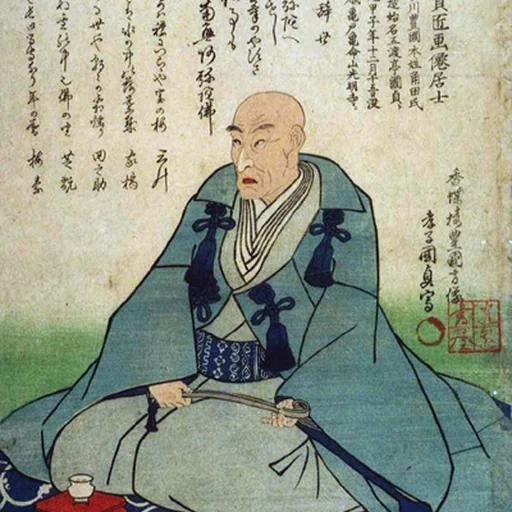

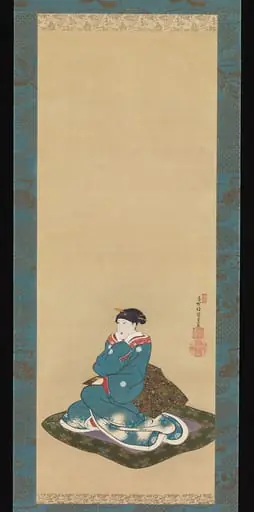 二代目岩井粂三郎の肖像|Portrait of Iwai Kumesaburō II
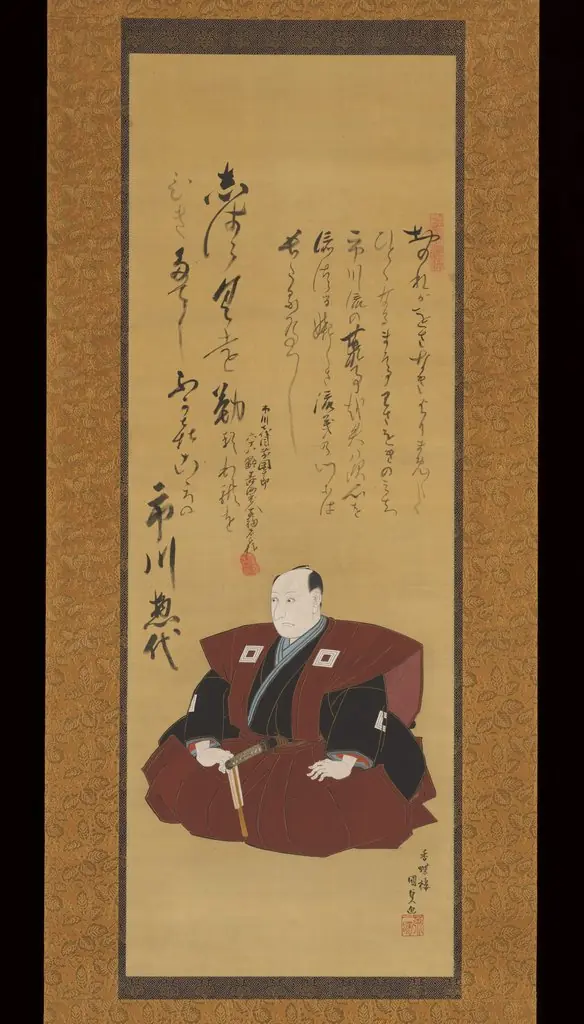 Memorial Portrait of the Actor Ichikawa Ōmezō I
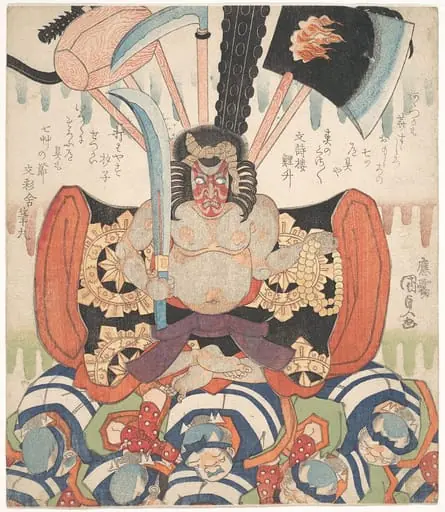 Untitled
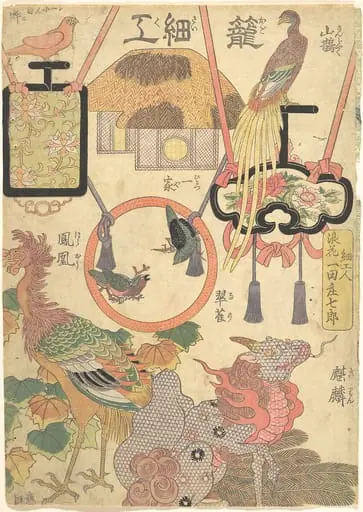 「籠細工 浪花細工人一田庄七郎」|Basketry Work: By the Craftsman Ichida Shōshichirō of Naniwa (Kagosaiku Naniwa saikujin Ichida Shōshichirō)
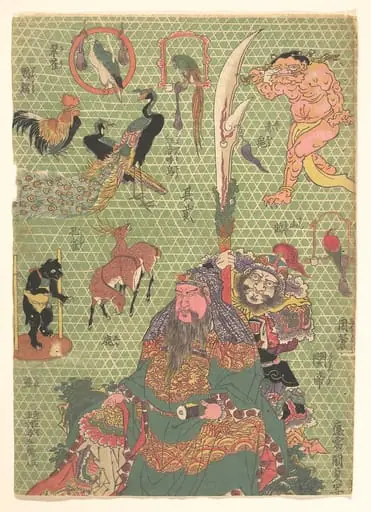 歌川国貞画 「籠細工 浪花細工人 一田庄七郎」|Basketry Work: By the Craftsman Ichida Shōshichirō of Naniwa (Kagozaiku Naniwa saikunin Ichida Shōshichirō)
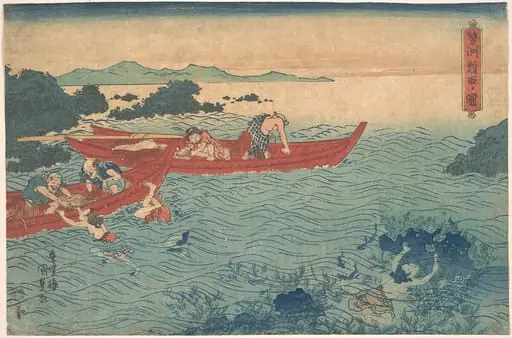 Untitled
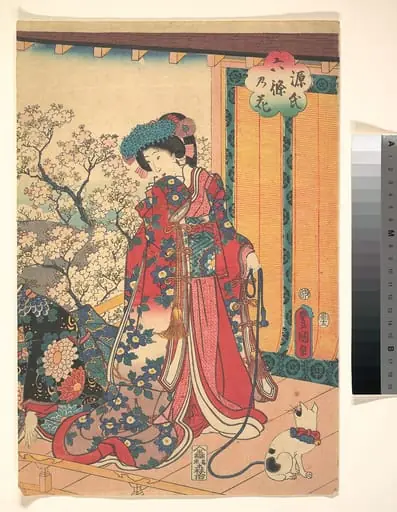 Untitled
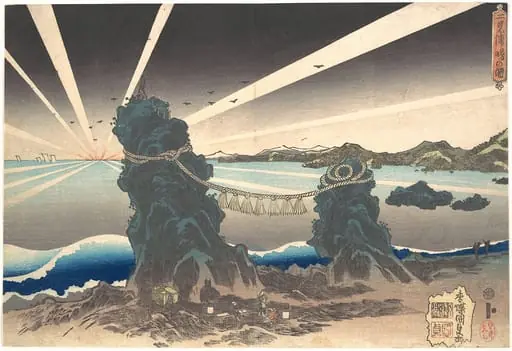 Futami-ga-ura akebono-no kuni|Futami-ga-ura Rocks at Ise, Land of Dawn
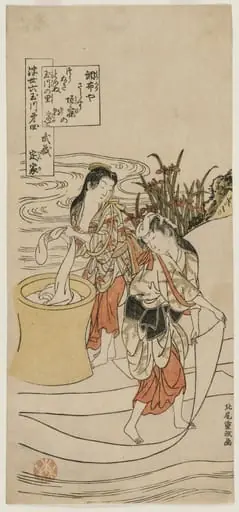 The Chofu Tama River in Musashi Province (from the series The Six Tama Rivers of the Floating World)
 Woman with Papers in Mouth and Fan in Hand
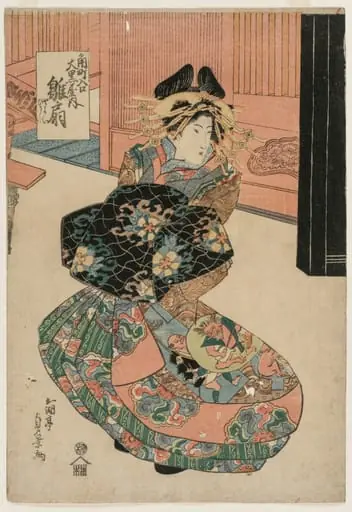 The Courtesan Hinaogi of the Daikokuya at the Entrance of Kadomachi
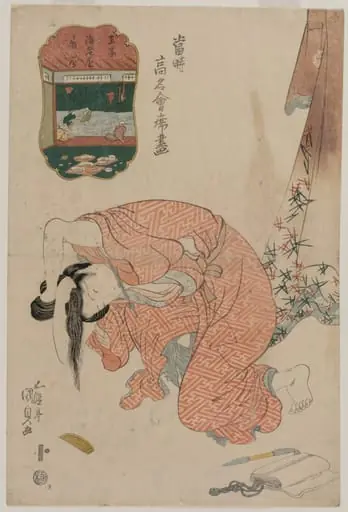 Woman Tying Her Hair (from the series Famous Restaurants of the Present Day)
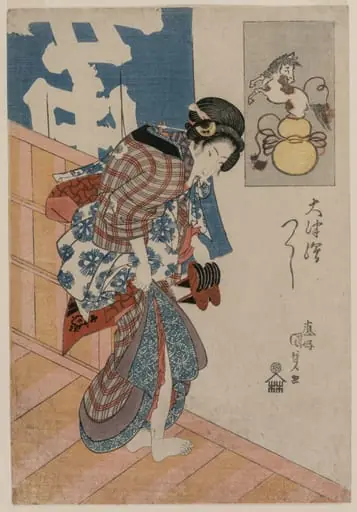 Woman Leaving a Bath House (from the series Pictures from Otsu)
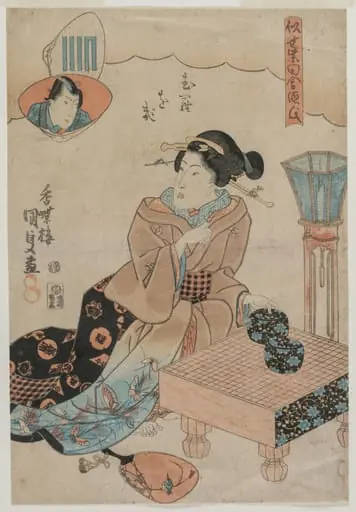 Muraogi, from the series The False Murasaki's Rustic Genji (Nise Murasaki Inaka Genji)
 Woman Diver Combing her Hair
 Untitled
 Untitled
 Woman with a Fan in her Left Hand Combing her Hair
 岩井紫若(二代目)の道具屋娘おかめ|Iwai Shijaku II as Okame, the Daughter of a Furniture Store
 Untitled