Artwork
Mouse Monster and Others
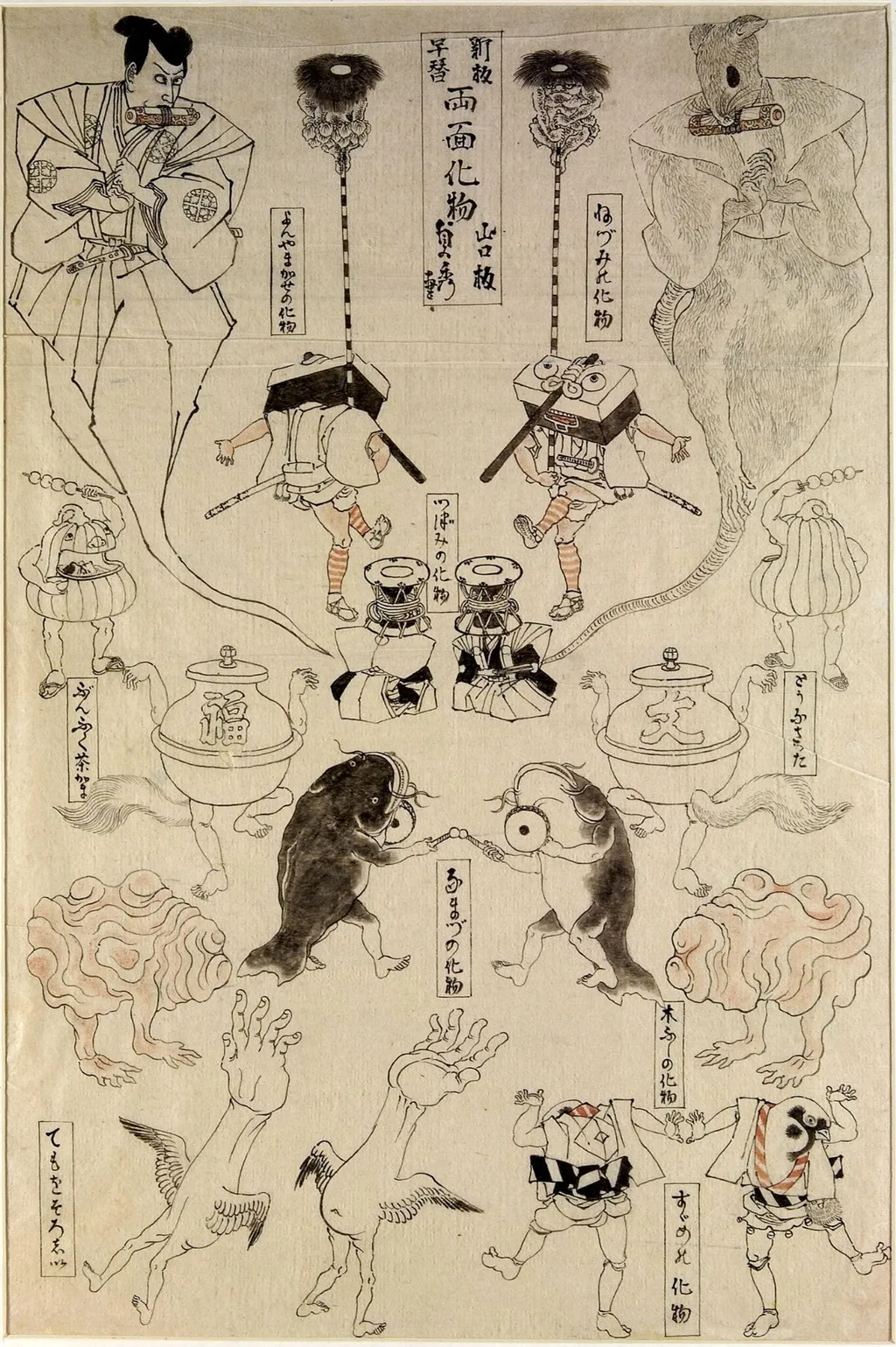
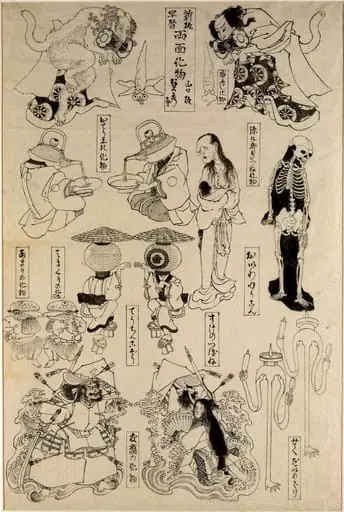
Mouse Monster and Others is a paint painting by the Romanticist artist Utagawa (Gountei) Sadahide. It dates from 1837 and is held in the collection of the Victoria and Albert Museum. This work is a painted design intended for reproduction as a print, featuring multiple dual-sided monster figures.
About this work
Overview
This work is a painted design intended for reproduction as a print, featuring multiple dual-sided monster figures.
This work is a painted design intended for reproduction as a print, featuring multiple dual-sided monster figures. Each creature appears in two forms—such as a mouse and a human—mirrored along a shared outline. The composition suggests functionality: the images were meant to be cut out, glued back-to-back, and manipulated as movable toys, a practice that contributed to the rarity of surviving examples.
Subject & Meaning
The figures represent bakemono, Japanese for 'things that change,' reflecting cultural beliefs in shape-shifting spirits. Each monster’s dual form embodies transformation, blurring boundaries between animal and human, real and imagined. The playful inversion of forms invites interaction, aligning with folk traditions that saw the supernatural as both familiar and unsettling.
Technique & Style
The figures are rendered with clean, flowing outlines and minimal internal detail, optimized for replication in woodblock printing. Symmetry and reversal are central to the design, allowing each monster to function as a two-faced puppet. The style is lively and economical, prioritizing clarity and kinetic potential over ornamental complexity.
History & Provenance
Created by Utagawa Sadahide, this piece belongs to a genre of illustrated sheets produced in the late Edo period for popular entertainment. Few originals survive, as the prints were typically used, cut, and discarded after play. Its existence as a painted design rather than a printed impression suggests it was a prototype, possibly used to guide block carvers.
Context
During the 19th century, urban Japan saw a rise in printed imagery meant for domestic amusement, including puzzles, games, and folding figures. Sadahide’s work fits within this trend, drawing from ukiyo-e traditions while embracing whimsy and interactivity. The format reflects a broader cultural fascination with metamorphosis, seen in folklore, theater, and visual art.
Legacy
Though not widely collected in its time, this type of interactive print influenced later Japanese paper toys and illustrated games. Sadahide’s approach—merging folklore with tactile design—offers insight into how art functioned in everyday life. Surviving examples are now valued as rare artifacts of popular visual culture, not fine art.
Own this work as a print
Artist & collection

Artist
Utagawa Sadahide , also known as Gountei Sadahide, was a Japanese artist best known for his prints in the ukiyo-e style as a member of the Utagawa school.

 Untitled
 Untitled
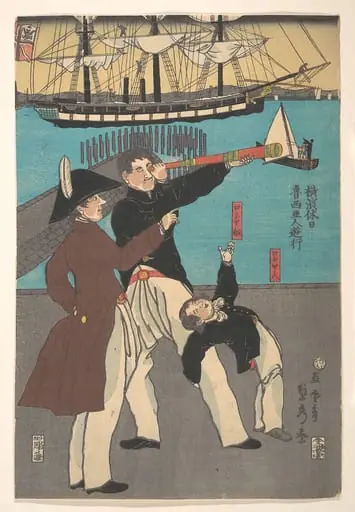 歌川五雲亭貞秀画 『横浜休日 魯西亜人遊行』|Russians Enjoying a Holiday in Yokohama (Yokohama kyūjitsu Roshiajin yūkō)
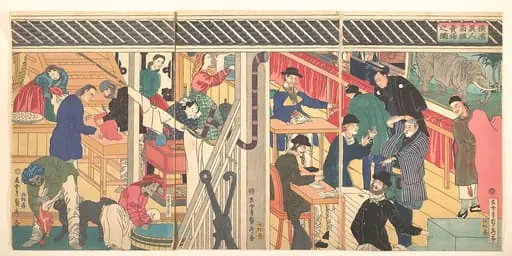 「横浜異人商館買場之圖」|Foreign Business Establishment in Yokohama (Yokohama ijin shōkan uriba no zu)
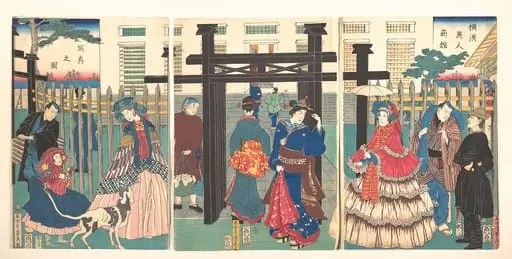 歌川五雲亭貞秀画 『横浜異人商館 写真之図』|Foreign Business Establishment in Yokohama (Yokohama ijin shōkan shashin no zu)
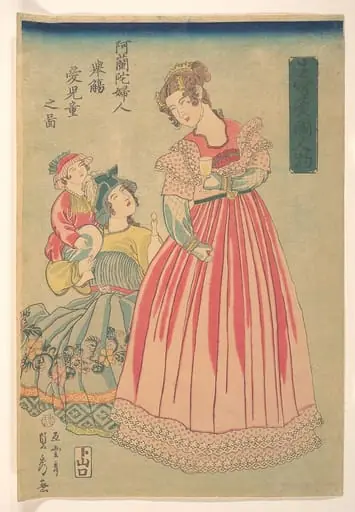 歌川五雲亭貞秀画 『生写異国人物 阿蘭陀婦人舉觴 愛児童之図』|Dutch Woman and Child (Seisha ikoku jinbutsu Oranda fujin aijidō no zu)
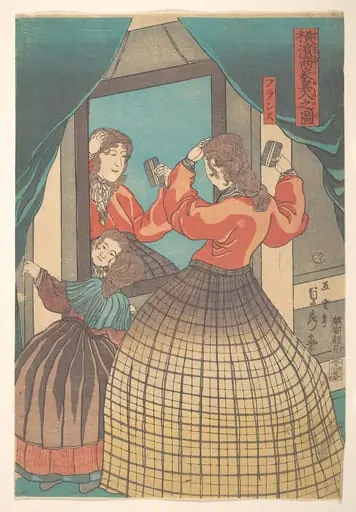 歌川五雲亭貞秀画 『横浜商家異人之図』|French Woman and Girl, from the series Foreign Merchants in Yokohama (Yokohama shōka ijin no zu)
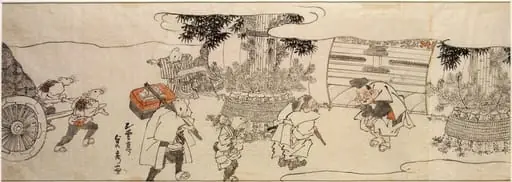 Daikoku and rats bringing rice bales to Ebisu
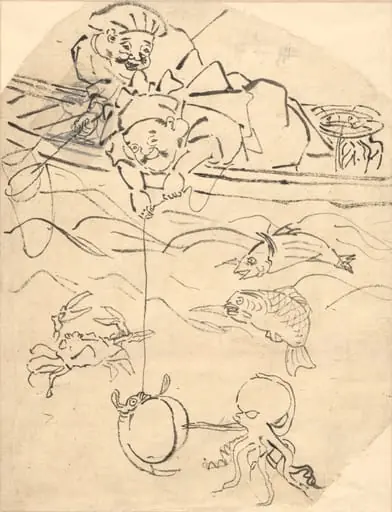 Daikoku and Ebisu, Two of the Seven Gods of Happiness
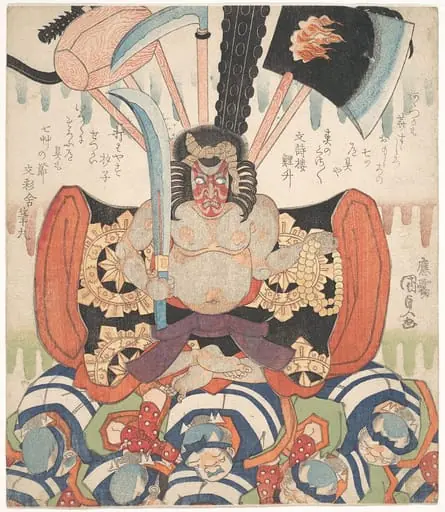 Untitled
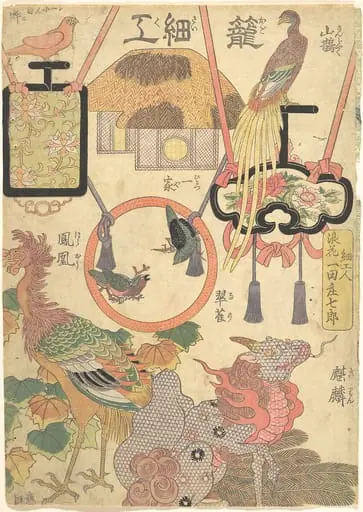 「籠細工 浪花細工人一田庄七郎」|Basketry Work: By the Craftsman Ichida Shōshichirō of Naniwa (Kagosaiku Naniwa saikujin Ichida Shōshichirō)
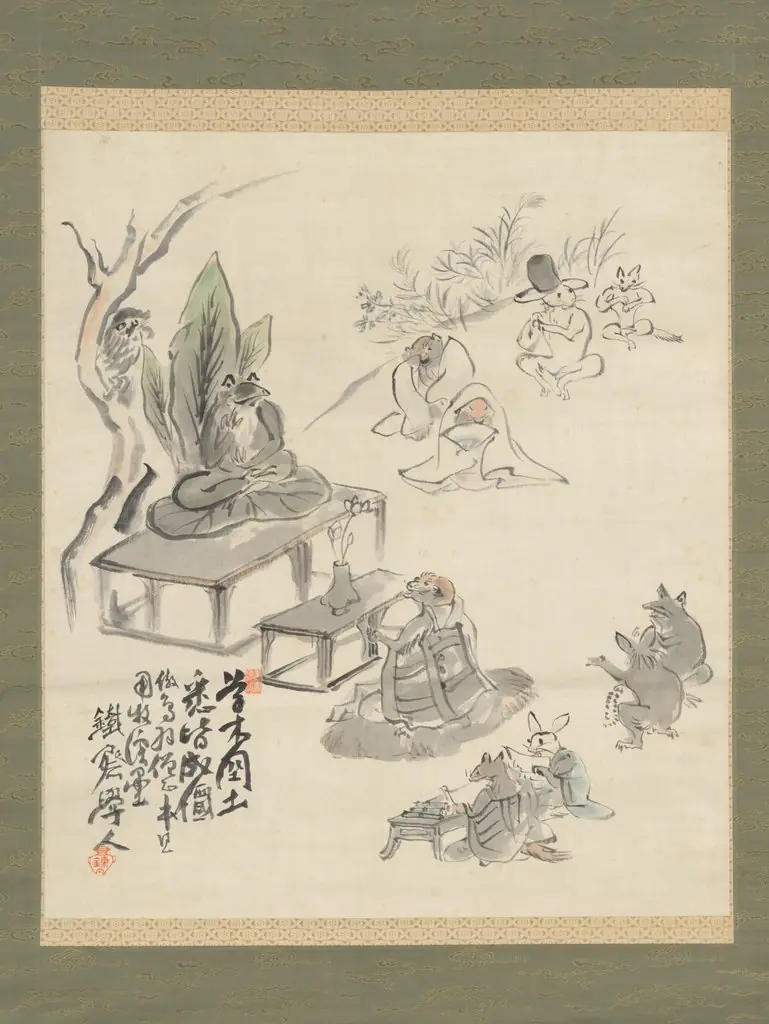 Scene Inspired by the Scrolls of Frolicking Animals and Humans
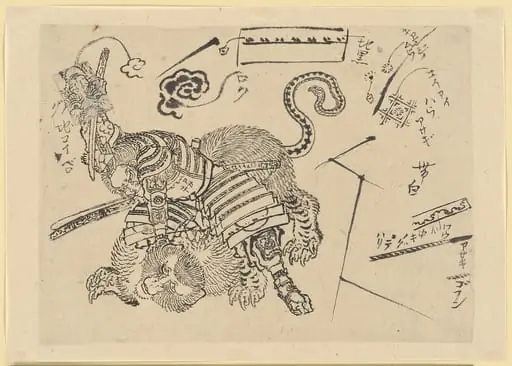 Untitled
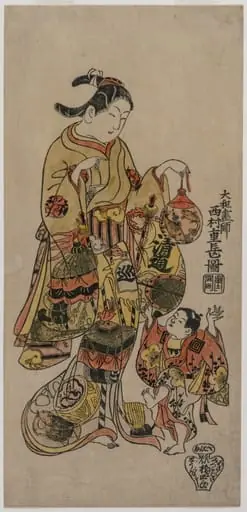 Child Reaching for a Fishbowl
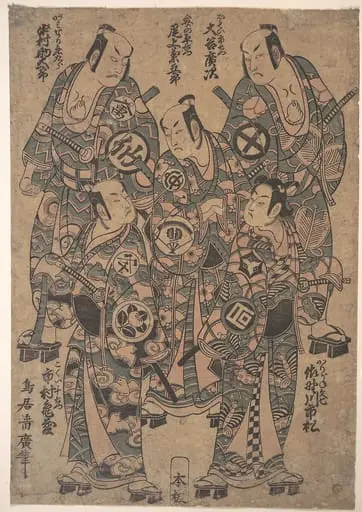 Untitled
 Fox-Genkurô and Others