Artwork
Untitled
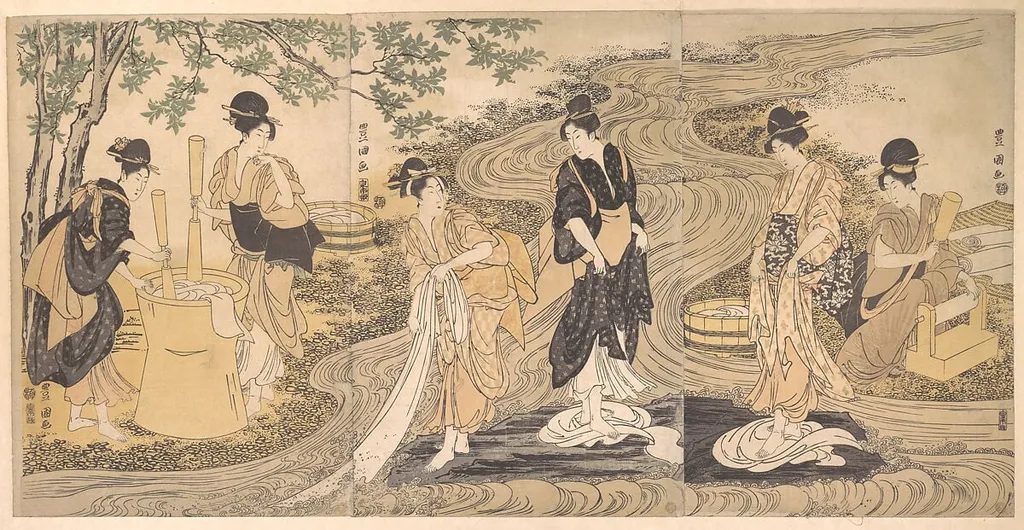
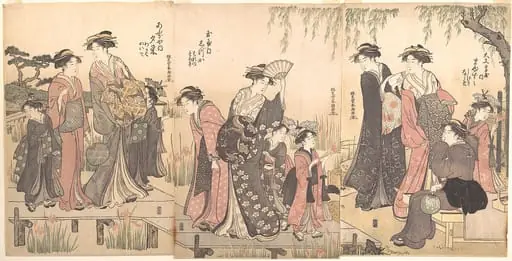
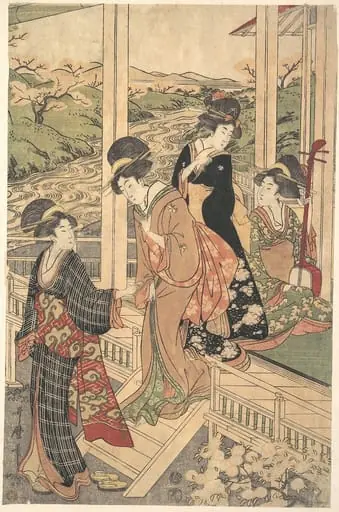
Untitled is an ink print by the Romanticist artist Utagawa Toyokuni I. It dates from 1800 and is held in the collection of the Metropolitan Museum of Art.
About this work
Overview
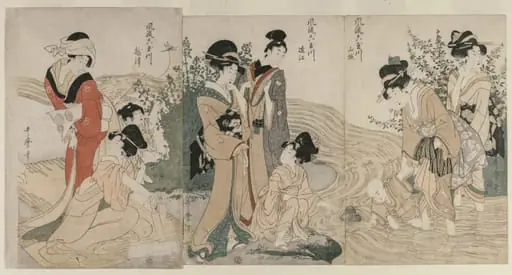
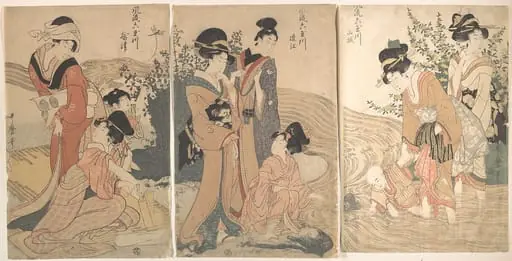
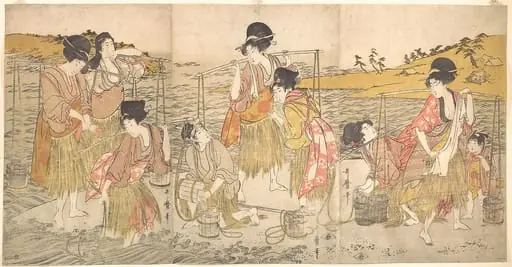
This triptych, created around 1800 by Utagawa Toyokuni I, presents a quiet moment of daily labor along a riverbank. Composed of three woodblock prints in ink and color on paper, it captures five women engaged in routine tasks. The work is part of the collection at The Metropolitan Museum of Art, reflecting the Edo-period interest in scenes of ordinary life.
Subject & Meaning
The figures are depicted performing domestic chores—fetching water, sorting laundry, and washing garments—suggesting a communal rhythm of labor.
The figures are depicted performing domestic chores—fetching water, sorting laundry, and washing garments—suggesting a communal rhythm of labor. Their loose robes and wide hats indicate practical attire for outdoor work. The arrangement of figures, spaced but connected, implies a shared, unglamorous routine rather than a staged event, grounding the scene in the lived experience of women in Edo-period Japan.
Technique & Style
Toyokuni employed soft, muted pigments and flowing linework to convey movement and texture. The figures are rendered with subtle gradations of tone, avoiding sharp contours, which lends a sense of natural motion. The background features delicate brushwork for water and foliage, creating depth without overwhelming the human subjects. The triptych format allows for a continuous narrative across panels.
History & Provenance
The work was produced during Toyokuni I’s peak years as a leading ukiyo-e artist, when genre scenes of urban and rural life were in demand. It entered The Metropolitan Museum of Art’s collection through documented acquisitions of Japanese prints in the early 20th century. Its provenance traces back to private collections in Japan before its arrival in the United States.
Context
Riverside washing was a common task for women in Edo-period Japan, often performed in groups to share labor and conversation. Such scenes were popular in ukiyo-e as they balanced realism with aesthetic harmony. Unlike theatrical or erotic subjects, these depictions offered a quiet celebration of domestic endurance, aligning with broader cultural values of diligence and communal responsibility.
Legacy
Toyokuni’s treatment of everyday labor contributed to the genre’s legitimacy within print culture. While not as widely reproduced as his actor portraits, this triptych exemplifies his skill in capturing unposed human activity. It remains a reference for scholars studying the representation of women’s work in early 19th-century Japanese art.
Artist & collection

Artist
Toyokuni was a born showman who made sure the energy of Edo’s kabuki stage never faded on paper.

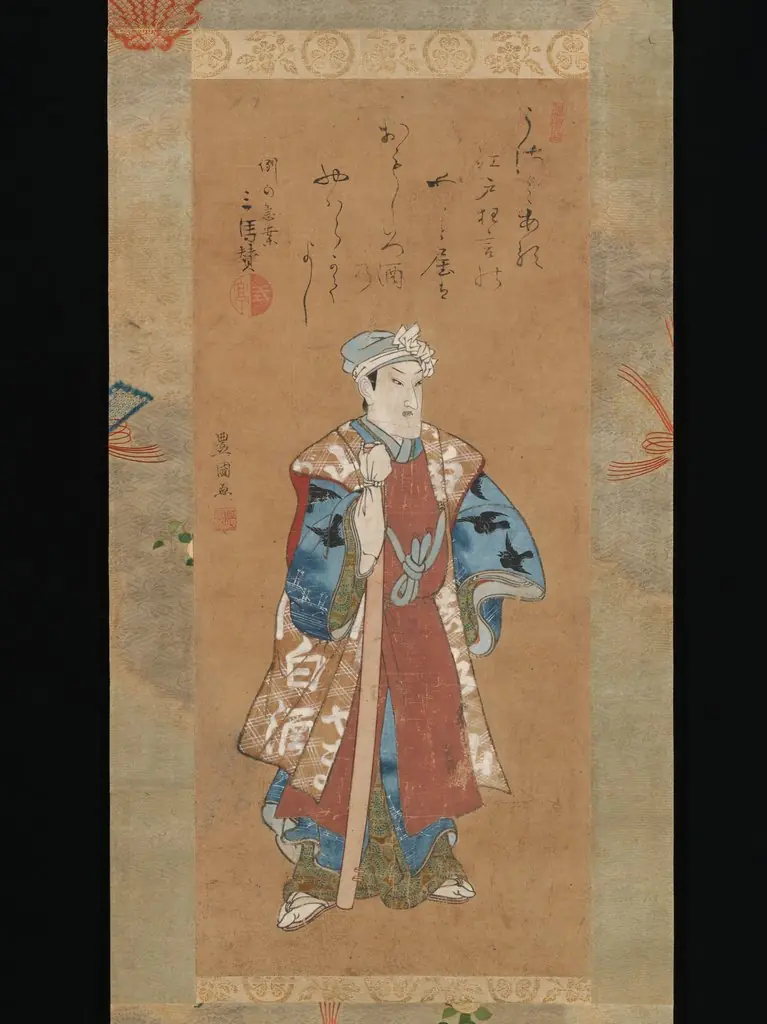 Bandō Mitsugorō II as Shinbei in the Kabuki Play "Sukeroku"
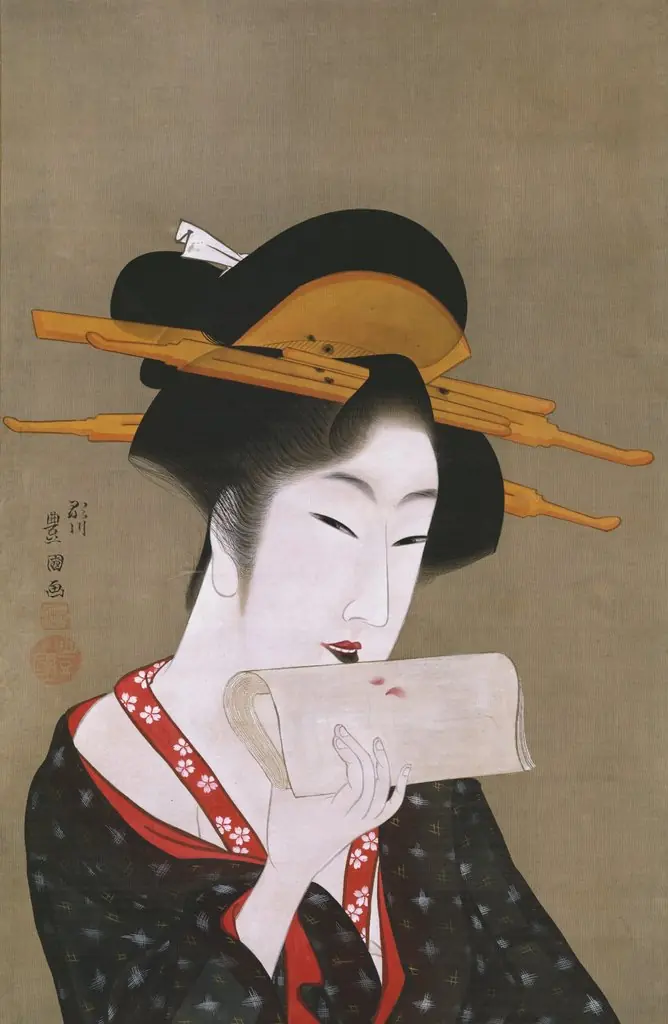 Beauty Blotting Her Lip Rouge
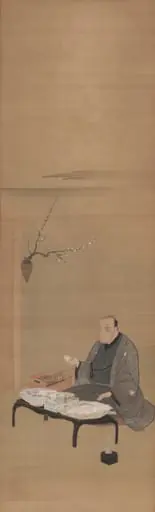 Portrait of Kinokuniya Bunzaemon
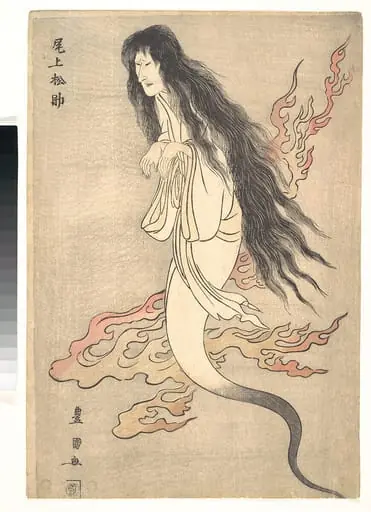 Tokaido Yotsuya Kaidan|Onoe Matsusuke as the Ghost of the Murdered Wife Oiwa, in "A Tale of Horror from the Yotsuya Station on the Tokaido Road"
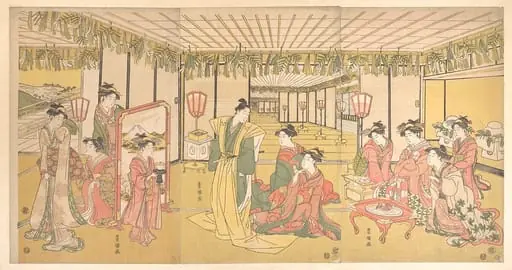 Untitled
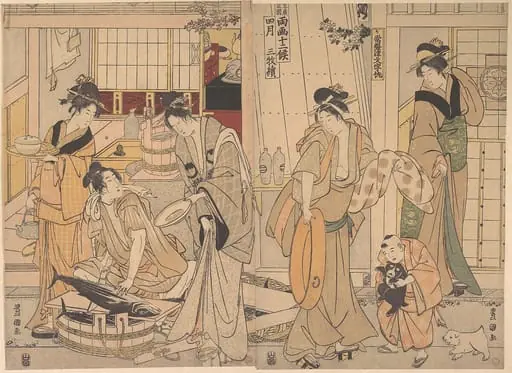 Untitled
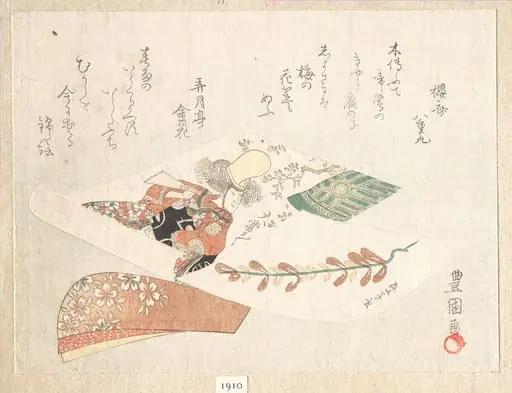 娘道成寺図の錦絵|Print of a Kabuki Dancer from the Maiden of the Dōjōji Temple (Musume Dōjōji)
 Untitled
 Musashi, Omi, Yamashiro, and Settsu Provinces from the series Fashionable Six Jewel Rivers (Furyu Mu Tamagawa)
 風流六玉川 山城 近江 摂津|Women and Children on the Banks of a Stream
 Untitled
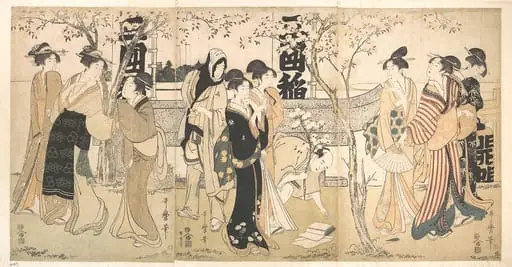 三囲神社の御開帳|Display of Treasures at Mimeguri Shrine (Mimeguri jinja no onkaichō)
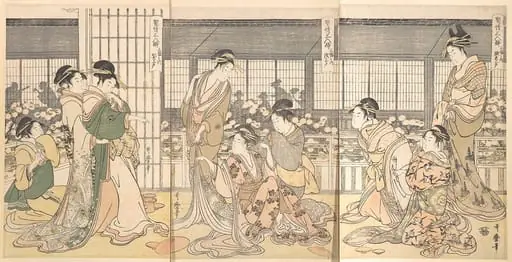 契情三人酔 三幅之内 腹立上戸 泣上戸 笑上戸|Three Intoxicated Courtesans
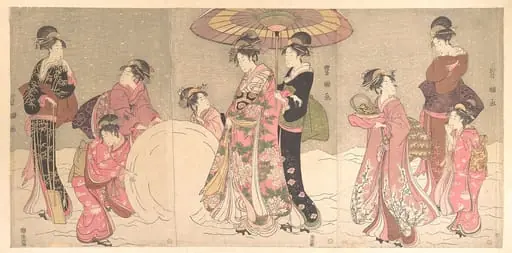 歌川豊国画 雪こかし|Courtesans and Attendants Making a Giant Snowball
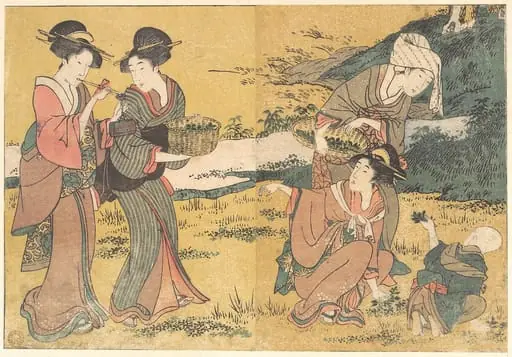 四季の花|Girls Picking Green Leaves, from the illustrated book Flowers of the Four Seasons
 Untitled
![南四季 夏景|The Four Seasons in Southern Edo: A Summer Scene (Minami shiki; Natsu [no] kei), by Utagawa Toyokuni I](https://artifactworldgallery.com/img/utagawa-toyokuni-i--the-four-seasons-in-southern-edo-a-summer-scene-minami-shiki--de8110e8ab2ddcb5-w320.webp) 南四季 夏景|The Four Seasons in Southern Edo: A Summer Scene (Minami shiki; Natsu [no] kei)
南四季 夏景|The Four Seasons in Southern Edo: A Summer Scene (Minami shiki; Natsu [no] kei)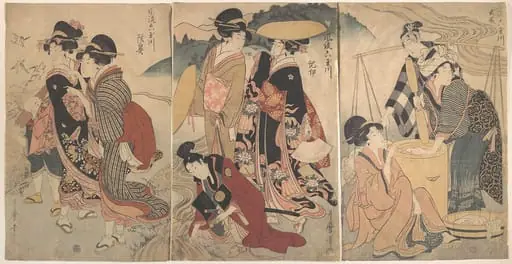 風流六玉川 武蔵 紀伊 陸奥|Women and a Man in the Country; Some pageant(?)
 Untitled
 Untitled