Artwork
Lidue Castelli di Verona, S. Pietro Felice, Veduti dal Ponte Nuovo
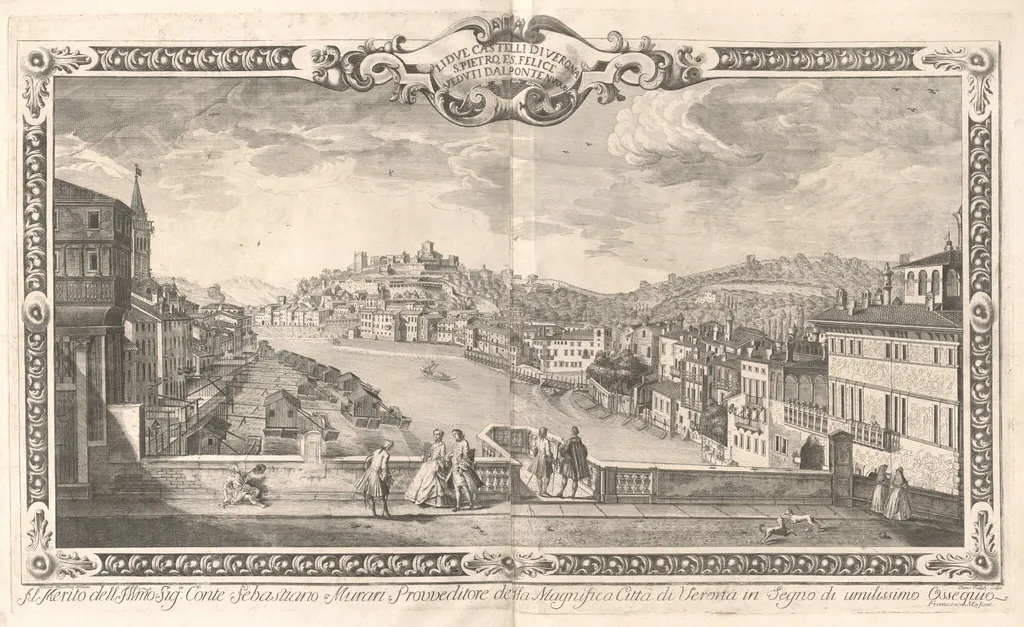
Lidue Castelli di Verona, S. Pietro Felice, Veduti dal Ponte Nuovo is an ink print by the Baroque artist Dionigi Valesio. It dates from 1747 and is held in the collection of the National Gallery of Art.
About this work
Overview
Dionigi Valesio’s 1747 etching, titled *Veduti dal Ponte Nuovo*, presents a bustling riverside vista of a European city. The composition is framed by a stone bridge, beyond which a hilltop castle and a soaring church spire dominate the skyline. Figures in period dress populate the streets and quays, while small boats drift near the water’s edge.
Subject & Meaning
The print captures everyday urban life, juxtaposing commercial activity with the serenity of the river. The presence of both pedestrian traffic and modest vessels suggests a thriving trade hub, while the distant religious and secular landmarks hint at the city’s layered social hierarchy and its reliance on both spiritual and civic authority.
Technique & Style
Executed on laid paper, the image is rendered through fine etching lines that delineate architectural details, clothing folds, and the ripples of water. Valesio’s control of line weight creates depth, with darker, denser strokes defining foreground figures and lighter, more delicate lines suggesting distant structures, a hallmark of mid‑18th‑century printmaking.
History & Provenance
The work is catalogued under the Lidue Castelli di Verona collection, attributed to the S. Pietro Felice series. Produced in the mid‑1700s, the etching reflects Valesio’s engagement with topographical subjects, a genre popular among collectors seeking visual records of notable Italian locales.
Artist & collection

![Foro Romano from "Prospectus Locurum Urbis Romae Insign[ium]", by Lievin Cruyl](https://artifactworldgallery.com/img/lievin-cruyl--foro-romano-from-prospectus-locurum-urbis-romae-insign-ium--30ee5e2aeedd53b6-w320.webp) Foro Romano from "Prospectus Locurum Urbis Romae Insign[ium]"
Foro Romano from "Prospectus Locurum Urbis Romae Insign[ium]"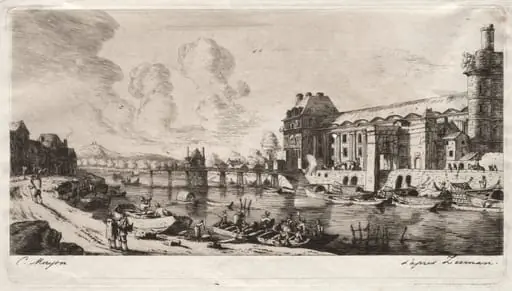 The Pavillon de Mademoiselle and part of the Louvre
![St. Angelo from "Prospectus Locurum Urbis Romae Insign[ium], by Lievin Cruyl](https://artifactworldgallery.com/img/lievin-cruyl--st-angelo-from-prospectus-locurum-urbis-romae-insign-ium--b52698c9c51ea586-w320.webp) St. Angelo from "Prospectus Locurum Urbis Romae Insign[ium]
St. Angelo from "Prospectus Locurum Urbis Romae Insign[ium]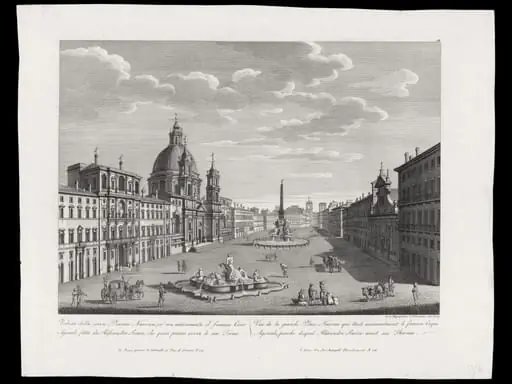 H Beard Print Collection
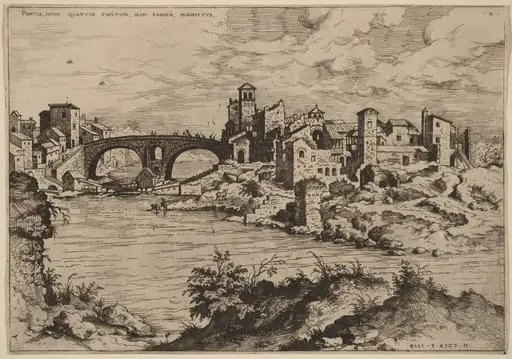 View of the Ponte Quattro Capi and the Island of the Tiber
![Il Colosseo e l'Arco di Costantino from "Prospectus Locurum Urbis Romae Insign[ium]", by Lievin Cruyl](https://artifactworldgallery.com/img/lievin-cruyl--il-colosseo-e-l-arco-di-costantino-from-prospectus-locurum-u--58cf837a9205c4ff-w320.webp) Il Colosseo e l'Arco di Costantino from "Prospectus Locurum Urbis Romae Insign[ium]"
Il Colosseo e l'Arco di Costantino from "Prospectus Locurum Urbis Romae Insign[ium]"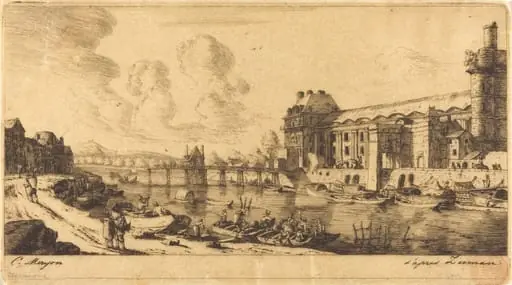 Le Pavillion de Mlle. et une partie du Louvre
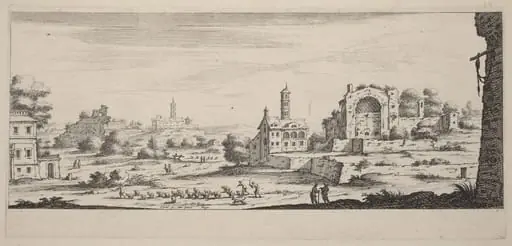 Veuë de temple de Soleil à Rome (View of the Sun Temple in Rome)
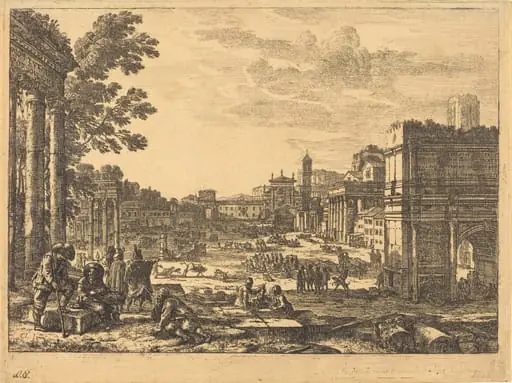 The Roman Forum (Le Campo Vaccino)
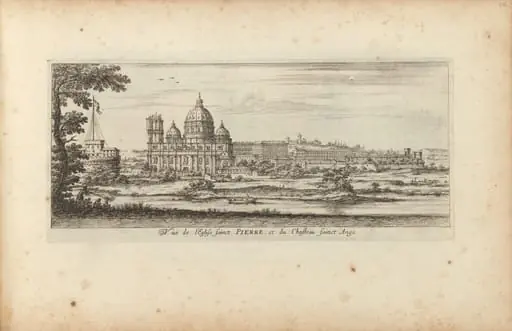 Vuë de l'Eglise sainct Pierre, et du Chasteau Sainct Ange