Artwork
Necunoscut în costum german de curte (în Reg. Inv.: Necunoscut în costum german)
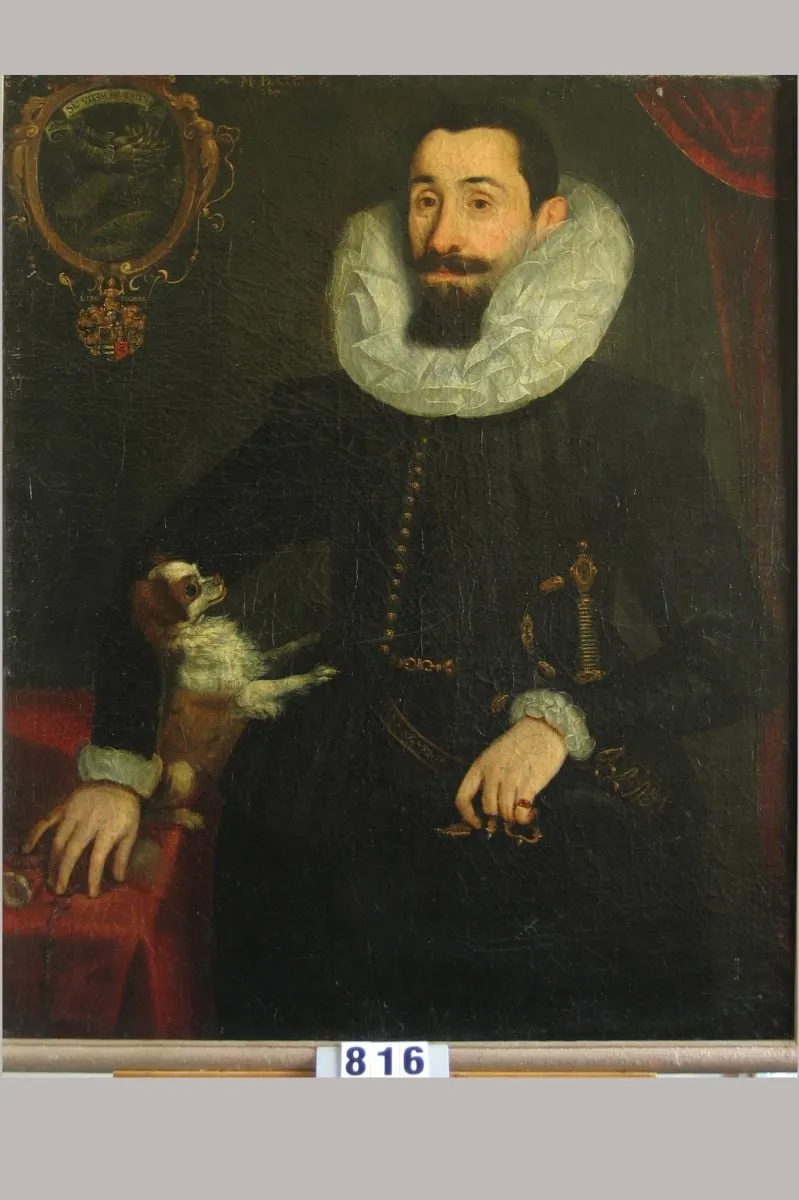
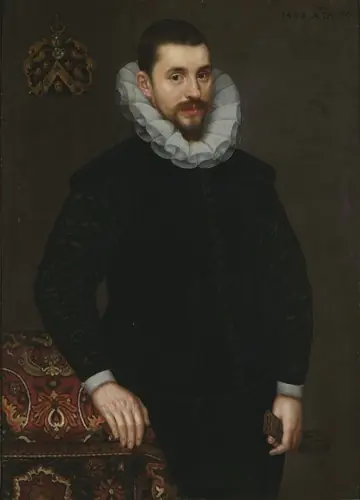
Necunoscut în costum german de curte (în Reg. Inv.: Necunoscut în costum german) is an unspecified painting by the Baroque artist Hieronymus van Kessel. It dates from 1606 and is held in the collection of the Brukenthal National Museum.
About this work
Overview
The work is cataloged under the descriptive title 'Unknown in German Court Costume,' reflecting the absence of documented identity for the sitter.
Attributed to Hieronymus van Kessel and dated 1606, this portrait depicts an unidentified man dressed in formal German court attire. The composition is tightly focused, with the figure and a small dog as the sole subjects against a deep, unmodulated background. The work is cataloged under the descriptive title 'Unknown in German Court Costume,' reflecting the absence of documented identity for the sitter.
Subject & Meaning
The man’s stern expression, trimmed beard, and elaborate white collar suggest high social standing, likely tied to the German nobility or imperial court. The presence of a coat of arms on the wall implies lineage or official status. The dog, positioned as if attentively observing its owner, may symbolize loyalty or domestic order, reinforcing themes of authority and composure typical of elite portraiture of the period.
Technique & Style
Van Kessel employs strong chiaroscuro to model the figure’s form, with light sharply defining the collar, chain, and facial features against the dark ground. The dog’s fur and the shield’s metallic surface are rendered with subtle tonal gradations, demonstrating careful observation of texture. The background’s emptiness heightens the sense of isolation, focusing attention entirely on the subject’s presence and demeanor.
History & Provenance
The painting’s early history is undocumented, and no records confirm its original commission or ownership prior to its inclusion in institutional collections. Its attribution to Hieronymus van Kessel rests on stylistic comparison with his other known works, particularly in the handling of light and detail. The work has remained in museum custody under its descriptive title, with no evidence of prior identification of the sitter.
Context
Created during the early 17th century, the portrait reflects the persistence of Northern European traditions in depicting aristocratic identity through dress, emblematic objects, and controlled expression. While Italian portraiture emphasized grandeur, German and Netherlandish artists often favored psychological restraint and symbolic detail. This work aligns with that regional preference, avoiding theatricality in favor of quiet dignity.
Legacy
Though not widely exhibited or studied, the painting serves as a quiet example of how minor Northern artists captured elite identity without naming their subjects. Its preservation underscores the value placed on costume and symbolism over individual recognition in early modern portraiture. It remains a reference point for understanding the visual language of status in Central European courts.
Artist & collection

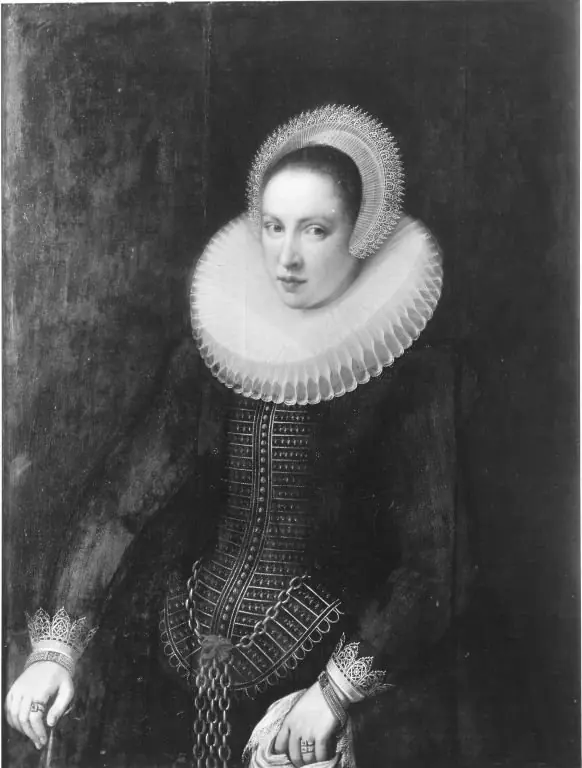
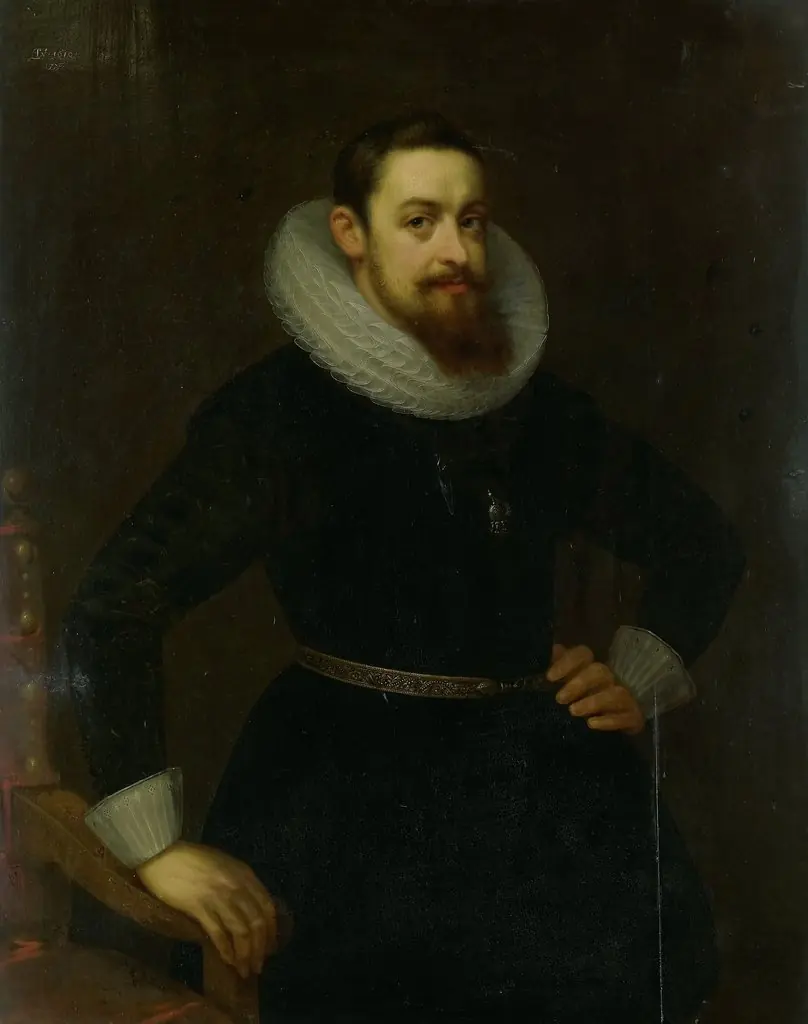 Portrait of Jeremias Boudinois
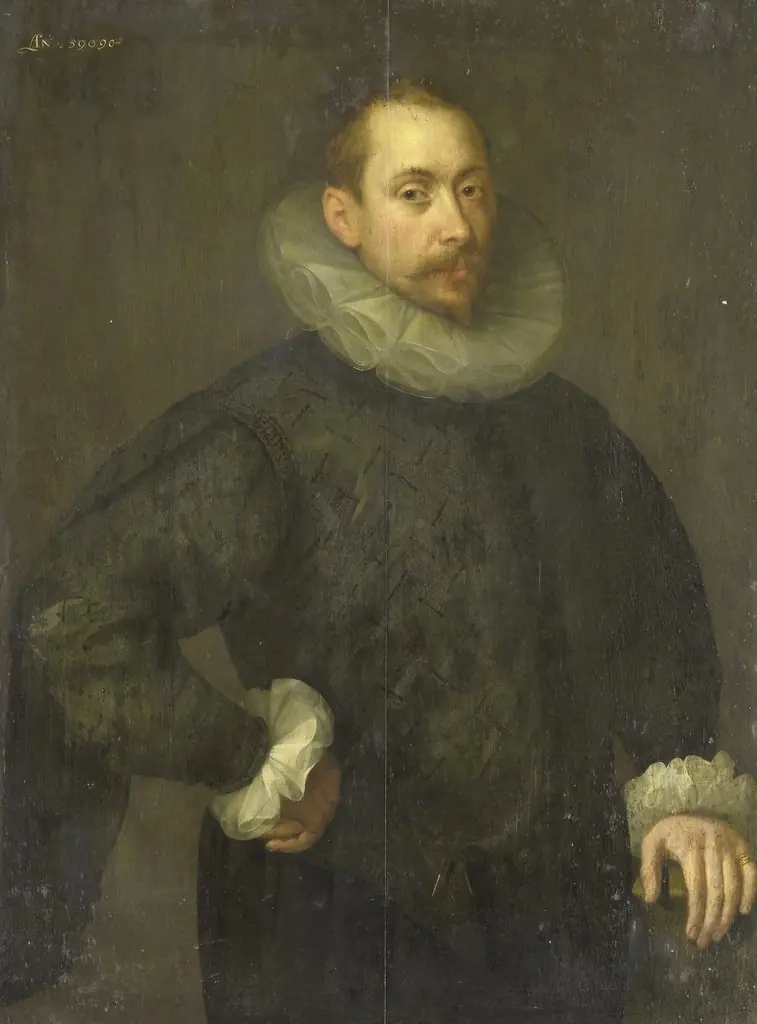 Portrait of Jean Fourmenois
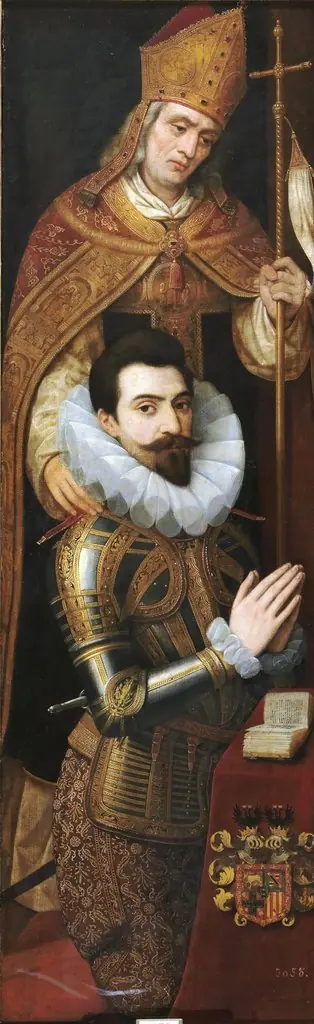 Alonso de Idiáquez duque de Ciudad Real (Cittá-Reale en Nápoles)
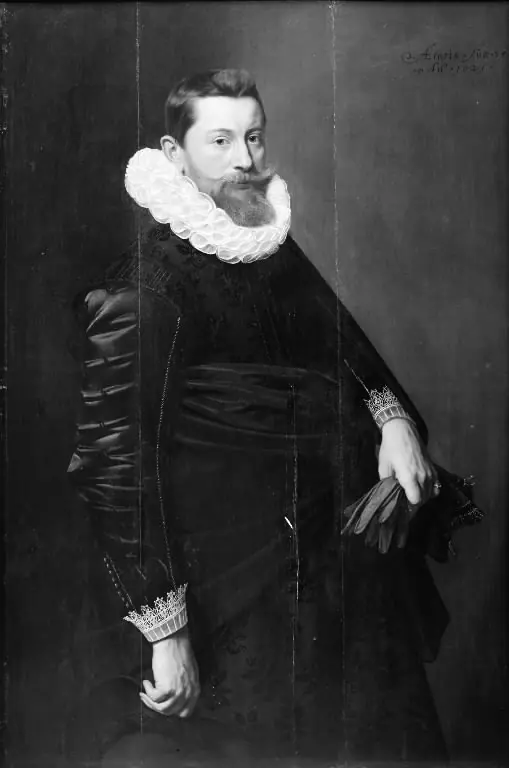 Portrait of a Gentleman
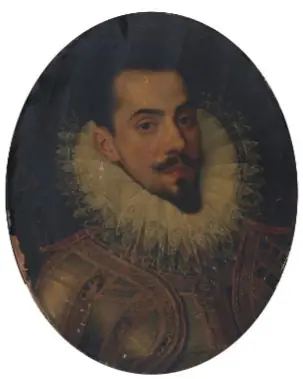 Portrait of a Gentleman in Armour
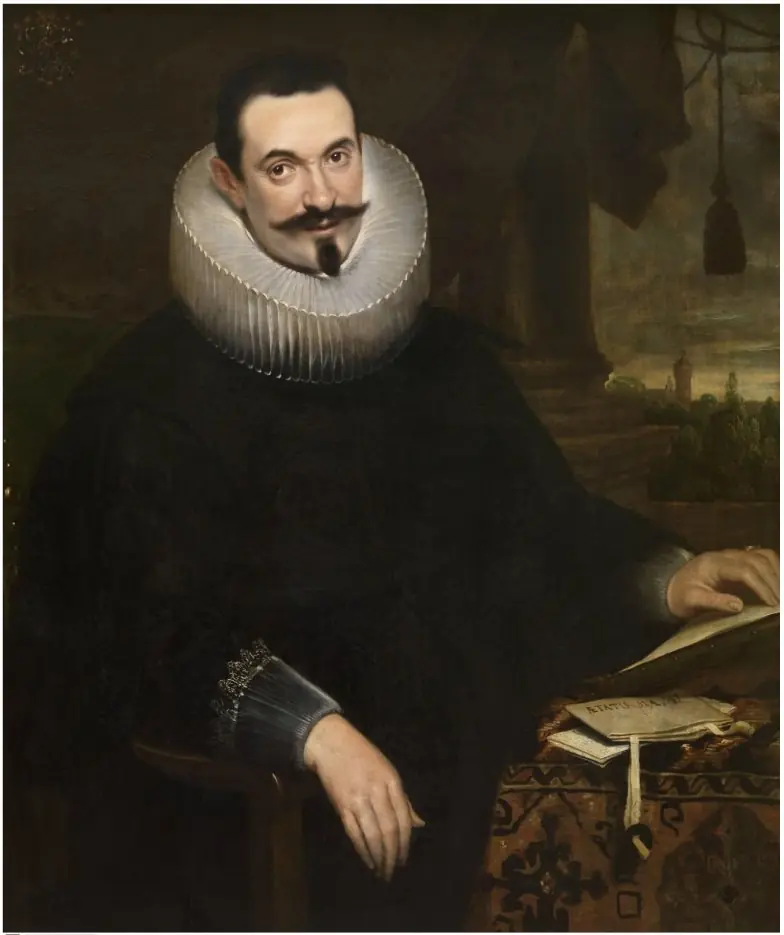 The Notary Barthel van den Berghe
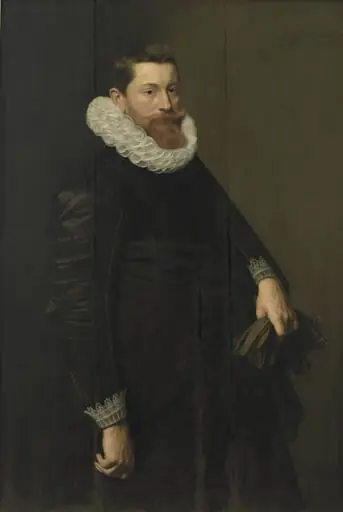 Portrait of a Gentleman
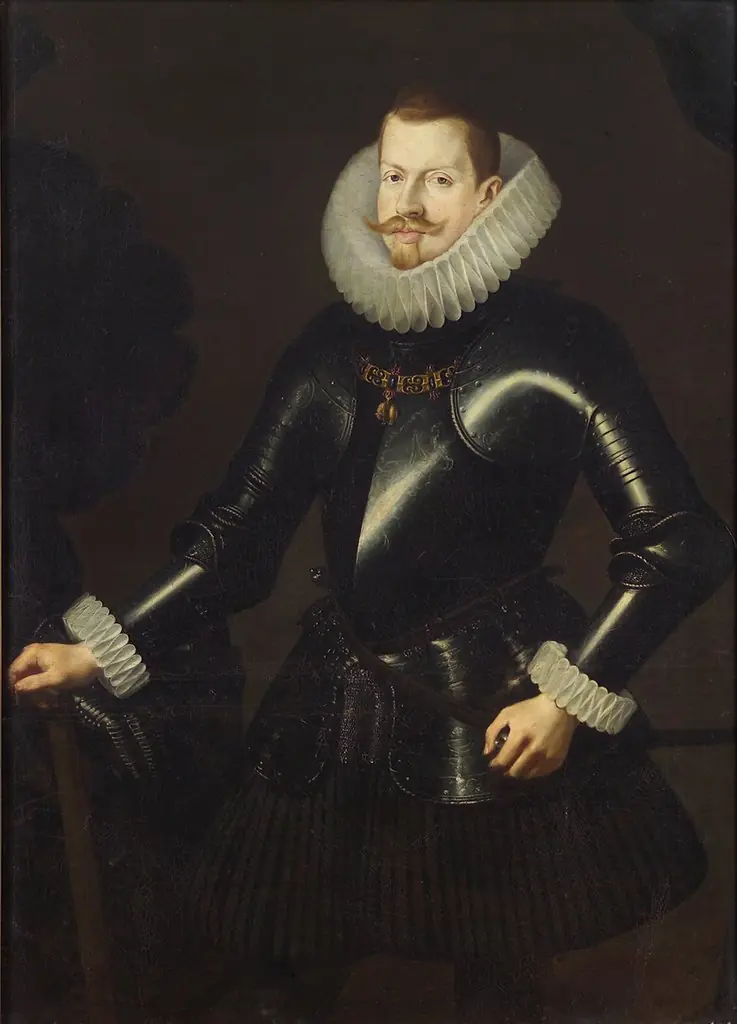 König Philipp III. von Spanien (1578-1621), Bildnis im Harnisch
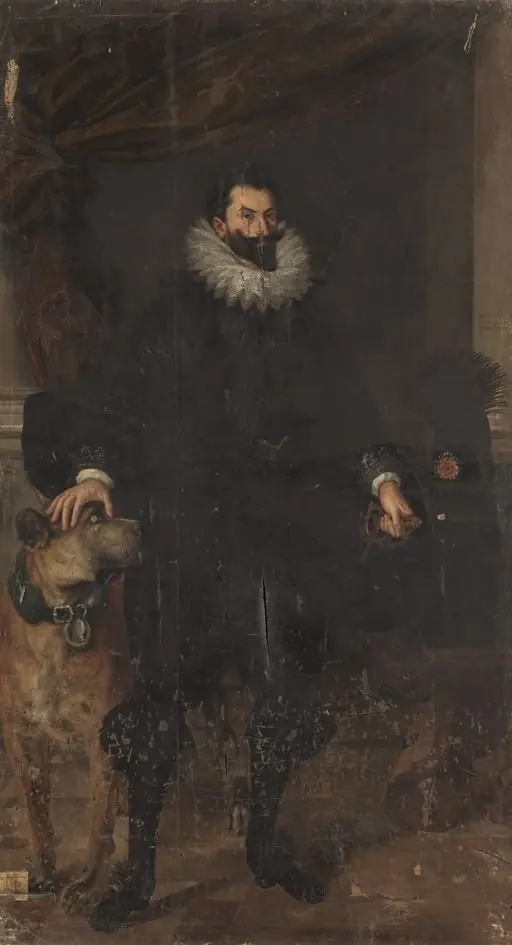 Bildnis des Herzogs Albrecht VI. von Bayern, der "Leuchtenberger" (1584-1666)
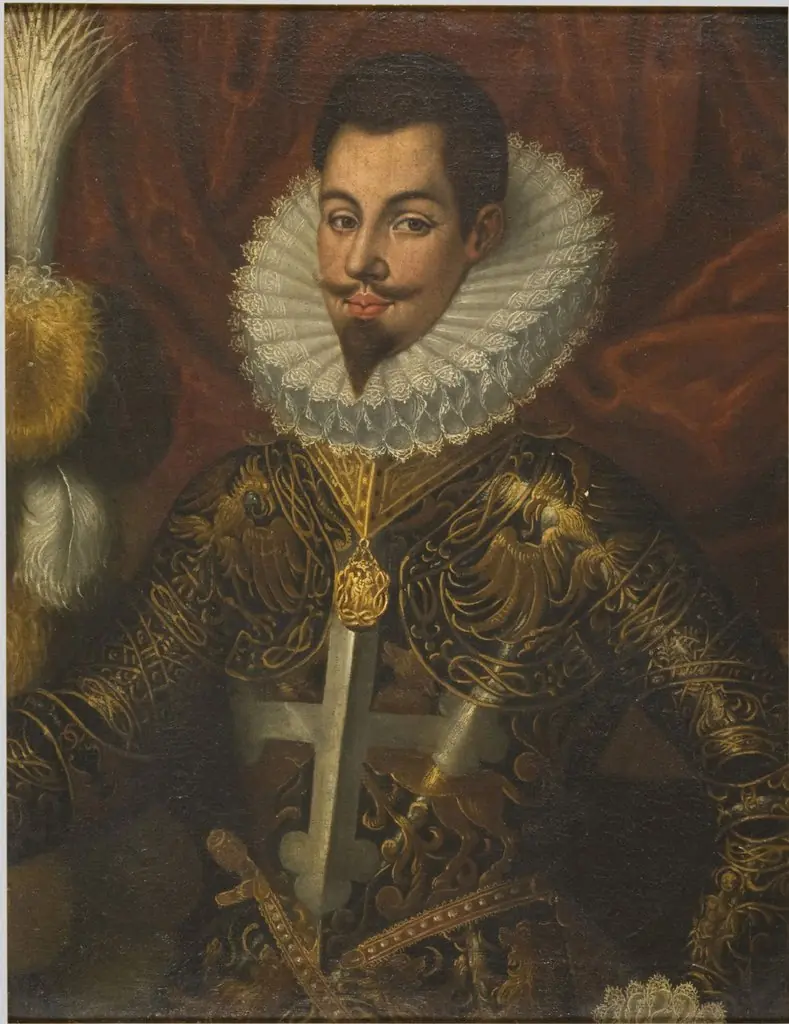 Portrait of a Man in Armor
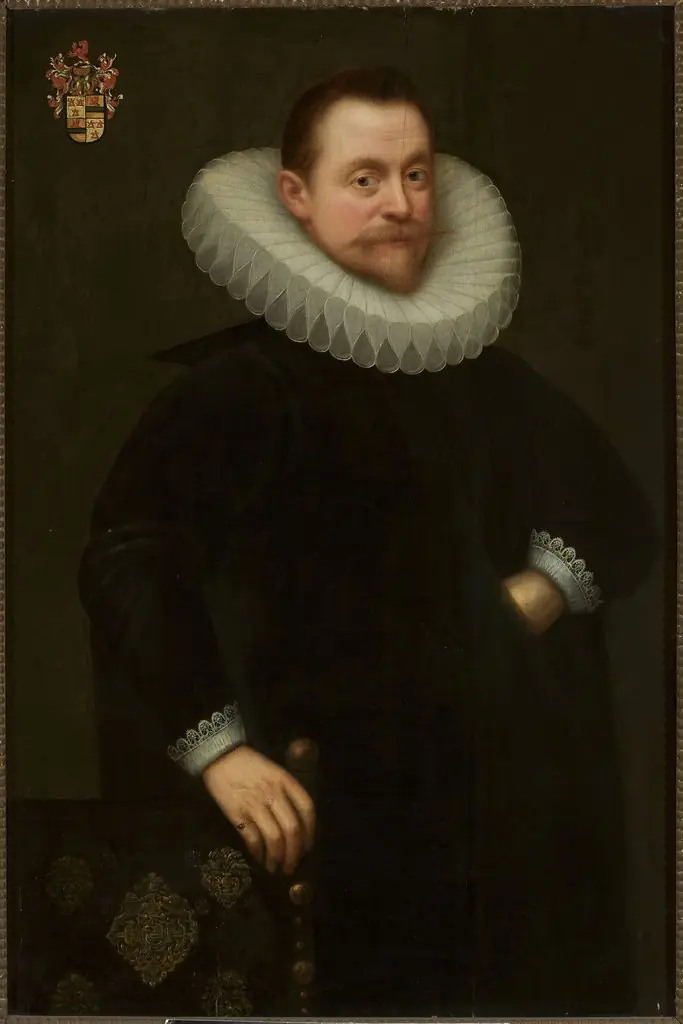 Portrait of Jacques du Mont
 Portret van Jean Charles della Faille, heer van Rijmenam