Artwork
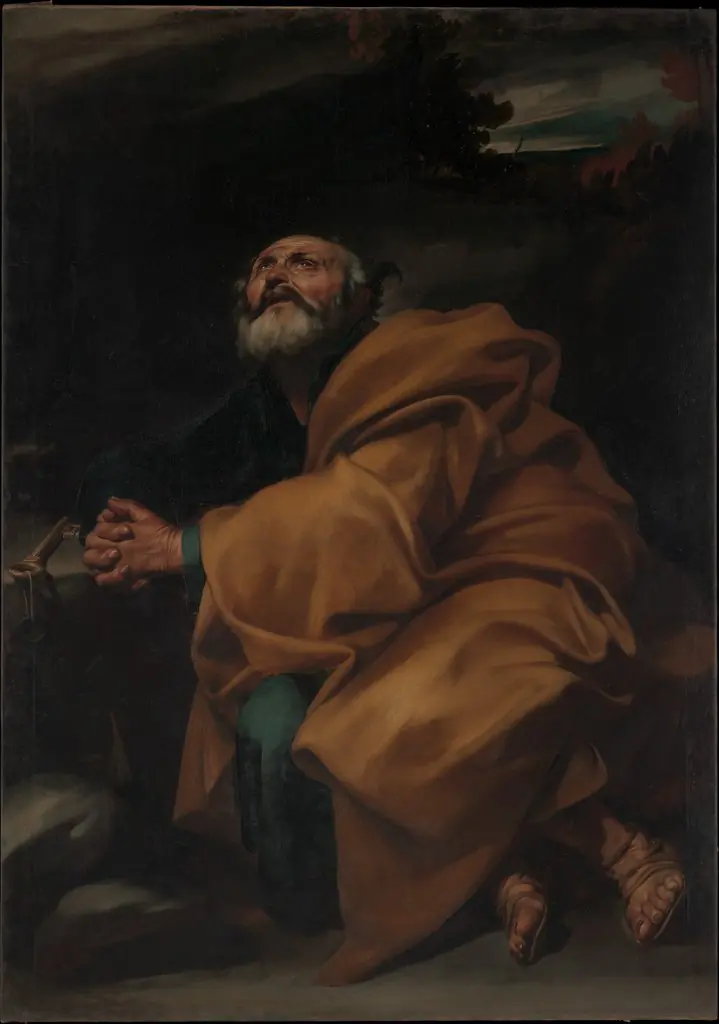
O Arrependimento de São Pedro
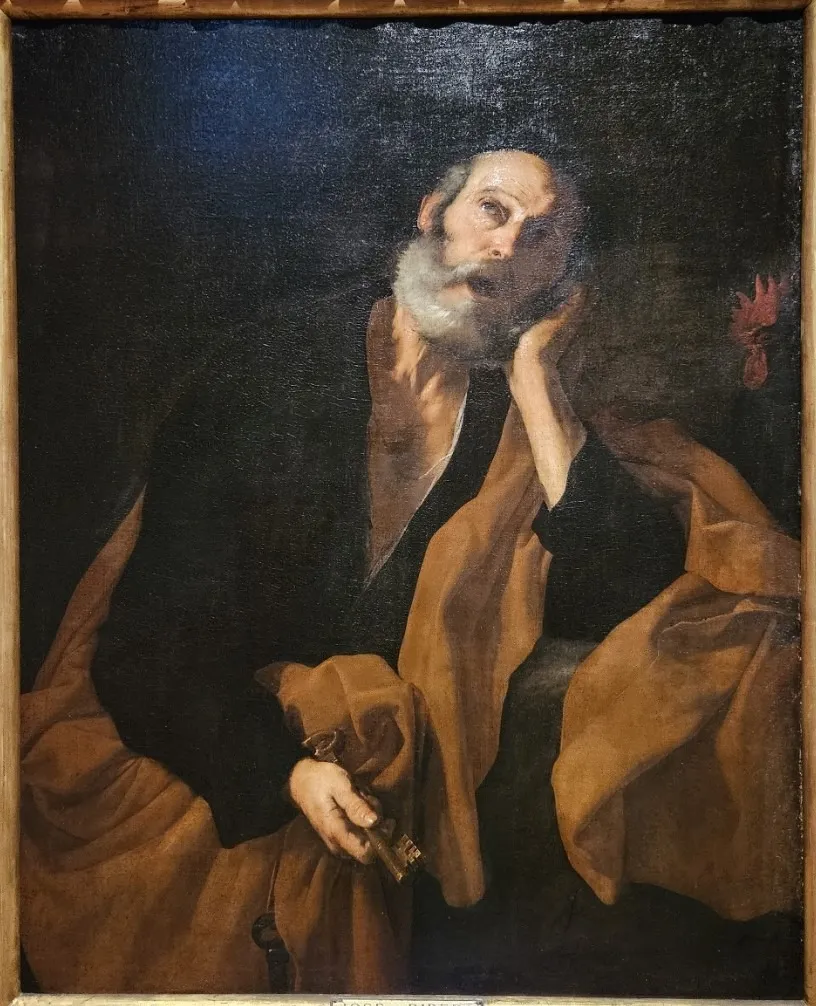
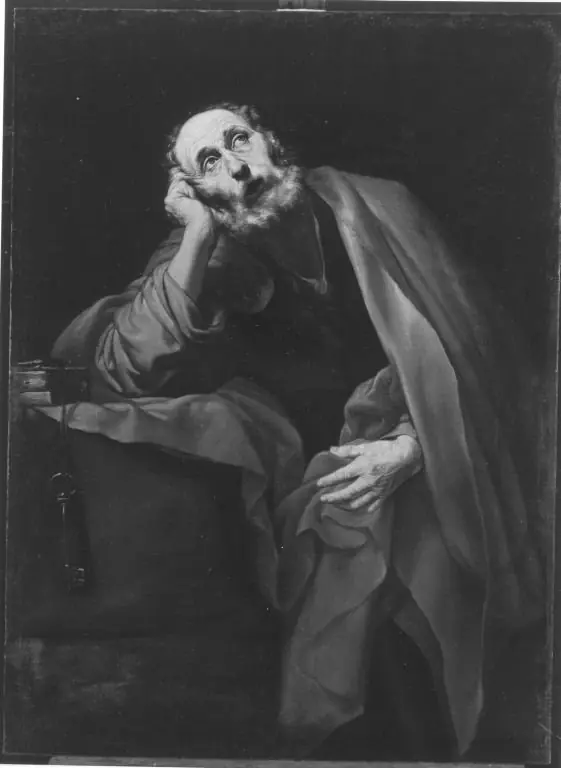
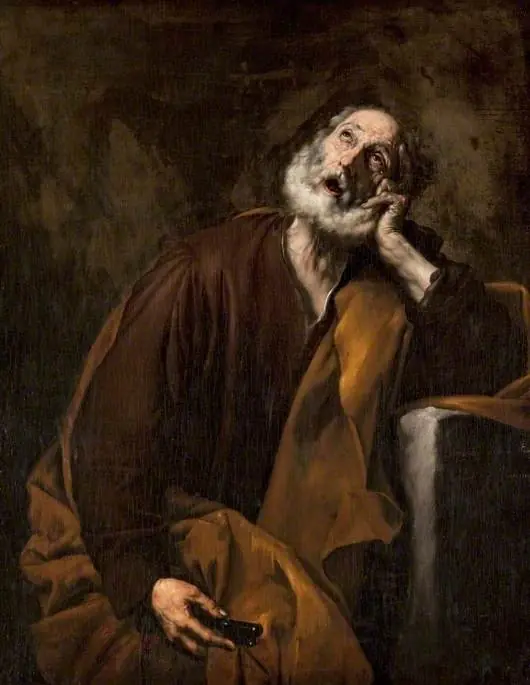
O Arrependimento de São Pedro is an unspecified painting by the Early Baroque Italian artist Jusepe de Ribera. It dates from 1626 and is held in the collection of the National Museum of Ancient Art.
About this work
Overview
Created in 1626 by the Spanish-born Baroque painter Jusepe de Ribera, this oil work portrays a solitary figure in a moment of contrition. The composition is part of the collection of Portugal’s National Museum of Ancient Art, where it is displayed among other 17th‑century European paintings.
Subject & Meaning
The central character is Saint Peter, identifiable by his white beard, the black habit, and the brown mantle draped over his shoulders. He clasps a set of keys—iconographic symbols of his papal authority—while his head rests on his hand, suggesting an introspective episode of remorse and spiritual self‑examination.
Technique & Style
Ribera employs the dramatic chiaroscuro typical of early Italian Baroque, allowing a narrow, luminous source to model Peter’s face and upper torso against an almost black backdrop. The stark contrast heightens the emotional intensity, while the loose brushwork in the cloak conveys a tactile sense of fabric.
History & Provenance
Executed during Ribera’s productive period in Naples, the painting later entered the holdings of the National Museum of Ancient Art. Its provenance traces back to private collections in the Iberian Peninsula before being acquired by the museum in the early 20th century, where it has remained in public view.
Artist & collection
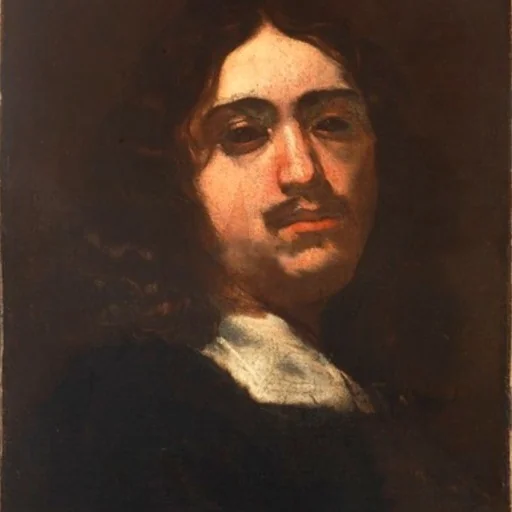
Artist
Jusepe de Ribera (Valencian: ; baptised 17 February 1591 – 3 November 1652) was a Spanish painter and printmaker.