Artwork
Part of Cader Idris and Tal-y-Llyn
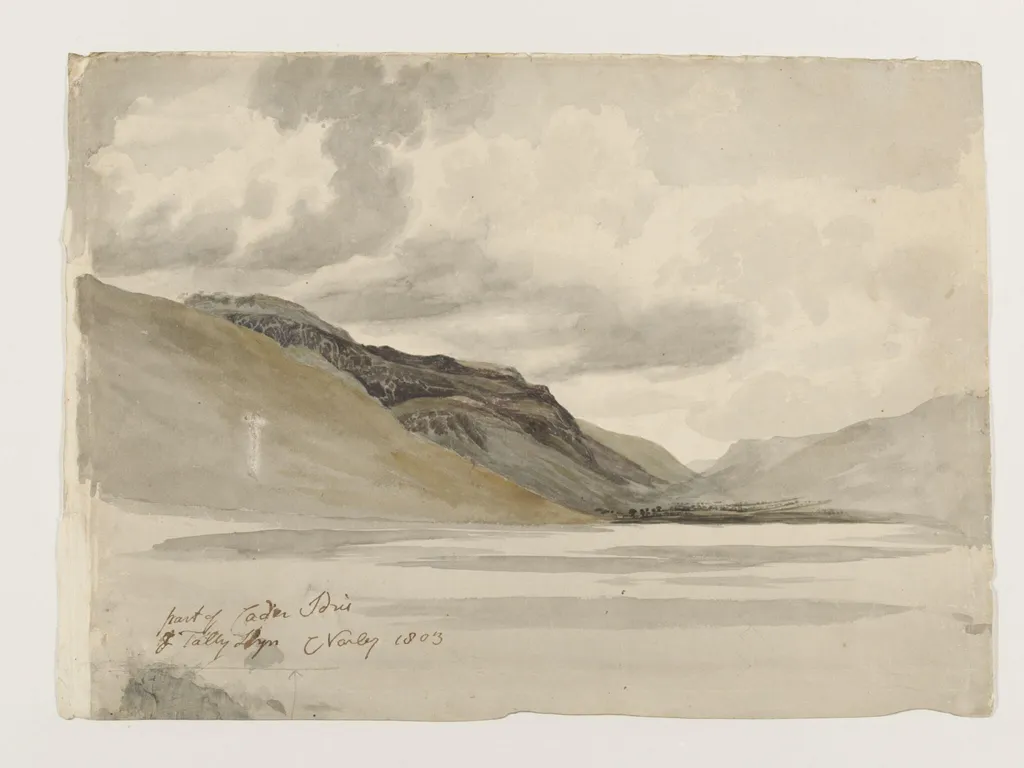
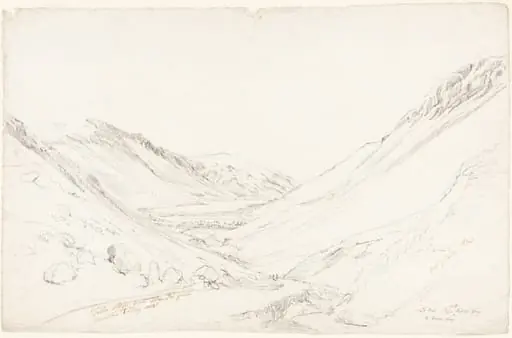
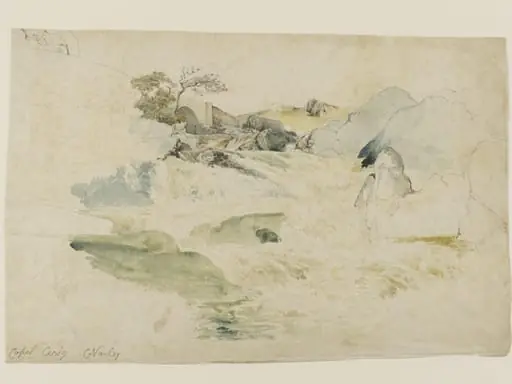
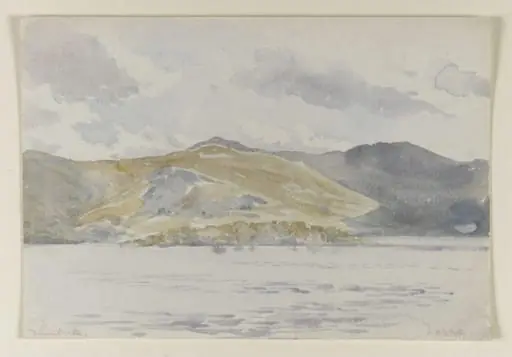
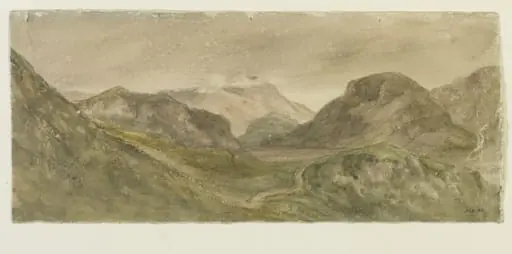
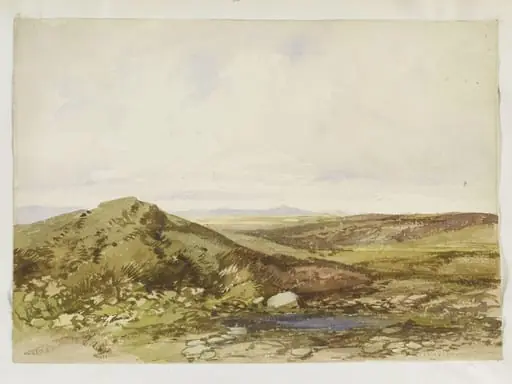
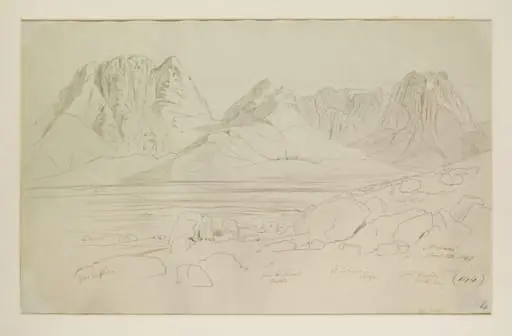
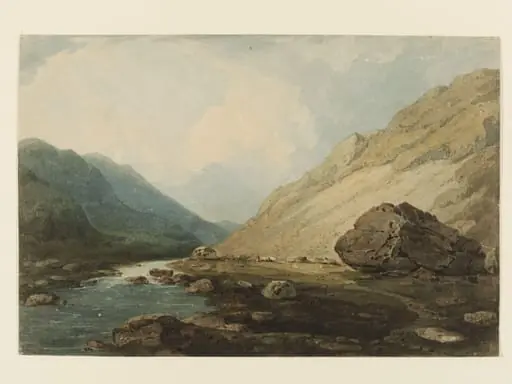
Part of Cader Idris and Tal-y-Llyn is a watercolor work on paper by the British Romanticist artist Cornelius Varley. It dates from 1803 and is held in the collection of the Victoria and Albert Museum. This watercolour captures a fragment of the Welsh landscape near Cader Idris and Tal-y-Llyn in Snowdonia.
About this work
Overview
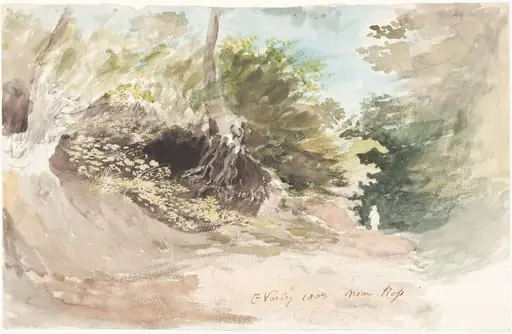
The composition focuses on a steep, rocky slope descending toward a narrow stream, with a muted sky of pale blues and whites overhead.
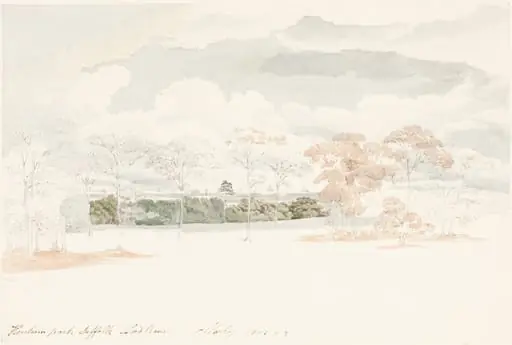
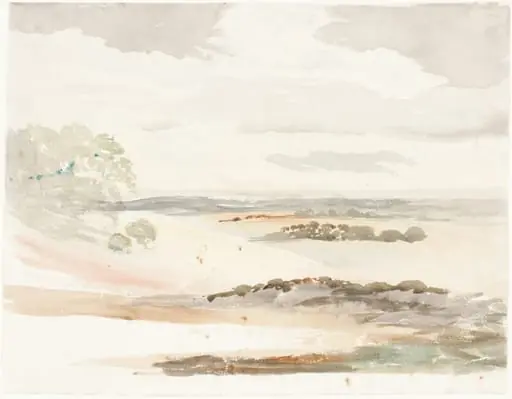
This watercolour captures a fragment of the Welsh landscape near Cader Idris and Tal-y-Llyn in Snowdonia. Executed with loose, rapid brushwork, it conveys the immediacy of an outdoor study. The composition focuses on a steep, rocky slope descending toward a narrow stream, with a muted sky of pale blues and whites overhead. The artist’s signature in the corner and the title suggest this is one segment of a broader topographical observation.
Subject & Meaning
The scene presents a quiet, unidealized stretch of upland terrain, emphasizing natural form over narrative. By labeling it 'Part of,' the artist implies the landscape is too vast to be contained in a single image, reflecting a contemplative approach to nature. There is no human presence, reinforcing a sense of solitude and the scale of the wild environment.
Technique & Style
The work employs transparent watercolour washes applied with minimal detail, suggesting direct observation from nature. Edges are soft, forms are suggested rather than defined, and the brushwork retains the spontaneity of a plein air sketch. The restrained palette and fluid handling align with early 19th-century practices that valued atmospheric effect over precision.
History & Provenance
The painting’s origin is tied to the tradition of Welsh landscape studies conducted by artists during the Romantic period. While specific ownership history is not documented, its style and subject place it within a cohort of works produced by British watercolourists exploring the rugged terrain of North Wales in the decades around 1800.
Context
Created during a time when interest in wild, untamed landscapes was growing in Britain, this piece reflects the Romantic shift away from formal gardens and classical ruins toward natural, untamed scenery. Artists increasingly traveled to remote regions like Snowdonia, seeking authenticity and emotional resonance in nature’s raw forms.
Legacy
As a modest, unassuming study, it exemplifies the quiet legacy of topographical watercolours that documented Britain’s landscapes before photography. Though not widely exhibited, such works contributed to a broader cultural appreciation of regional geographies and influenced later generations of landscape artists focused on direct observation.
Artist & collection

Artist
Cornelius Varley, FRSA (21 November 1781 – 2 October 1873) was a British painter, mostly in watercolour, printmaker and optical instrument-maker. He invented the graphic telescope and the graphic microscope.