Artwork
A Wooded Lane near Ross
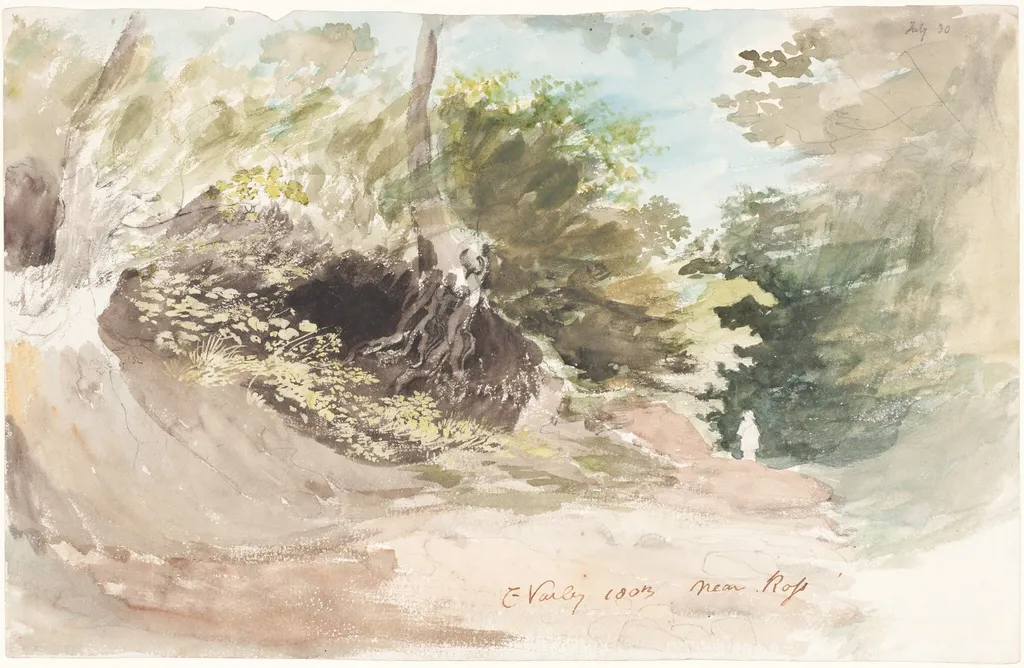
A Wooded Lane near Ross is a graphite drawing by the Romanticist artist Cornelius Varley. It dates from 1803 and is held in the collection of the National Gallery of Art.
About this work
Overview
Cornelius Varley’s 1803 drawing, *A Wooded Lane near Ross*, is executed in watercolor over a graphite underdrawing on wove paper. The composition presents a narrow country lane flanked by trees, leading the eye toward a darker central opening that suggests a concealed path or stump. The sky is rendered in a pale wash, while the foreground is suffused with warm, earthy tones.
Subject & Meaning
The work captures a tranquil rural scene, emphasizing the interplay of light and shadow within a wooded environment. The muted palette and the subtle suggestion of a hidden passage invite contemplation of the landscape’s quiet mystery, reflecting early‑19th‑century British interest in the natural world and its subtle moods.
Technique & Style
Varley employed a graphite sketch as a structural base, then built up transparent watercolor washes to model form and atmosphere. Loose, sketch‑like brushstrokes convey foliage and ground cover, while layered washes create depth and the delicate gradations of sky and earth typical of the period’s naturalistic watercolor approach.
History & Provenance
Cornelius Varley (1781–1859) was a noted British watercolorist and inventor of optical devices such as the graphic telescope. *A Wooded Lane near Ross* dates from the early phase of his career, when he focused on landscape studies. The drawing has remained in private collections before entering the museum’s holdings in the early 20th century.
Artist & collection

Artist
Cornelius Varley, FRSA (21 November 1781 – 2 October 1873) was a British painter, mostly in watercolour, printmaker and optical instrument-maker. He invented the graphic telescope and the graphic microscope.

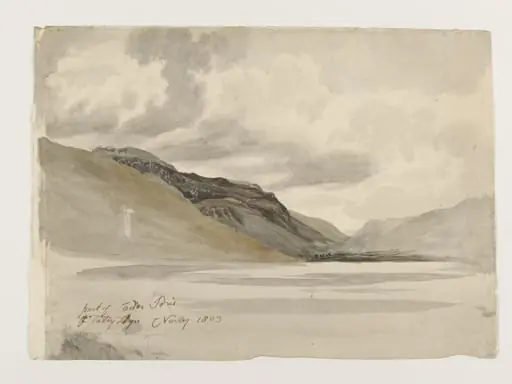
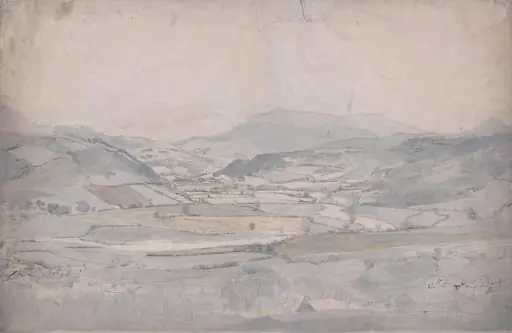
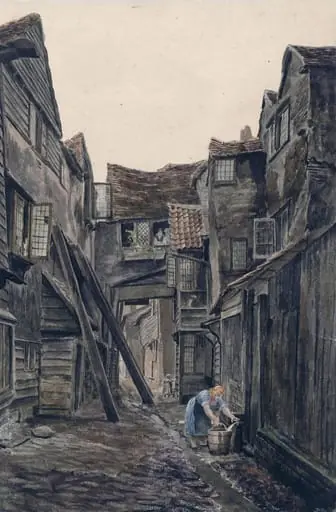
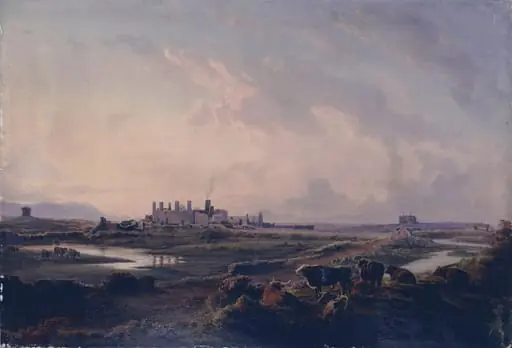
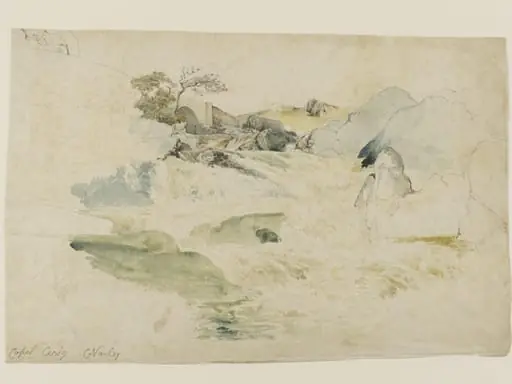
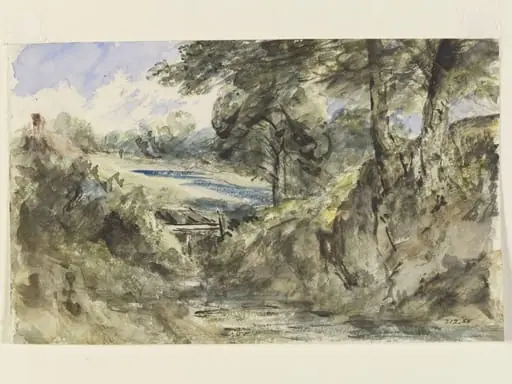 A brook with a high bank
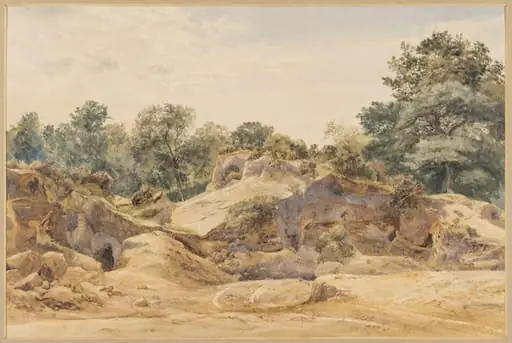 Gravel Pit at Hampstead, 1855
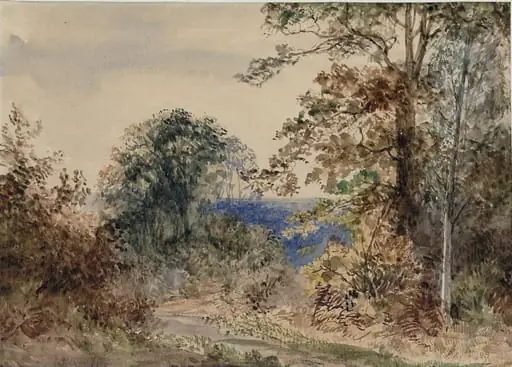 Study from Nature
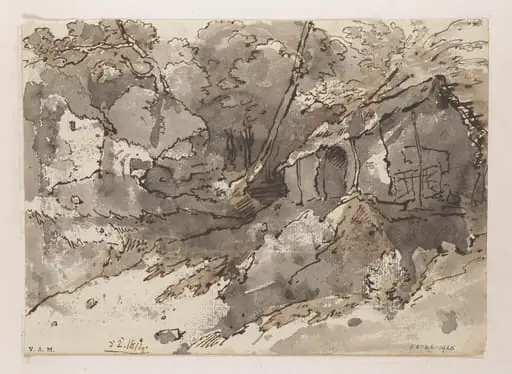 A ramshackle building amid trees and rocks, Bengal
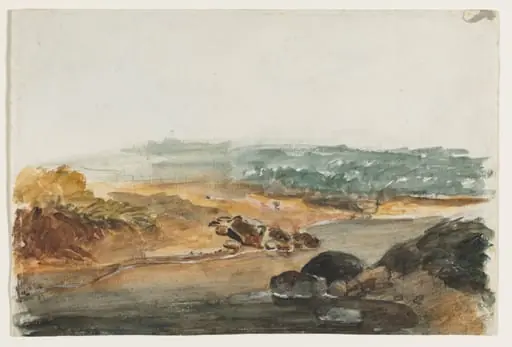 Landscape (recto)
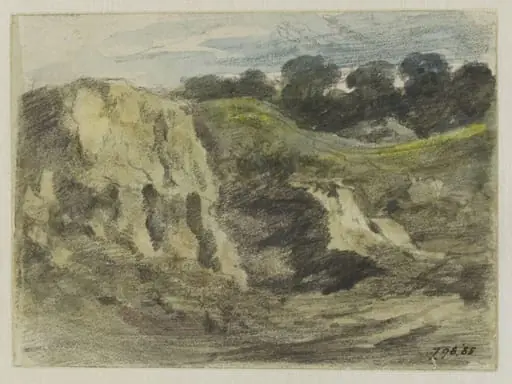 A sandbank with trees beyond
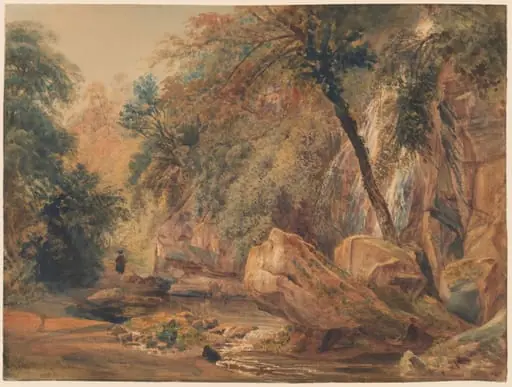 Waterfall in the Dingle at Badger Hall
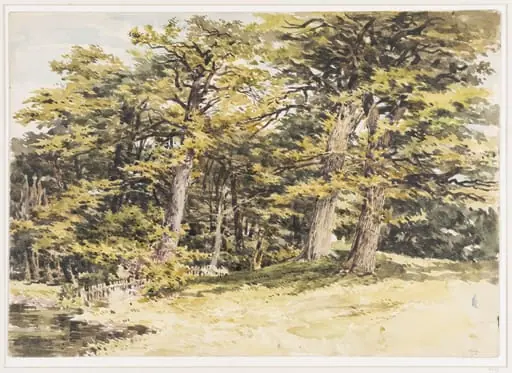 Stoke Park, Guildford
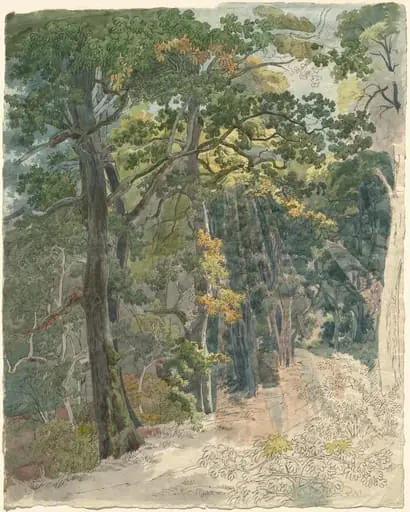 Rays of Sunlight Striking a Woodland Path
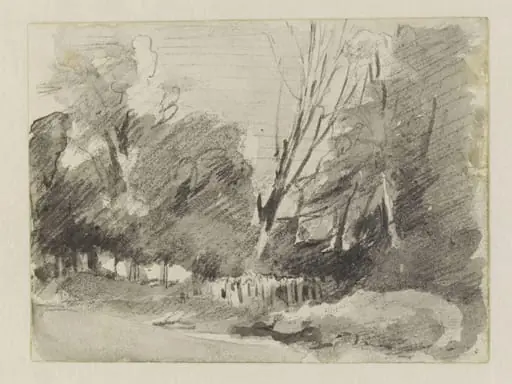 Two sketches on one sheet: a countryman walking, and a group of people beside two donkeys.
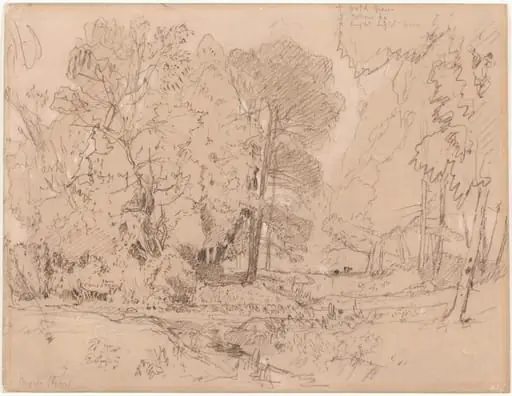 Wooded Landscape