Artwork
Queen Elizabeth
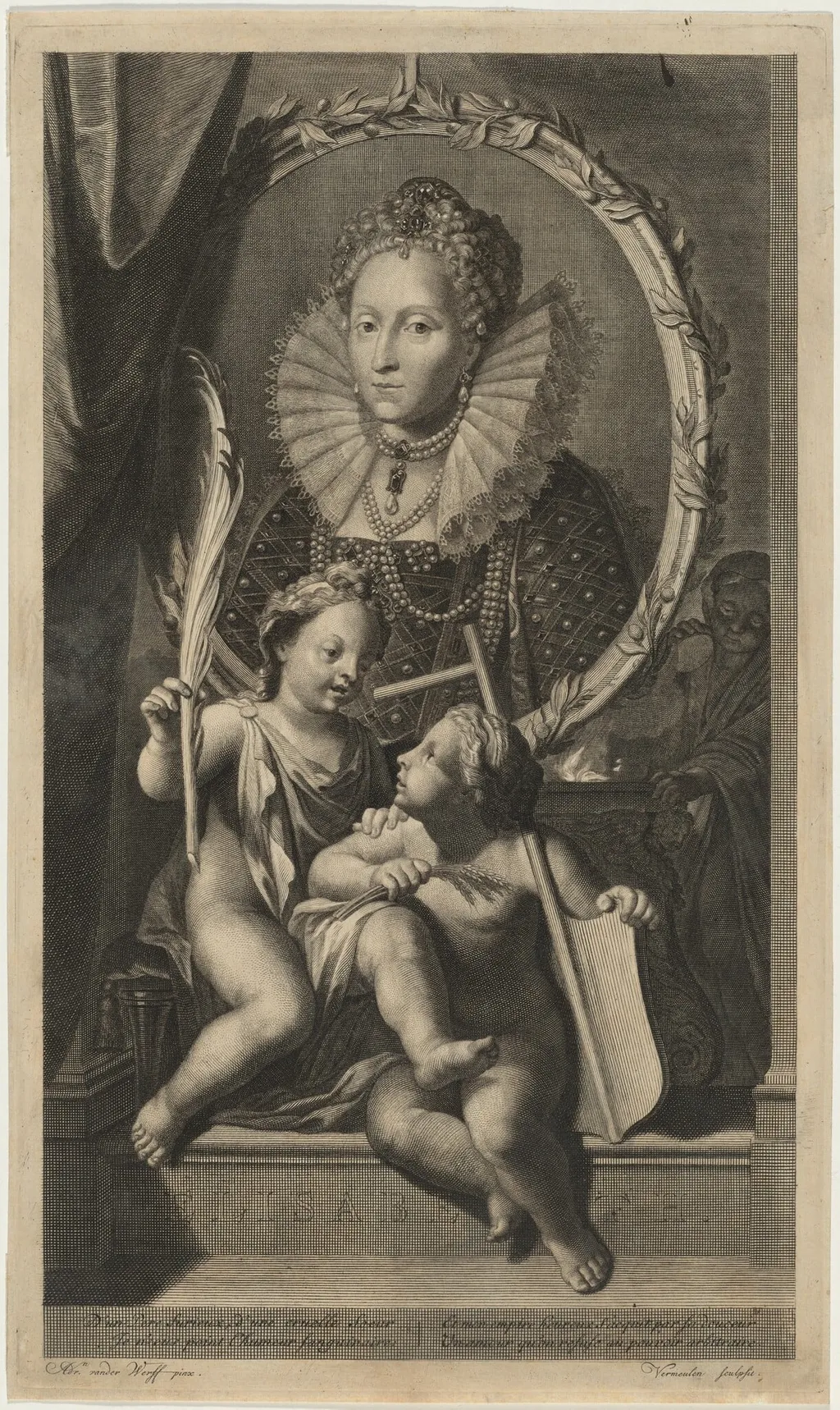
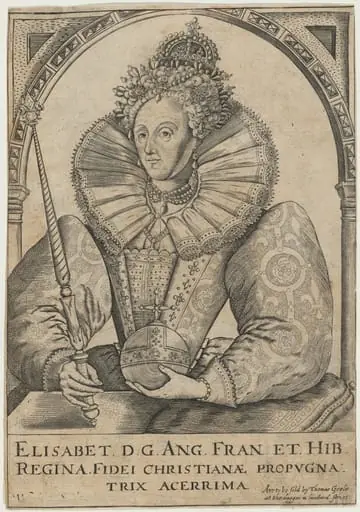
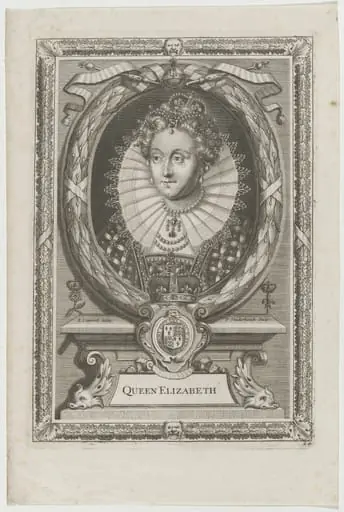
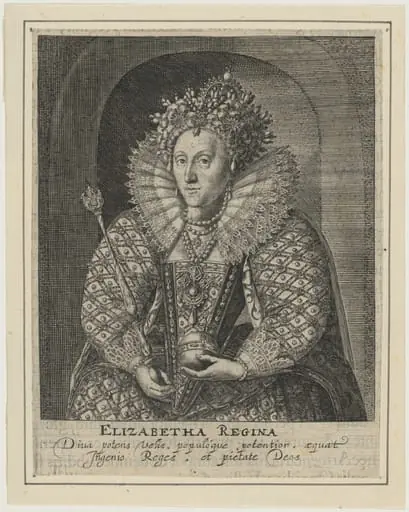
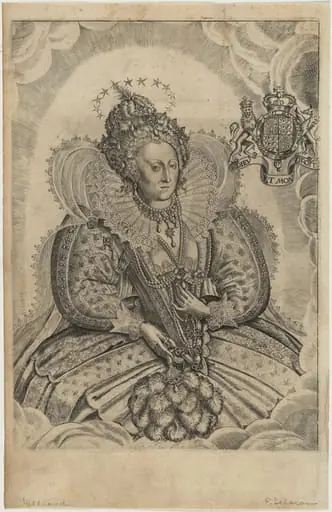
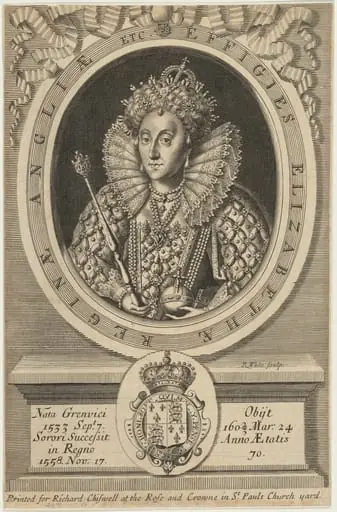
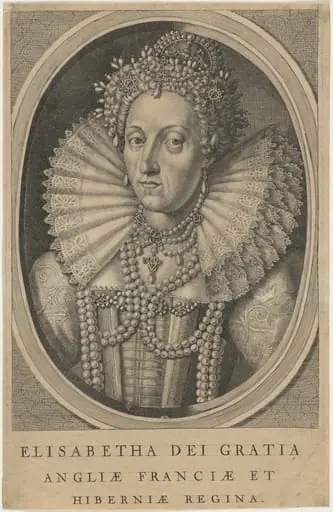
Queen Elizabeth is an ink print by the Baroque artist Cornelis Vermeulen. It dates from 1676 and is held in the collection of the National Gallery of Art.
About this work
Overview
The composition emphasizes stillness and authority, framed by ornate clothing and symbolic elements that reinforce her sovereign status.
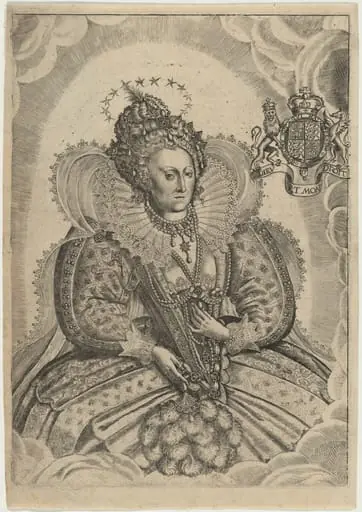
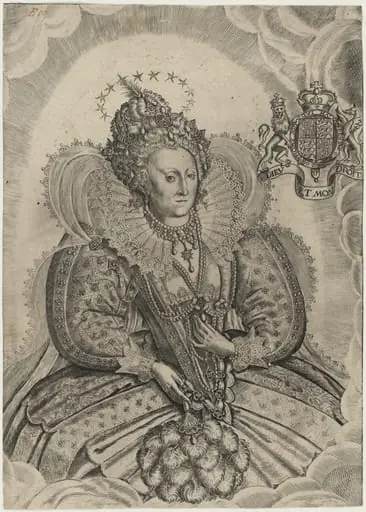
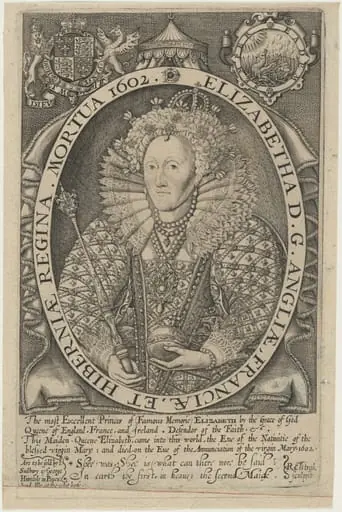
This 1676 engraving by Cornelis Vermeulen portrays a regal female figure, likely intended as Queen Elizabeth I. Rendered in fine linear detail, the image captures her seated posture with formal dignity. The composition emphasizes stillness and authority, framed by ornate clothing and symbolic elements that reinforce her sovereign status. The dark background isolates the figure, heightening the focus on her presence and attire.
Subject & Meaning
The figure is depicted with attributes of monarchy: a scepter in hand, an elaborate headdress, and a ruffled collar typical of Tudor portraiture. A cherub resting on her lap, armed with a bow and arrow, alludes to Cupid, possibly symbolizing the power of love or divine favor supporting her rule. Her calm, forward gaze conveys composure and enduring authority, aligning with idealized representations of queenship in the late 17th century.
Technique & Style
Vermeulen employed fine-line engraving to render textures with precision—delicate folds in fabric, the sheen of metal, and the soft contours of the cherub’s form. Shading is achieved through controlled cross-hatching, creating subtle depth without overt chiaroscuro. The style reflects the Northern European print tradition, where meticulous detail and symbolic clarity took precedence over dramatic lighting or emotional intensity.
History & Provenance
Created in 1676, the engraving emerged during a period when printed portraits of past monarchs were circulated to reinforce historical legitimacy. Though Elizabeth I died decades earlier, her image remained potent in political and cultural memory. Vermeulen, a Flemish artist active in London, likely produced this for an audience interested in dynastic continuity and national identity through visual heritage.
Context
In the late 17th century, England’s monarchy was navigating post-Civil War restoration and shifting notions of sovereignty. Portraits of Elizabeth I, a symbol of stability and Protestant rule, were revived in prints and literature. This engraving fits within a broader trend of reimagining Tudor figures to support contemporary claims of royal authority, blending historical reverence with Baroque-era formalism.
Legacy
Though not widely reproduced today, the engraving exemplifies how early modern printmakers preserved and reinterpreted royal imagery for new audiences. It reflects the enduring cultural resonance of Elizabeth I and the role of print in shaping historical memory. Vermeulen’s work contributes to a lineage of engraved portraiture that bridged artistic craftsmanship with political symbolism in early modern Europe.
Artist & collection