Artwork
Elizabeth, Queen of England
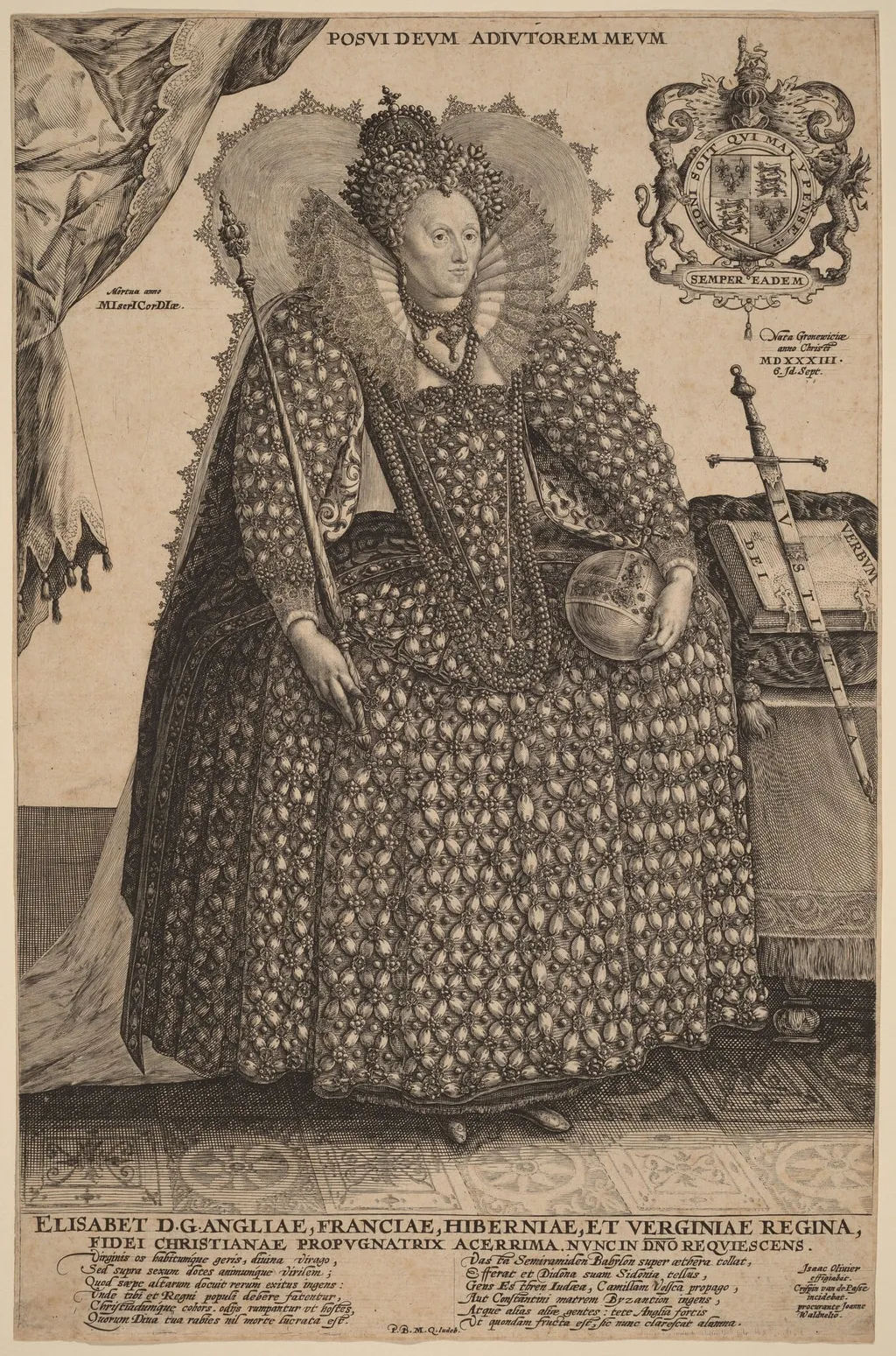
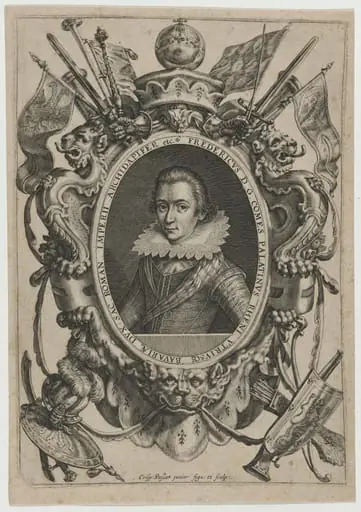
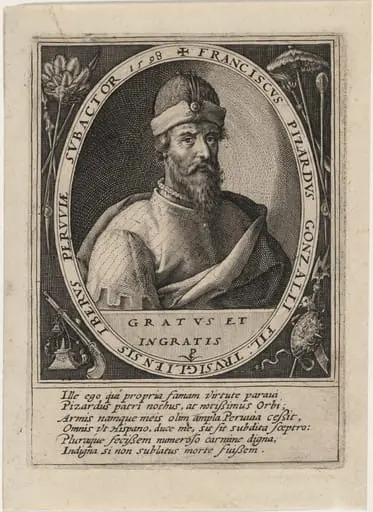
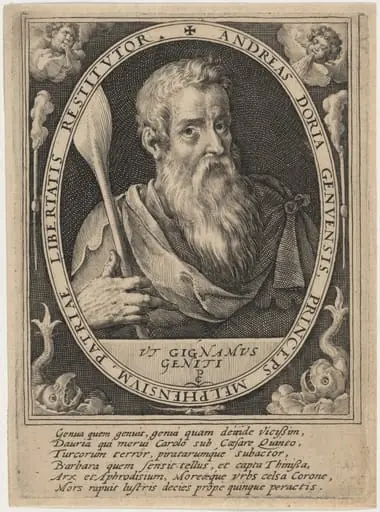
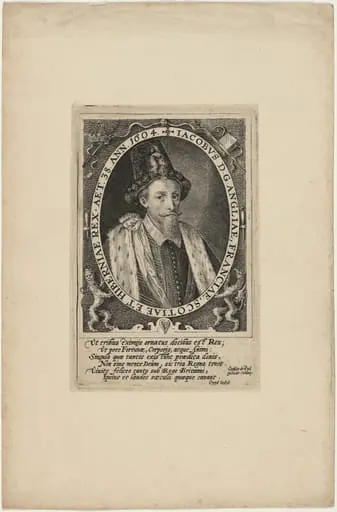
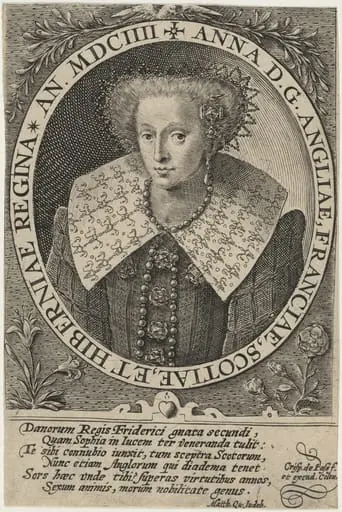
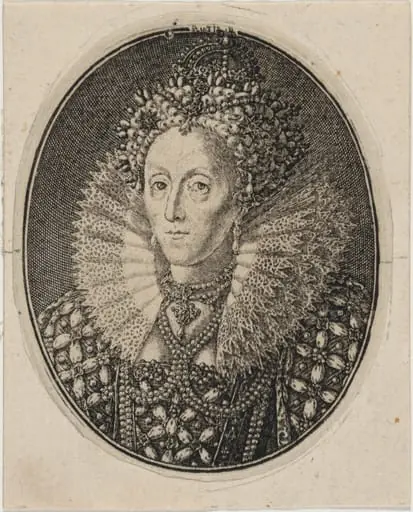
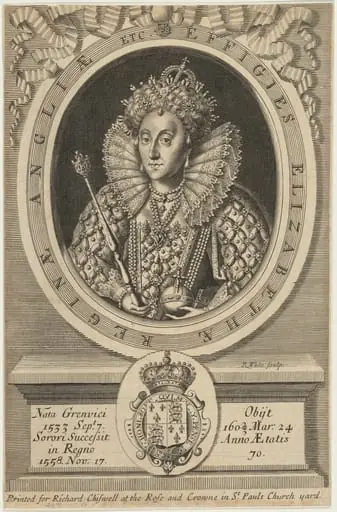
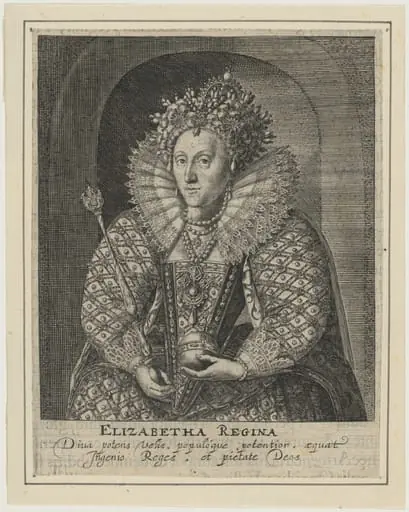
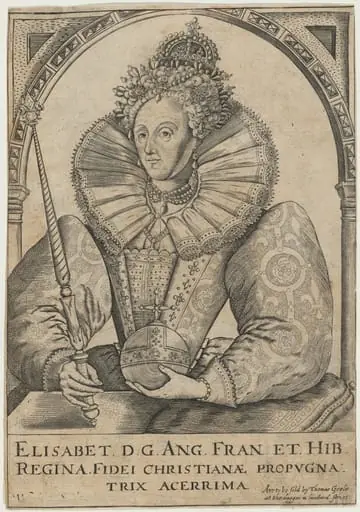
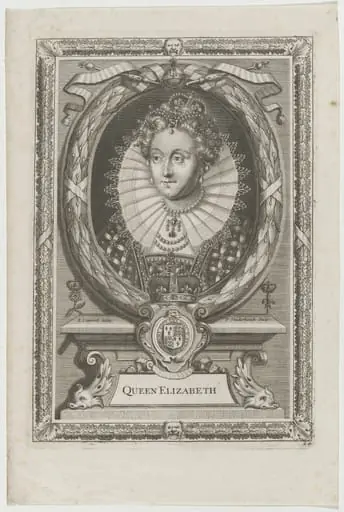
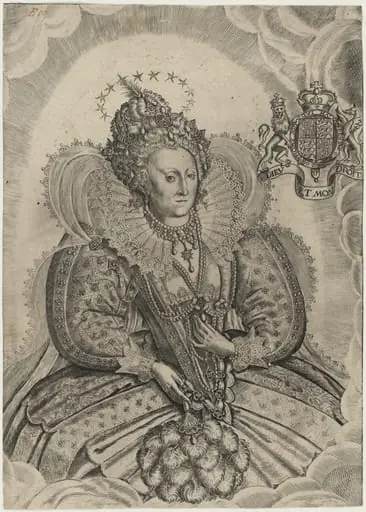
Elizabeth, Queen of England is an ink print by the Renaissance artist Crispijn van de Passe I. It dates from 1603 and is held in the collection of the National Gallery of Art.
About this work
Overview
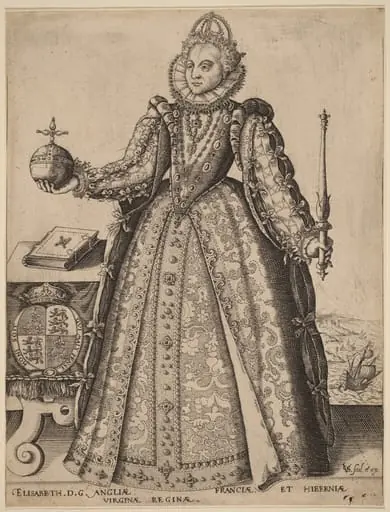
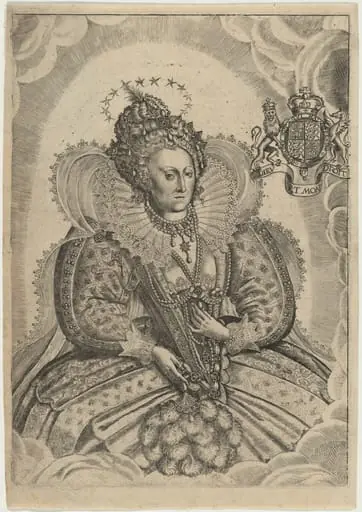
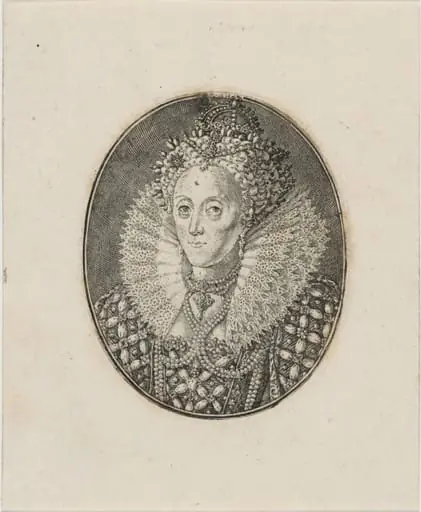
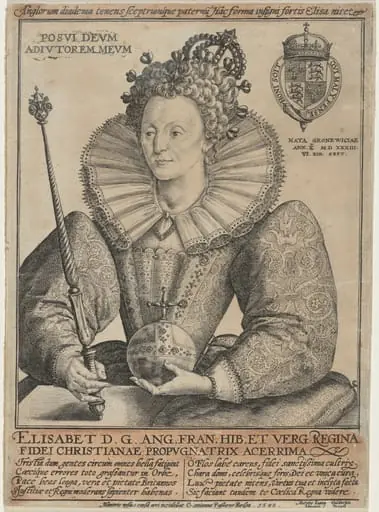
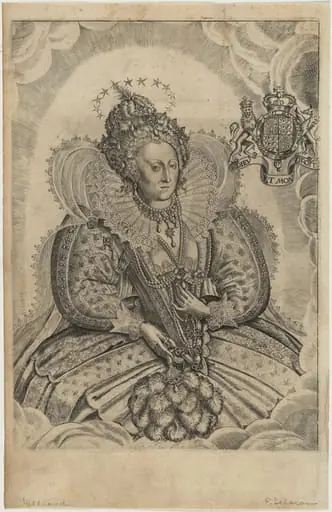
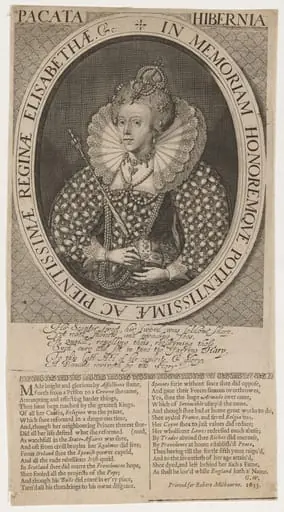
Crispijn van de Passe I produced an engraved portrait of Elizabeth I around 1603. Rendered in black and white, the print presents the monarch in elaborate attire, crowned and holding symbols of authority—a globe and a scepter—against a backdrop that includes a heraldic shield and a Latin‑inscribed banner. The work exemplifies early‑17th‑century printmaking intended for wide distribution.
Subject & Meaning
The figure is unmistakably Elizabeth I, depicted as sovereign ruler. The globe signifies her global ambitions and overseas empire, while the scepter denotes regal power. The ornate collar and jewel‑like detailing emphasize her status and the opulence of the Tudor court. The accompanying coat of arms and Latin motto reinforce the political legitimacy and divine right claimed by the queen.
Technique & Style
Van de Passe employed the engraving process, incising lines into a copper plate with a burin. Varying line density creates tonal shading, allowing the intricate textures of the dress, crown, and accessories to emerge. The crisp linear quality and fine hatching are characteristic of Northern European printmakers of the period, emphasizing detail over painterly effect.
History & Provenance
Created shortly after Elizabeth’s death in 1603, the print likely served as a commemorative image circulated among supporters of the Tudor dynasty. Copies of the engraving have appeared in several early modern collections, and the work is now held by institutions that specialize in prints and drawings, reflecting its role as a documentary portrait of the late queen.
Artist & collection

Artist
Crispijn van de Passe I (1564–1637) was an artist, born in Arnemuiden.