Artwork
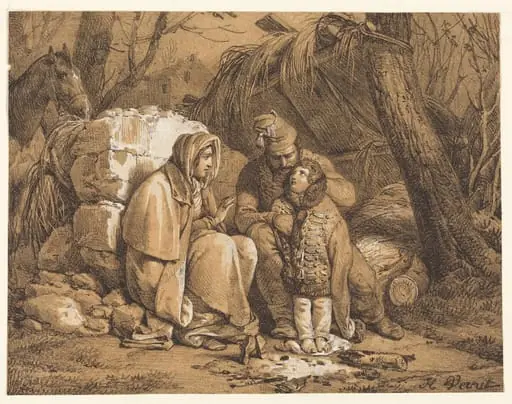
Soldier's Family Encamped
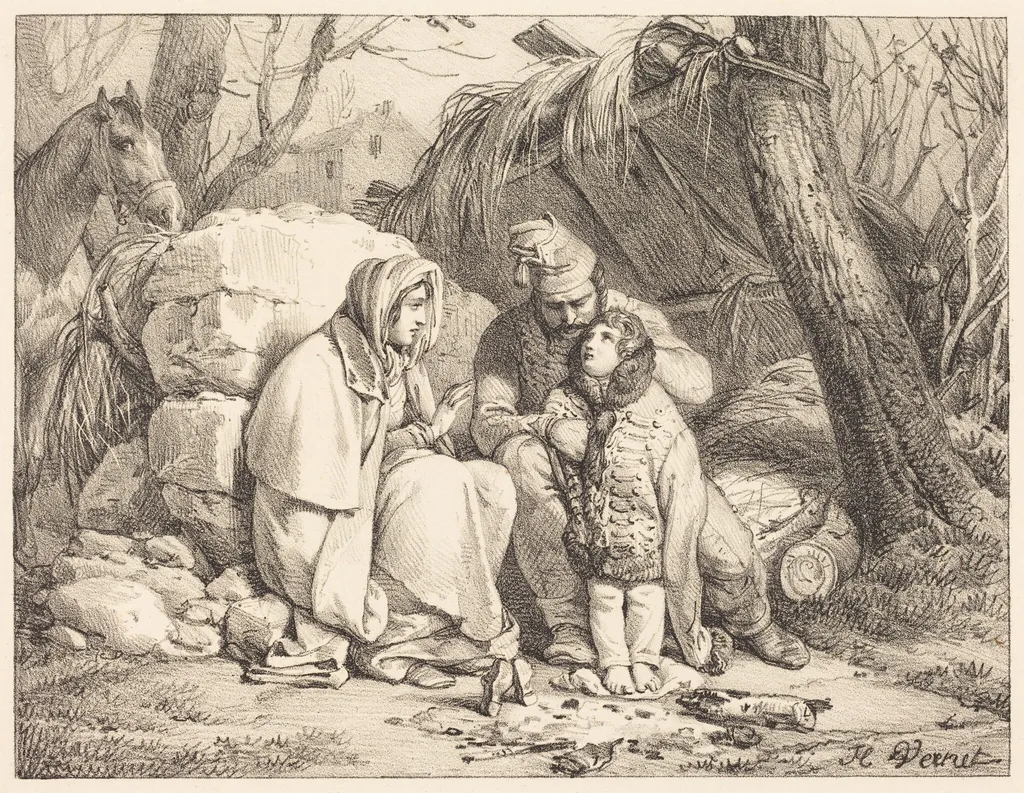
Soldier's Family Encamped is an ink print by the Romanticist artist Horace Vernet. It dates from 1818 and is held in the collection of the National Gallery of Art.
About this work
Overview
Soldier's Family Encamped is a lithograph on wove paper created by French artist Horace Vernet around 1818. The work combines Vernet's interests in military and domestic themes.
Subject & Meaning
The lithograph depicts a serene scene of a soldier, his wife, and child encamped in a wooded area. The family's quiet, contemplative poses suggest a moment of intimate reflection amidst the soldier's life.
Technique & Style
Rendered in muted browns and grays, the piece utilizes lithography to achieve a textured, depthful quality, engaging the viewer. The subdued color palette reinforces the calm atmosphere.
History & Provenance
Created circa 1818 by Horace Vernet, known for Orientalist, portrait, and battle scene works. Specific provenance details are not provided.
Context
Part of Vernet's broader exploration of military life and domesticity, reflecting early 19th-century interests in the personal aspects of soldiering.
Legacy
As a lithograph by Vernet, it contributes to the artist's body of work bridging military and family themes, though its broader impact or notable exhibitions are not detailed here.
Artist & collection
Artist
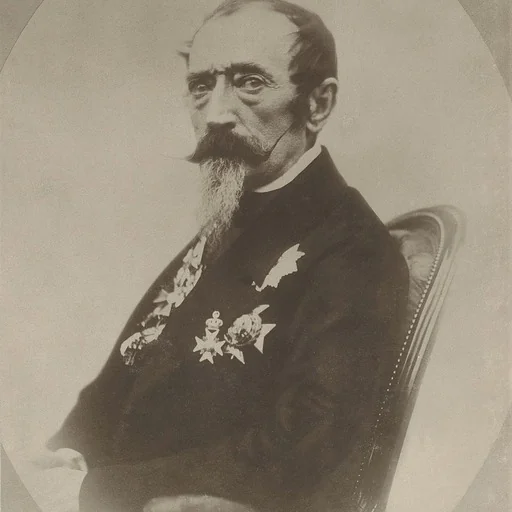
Émile Jean-Horace Vernet (French pronunciation: ; 30 June 1789 – 17 January 1863), better known as Horace Vernet, was a French painter of battles, portraits, and Orientalist subjects.

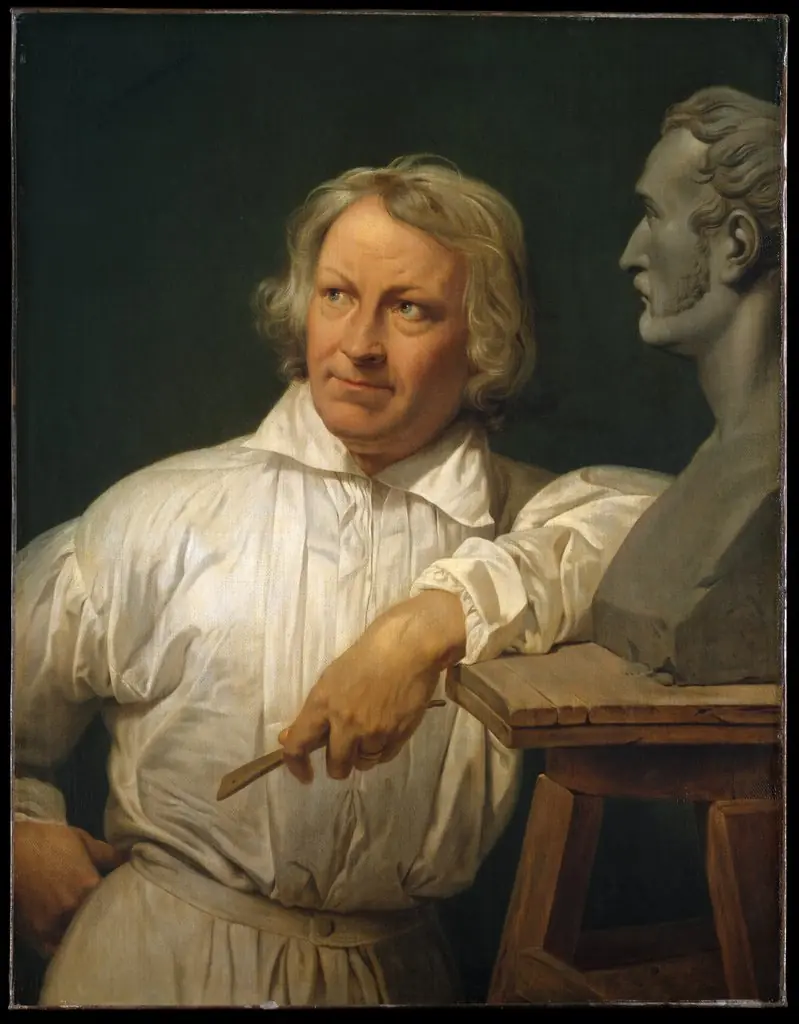 Bertel Thorvaldsen (1768–1844) with the Bust of Horace Vernet
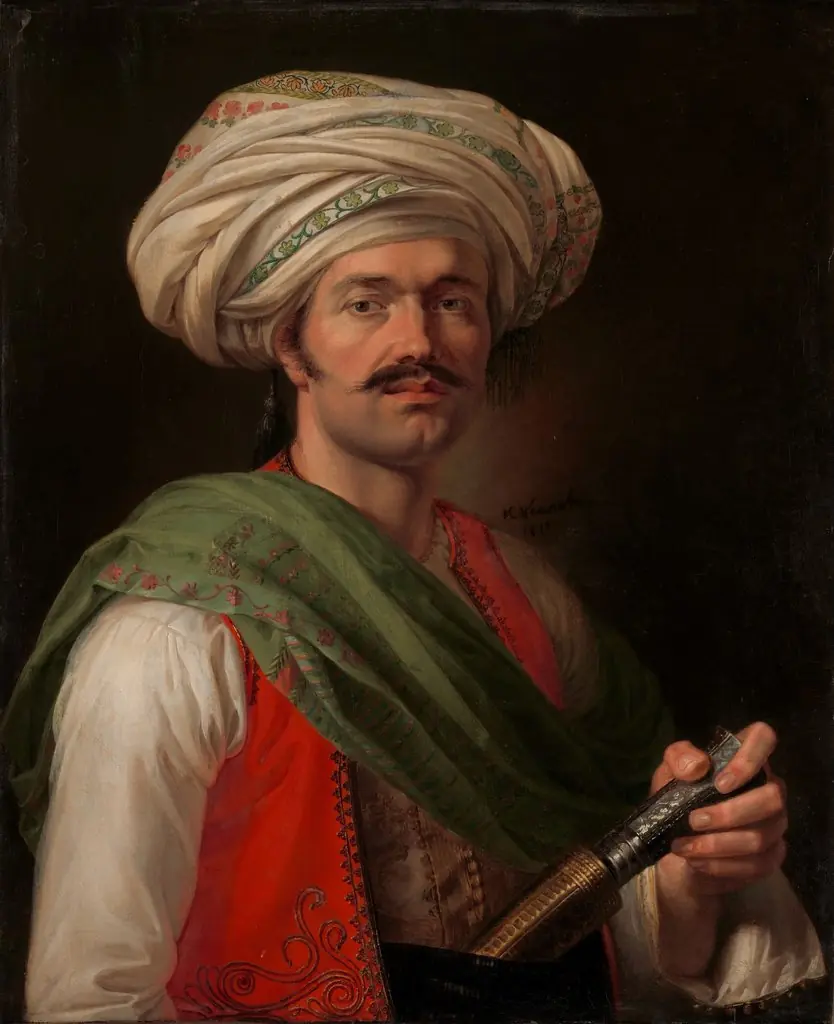 Portrait of a Mameluke, said to be Roustam Raza
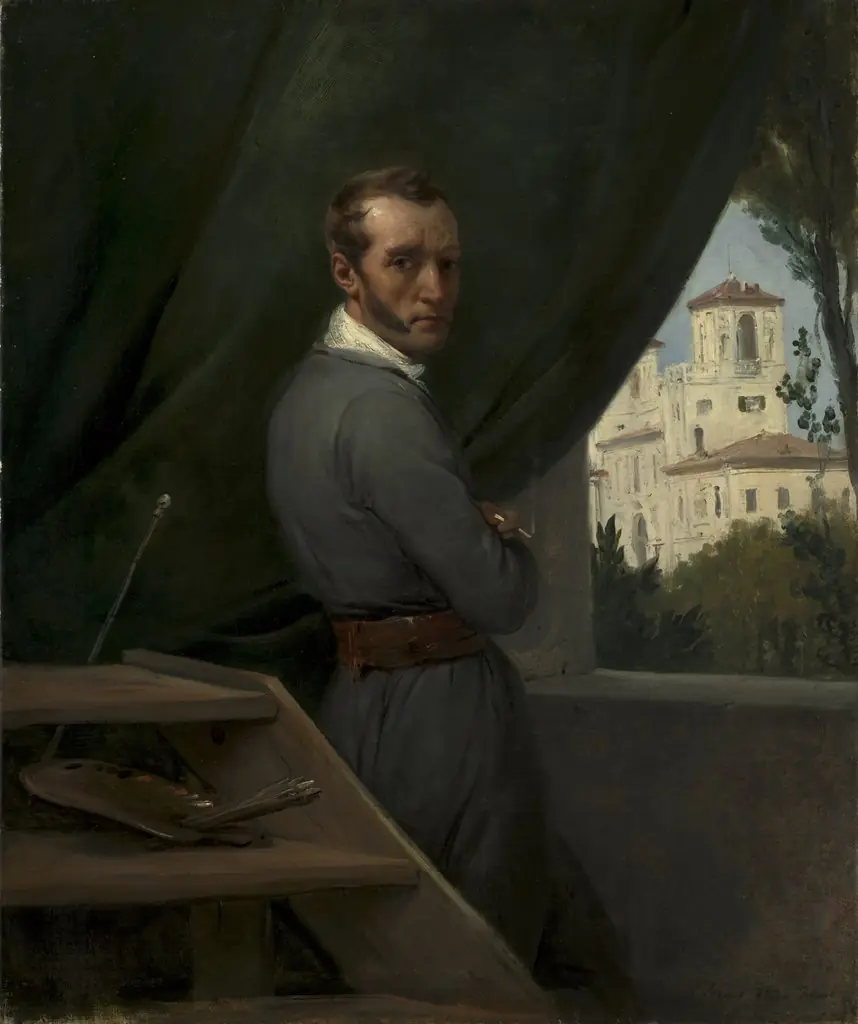 Self-Portrait in Rome
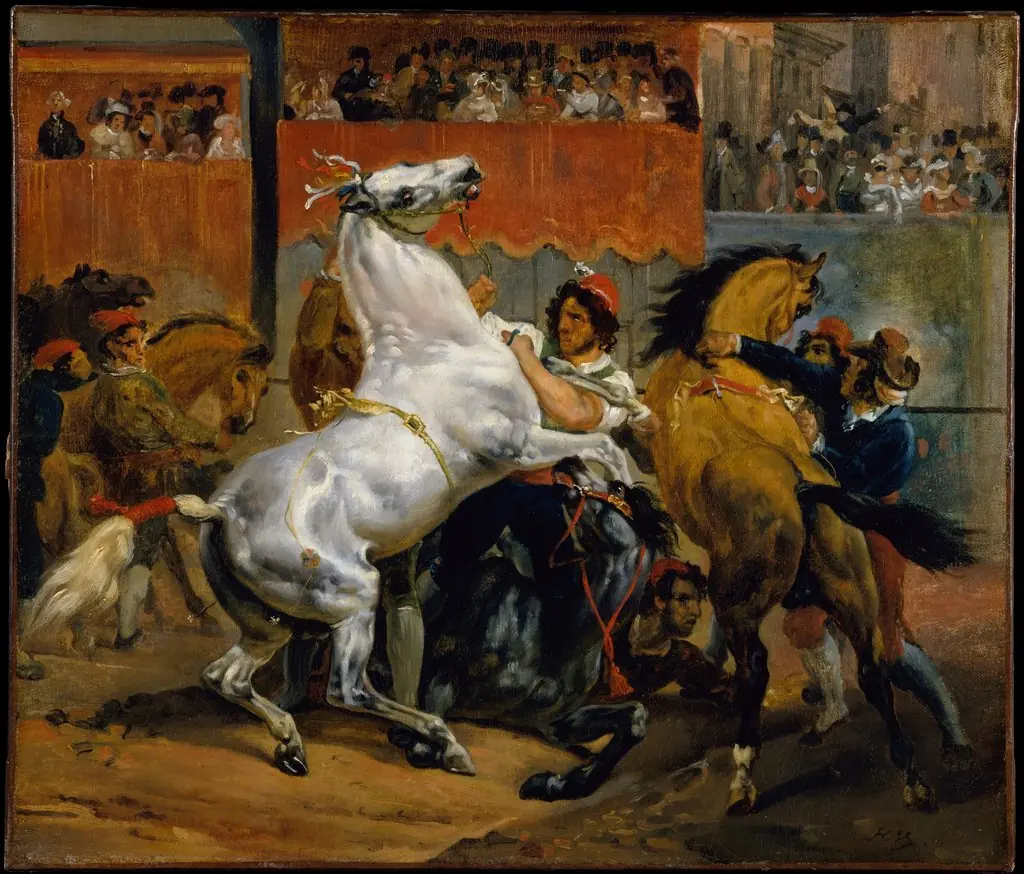 The Start of the Race of the Riderless Horses
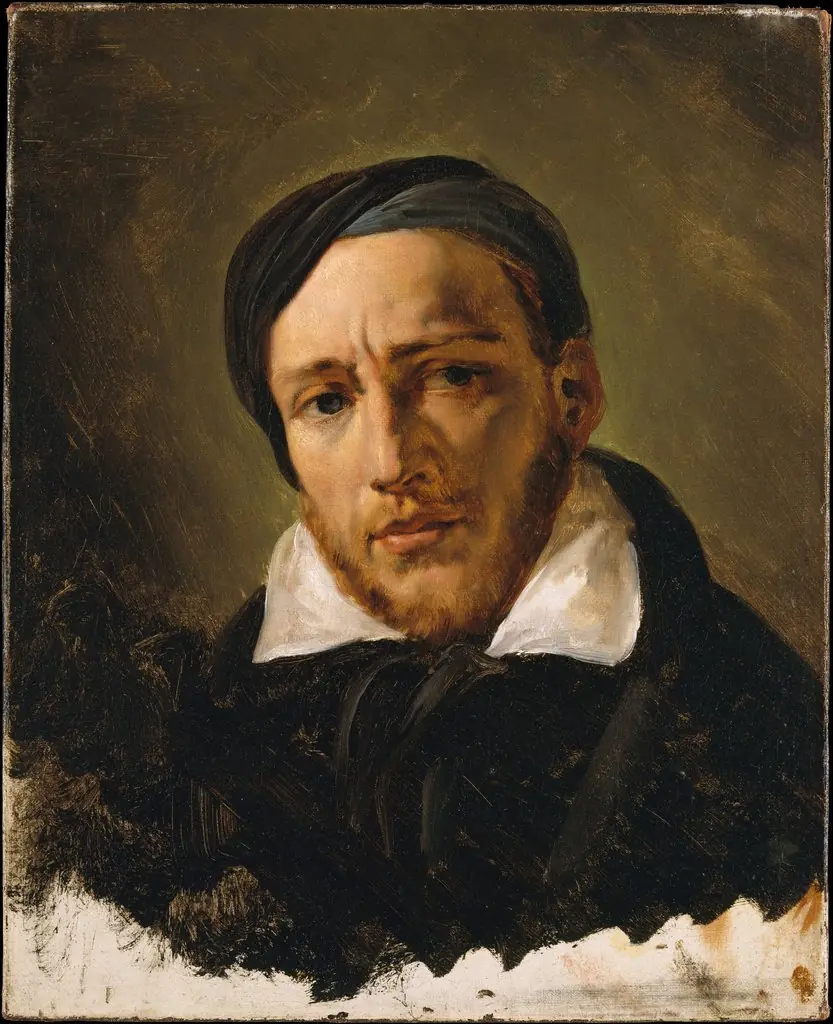 Jean-Louis-André-Théodore Gericault (1791–1824)
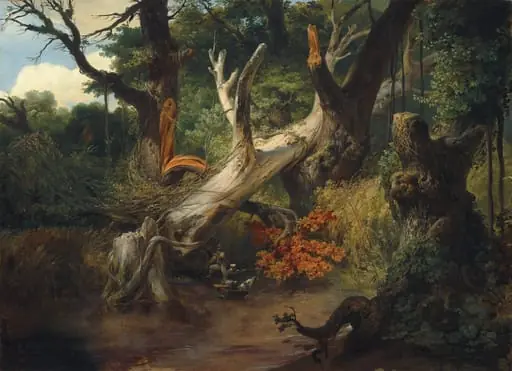 Hunting in the Pontine Marshes
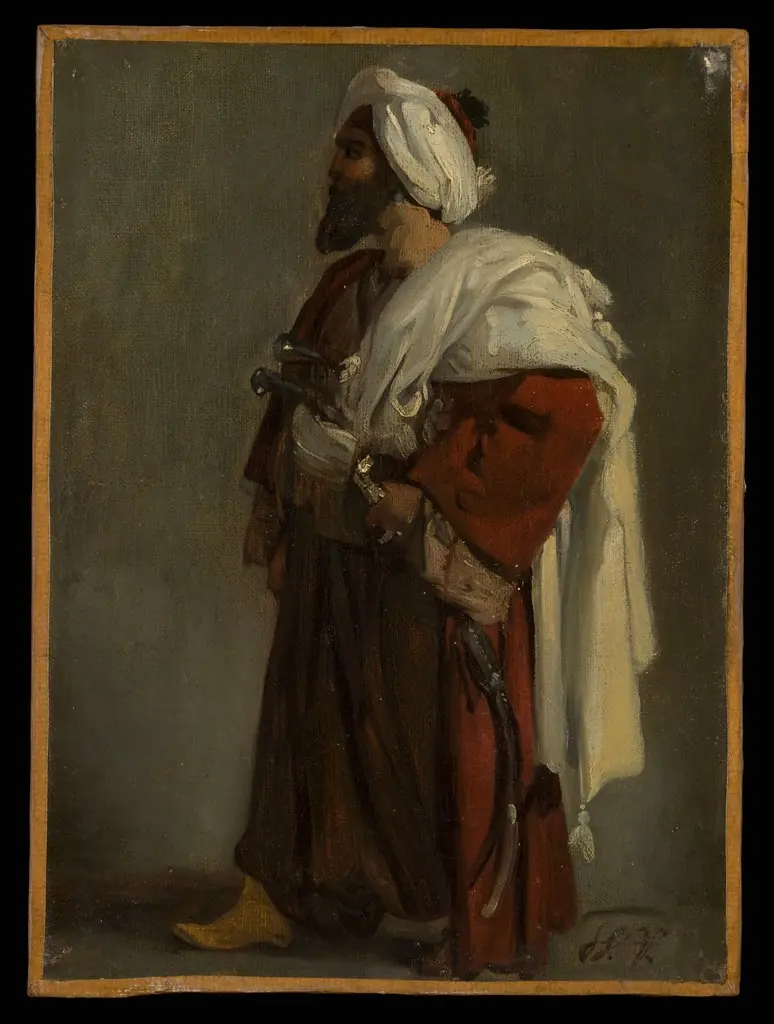 Arab Warrior
 Departure for the Hunt in the Pontine Marshes
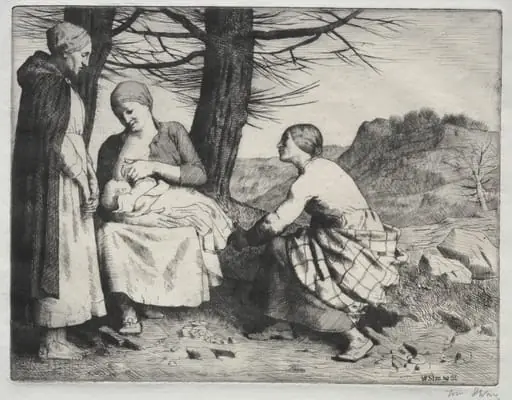 Woman and Child
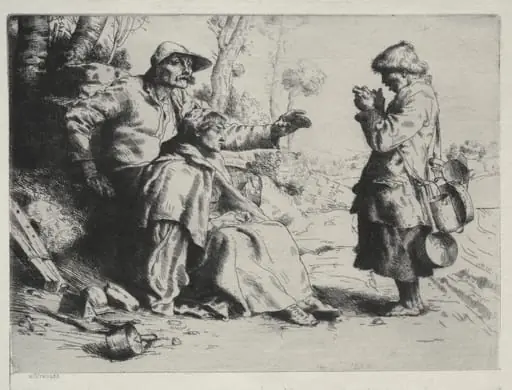 Tinkers
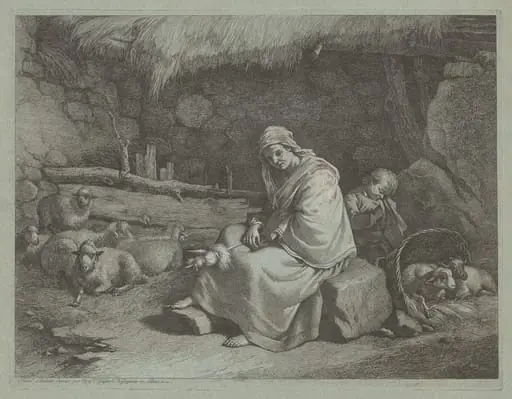 Interior of a Stable with a Seated Spinner and Sleeping Child
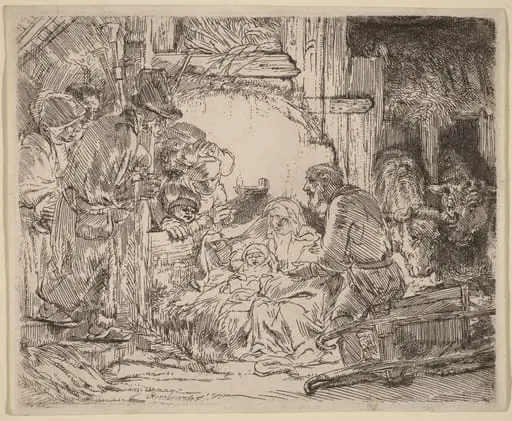 The Adoration of the Shepherds: with the Lamp
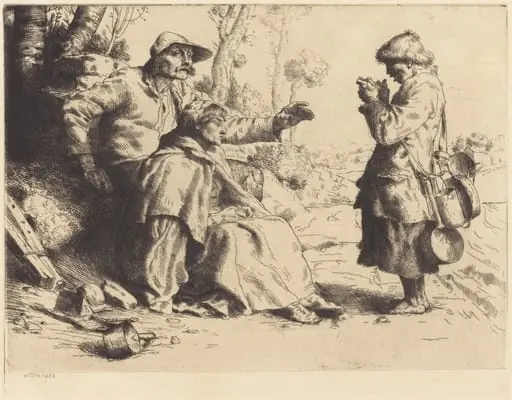 Tinkers
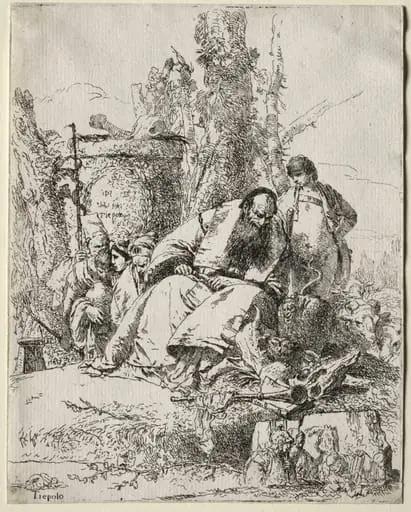 Scherzi di Fantasia: seated Magician, boy and four figures
 The Adoration of the Shepherds: with the Lamp
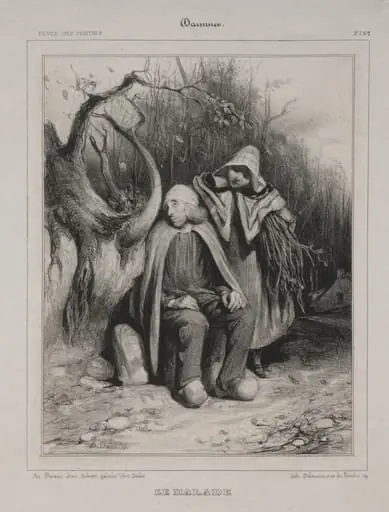 The Invalid
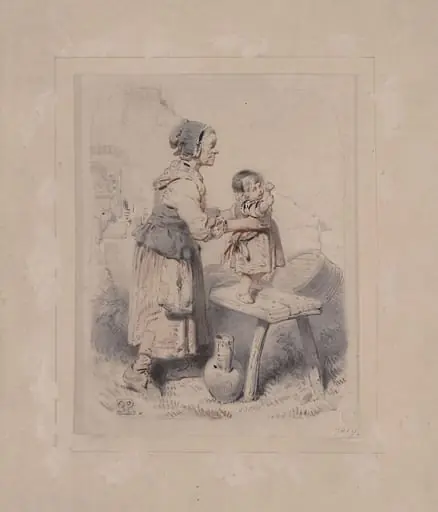 Old Woman and Child
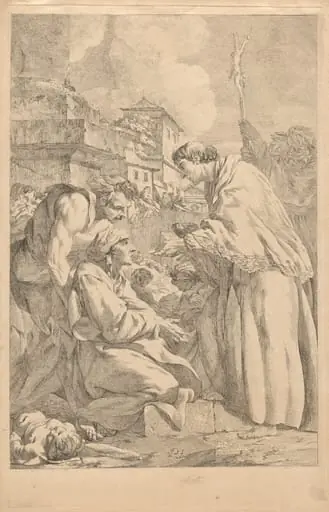 Saint Charles Borromeo Distributing Communion to the Victims of the Plague of 1576 in Milan
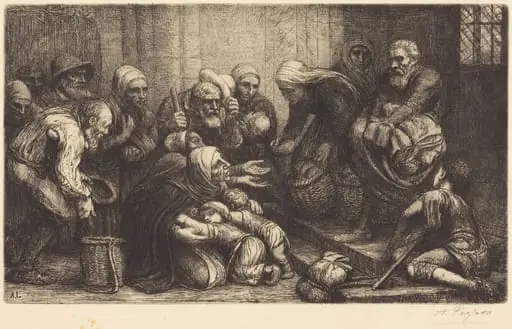 Beggars of Brussels (Les mendiants de Bruges)
 Soldier's Family Encamped