Artwork
Lady Jane Grey
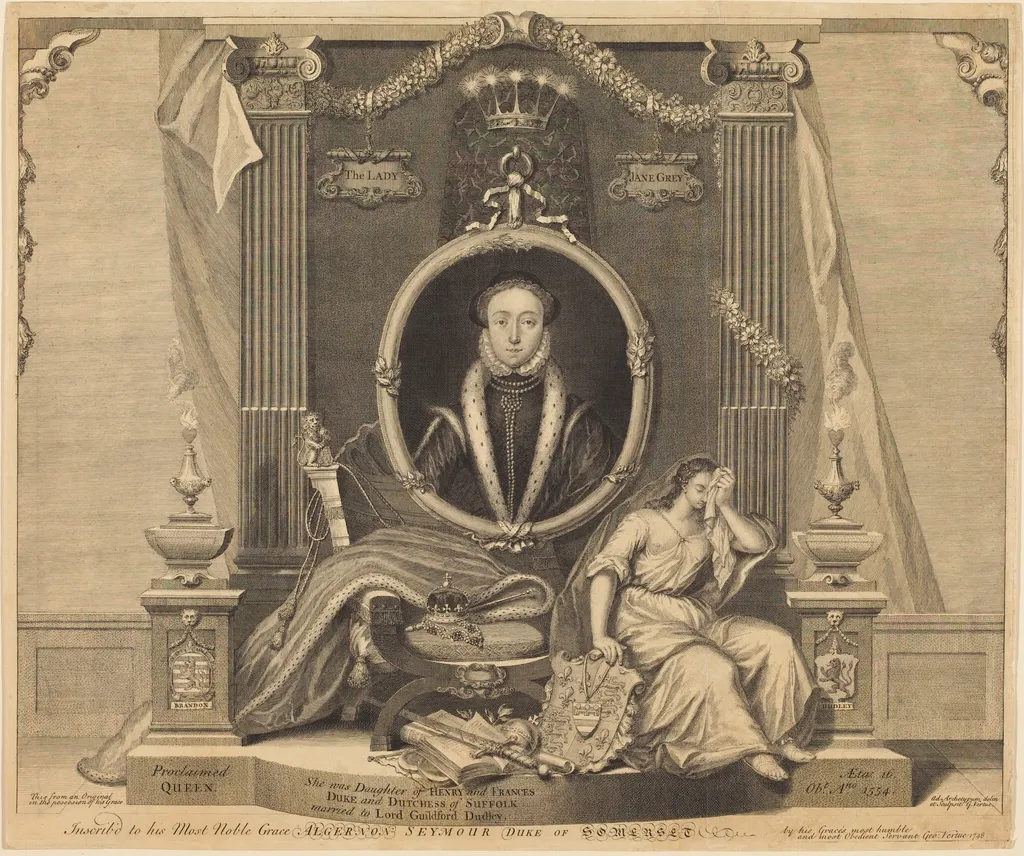
Lady Jane Grey is an ink print by the Baroque artist George Vertue. It dates from 1748 and is held in the collection of the National Gallery of Art.
About this work
Overview
Vertue’s technique emphasizes texture and spatial depth through meticulous cross-hatching, characteristic of 18th-century British engraving practices.
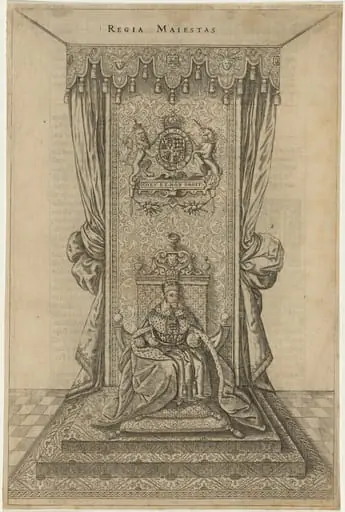
Created in 1748 by George Vertue, this engraving depicts Lady Jane Grey in a ceremonial setting. Rendered in fine linear detail, the work belongs to the tradition of historical portraiture in print form. Vertue’s technique emphasizes texture and spatial depth through meticulous cross-hatching, characteristic of 18th-century British engraving practices. The composition is formal and symbolic, designed to convey status rather than capture a moment from life.
Subject & Meaning
Lady Jane Grey is portrayed as a figure of royal authority, seated on a throne beneath a framed portrait of herself. Her crown and fur-trimmed cloak signify her brief claim to the English throne. To her right, a figure in a plain white dress holds a scroll, possibly representing law or her written legacy. The surrounding objects—crown, scepter, book—reinforce themes of governance, piety, and the transience of power, reflecting her tragic historical role.
Technique & Style
Vertue employed fine-line engraving to achieve intricate detail and tonal variation. Cross-hatching builds volume in the fabric, skin, and metallic surfaces, while the dark background isolates the figures and heightens their monumentality. The oval frame within the composition acts as a picture-within-a-picture, drawing attention to Jane’s identity. The style is precise and restrained, prioritizing clarity and symbolic clarity over emotional expression.
History & Provenance
The engraving was produced nearly two centuries after Jane Grey’s execution in 1554, during a period of renewed interest in Tudor history. Vertue, a leading antiquarian engraver, often illustrated historical figures for scholarly publications. This work likely originated as an illustration for a historical text or collection of portraits, intended to document rather than glorify. Its survival reflects the 18th-century fascination with England’s dynastic past.
Context
In mid-18th-century Britain, historical portraiture in print served both scholarly and patriotic ends. Vertue’s work aligned with broader efforts to visually reconstruct the Tudor era, often through idealized imagery. The emphasis on regalia and textual symbols reflects contemporary antiquarian interests in lineage and legitimacy. Jane Grey’s portrayal as a dignified, sorrowful figure resonated with Enlightenment-era narratives of virtue undone by political turmoil.
Legacy
Vertue’s engraving contributed to the visual canon of Lady Jane Grey, influencing later depictions in literature and art. Though not widely exhibited in its time, it became a reference for historians and artists seeking to represent her. Its restrained aesthetic and symbolic language distinguish it from more dramatic 19th-century interpretations, preserving a sober, antiquarian vision of a figure whose life was defined by political circumstance.
Artist & collection

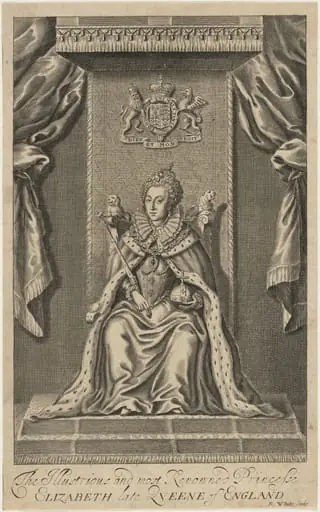 Queen Elizabeth Enthroned
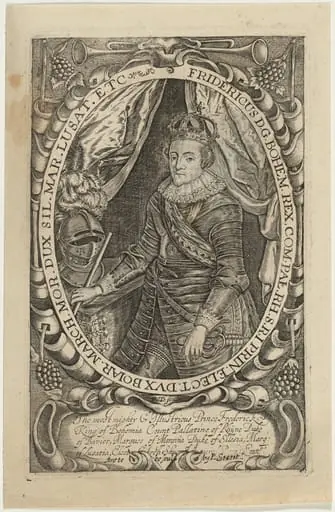 Fredericus D.G. Bohem. Rex (Frederick V, Kingof Bohemia)
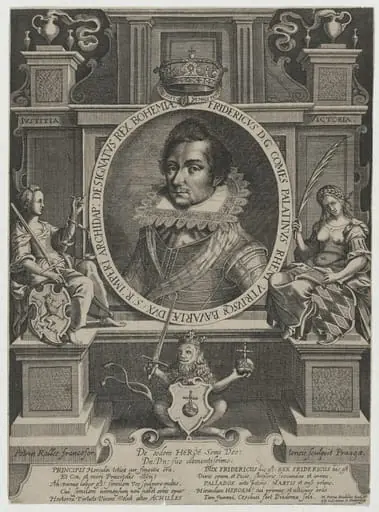 Frederick V, King of Bohemia
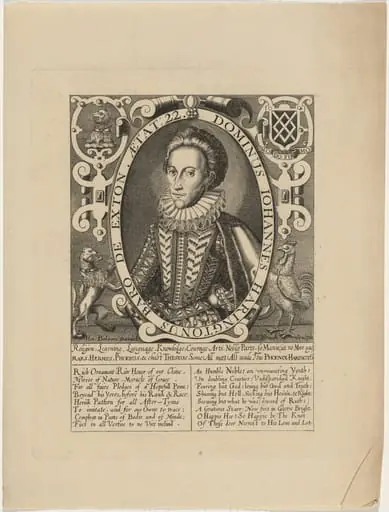 John Harington, Second Baron of Exton
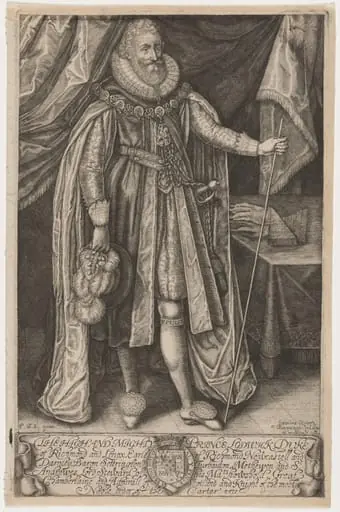 Lodovick Stuart, Duke of Richmond and Lennox
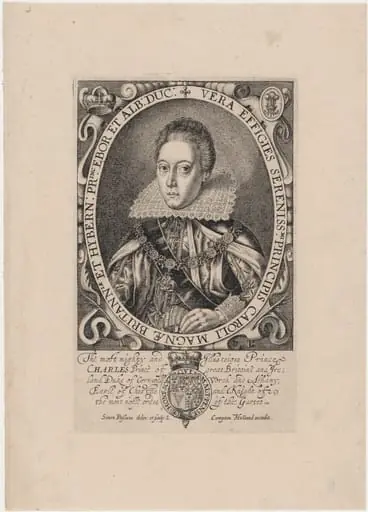 Charles I, Prince of Great Britain and Ireland, Duc of Cornwall and Yorck
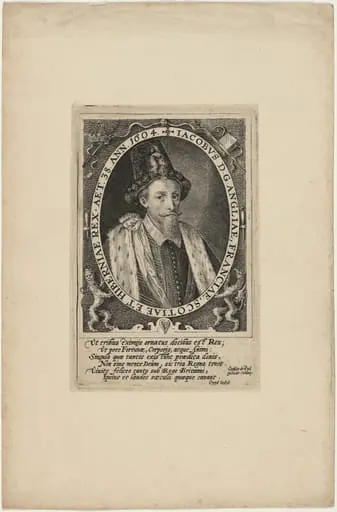 James I, King of England
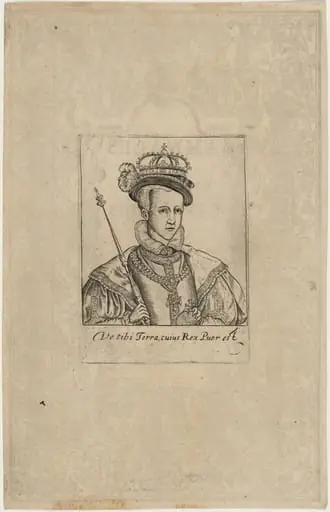 Edward VI
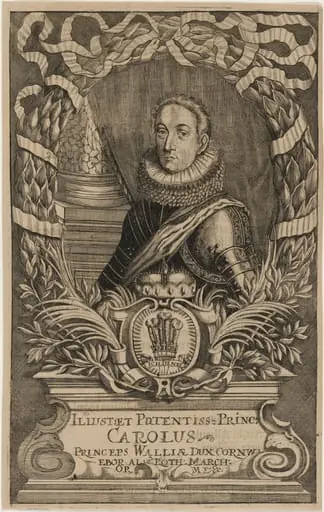 Charles I as Prince of Wales
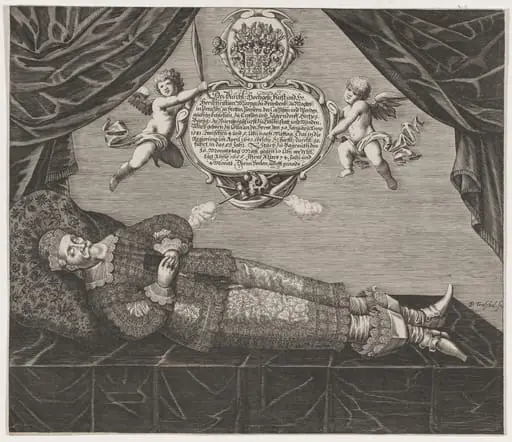 Christian, Margrave of Brandenburg-Bayreuth on his Deathbed
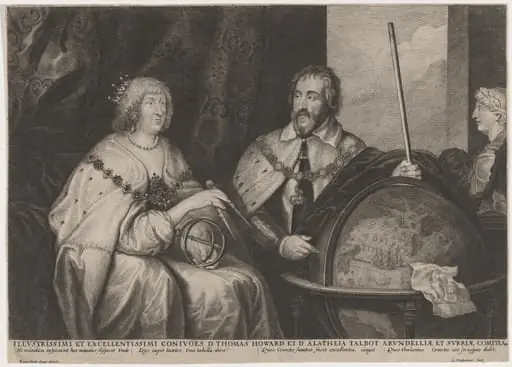 Thomas Howard, Earl of Arundel and His Wife
 James I Enthroned