Artwork
Untitled
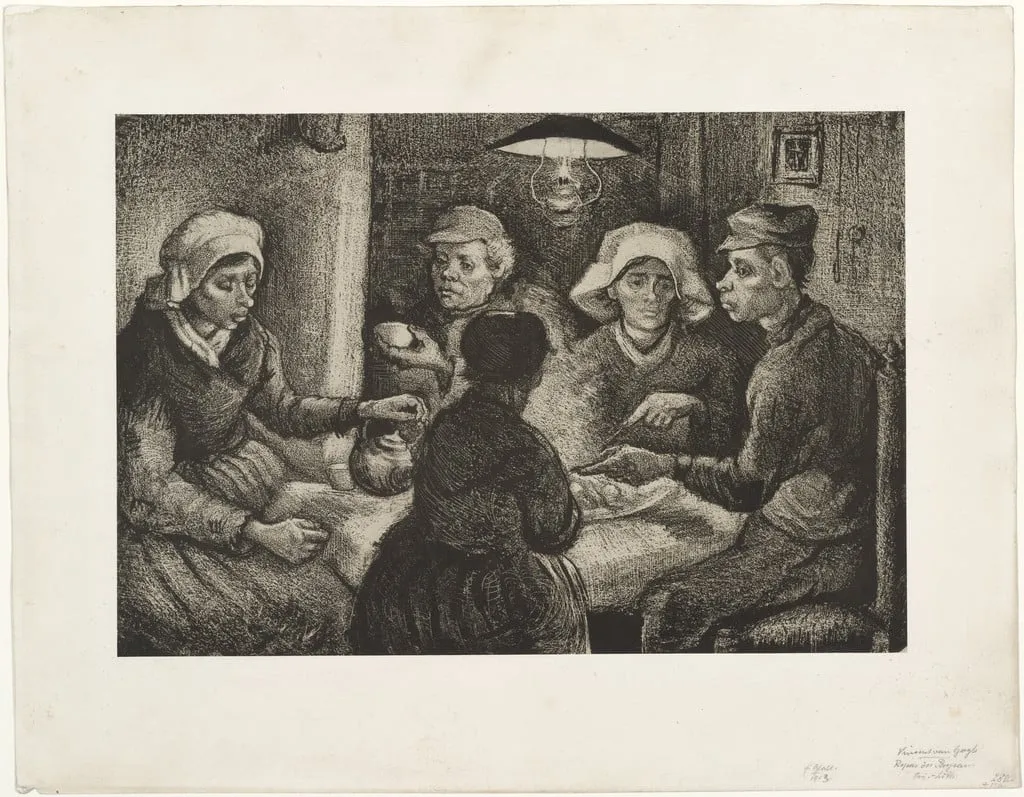
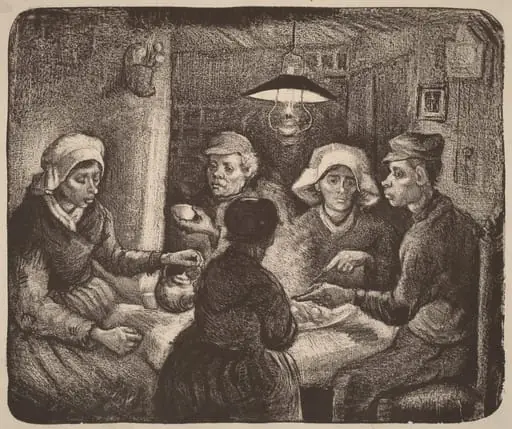
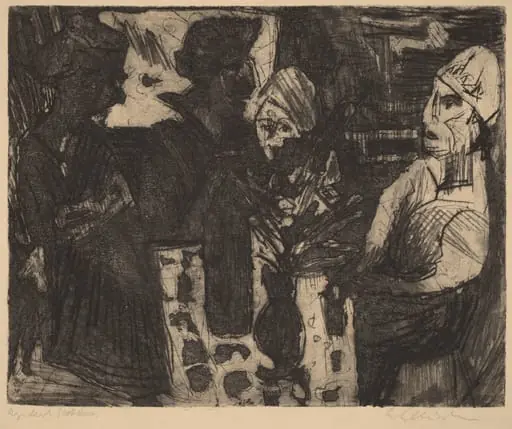
Untitled is an ink print by the Impressionist artist Vincent van Gogh. It dates from 1885 and is held in the collection of the Museum of Modern Art.
About this work
Overview
The work captures a moment of stillness among five figures gathered around a table, rendered with expressive linework and tonal variation.
Created in 1885, this lithograph by Vincent van Gogh is a black-and-white print depicting a quiet interior scene. It is part of the collection at The Museum of Modern Art. The work captures a moment of stillness among five figures gathered around a table, rendered with expressive linework and tonal variation. Unlike his later vibrant paintings, this piece reflects an early, restrained approach to subject matter and medium.
Subject & Meaning
Five individuals sit in close proximity around a table, their attention focused on an object held between them. A woman on the left holds a jug, while the others lean forward, suggesting shared contemplation or a routine act of daily life. The absence of clear narrative details invites interpretation—perhaps a meal, a ritual, or a moment of rest. The intimacy of the grouping conveys quiet human connection without sentimentality.
Technique & Style
Van Gogh employed lithography to achieve subtle gradations of tone, using hatched and crosshatched lines to model forms and suggest texture in fabric and skin. The limited palette of ink on paper enhances the somber mood. The composition is tightly framed, with minimal background detail, directing focus to the figures. The rendering feels immediate, as if drawn from life, with visible brushwork translated into print.
History & Provenance
This lithograph was produced during Van Gogh’s early years in the Netherlands, before his move to Paris and the development of his signature color style. It was likely made for personal or experimental purposes rather than commercial distribution. The work entered The Museum of Modern Art’s collection in the 20th century, where it is preserved as part of a broader study of his graphic work.
Context
In the mid-1880s, Van Gogh was deeply engaged with scenes of rural labor and domestic life, influenced by French realist artists and his own empathy for working-class subjects. Lithography offered him a way to explore composition and tone without the cost or complexity of oil painting. This piece aligns with his broader interest in portraying dignity in ordinary moments, a theme that would recur throughout his career.
Legacy
Though less known than his paintings, this lithograph contributes to understanding Van Gogh’s graphic practice and his commitment to capturing human presence through simplified form. It reflects his early technical experimentation and his enduring focus on quiet, unadorned moments. The work remains a quiet testament to his ability to convey emotional weight through restraint.
Artist & collection
Artist
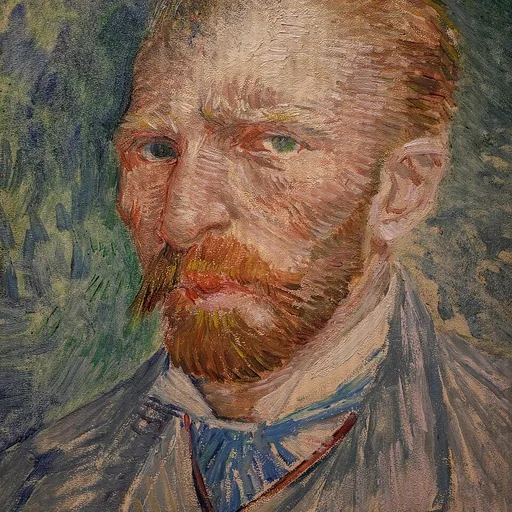
Vincent Willem van Gogh was a Dutch Post-Impressionist painter who is among the most famous and influential figures in the history of Western art.

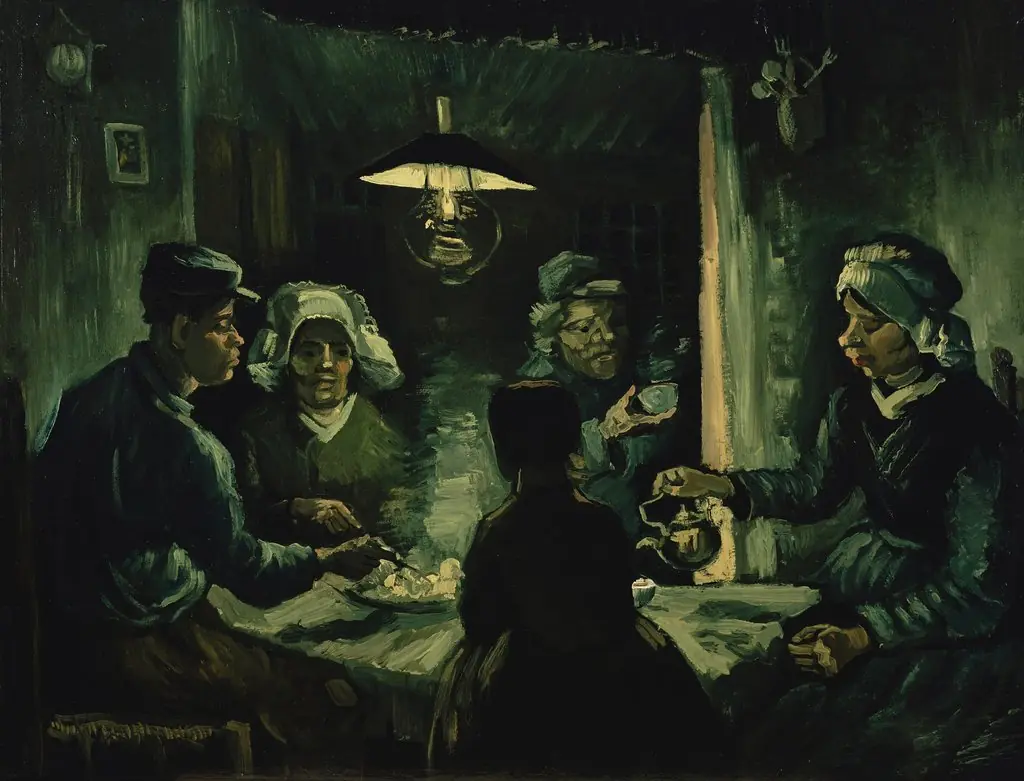
 Potato Eaters
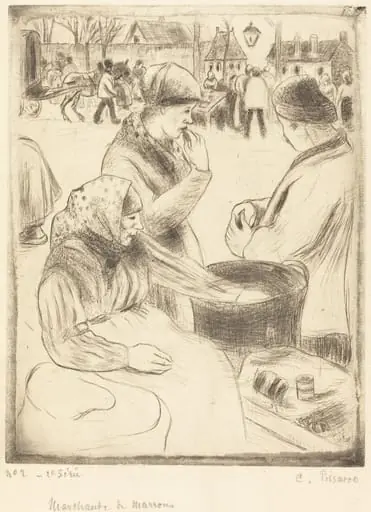 Chestnut Vendors (Marchands de marrons)
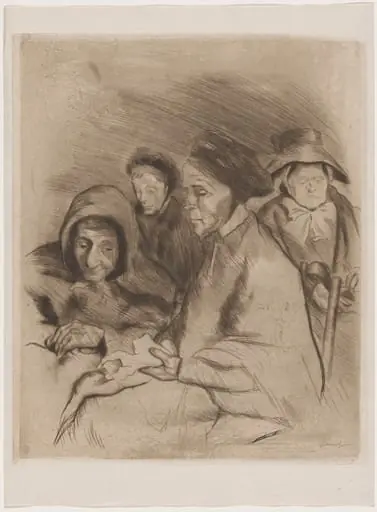 Portrait de vielles femmes
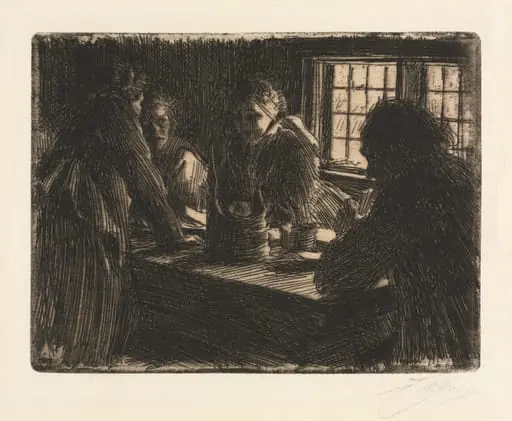 The Bride's Maid
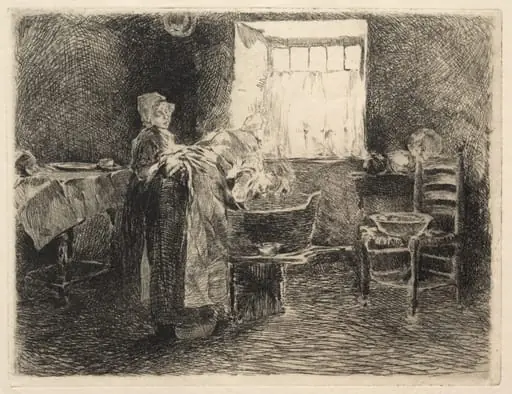 Monday Morning, Holland
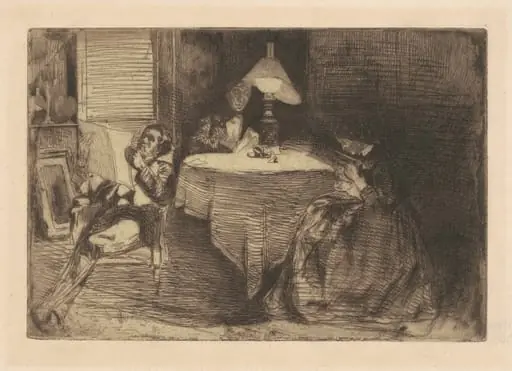 The Music Room
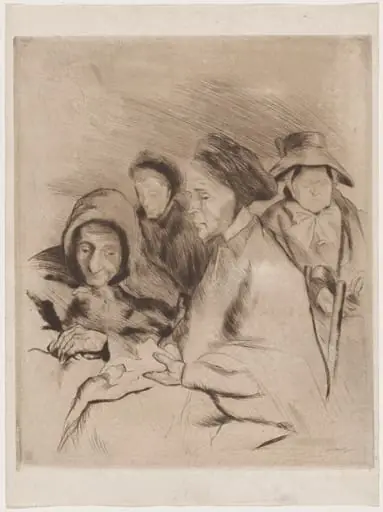 Portrait de vielles femmes
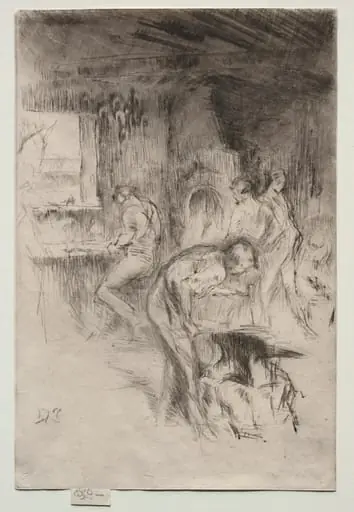 The Little Forge
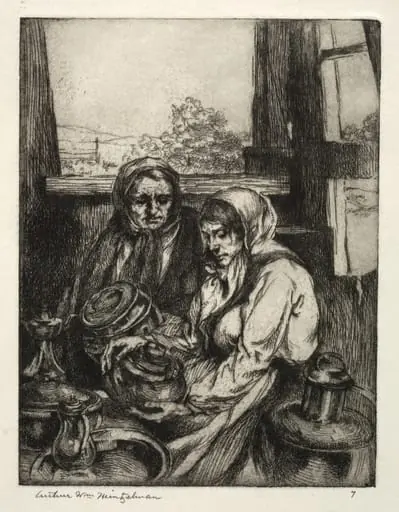 Old Brass
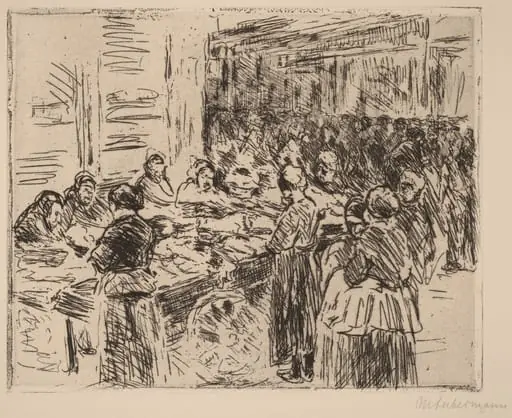 From the Jewish Quarter in Amsterdam: Fishmarket on the Street Corner
 Women at a Table in a Room (recto) / Nude Woman (verso)
 The Potato Eaters