Artwork
Queen Elizabeth
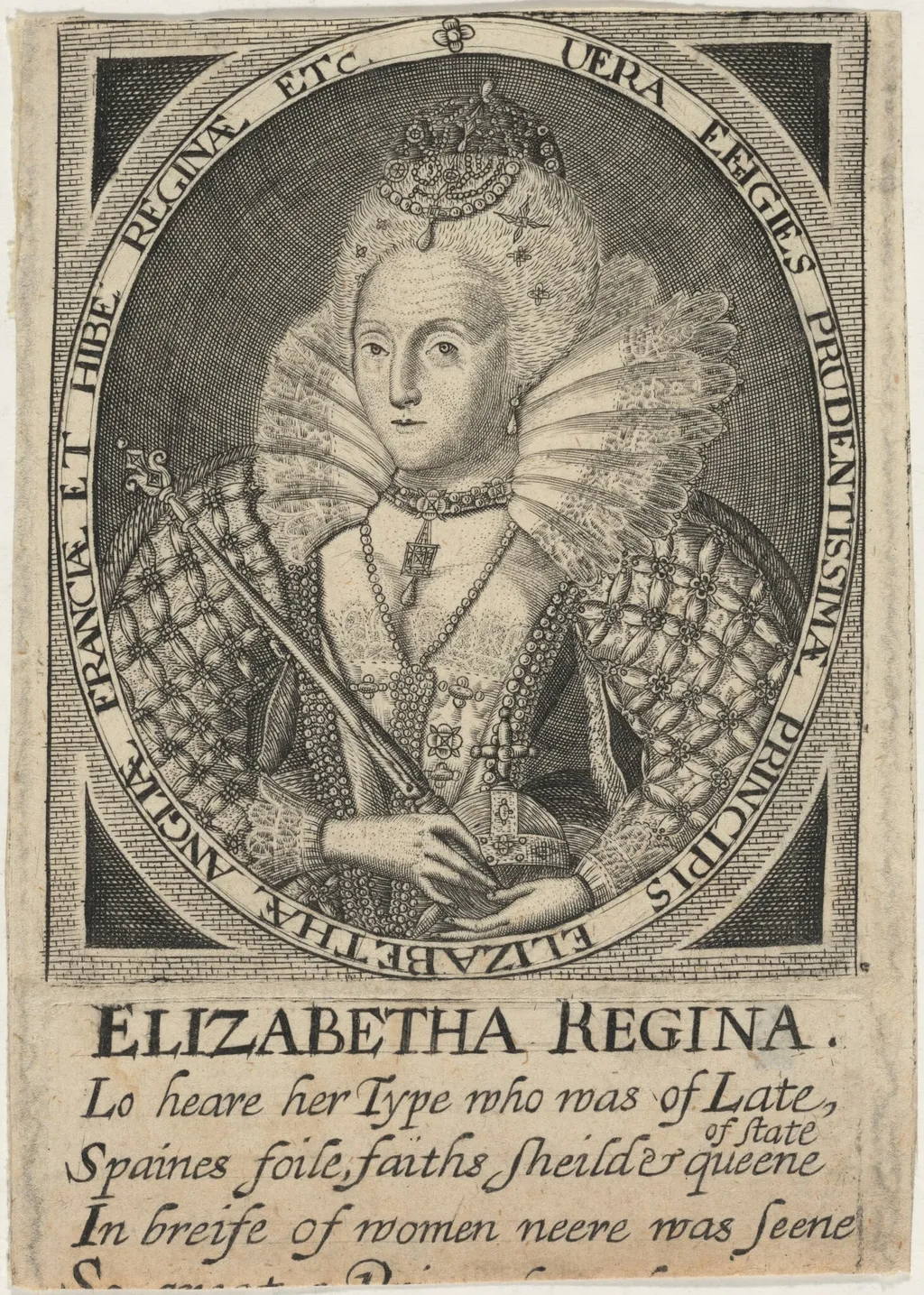
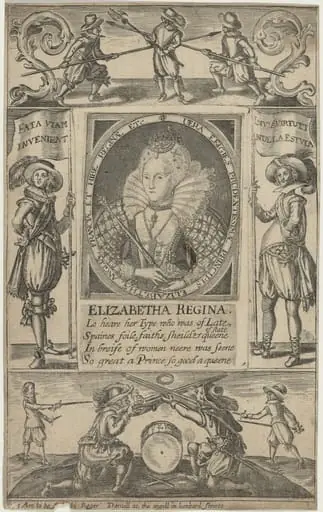
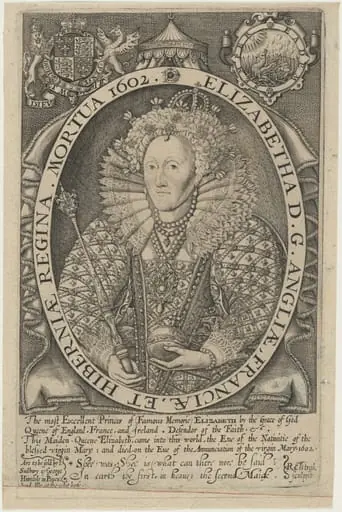
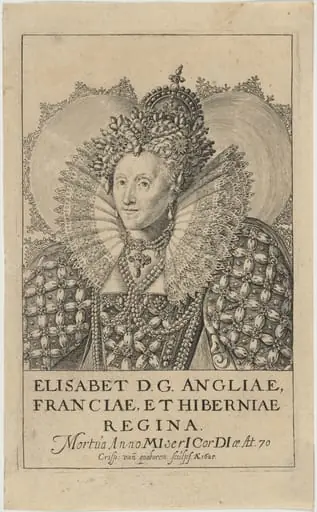
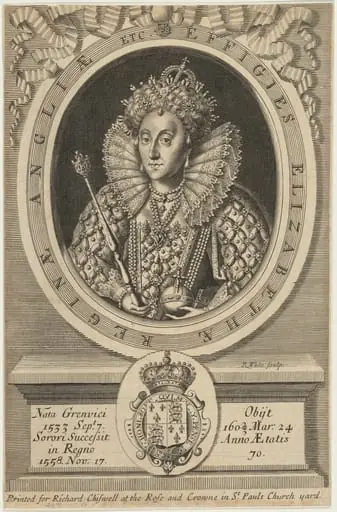
Queen Elizabeth is an ink print by the Baroque artist John Payne. It dates from 1627 and is held in the collection of the National Gallery of Art.
About this work
Overview
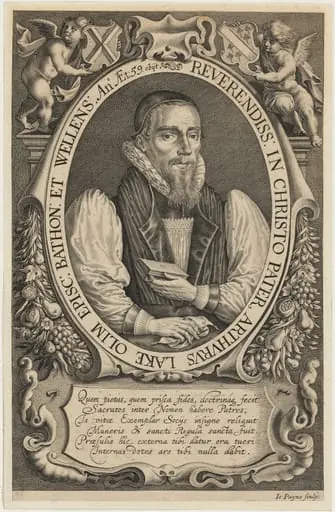
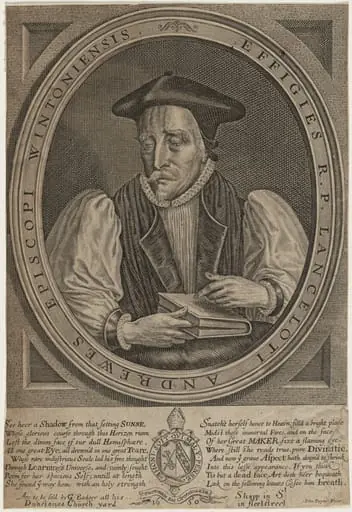
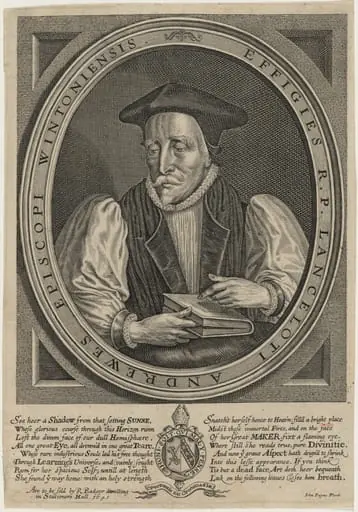
John Payne, an English engraver active in the early 1600s, issued an engraving titled *Queen Elizabeth* in 1627. The print is among the earliest substantial works produced by a native English practitioner of the medium, illustrating the level of technical skill present in England during the reign of Charles I.
Subject & Meaning
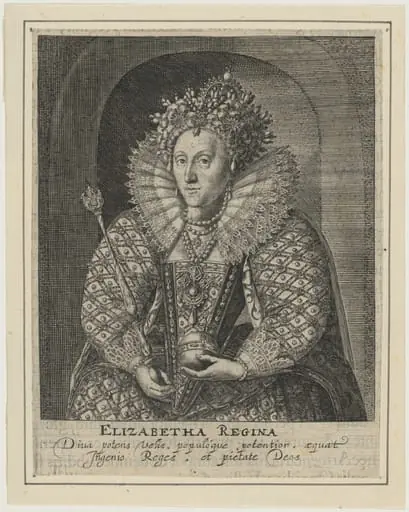
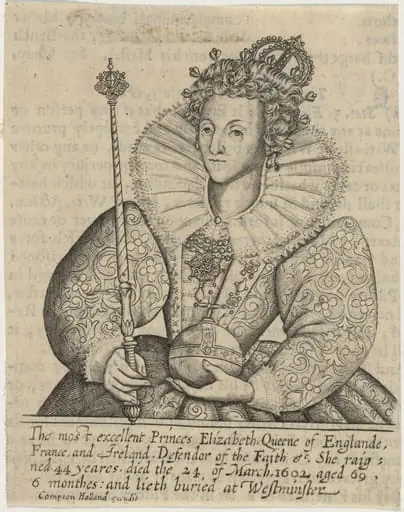
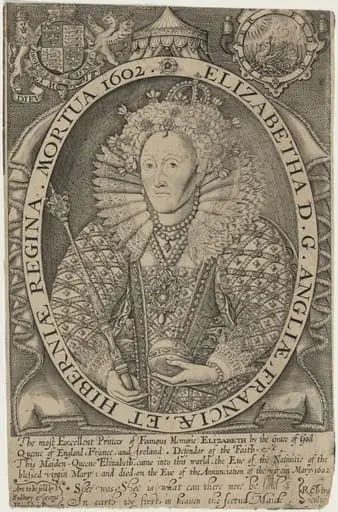
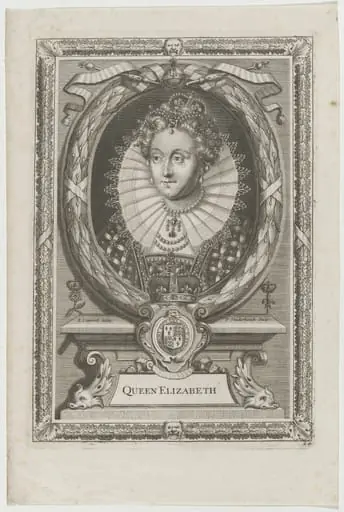
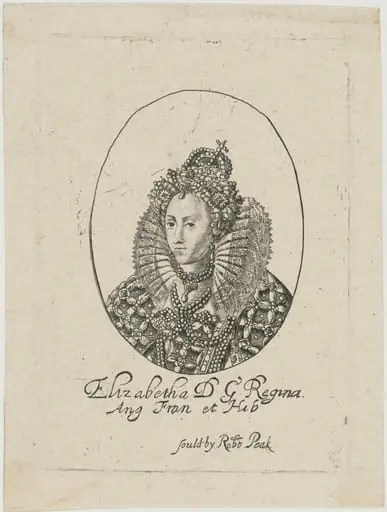
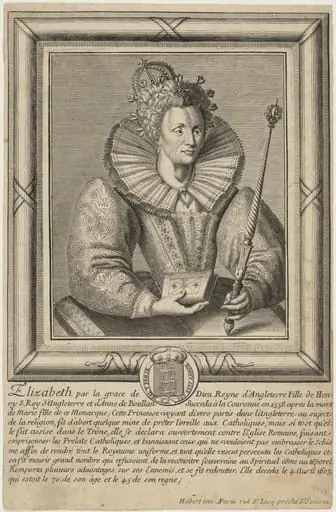
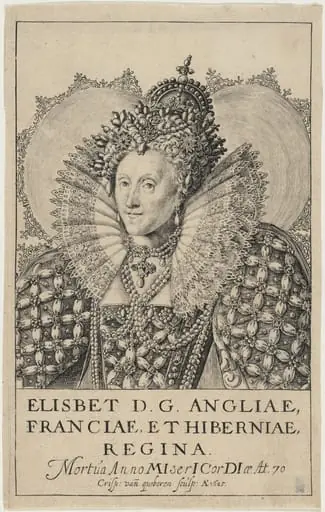
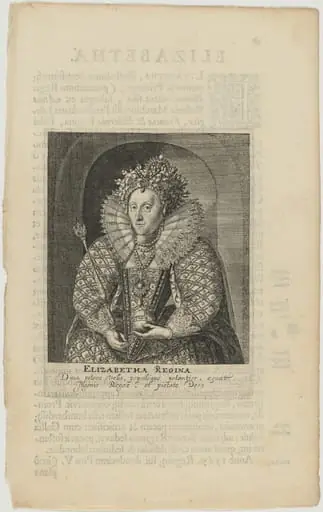
The image presents a crowned female figure dressed in a richly detailed gown with puffed sleeves, an elaborate collar, and a necklace, while holding a scepter in her right hand. Though identified as Queen Elizabeth, the portrait likely derives from earlier painted sources rather than a live sitting, serving as a commemorative representation of the monarch.
Technique & Style
Payne employed fine cross‑hatching to render the facial features and textures of the costume, creating a contrast against a darkened background that isolates the figure. A circular ornamental border encloses the composition, bearing surrounding inscription, a common decorative element in early 17th‑century English prints.
History & Provenance
Created in 1627, the engraving emerged during a period when English portraiture was adapting to the aesthetic preferences of Charles I’s court. As one of the first notable prints by an English-born engraver, it marks a shift toward domestic production of high‑quality graphic art, previously dominated by Continental artists.
Context
The work reflects the portraiture conventions of the early Stuart era, when royal imagery was disseminated through prints to reinforce monarchical authority. Its reliance on pre‑existing portrait models aligns with the broader practice of reproducing celebrated likenesses for a wider audience.
Artist & collection
Artist
John Payne (1607–1647) was an English engraver, who was one of the earliest exponents of the art of engraving in England. His best work was the finest produced by a native-born engraver working during the reign of Charles I.