Artwork
The Temptation
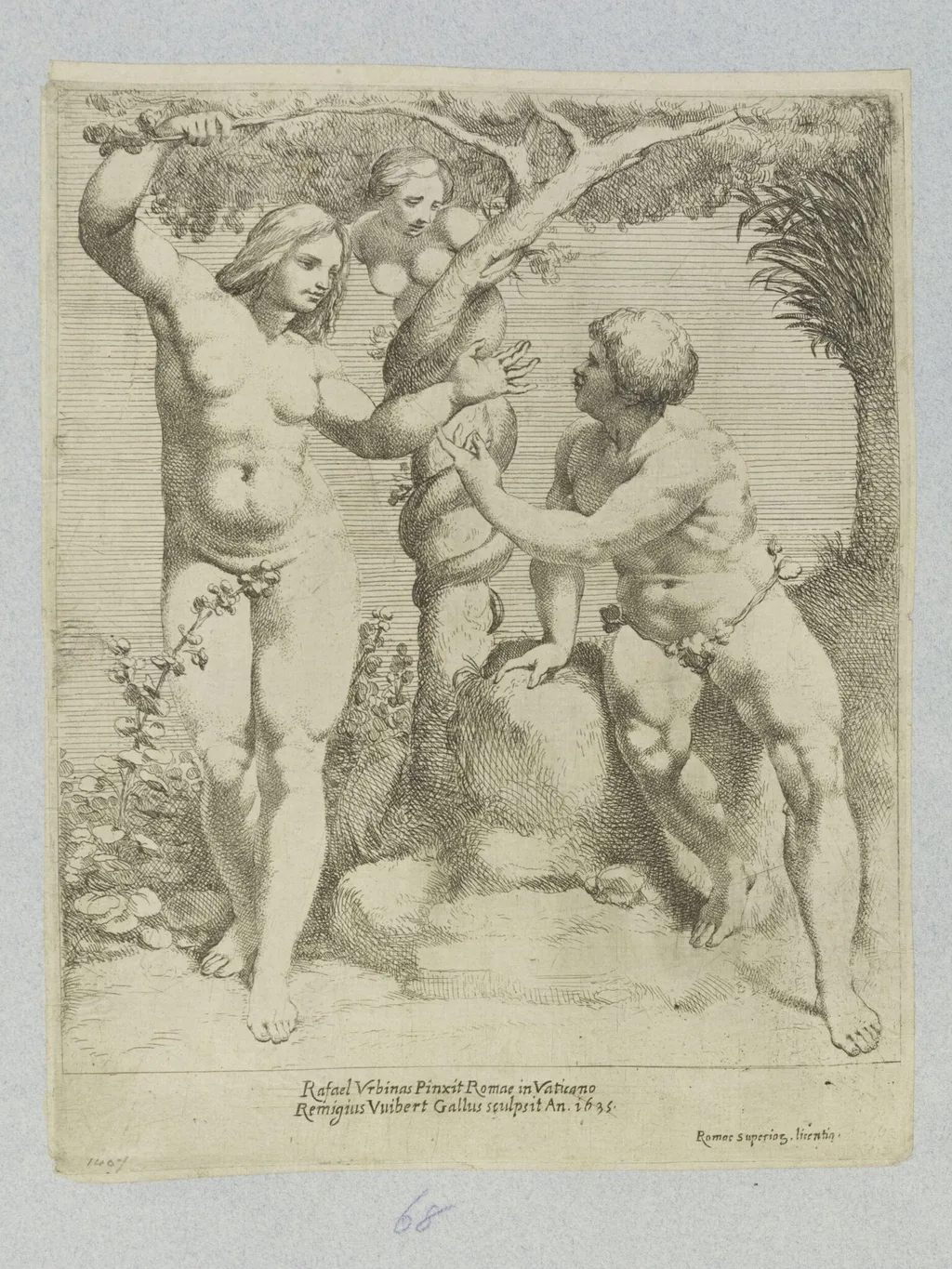
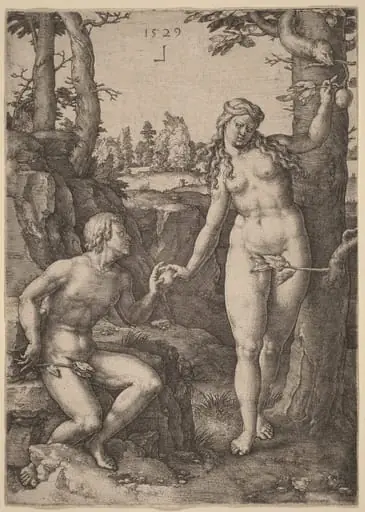
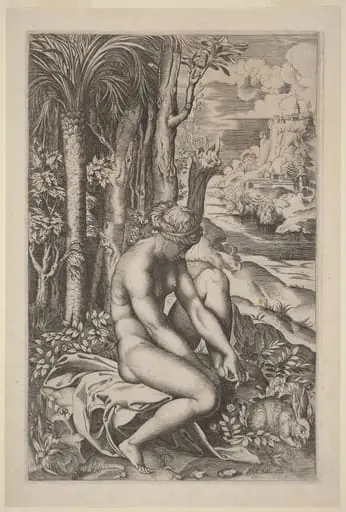
The Temptation is a print by the Baroque artist Rémy Vuibert. It dates from 1635 and is held in the collection of the Victoria and Albert Museum.
About this work
Overview
The work titled *The Temptation* is a 1635 engraving executed by Rémy Vuibert after a composition originally by Raphael. Produced in Rome, the print presents a small‑scale, paper‑based image that reflects the reproductive printmaking practices of the early seventeenth century.
Subject & Meaning
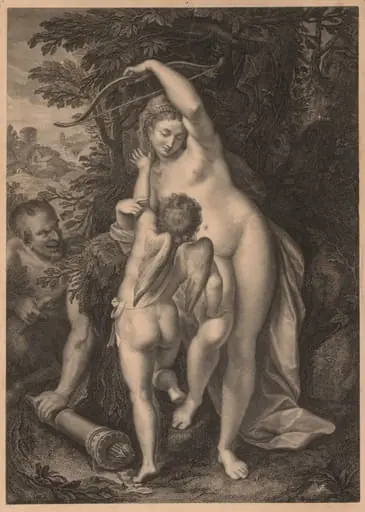
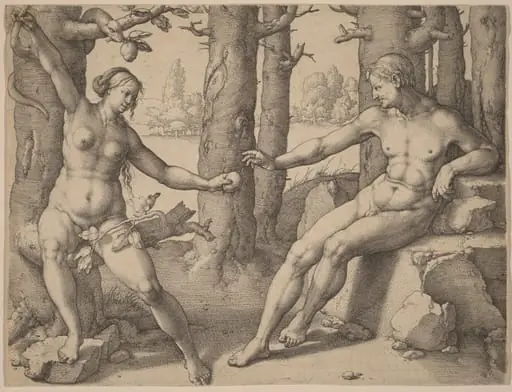
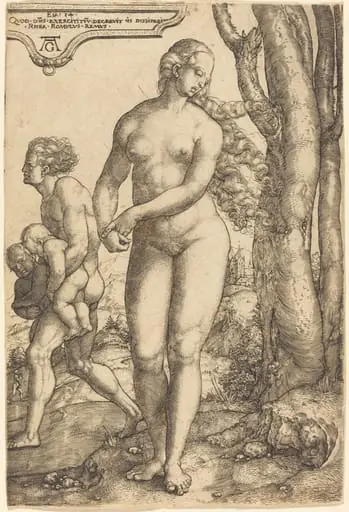
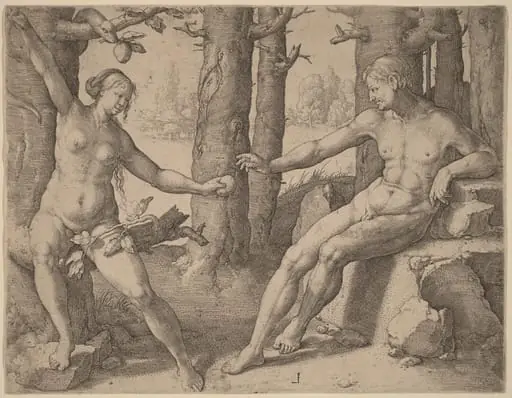
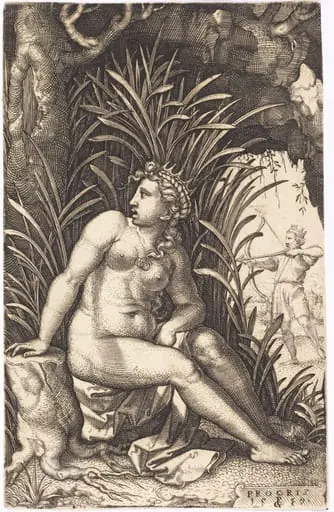
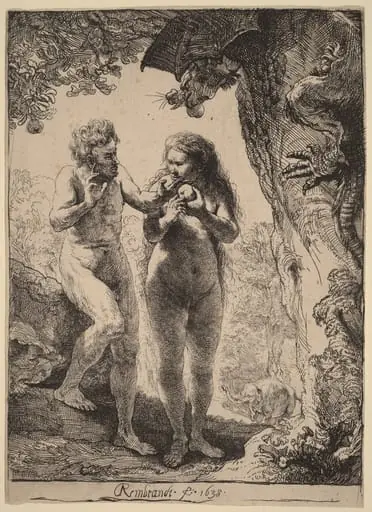
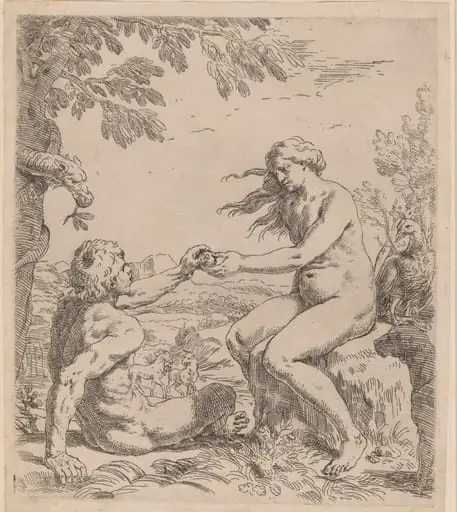
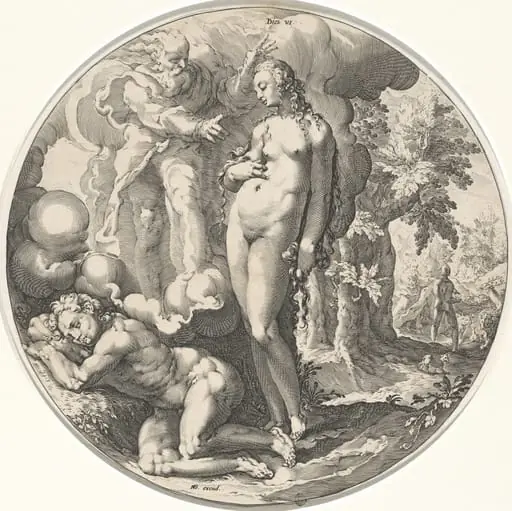
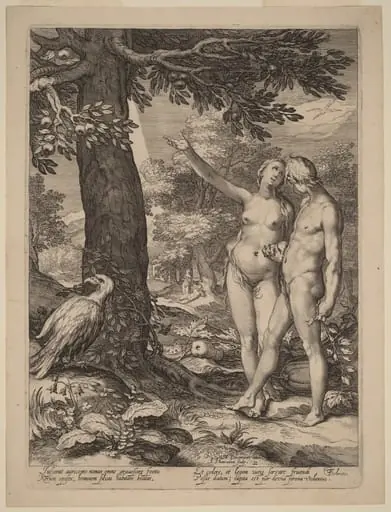
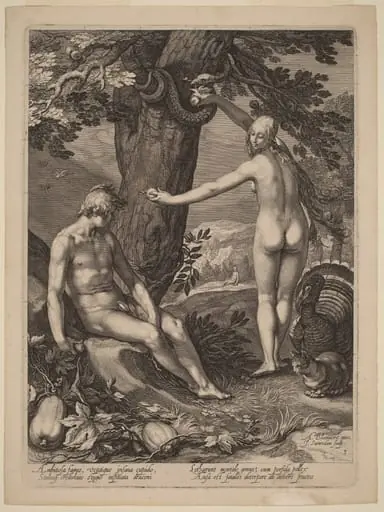
The composition depicts three nude figures in a wooded setting: a long‑haired woman on the left raising a branch, a short‑haired woman in the centre holding fruit, and a short‑haired man on the right reaching toward the central figure. The arrangement functions as an allegorical scene, using the gestures and objects to suggest a moral or philosophical theme, traditionally interpreted as a meditation on desire and restraint.
Technique & Style
Vuibert employed copper engraving, a common method for reproducing paintings in the period, achieving fine line work and subtle tonal variation. The figures are rendered with smooth contours and balanced proportions characteristic of classical idealism, while the surrounding foliage is suggested through delicate hatching, creating a harmonious blend of figuration and landscape.
History & Provenance
The print bears an inscription naming Raphael as the original painter and Vuibert as the engraver, confirming its status as a derivative work. Produced in Rome in 1635, it circulated among collectors interested in Raphael’s designs, serving both as a study tool for artists and as a collectible image for connoisseurs of the era.
Context
Although the image predates the high Baroque, its allegorical content and classical treatment align with the intellectual currents that later flourished in that movement. The work reflects the ongoing Renaissance practice of translating celebrated paintings into prints, thereby extending their visual influence across Europe.
Artist & collection