Artwork
Portrait of Pietro Aretino
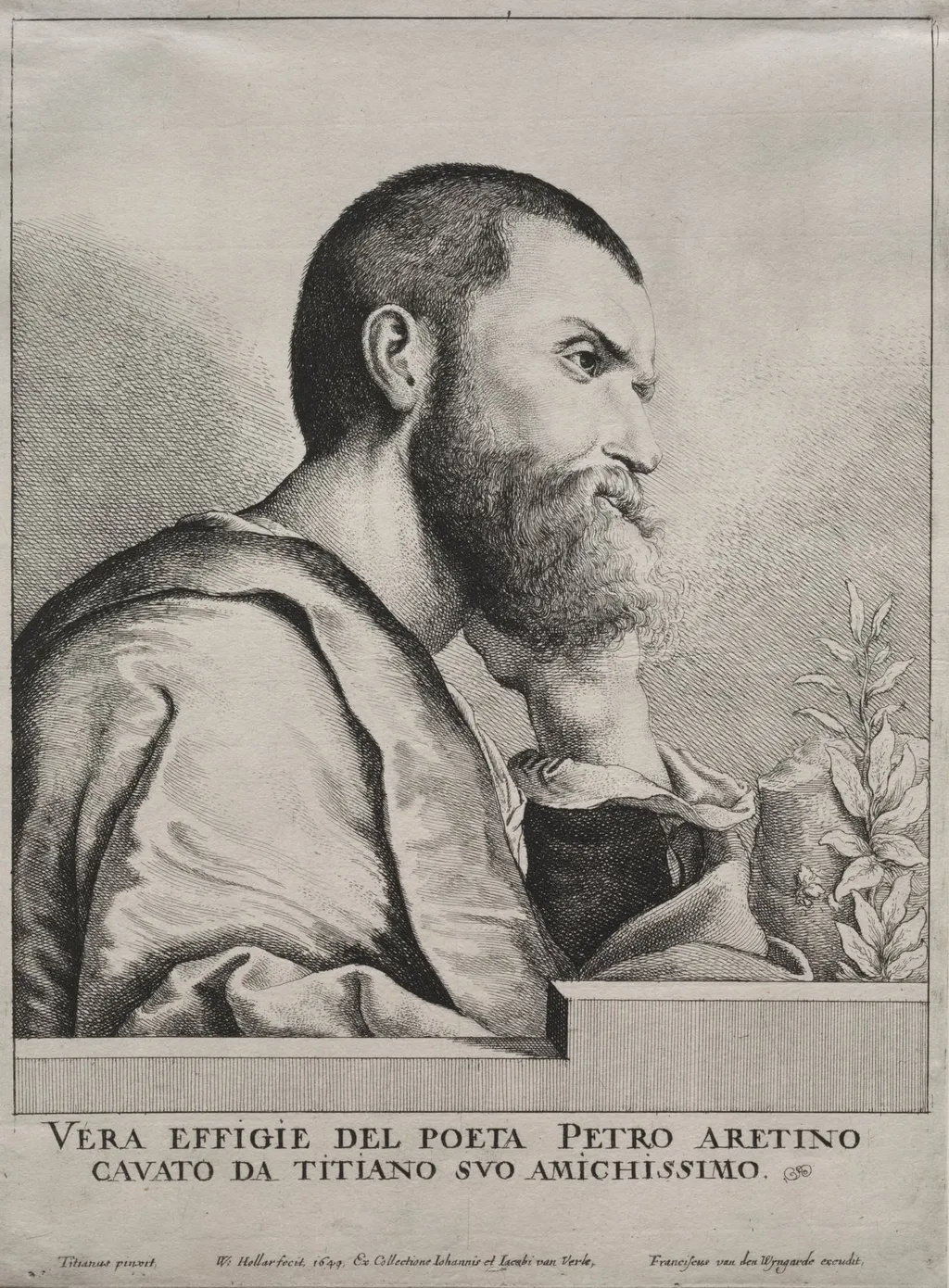
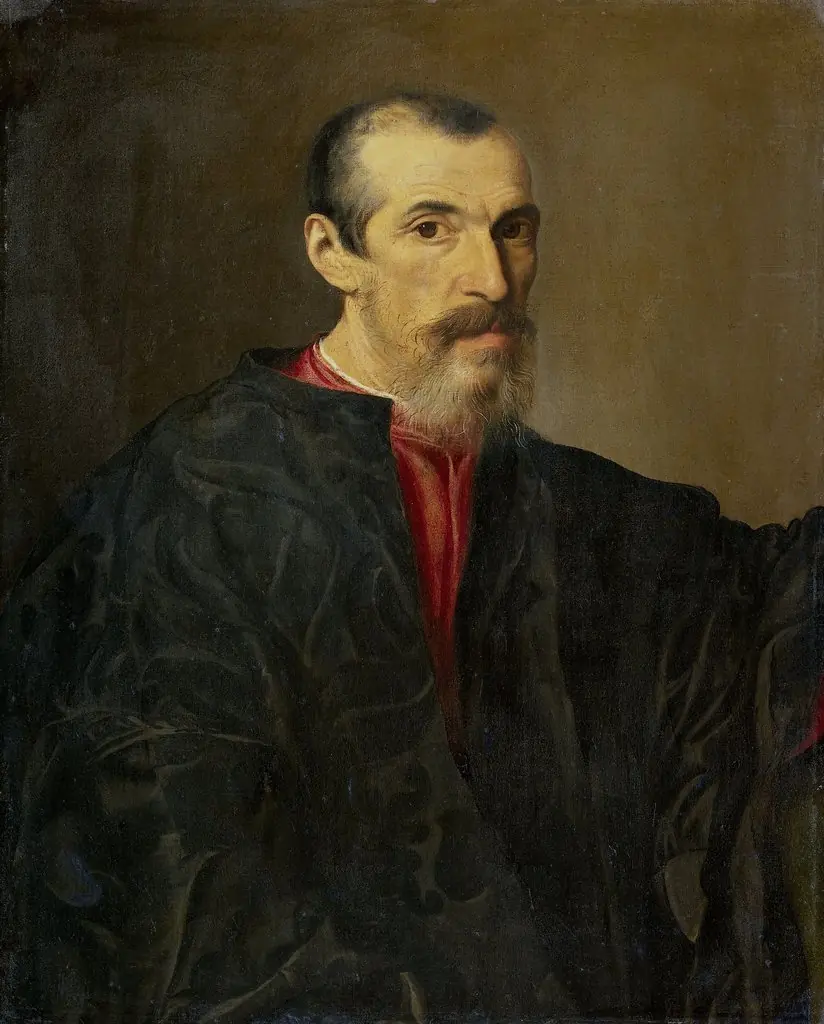
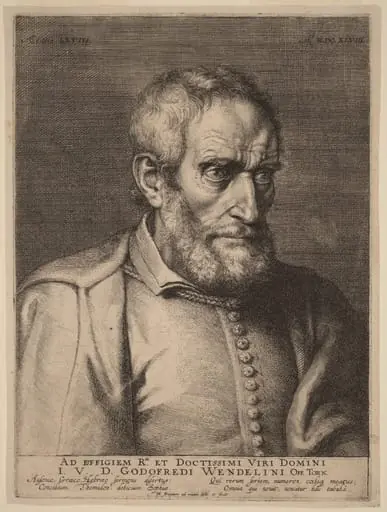
Portrait of Pietro Aretino is a print by the Baroque artist Wenceslaus Hollar. It dates from 1649 and is held in the collection of the Cleveland Museum of Art.
About this work
This is a black-and-white drawing of a bearded man with a serious face. He’s wearing a loose, dark robe and has one hand resting on his chest. Behind him, a small plant sits on a ledge.
The text at the bottom calls him Pietro Aretino, carved by a friend named Titian. The artist who made this drawing, Wenceslaus Hollar, signed it in 1649.
If you like this style, look up Baroque.
Overview
Wenceslaus Hollar, a Bohemian printmaker active in 17th-century England, produced this 1649 etching of the Italian literary figure Pietro Aretino.
Wenceslaus Hollar, a Bohemian printmaker active in 17th-century England, produced this 1649 etching of the Italian literary figure Pietro Aretino. Known for his precise line work and detailed compositions, Hollar specialized in portraiture, topographical views, and architectural studies. This work is one of many engraved portraits in his oeuvre, reflecting his engagement with prominent cultural figures of the era. The print resides in the Cleveland Museum of Art's collection.
Subject & Meaning
Pietro Aretino, a provocative Renaissance writer and satirist, was renowned for his sharp critiques of power and his influence in Italian intellectual circles. Hollar’s portrayal captures him in quiet introspection: bearded, draped in a dark robe, one hand resting on his chest. The modest setting—a single plant on a ledge—suggests contemplation rather than grandeur, aligning with Aretino’s reputation as a candid observer of human nature.
Technique & Style
Hollar employed fine-line etching to render texture and form with clarity. The portrait’s tonal gradations are achieved through delicate cross-hatching, emphasizing the folds of the robe and the contours of the face. The background is minimal, directing focus to the subject. The inscription attributing the original likeness to Titian reflects contemporary reverence for the Venetian master, though Hollar reinterpreted it through his own meticulous engraving style.
History & Provenance
Created in 1649, the print emerged during Hollar’s mature period in London, after years of travel across Europe. It likely circulated among collectors interested in literary figures and Renaissance culture. The work entered the Cleveland Museum of Art’s collection through documented acquisitions, preserving its provenance as part of a broader 17th-century print tradition that valued portraiture as both record and tribute.
Context
In mid-17th-century Europe, engraved portraits served as accessible means of disseminating likenesses of notable individuals. Hollar’s work aligned with this practice, often reproducing images from paintings by artists like Titian. Aretino’s enduring fame made him a frequent subject in print, and Hollar’s version reflects the intersection of Italian literary legacy and Northern European printmaking traditions during the Baroque era.
Legacy
Hollar’s portrait of Aretino remains a testament to the transnational exchange of artistic and intellectual culture in early modern Europe. While not widely reproduced today, it exemplifies the role of printmakers in shaping public memory of historical figures. The work contributes to the understanding of how Renaissance personalities were visually memorialized beyond their lifetimes, through the hands of later artists.
Artist & collection
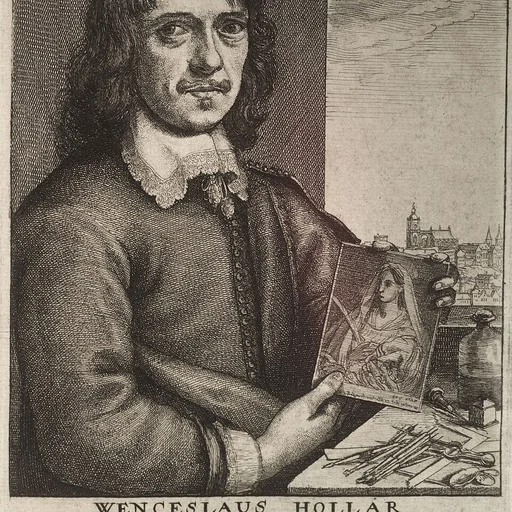
Artist
Wenceslaus Hollar (Czech: Václav Hollar (Czech pronunciation: ), German: Wenzel Hollar; 23 July 1607 – 25 March 1677) was a Czech engraver, etcher and painter.