Artwork
Cross section of the human head
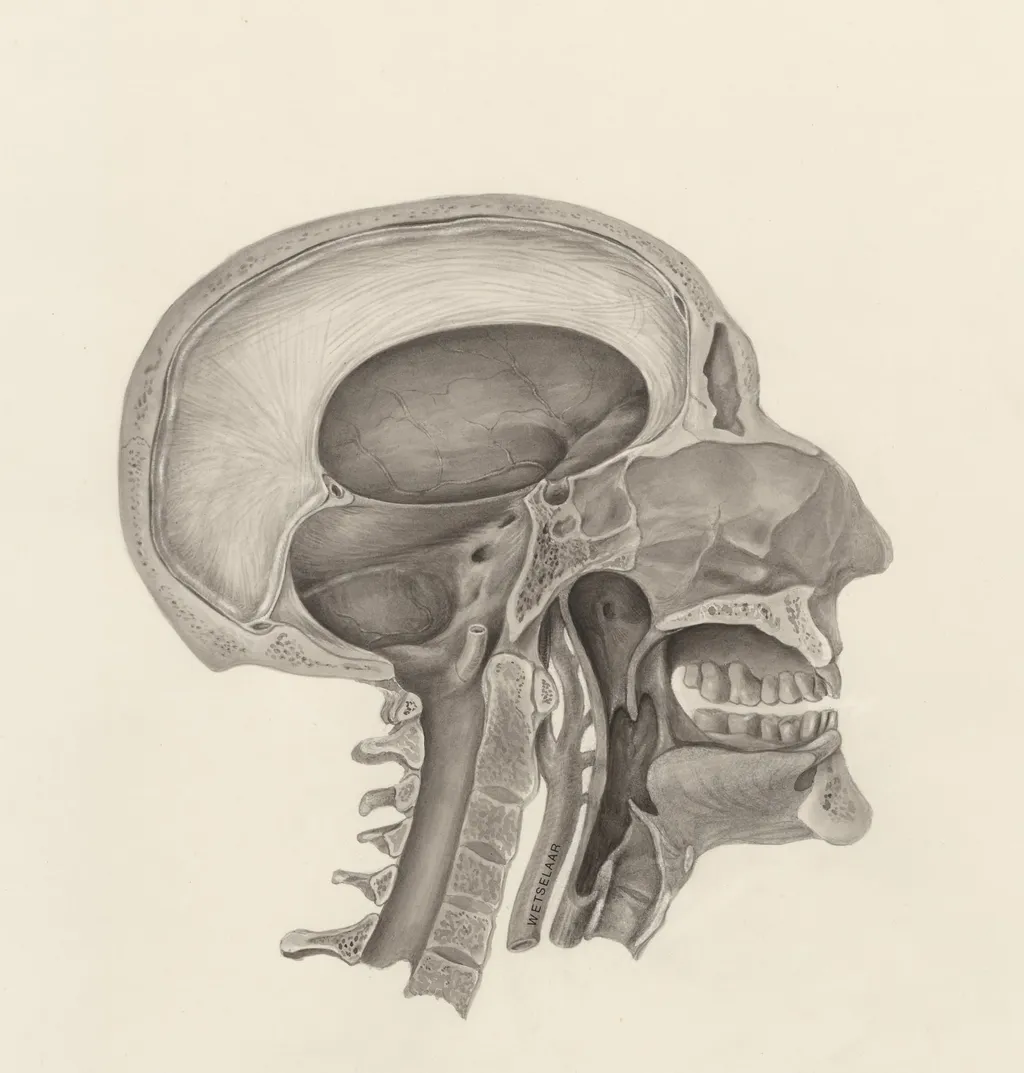
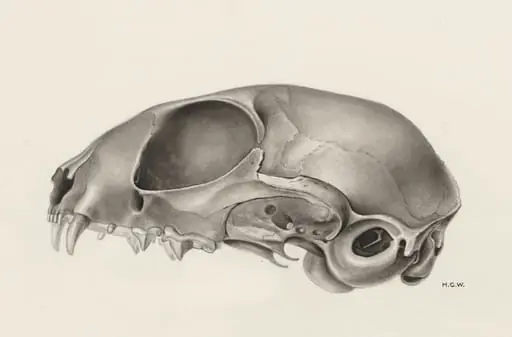
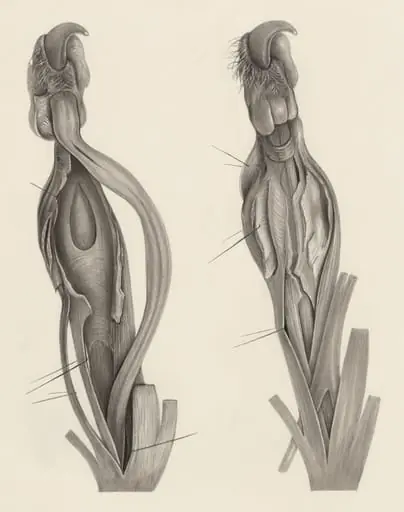
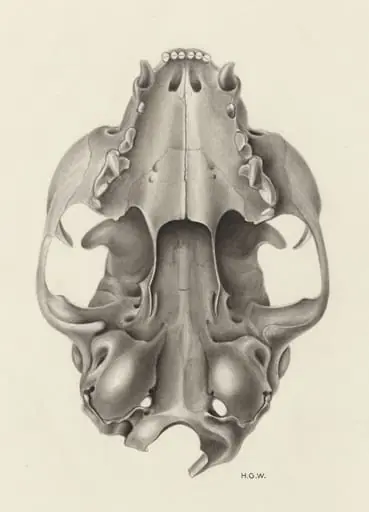
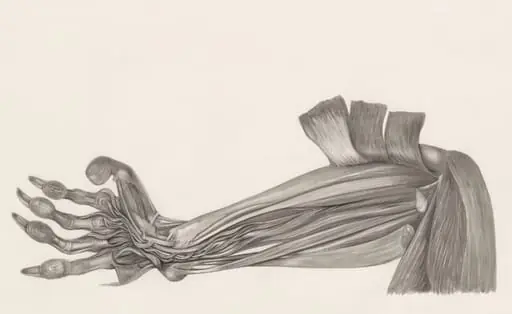
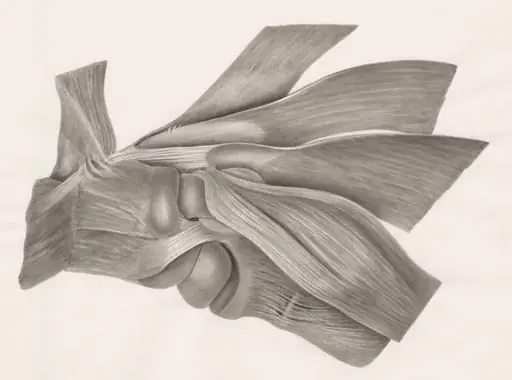
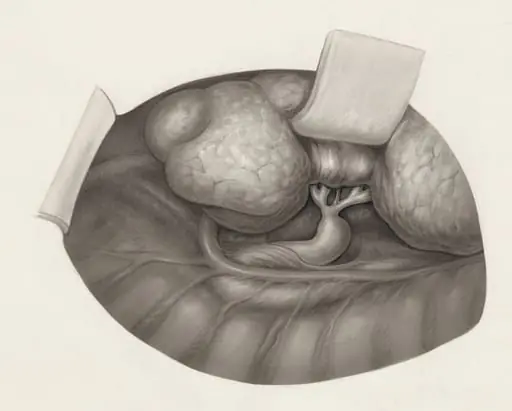
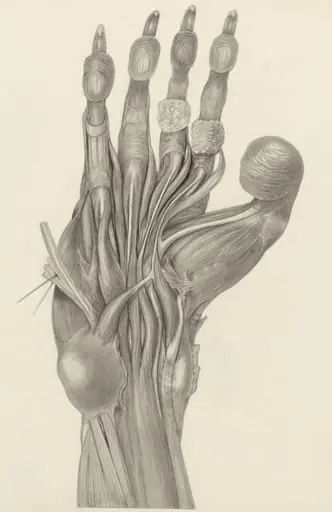
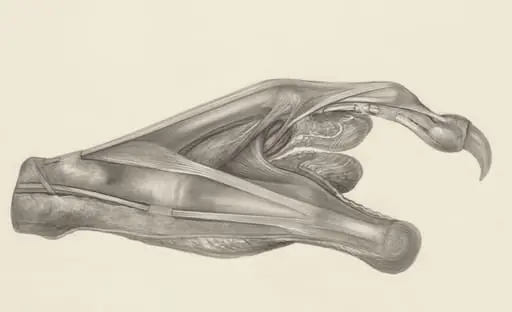
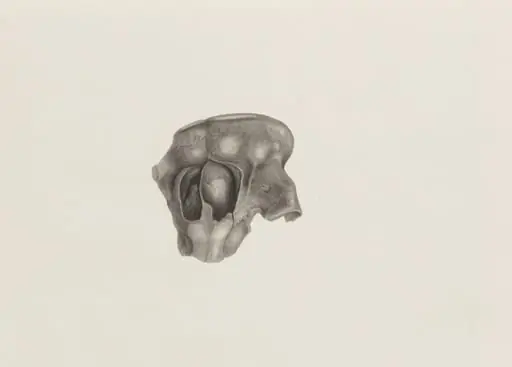
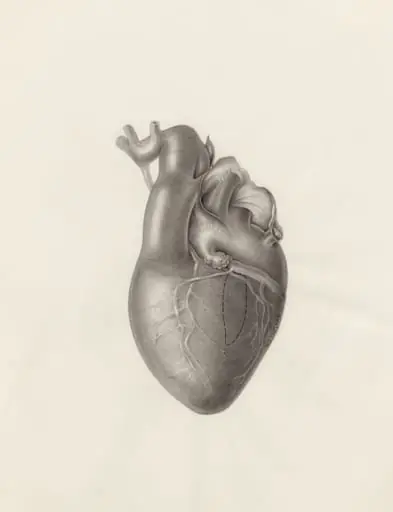
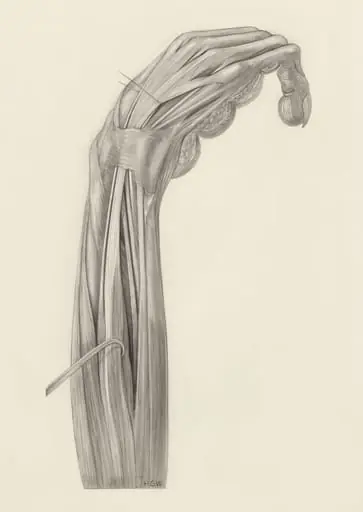
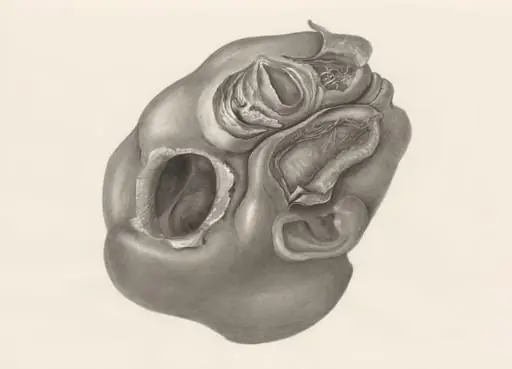
Cross section of the human head is a drawing by H.G, Wetselaar. It dates from 1970 and is held in the collection of the Leiden University Libraries. Created around 1970 by H.
About this work
Overview
Created around 1970 by H.G. Wetselaar, this detailed anatomical drawing depicts a lateral cross section of the human head. Rendered in ink with careful shading, it reveals internal structures from the open jaw to the exposed brain. The work is part of the Museum of Ethnography’s collection, where it serves as a pedagogical tool rather than an artistic statement.
Subject & Meaning
The image presents a surgical-level view of the head’s interior, exposing the skull, teeth, tongue, pharynx, and cerebral cortex. Its purpose is didactic: to illustrate the spatial relationships between hard and soft tissues. The open jaw and peeled-back cranial vault suggest a dissection, emphasizing anatomical accuracy over aesthetic expression.
Technique & Style
Wetselaar employed fine linework, stippling, and cross-hatching to model volume and texture. Bone surfaces are rendered with dense, angular strokes to suggest density, while soft tissues like the tongue and brain use smoother gradients. The precision of shadowing creates a three-dimensional effect, grounding the illustration in scientific observation rather than imagination.
History & Provenance
The drawing was produced in the early 1970s and entered the Museum of Ethnography’s holdings shortly thereafter. It was likely used in teaching or public education, reflecting mid-20th century efforts to make human anatomy accessible through visual media. No record of prior ownership or exhibition exists beyond its institutional acquisition.
Context
During the 1970s, anatomical illustrations remained vital in medical education, especially where photography was limited or impractical. Wetselaar’s work aligns with a tradition of hand-drawn dissection plates, bridging art and science. Its inclusion in an ethnographic museum suggests an interest in the human body as a cultural and biological artifact.
Legacy
Though not widely published, the drawing exemplifies mid-century anatomical illustration techniques that prioritized clarity and detail. It remains a reference for understanding how pre-digital methods conveyed complex biological structures. Its presence in an ethnographic context invites reflection on how societies visualize and interpret the human form.
Artist & collection
Artist
H.G. Wetselaar spent his days hunched over microscopes in a quiet Leiden lab, sketching what most people ignore. His pencil caught the raw architecture of bodies we pretend are smooth—like the knotted muscles of a…