Artwork
Human organs
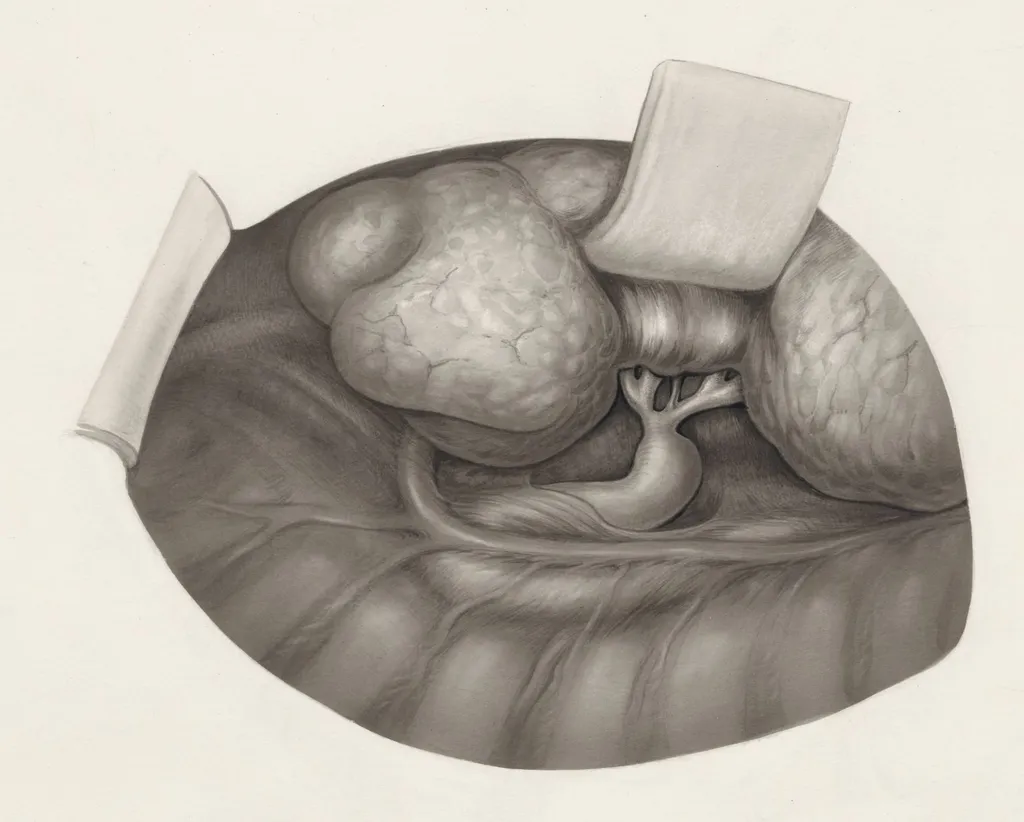
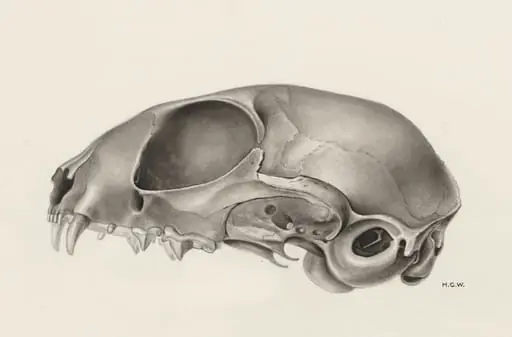
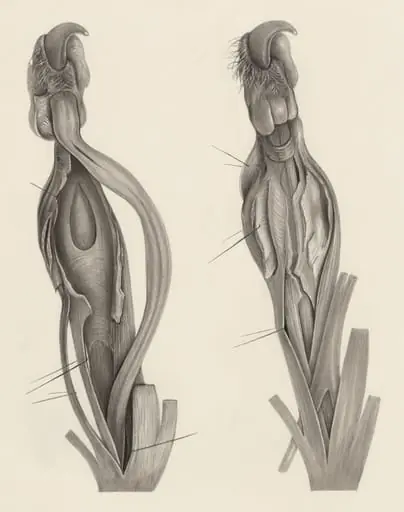
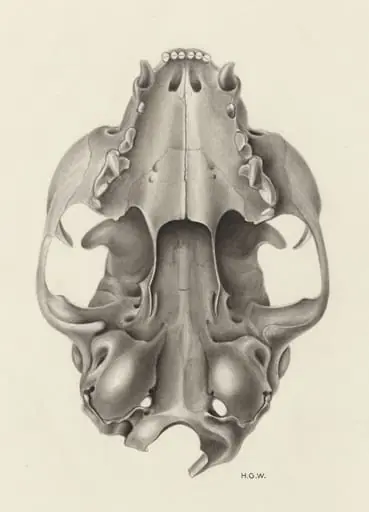
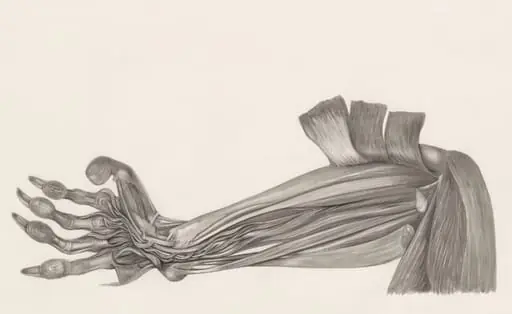
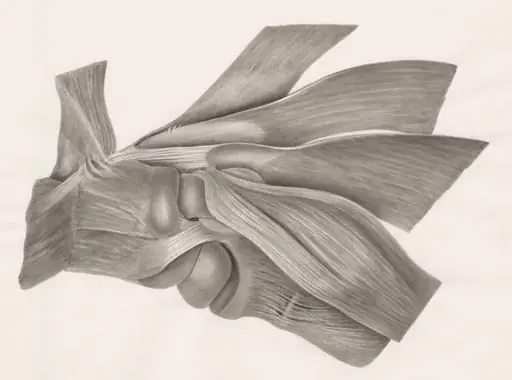
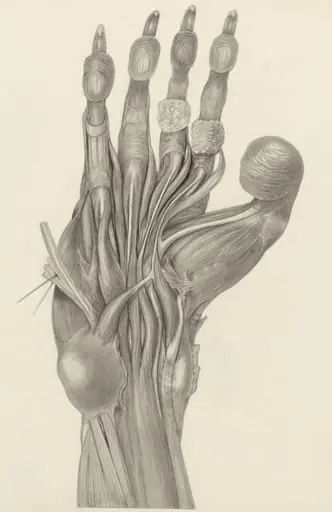
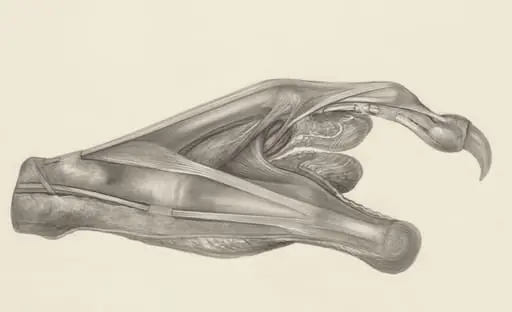
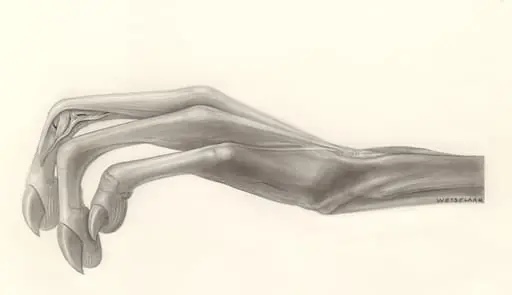
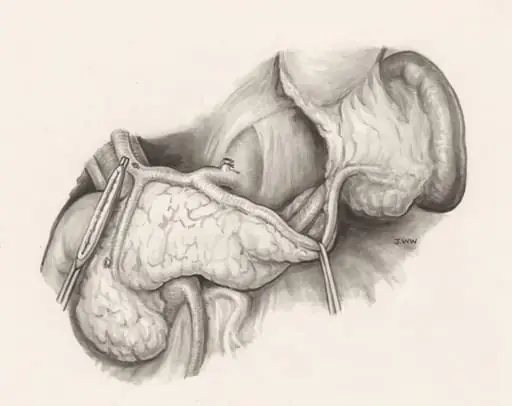
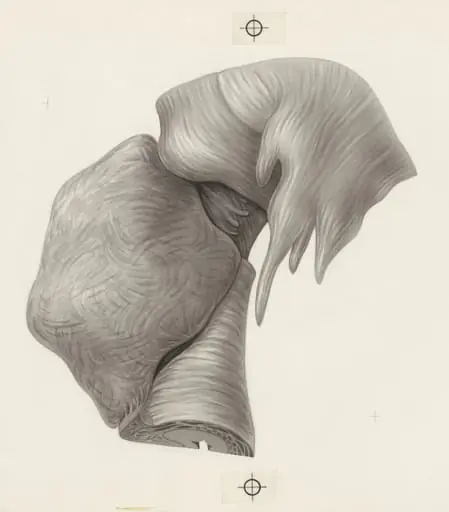
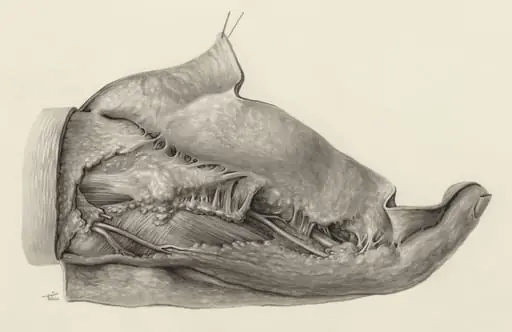
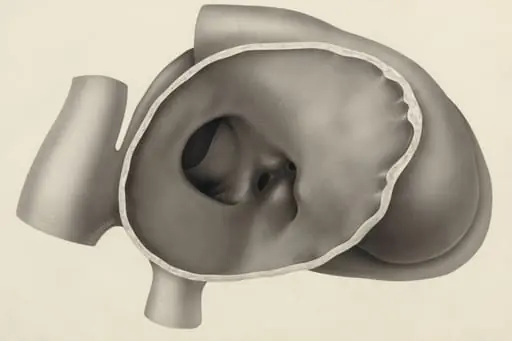
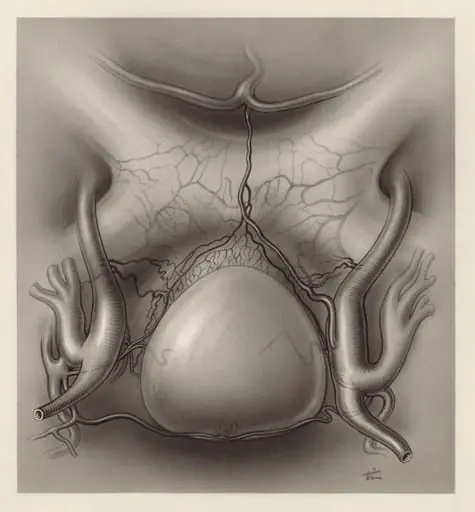
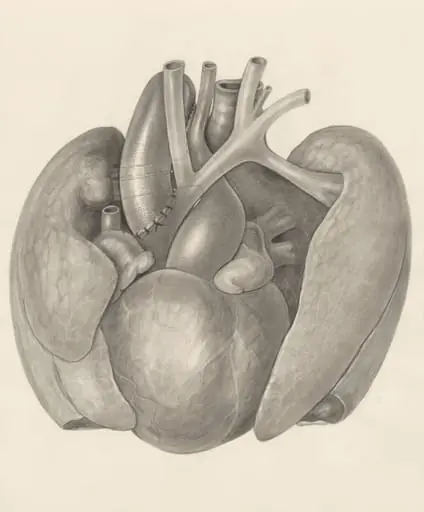
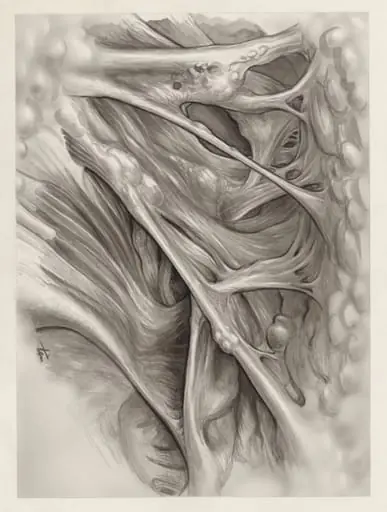
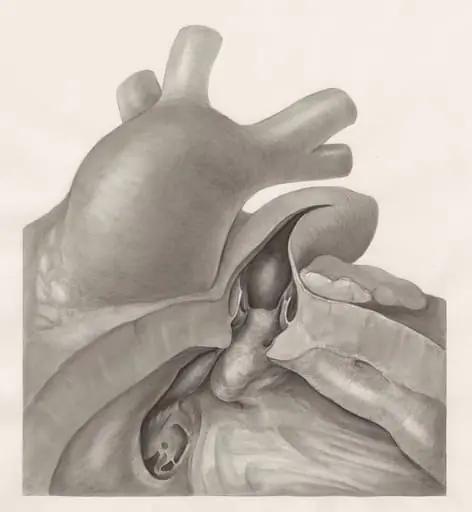
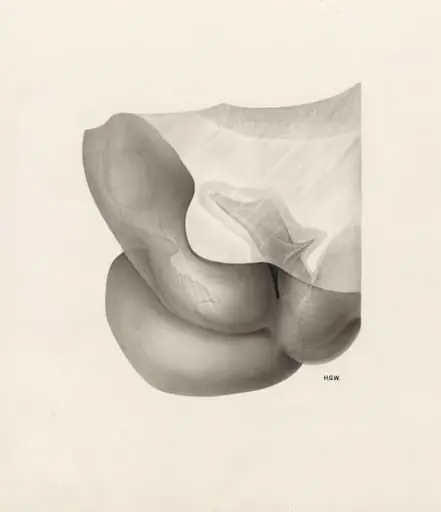
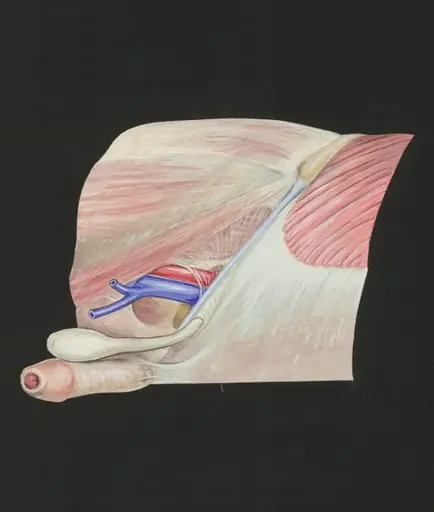
Human organs is a drawing by H.G, Wetselaar. It dates from 1970 and is held in the collection of the Leiden University Libraries.
About this work
Overview
Human Organs, executed around 1970 by H.G. Wetselaar, is part of the collection of the Museum of Ethnography. The work is a detailed drawing that presents an anatomical tableau, emphasizing the physicality of internal human structures.
Subject & Meaning
The composition depicts a cluster of organs emerging from an opened torso, with a prominently rendered liver atop a mass of coiled intestines. A hand extends from beneath the organs, clutching a white cloth, suggesting themes of exposure, vulnerability, or medical intervention.
Technique & Style
Wetselaar employs meticulous cross‑hatching to render texture and volume, capturing the grainy surface of the liver and the intricate folds of the intestines. The drawing’s precise line work creates a stark, almost clinical realism, avoiding decorative embellishment.
History & Provenance
Created circa 1970, the piece entered the Museum of Ethnography’s holdings, where it remains accessible for study. No further exhibition history or ownership changes are documented in the available records.
Context
The work aligns with mid‑20th‑century interests in anatomical illustration and the intersection of art and medical science. Its unflinching representation reflects broader artistic explorations of the body’s interior during that period.
Artist & collection
Artist
H.G. Wetselaar spent his days hunched over microscopes in a quiet Leiden lab, sketching what most people ignore. His pencil caught the raw architecture of bodies we pretend are smooth—like the knotted muscles of a…