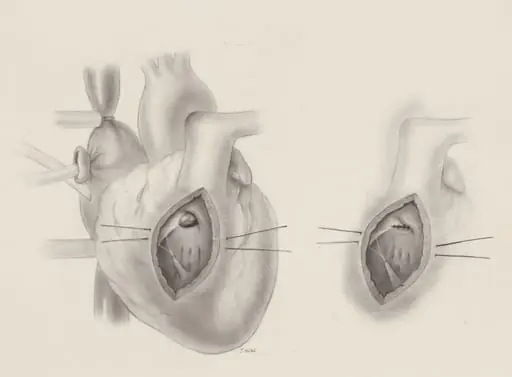
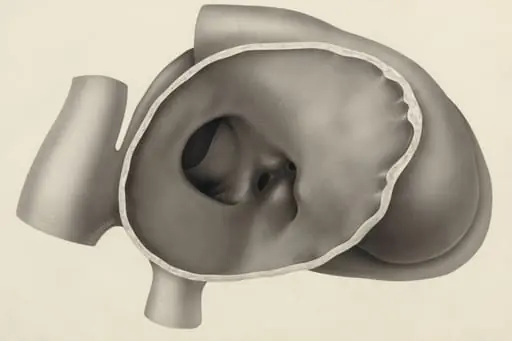
Artwork
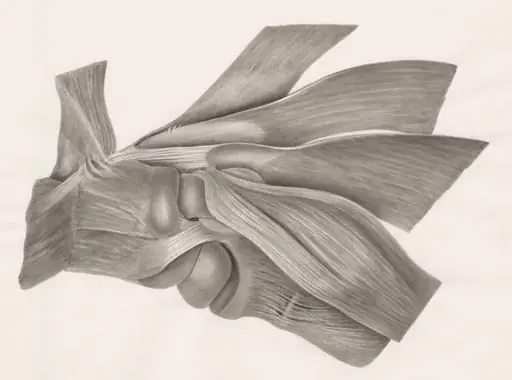
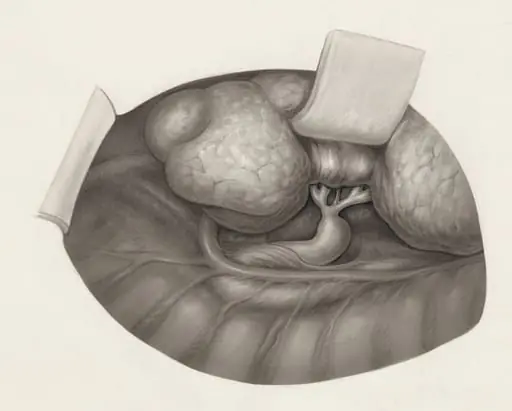
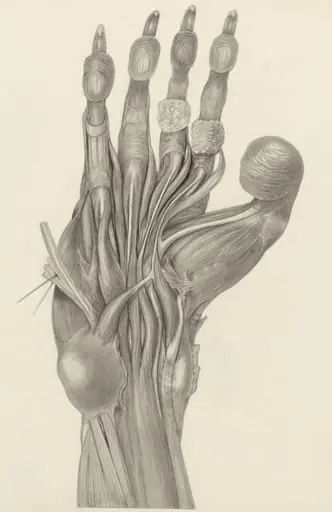
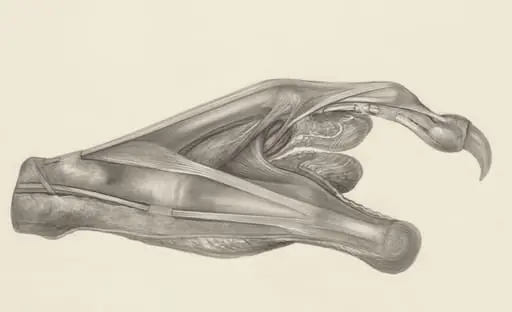
Two hearts, one being rotated by a hand
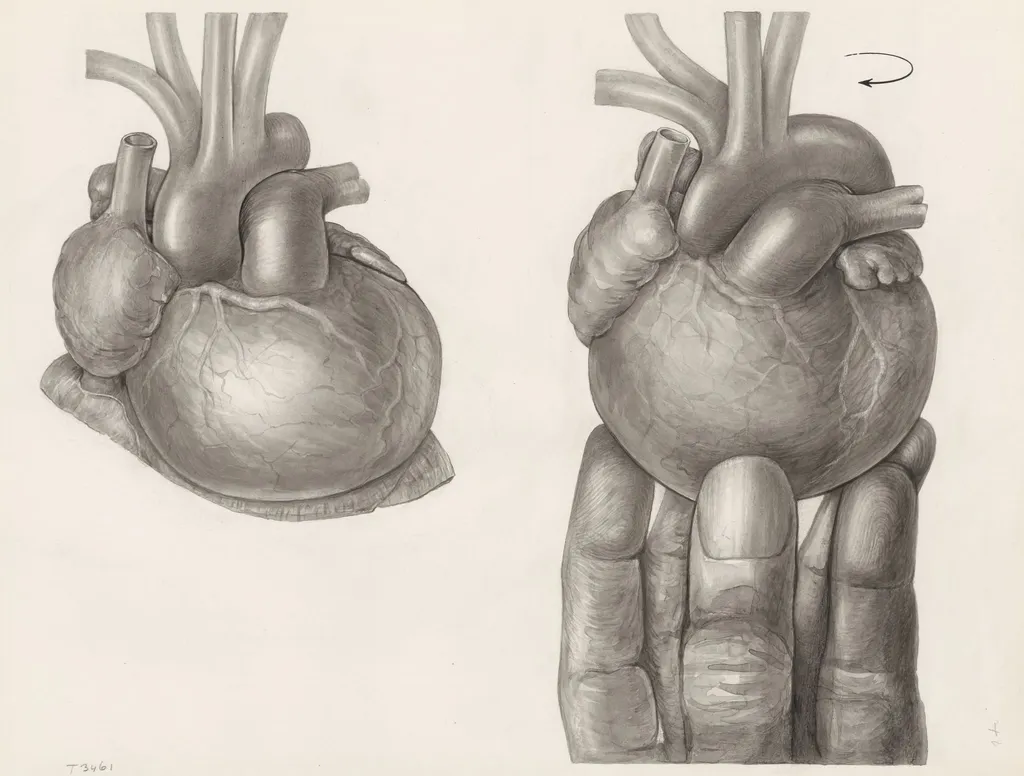
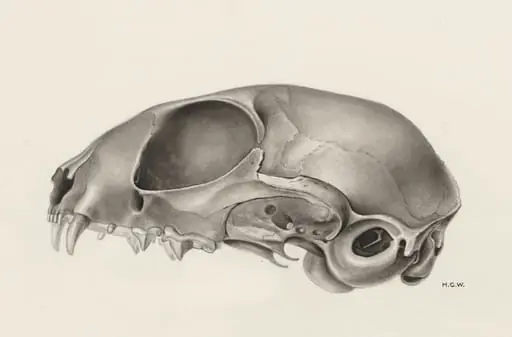
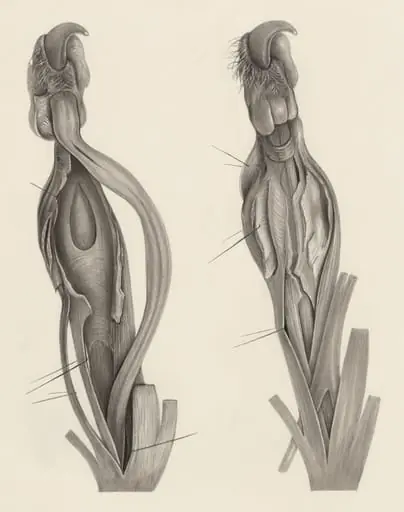
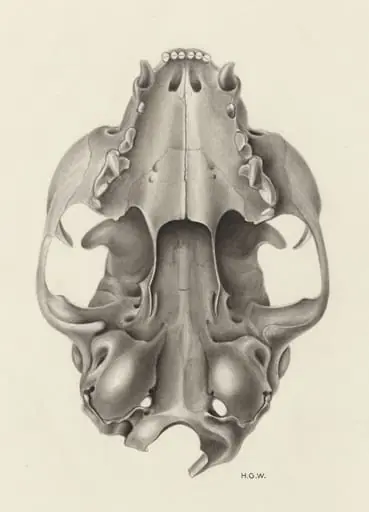
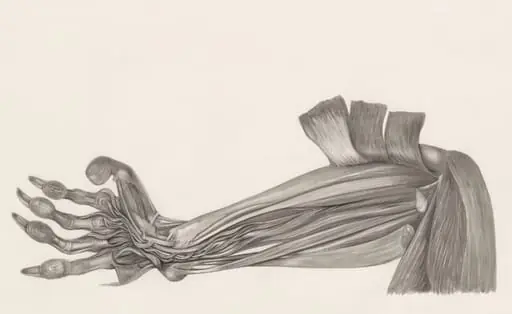
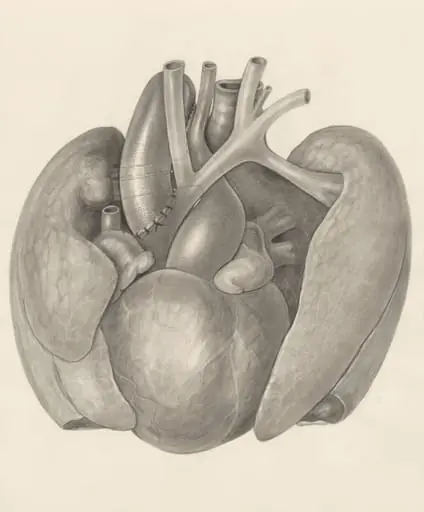
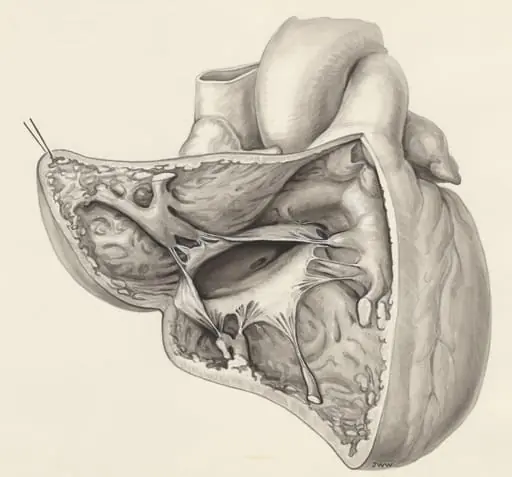
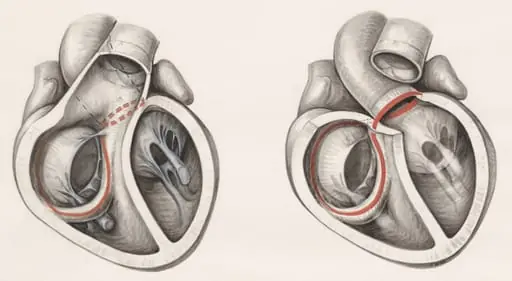
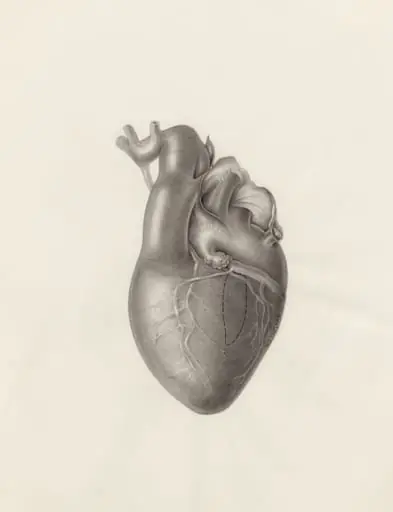
Two hearts, one being rotated by a hand is a drawing by H.G, Wetselaar. It dates from 1970 and is held in the collection of the Leiden University Libraries. Created around 1970 by H.
About this work
Overview
Created around 1970 by H.G. Wetselaar, this drawing depicts two human hearts in parallel arrangement. One is displayed in cross-section, revealing internal structures, while the other remains intact, being gently rotated by a hand. The work is held in the collection of the Museum of Ethnography and presents a clinical yet intimate study of cardiac anatomy through precise draftsmanship.
Subject & Meaning
The dual representation of the hearts suggests a contrast between internal visibility and external concealment. The exposed heart lays bare its chambers and valves, while the intact one, turned by a hand, invites scrutiny of its hidden surfaces. This duality may reflect themes of revelation and observation, framing the heart as both biological organ and symbolic entity under examination.
Technique & Style
Wetselaar employed fine-line shading and cross-hatching to render the texture of cardiac muscle and vascular networks with anatomical accuracy. The veins and fibrous tissue are meticulously detailed, their twisting paths suggesting movement and tension. The hand rendering the rotation is rendered with soft contours, grounding the scientific imagery in human agency and tactile presence.
History & Provenance
The drawing entered the Museum of Ethnography’s collection in the late 20th century, likely acquired as part of a broader interest in medical illustration as cultural artifact. Its origin as a standalone study, rather than a published diagram, suggests it may have been part of the artist’s personal exploration of bodily form and function during the 1960s–70s.
Context
Produced during a period of growing public engagement with medical science, the work aligns with contemporaneous efforts to visualize internal anatomy beyond textbooks. While not tied to a specific institution or publication, its detailed execution reflects the influence of anatomical drawing traditions, blending scientific rigor with artistic intention.
Legacy
The drawing remains a quiet example of mid-century medical illustration that prioritizes observation over spectacle. It contributes to the archive of hand-drawn anatomical studies that predate digital imaging, preserving a tactile, labor-intensive approach to understanding the human body through sustained visual attention.
Artist & collection
Artist
H.G. Wetselaar spent his days hunched over microscopes in a quiet Leiden lab, sketching what most people ignore. His pencil caught the raw architecture of bodies we pretend are smooth—like the knotted muscles of a…