Artwork
Cross section of the pelvis
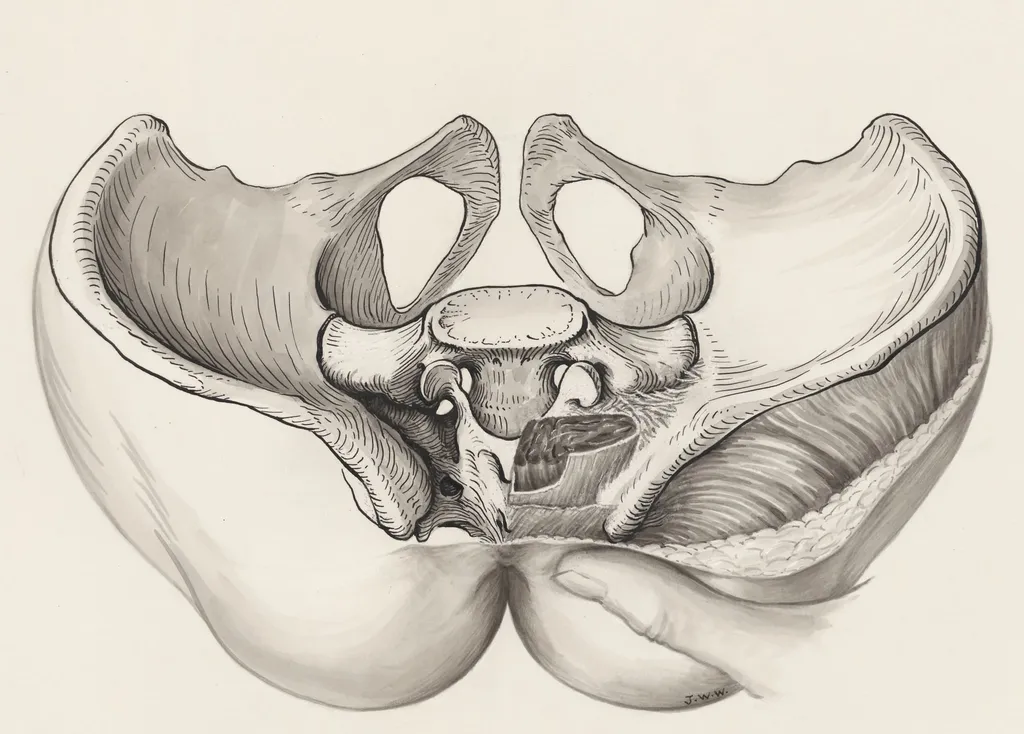
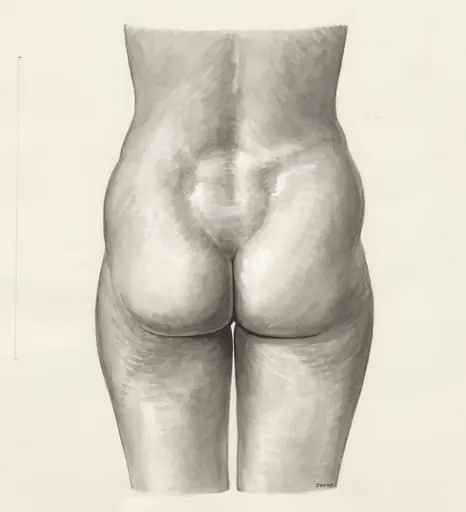
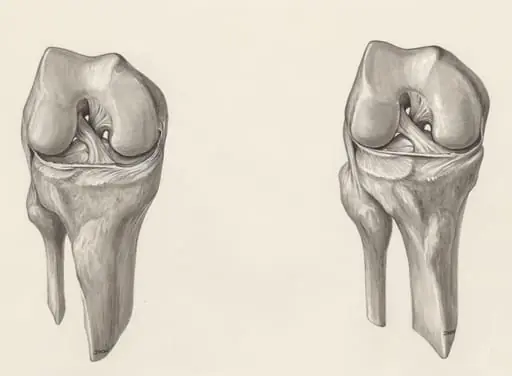
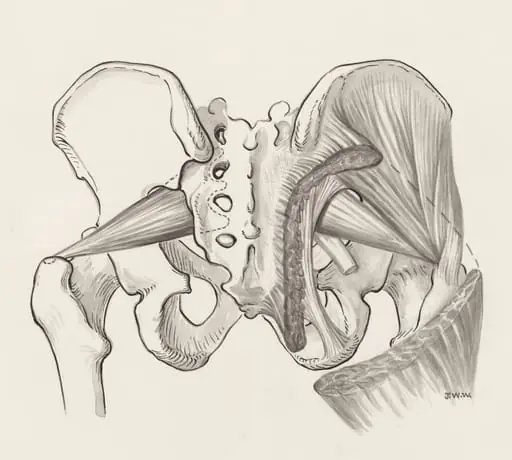
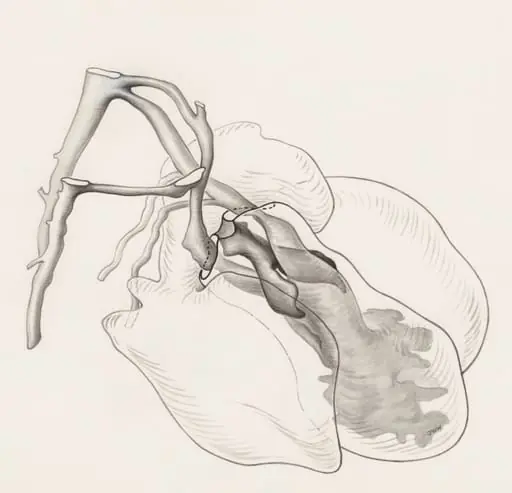
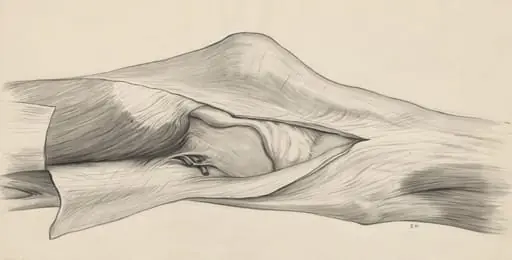
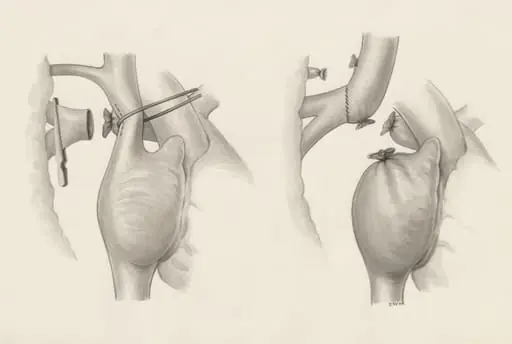
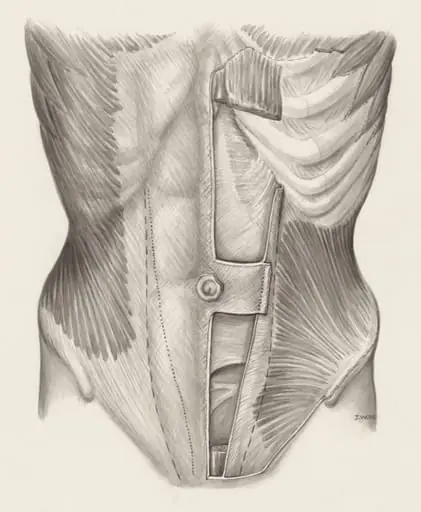
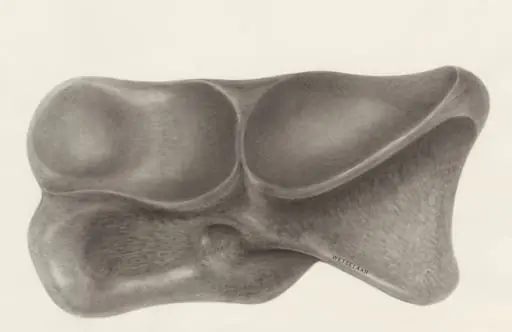
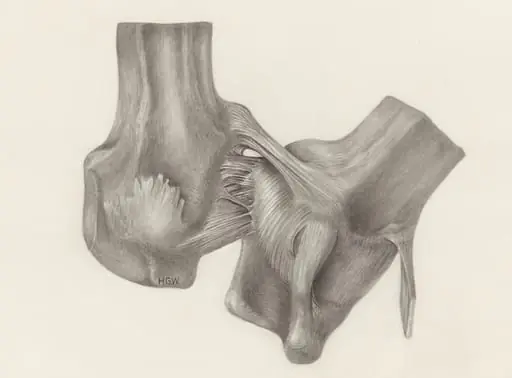
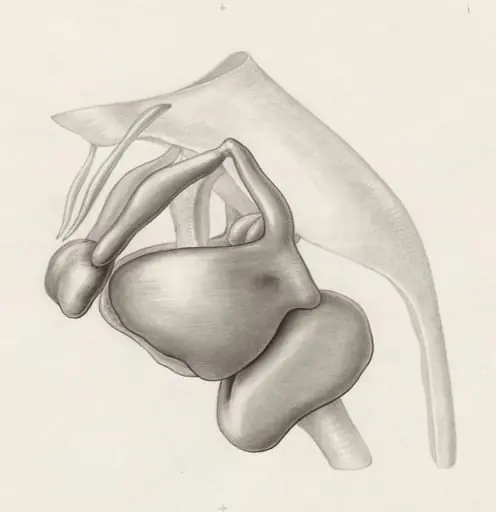
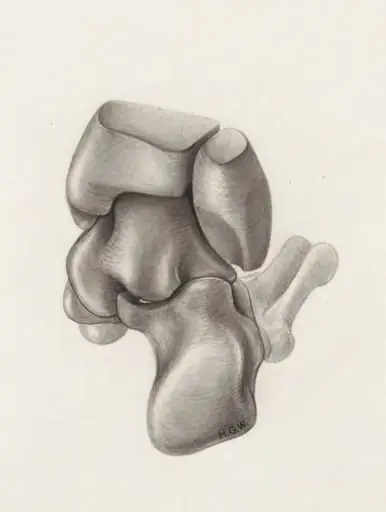
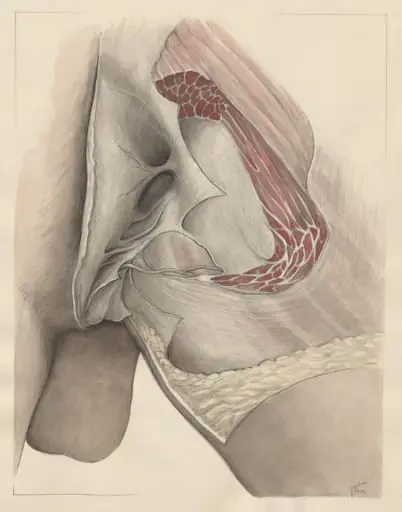
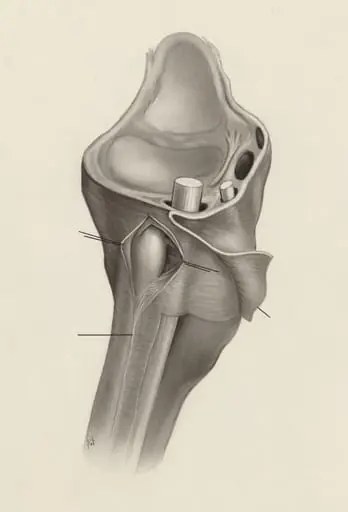
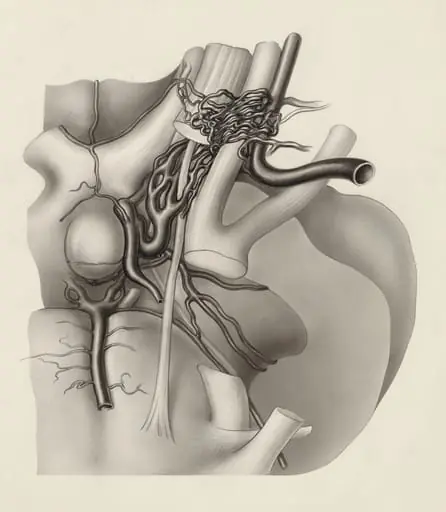
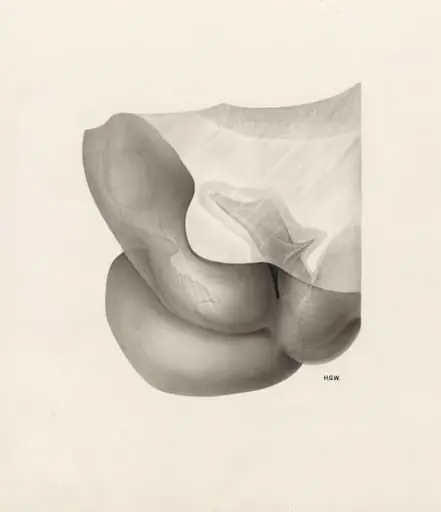
Cross section of the pelvis is a drawing by J Wetselaar-Whittaker. It dates from 1970 and is held in the collection of the Leiden University Libraries. Created around 1970 by J.
About this work
Overview
The work is held in the collection of the Museum of Ethnography, suggesting its value as a scientific artifact within a broader cultural context.
Created around 1970 by J. Wetselaar-Whittaker, this detailed anatomical drawing depicts a cross-sectional view of the human pelvis. Rendered in grayscale, the image isolates internal structures—bones, musculature, and soft tissues—without color or decorative elements. Its purpose appears functional, aligned with medical education rather than artistic expression. The work is held in the collection of the Museum of Ethnography, suggesting its value as a scientific artifact within a broader cultural context.
Subject & Meaning
The drawing presents the pelvis as a complex system of interconnected structures, revealing the spatial relationships between skeletal elements and surrounding tissues. It does not idealize or stylize the body but instead documents its physical reality with clinical accuracy. The inclusion of muscles and organs implies an intent to illustrate function alongside form, serving as a visual reference for understanding human anatomy in a surgical or academic setting.
Technique & Style
The artist employed fine, controlled lines and subtle tonal gradations to convey depth and volume. Shading is achieved through precise hatching and cross-hatching, avoiding washes or smudging. Each contour is rendered with methodical attention, emphasizing anatomical precision over aesthetic flair. The monochromatic palette enhances clarity, allowing the viewer to distinguish layers of tissue without visual distraction.
History & Provenance
The drawing was produced in the early 1970s and entered the collection of the Museum of Ethnography, where it remains today. Its presence in an ethnographic institution, rather than a medical museum, suggests it was acquired as part of a broader interest in the representation of the human body across cultures and disciplines. No record of prior ownership or commission is publicly documented.
Context
During the late 20th century, hand-drawn anatomical illustrations remained vital in medical training, even as photographic methods advanced. This work reflects a tradition of detailed draftsmanship used in textbooks and lectures, particularly where clarity and reproducibility were prioritized over realism. Its creation coincided with growing interest in visual literacy within science education.
Legacy
Though not widely exhibited, the drawing endures as an example of mid-century medical illustration that prioritized pedagogical function. It contributes to the historical record of how anatomical knowledge was visually transmitted before digital rendering became standard. Its preservation in an ethnographic context underscores the cultural significance of scientific imagery beyond its immediate utility.
Artist & collection
Artist
This artist made precise studies of the body—drawings and sculptures that cut straight to the bones, muscles, and tissues.