Artwork
Tissue of the human embryo
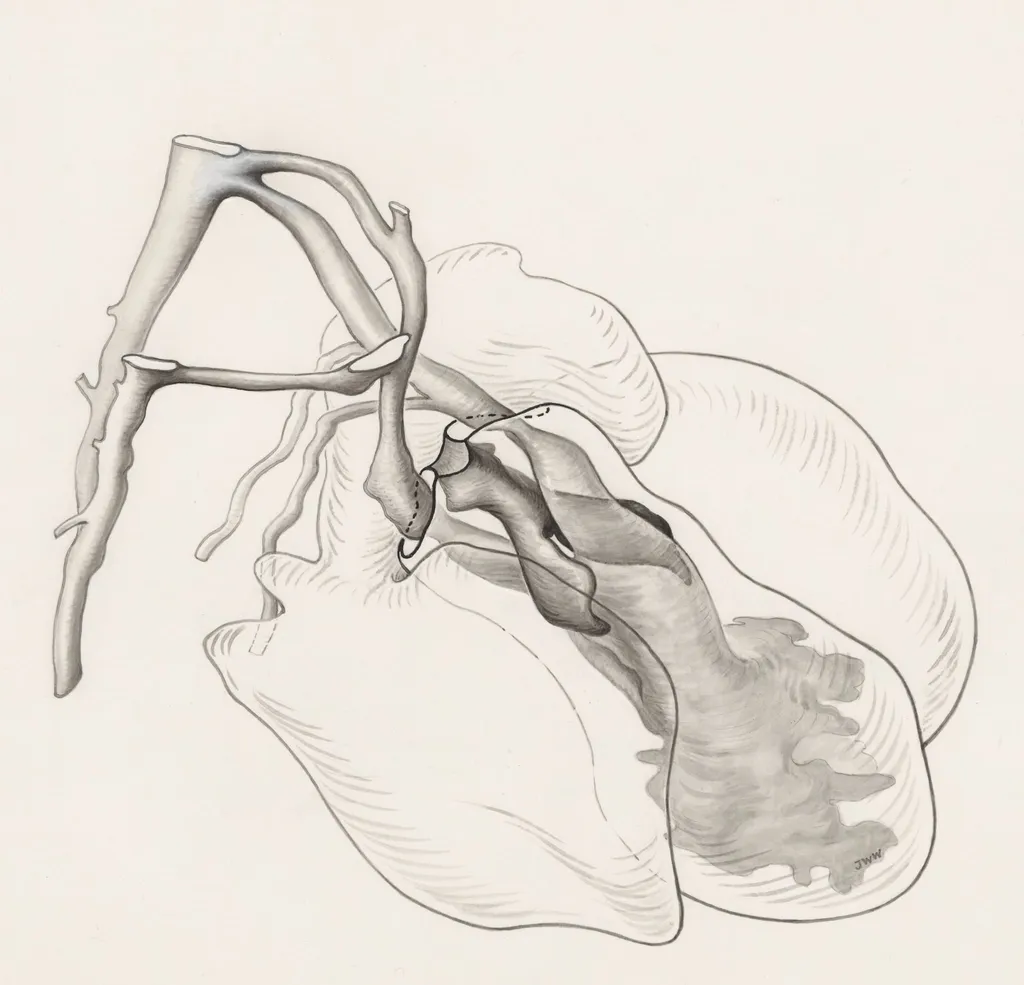
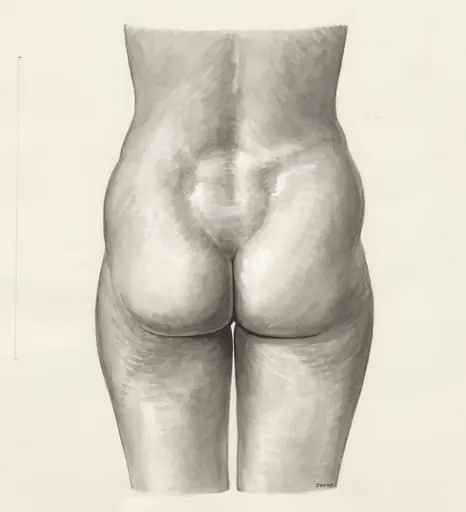
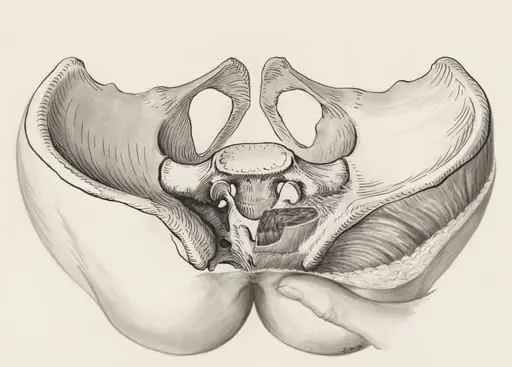
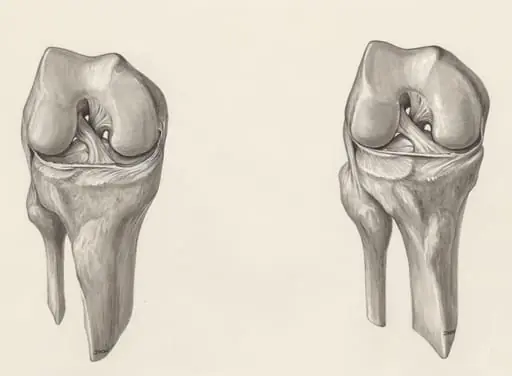
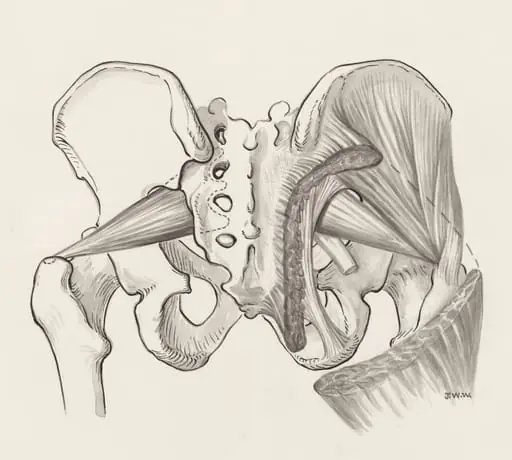
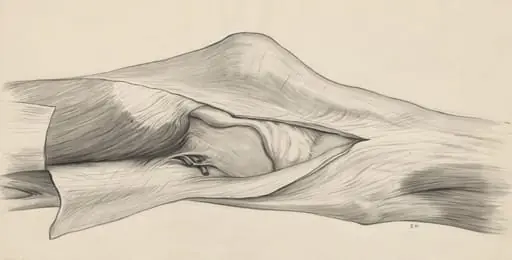
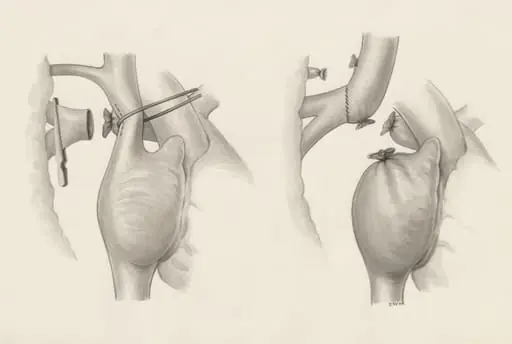
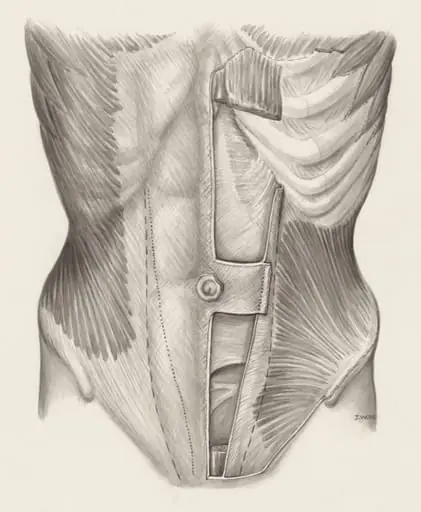
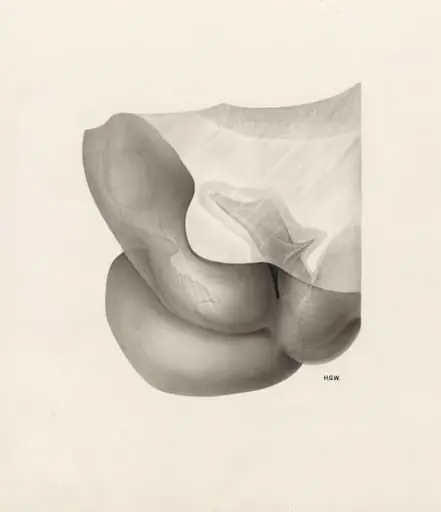
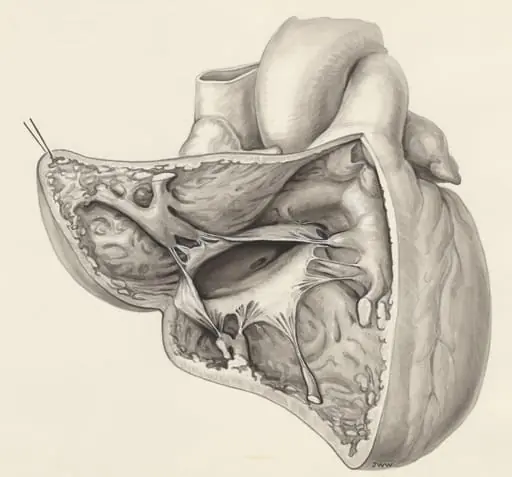
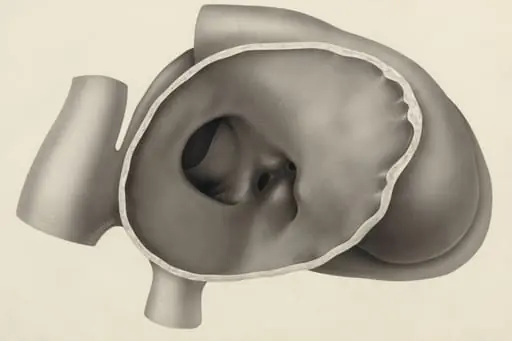
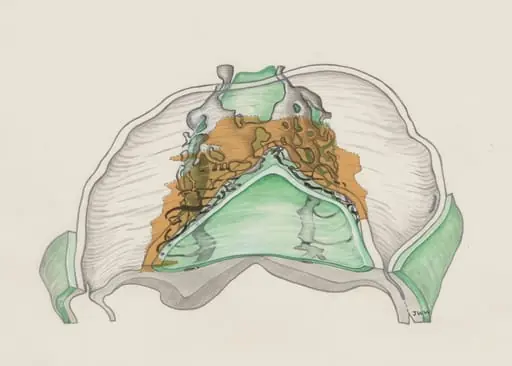
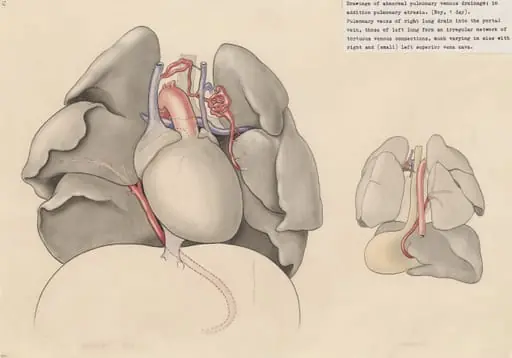
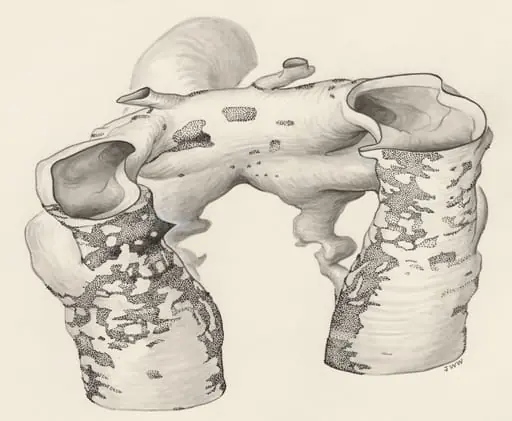
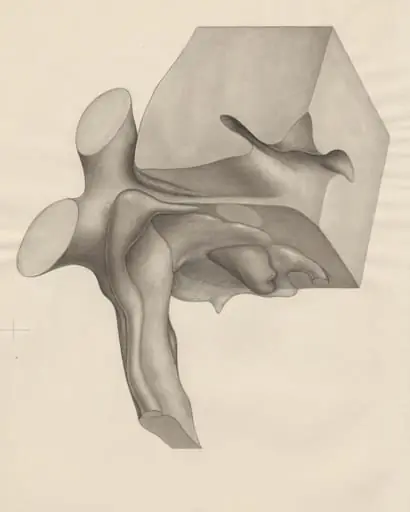
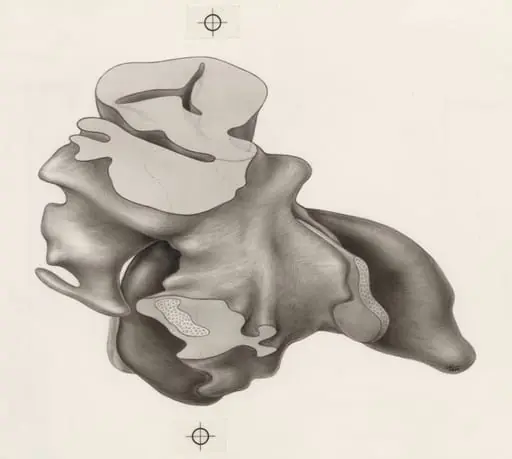
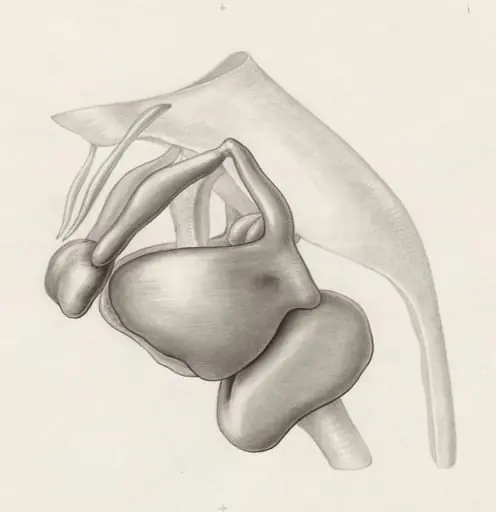
Tissue of the human embryo is a drawing by J Wetselaar-Whittaker. It dates from 1970 and is held in the collection of the Leiden University Libraries. This anatomical drawing depicts a human embryo in precise detail, rendered in pen and grey wash.
About this work
Overview
This anatomical drawing depicts a human embryo in precise detail, rendered in pen and grey wash. The artist employed controlled line work and tonal gradations to capture the delicate forms of early development. The medium allows for subtle shifts in light and shadow, enhancing the three-dimensionality of the subject without color or embellishment.
Subject & Meaning
The drawing presents a human embryo at an early stage of gestation, focusing on anatomical structures such as the neural tube, limb buds, and facial features. Its purpose is scientific: to document developmental morphology with accuracy. The image serves as a visual record for medical study, prioritizing clarity over aesthetic expression.
Technique & Style
The artist used fine pen lines and layered grey washes to model form and texture. Shading is achieved through controlled brushwork, creating soft transitions between light and shadow. The absence of color and reliance on monochrome tones emphasize structure over ornamentation, aligning with the conventions of scientific illustration of the period.
History & Provenance
This drawing originates from a 19th-century anatomical study, likely produced for a medical textbook or academic collection. Such illustrations were often created by artists working in close collaboration with physicians or embryologists. Its survival suggests it was valued as a reference tool within medical education.
Context
During the 1800s, advances in microscopy and dissection fueled demand for accurate visual records of human development. Embryological drawings like this one were essential for teaching and research, bridging the gap between observation and printed knowledge. They reflected a broader shift toward empirical representation in medical science.
Legacy
This drawing exemplifies the tradition of scientific illustration that prioritized fidelity over artistry. Its methods influenced later generations of medical draftsmen and contributed to standardized visual lexicons in embryology. Though now superseded by photographic techniques, such hand-drawn records remain valuable for their interpretive precision.
Artist & collection
Artist
This artist made precise studies of the body—drawings and sculptures that cut straight to the bones, muscles, and tissues.