Artwork
Heart surgery
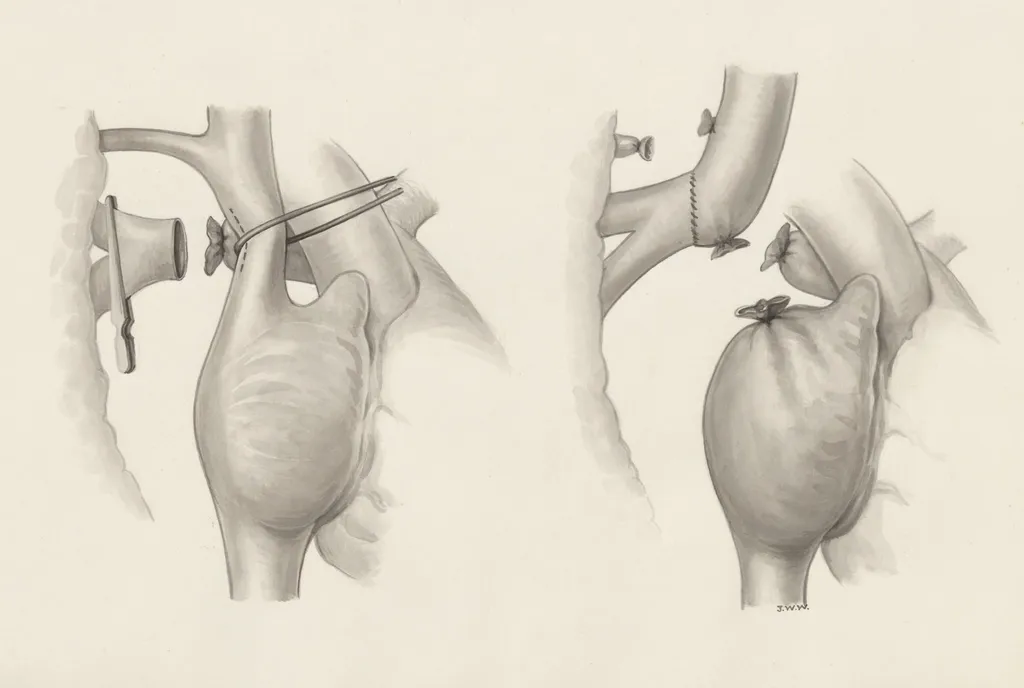
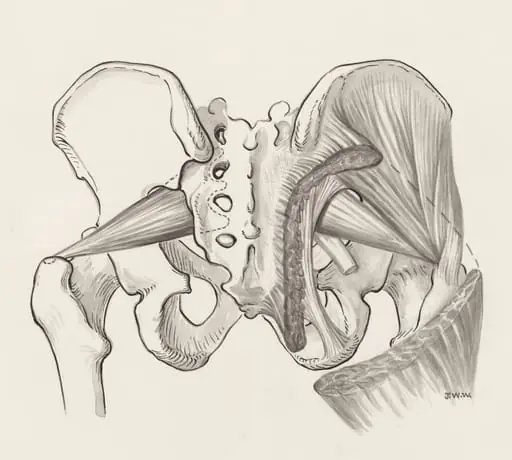
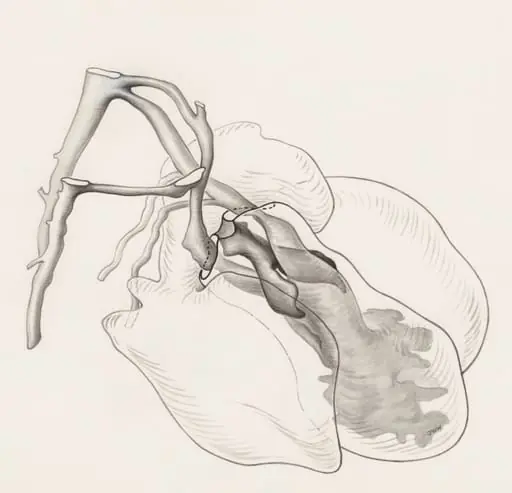
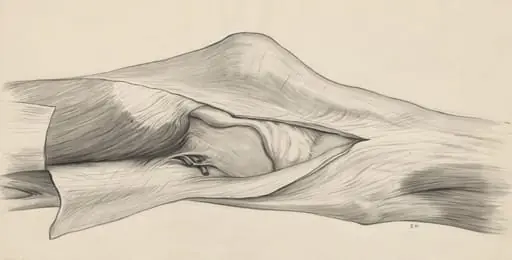
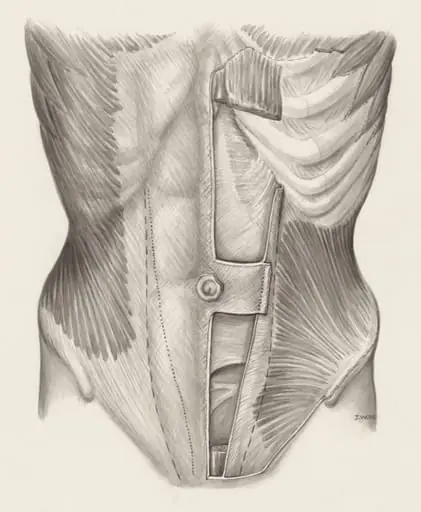
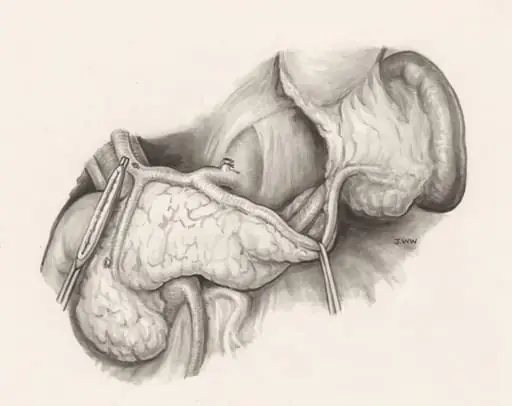
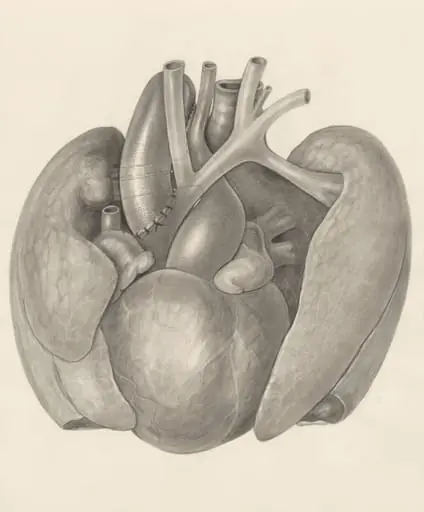
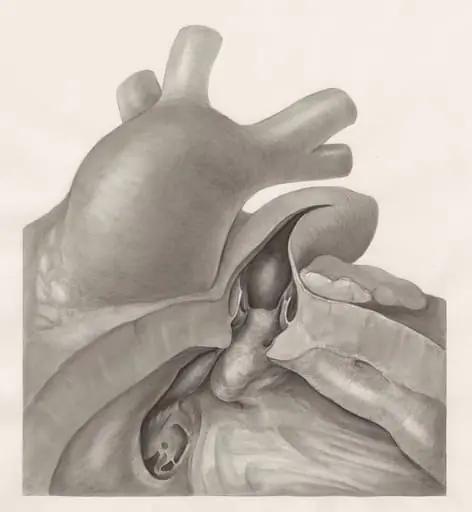
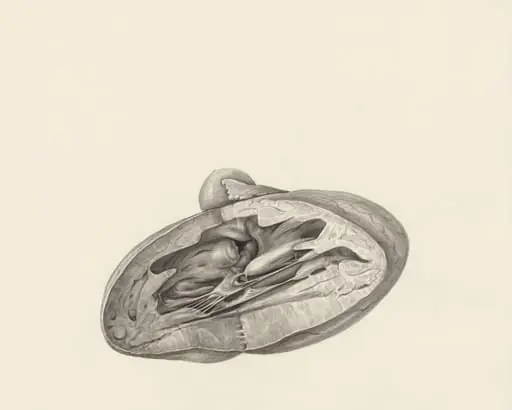
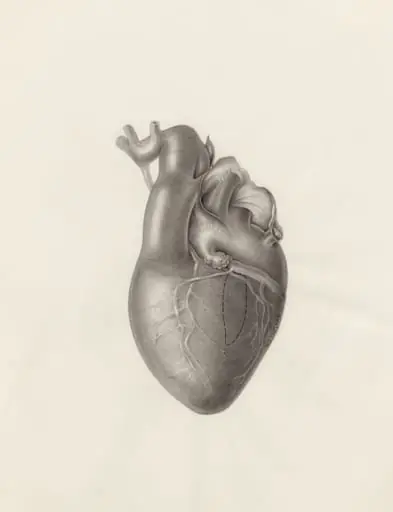
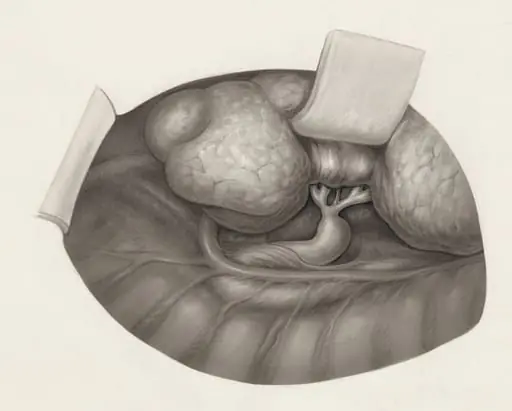
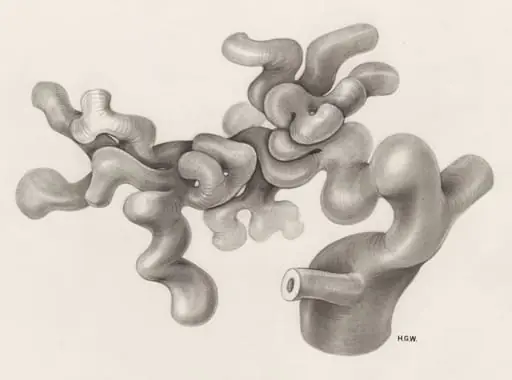
Heart surgery is a drawing by J Wetselaar-Whittaker. It dates from 1970 and is held in the collection of the Leiden University Libraries. Created around 1970 by J.
About this work
Overview
Wetselaar-Whittaker, this work is a detailed anatomical rendering of the human heart, held in the collection of the Museum of Ethnography.
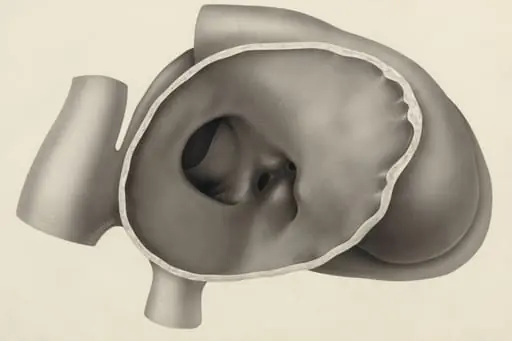
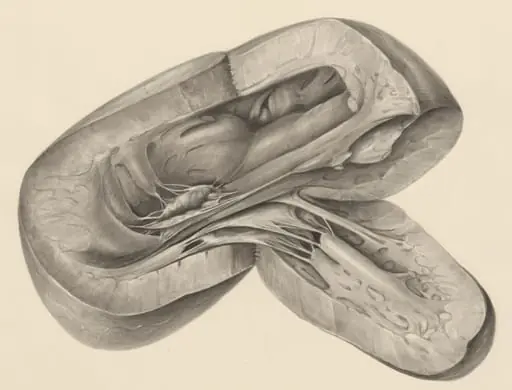
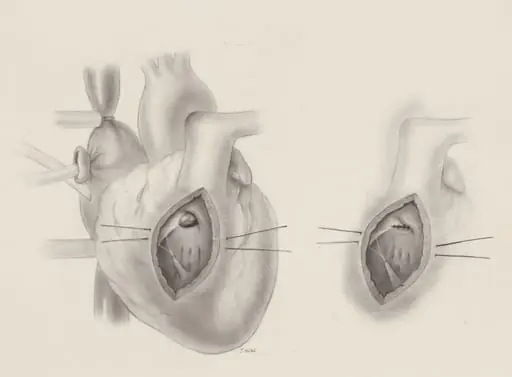
Created around 1970 by J. Wetselaar-Whittaker, this work is a detailed anatomical rendering of the human heart, held in the collection of the Museum of Ethnography. The piece presents two side-view illustrations of the organ, with the upper portion surgically opened to reveal internal structures. Tubing and wiring are depicted as if connected to external support systems, suggesting a medical or experimental context.
Subject & Meaning
The subject is the human heart depicted with clinical precision, emphasizing its mechanical complexity. The exposed interior and attached apparatuses imply an interventionist perspective—perhaps reflecting mid-20th century advances in cardiac surgery. The image does not convey emotion or symbolism but instead functions as a technical record, aligning with scientific documentation rather than artistic expression.
Technique & Style
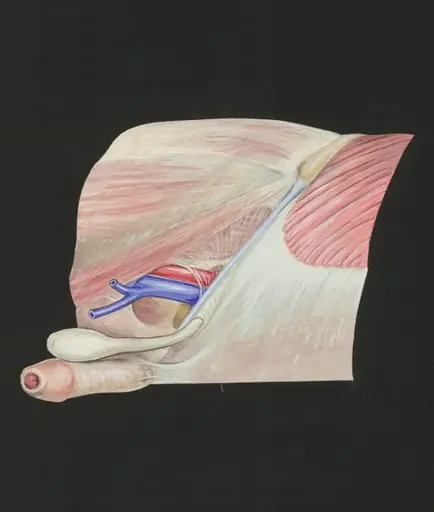
The work employs fine-line draftsmanship with meticulous attention to anatomical detail. Shading and line weight differentiate tissue layers, vessels, and internal chambers. The style resembles medical illustrations used in textbooks or surgical manuals, prioritizing accuracy over aesthetic flourish. The absence of color and background reinforces its function as a reference image.
History & Provenance
The artwork was produced by J. Wetselaar-Whittaker in the early 1970s and entered the Museum of Ethnography’s collection shortly thereafter. Its presence in an ethnographic institution, rather than a medical or art museum, suggests it was acquired as part of a broader study of how scientific knowledge is visually represented across cultures.
Context
During the late 1960s and early 1970s, cardiac surgery was rapidly evolving, with new procedures like bypass and valve replacement becoming more common. This image likely emerged from that era of medical innovation, serving as a visual tool for education or research. Its inclusion in an ethnographic setting reflects growing interest in the cultural dimensions of scientific practice.
Legacy
The work remains a quiet artifact of medical visualization, illustrating how anatomical knowledge was rendered before digital imaging became standard. While not widely known, it contributes to understanding the intersection of art, science, and institutional collecting practices in the late 20th century.
Artist & collection
Artist
This artist made precise studies of the body—drawings and sculptures that cut straight to the bones, muscles, and tissues.