Artwork
Christopher Chelys Simpson
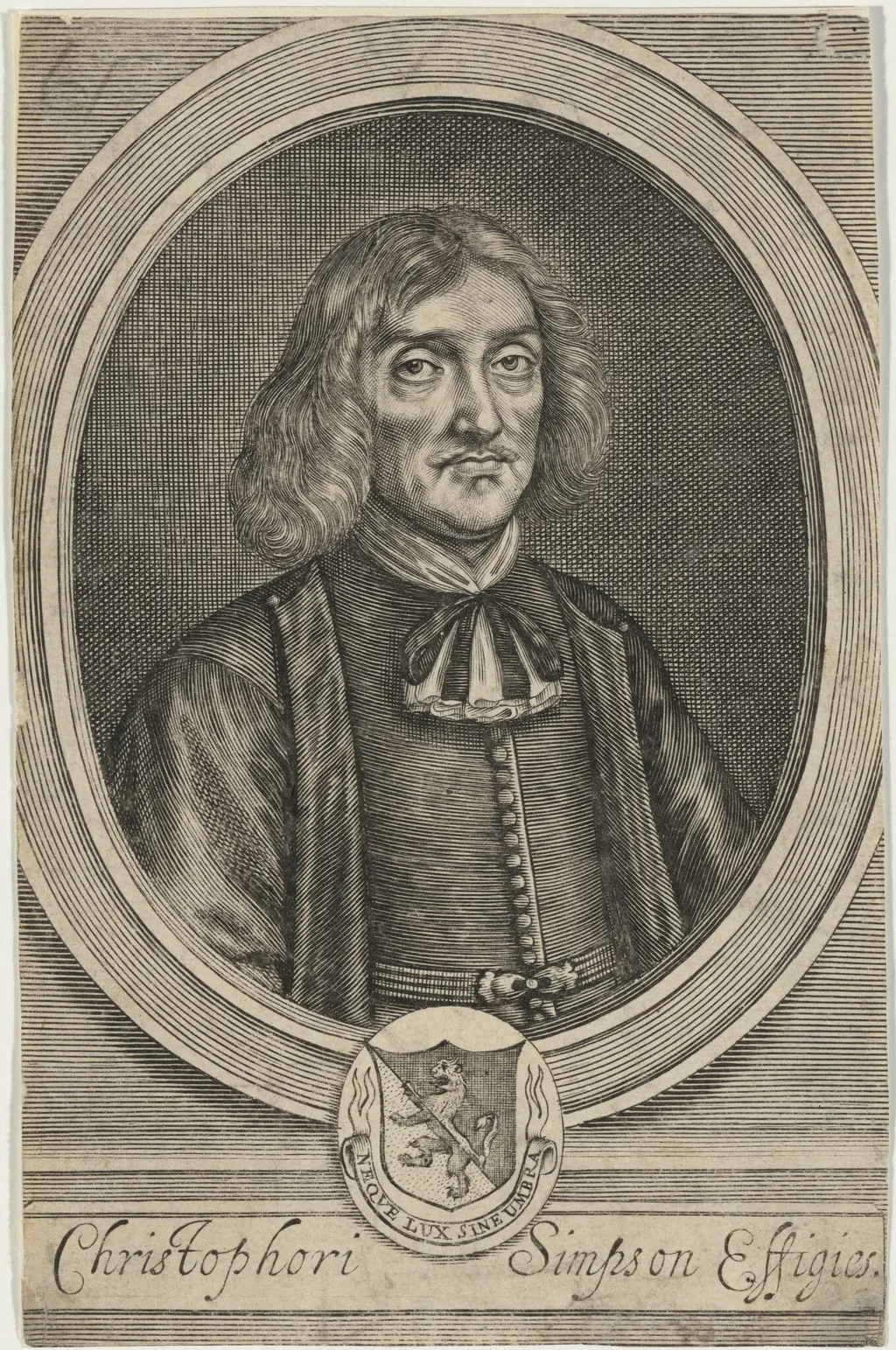
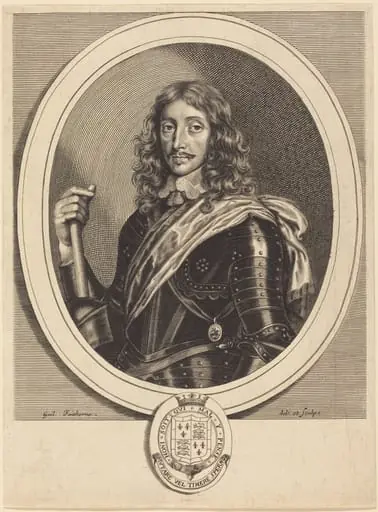
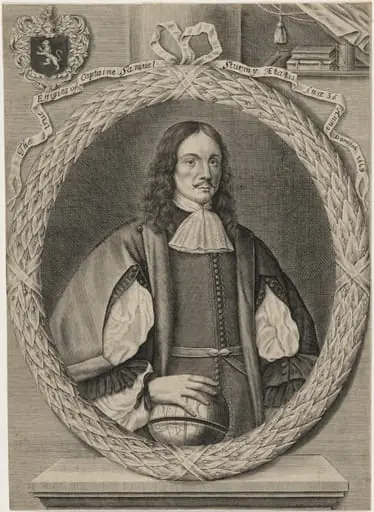
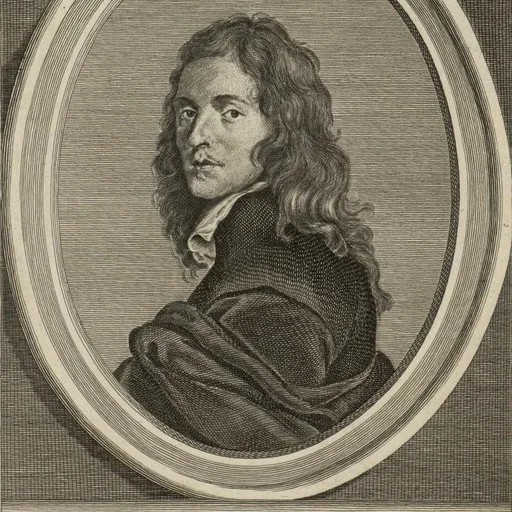
Christopher Chelys Simpson is an ink print by the Baroque artist William Faithorne. It dates from 1667 and is held in the collection of the National Gallery of Art.
About this work
Overview
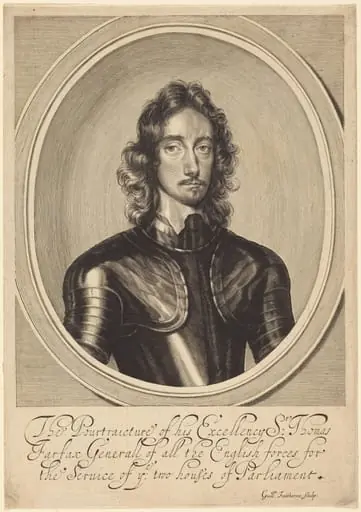
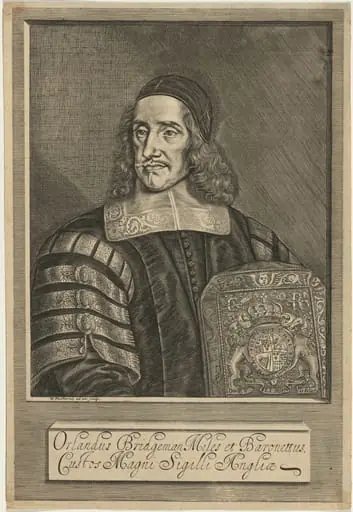
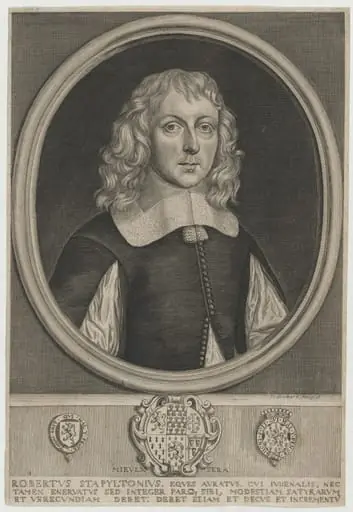
The print is a 1667 engraving by the English printmaker William Faithorne, depicting Christopher Chelys Simpson. Executed in black ink on paper, the portrait presents a formally dressed gentleman with a high collar, a decorative chain, and an elaborate coat, accompanied by a small shield bearing a lion and inscription.
Subject & Meaning
The sitter, identified by the accompanying shield, is Christopher Chelys Simpson, whose status is suggested by the luxurious attire and heraldic device. The serious expression and dignified pose reflect the conventions of 17th‑century portraiture, emphasizing the subject’s social standing and personal gravitas.
Technique & Style
Faithorne employed fine cross‑hatching to model light and shadow, creating a nuanced surface texture despite the medium’s limitations. The meticulous line work produces a sense of depth and materiality, characteristic of English engraving in the mid‑1600s, where precision and tonal variation were achieved through dense, intersecting strokes.
History & Provenance
Created in 1667, the engraving was likely produced for private circulation among Simpson’s acquaintances or as a commemorative image. Faithorne’s prints were widely collected in the period, and this work has survived in several institutional holdings, indicating its continued relevance to scholars of early modern English portraiture.
Context
The portrait belongs to a broader tradition of English engravings that documented the emerging gentry class after the Civil War. Faithorne, a prominent engraver trained under the Dutch master John Payne, contributed to the visual culture that recorded personal identity and lineage through printed portraiture.
Artist & collection
Artist
William Faithorne (1616–1691) was a British artist, born in Greater London.