Artwork
Catherine of Aragon, First Wife of Henry VIII
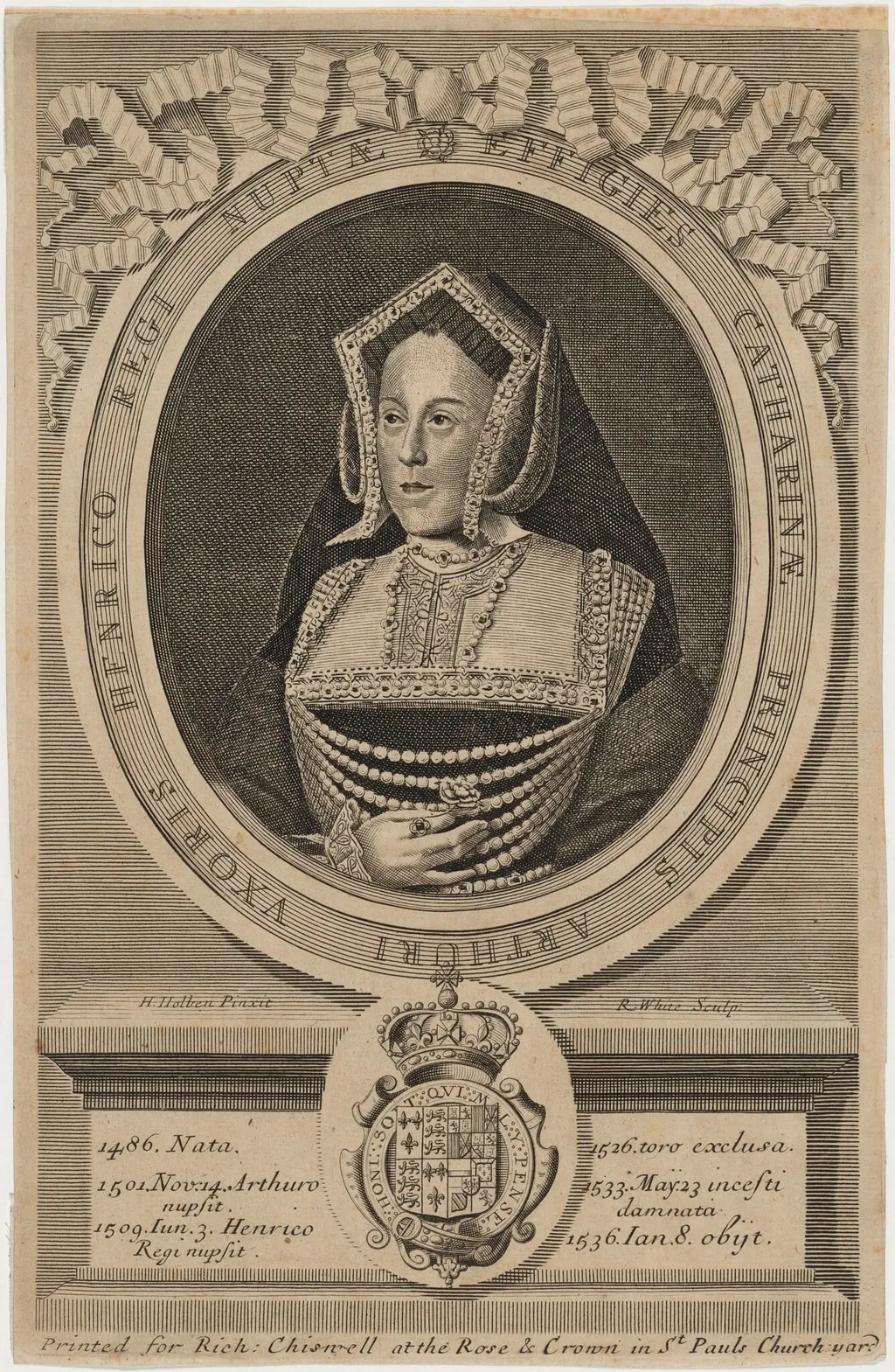
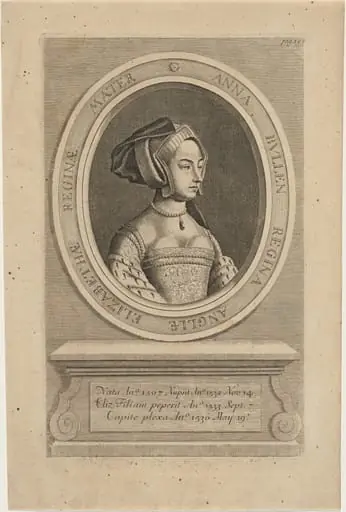
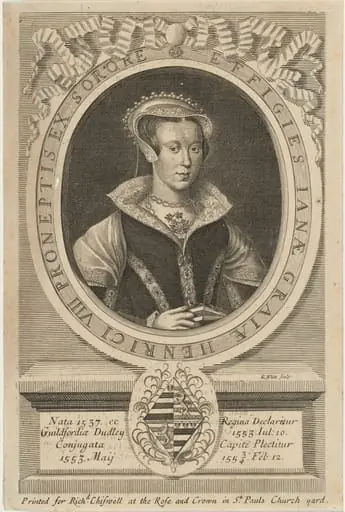
Catherine of Aragon, First Wife of Henry VIII is an ink print by the Baroque artist Robert White. It dates from 1681 and is held in the collection of the National Gallery of Art.
About this work
Overview
The composition frames Catherine with inscriptions and heraldic symbols, emphasizing her historical identity over emotional expression.
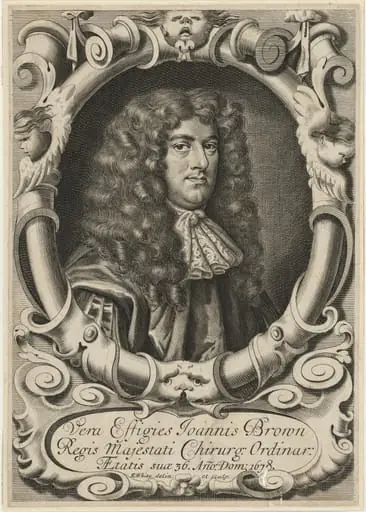
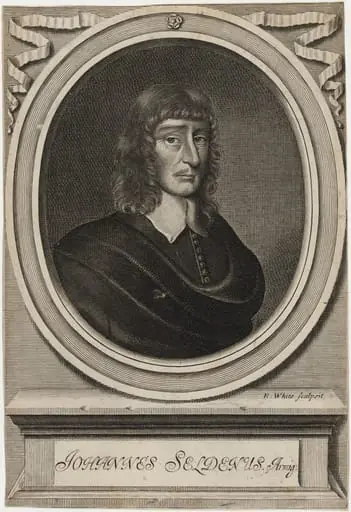
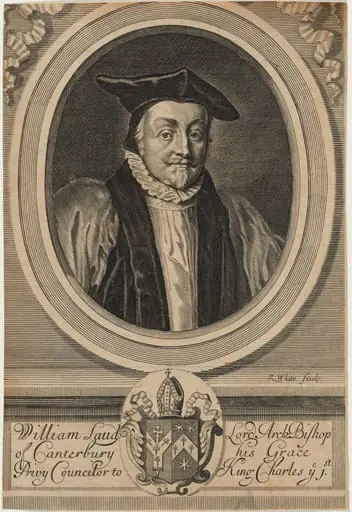
Robert White’s 1681 engraving presents Catherine of Aragon in formal portraiture, rendered in monochrome with fine linear detail. As a skilled engraver trained under David Loggan, White translated a drawn likeness into a printed image, aligning with late 17th-century English conventions that valued precision and textual annotation. The composition frames Catherine with inscriptions and heraldic symbols, emphasizing her historical identity over emotional expression.
Subject & Meaning
Catherine of Aragon is depicted not as a living individual but as a historical figure defined by her royal roles: queen consort of England, daughter of Spain’s monarchs, and mother of Mary I. The inclusion of key life events—marriages, widowhood, death—positions her within a lineage of dynastic significance. The crown above the shield reinforces her status, while the absence of personal expression underscores her symbolic function in Tudor memory.
Technique & Style
White employed fine-line engraving on metal to achieve intricate textures in Catherine’s pearl-studded collar and elaborate headdress. The background remains unadorned, directing focus to the detailed border surrounding her face—a woven pattern likely mimicking lace or embroidery. Textual elements are carefully integrated into the frame, demonstrating how printmakers combined visual and written information to convey biographical authority.
History & Provenance
Created in 1681, the engraving emerged during a period of renewed interest in Tudor history under the restored monarchy. White, active in London’s print trade, produced numerous portraits for aristocratic and scholarly audiences. This work likely served as a historical reference or decorative item, circulating among those invested in England’s dynastic past, though its specific early ownership remains undocumented.
Context
In the late 17th century, printed portraits of historical figures were common tools for reinforcing national identity and lineage. Catherine’s image, though centuries removed from her lifetime, was revived to affirm continuity between Tudor and Stuart rule. The emphasis on her Spanish heritage and marital status reflects contemporary fascination with royal marriages as political instruments, even as her personal story had been largely marginalized in official narratives.
Legacy
White’s engraving contributed to the visual canon of Catherine of Aragon in British print culture, influencing later depictions through its structured, annotated format. While not widely reproduced, it remains a representative example of how 17th-century engravers shaped historical memory by blending portraiture with documentary detail. The work endures as a material artifact of how Tudor figures were memorialized in the age of print.
Artist & collection
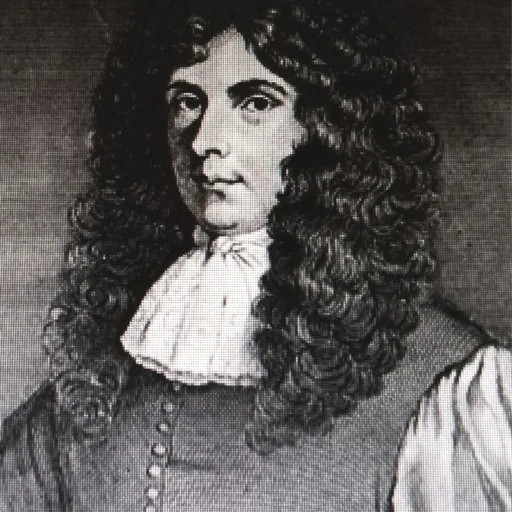
Artist
Robert White (1645 – 1703) was an English draughtsman and engraver. A Londoner, he was a pupil of David Loggan, and became a leading portrait engraver. White was celebrated for his original portraits, drawn in pencil on…