Artwork
Lady Jane Grey
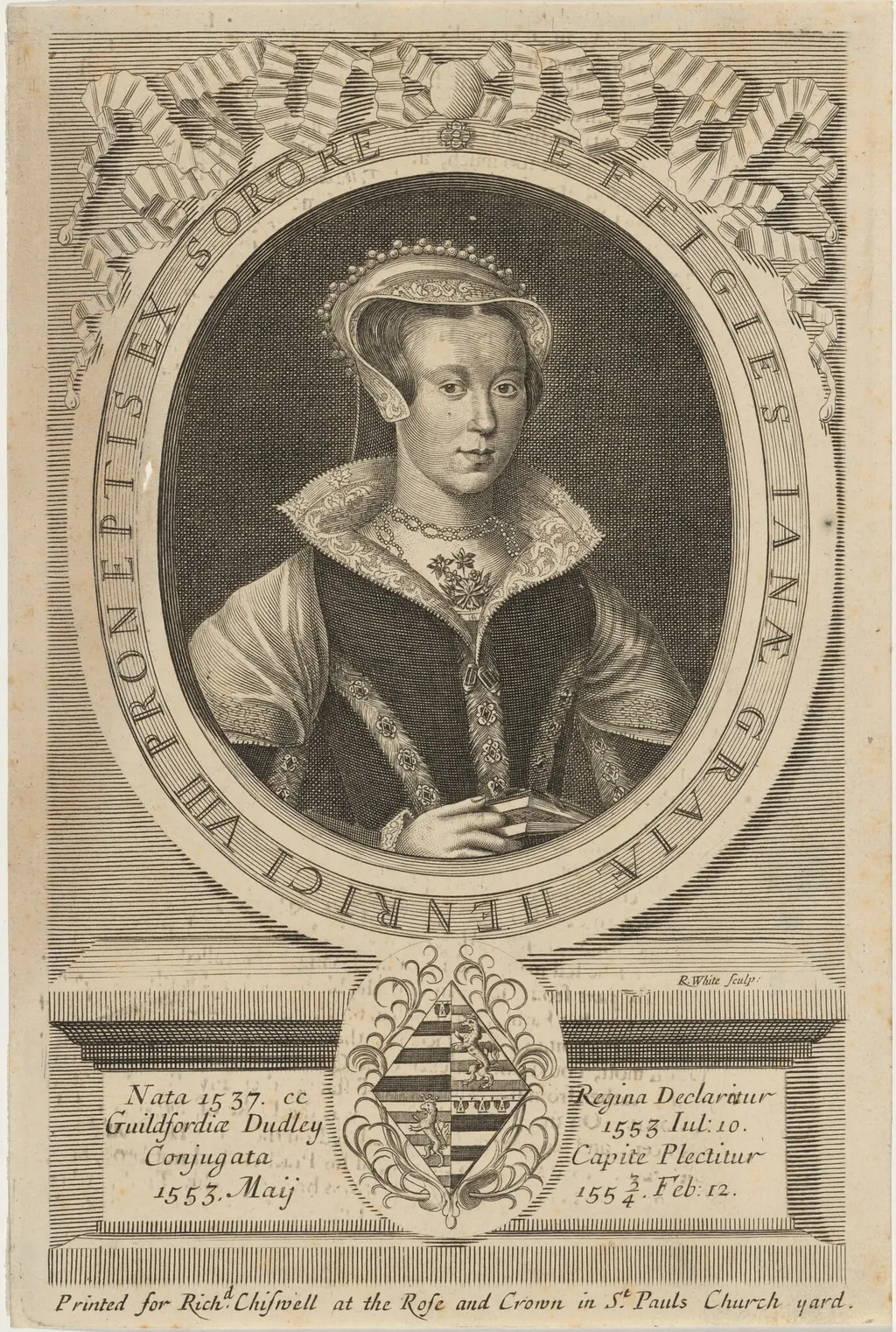
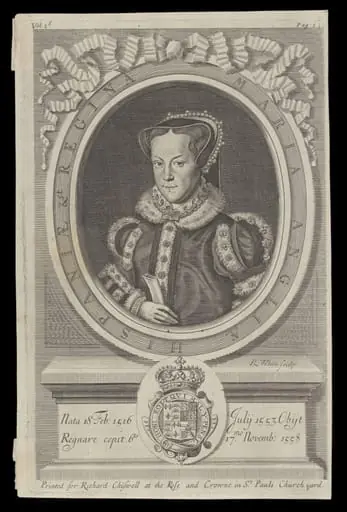
Lady Jane Grey is an ink print by the Baroque artist Robert White. It dates from 1681 and is held in the collection of the National Gallery of Art.
About this work
Overview
White’s signature appears discreetly, affirming authorship while maintaining the formal tone typical of commemorative portraiture of the period.
Robert White’s 1681 engraving portrays Lady Jane Grey, the brief reign of which ended in execution. Created using fine line work on metal, the print reflects White’s training under David Loggan and his specialization in portrait engravings. The image is monochrome, with meticulous detail in fabric and hair, set against a plain background and framed by ornamental borders. White’s signature appears discreetly, affirming authorship while maintaining the formal tone typical of commemorative portraiture of the period.
Subject & Meaning
Lady Jane Grey, a Protestant claimant to the English throne in 1553, is depicted not as a ruler but as a solemn martyr. Her restrained expression, modest attire, and minimal adornment emphasize piety and dignity rather than political power. The inclusion of key life dates beneath her name frames her as a figure of historical significance, shaped by religious conflict and dynastic struggle. The engraving serves as a memorial, aligning her image with virtue and tragic fate.
Technique & Style
White employed burin engraving to achieve fine, controlled lines that render texture in lace, pearls, and hair with precision. The high collar and cap are rendered through delicate cross-hatching, while the plain background isolates the figure for focus. Decorative borders surrounding the portrait incorporate stylized foliage and inscriptions, a convention linking portraiture with genealogical or commemorative records. The technique prioritizes clarity and detail over dramatic lighting, reflecting the restrained aesthetic of late 17th-century English printmaking.
History & Provenance
Created nearly 130 years after Jane Grey’s death, the engraving emerged during a period of renewed interest in Tudor history and Protestant identity. White, active in London’s print trade, likely drew from earlier portraits or textual sources, as no confirmed contemporary likenesses of Jane survive. The print was probably produced for private collectors or scholarly audiences, serving as a visual reference rather than a public monument. Its survival in institutional collections attests to its role in historical documentation.
Context
In late 17th-century England, engravings of historical figures were used to reinforce national narratives, especially those tied to religious conflict. Jane Grey’s story, framed as Protestant martyrdom, resonated amid post-Civil War anxieties over succession and faith. White’s work fits within a broader trend of reviving Tudor figures through print, offering accessible, standardized images to an emerging literate public. The format—portraits framed with biographical text—was common in genealogical and biographical compendiums of the era.
Legacy
White’s engraving became one of the most widely circulated images of Lady Jane Grey, influencing later depictions in books and educational materials. Though not based on a direct likeness, its formal composition and somber tone established a visual archetype for her. The print’s endurance in archives and libraries reflects its function as a historical artifact, preserving a symbolic representation rather than a factual portrait. It remains a key example of how early modern print culture shaped collective memory.
Artist & collection
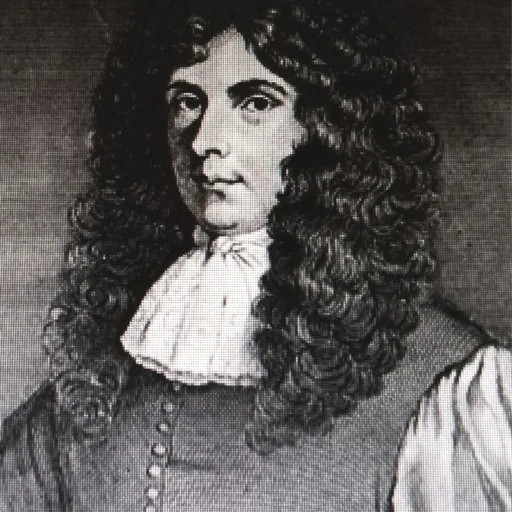
Artist
Robert White (1645 – 1703) was an English draughtsman and engraver. A Londoner, he was a pupil of David Loggan, and became a leading portrait engraver. White was celebrated for his original portraits, drawn in pencil on…