Artwork
Albert VII, Archduke of Austria
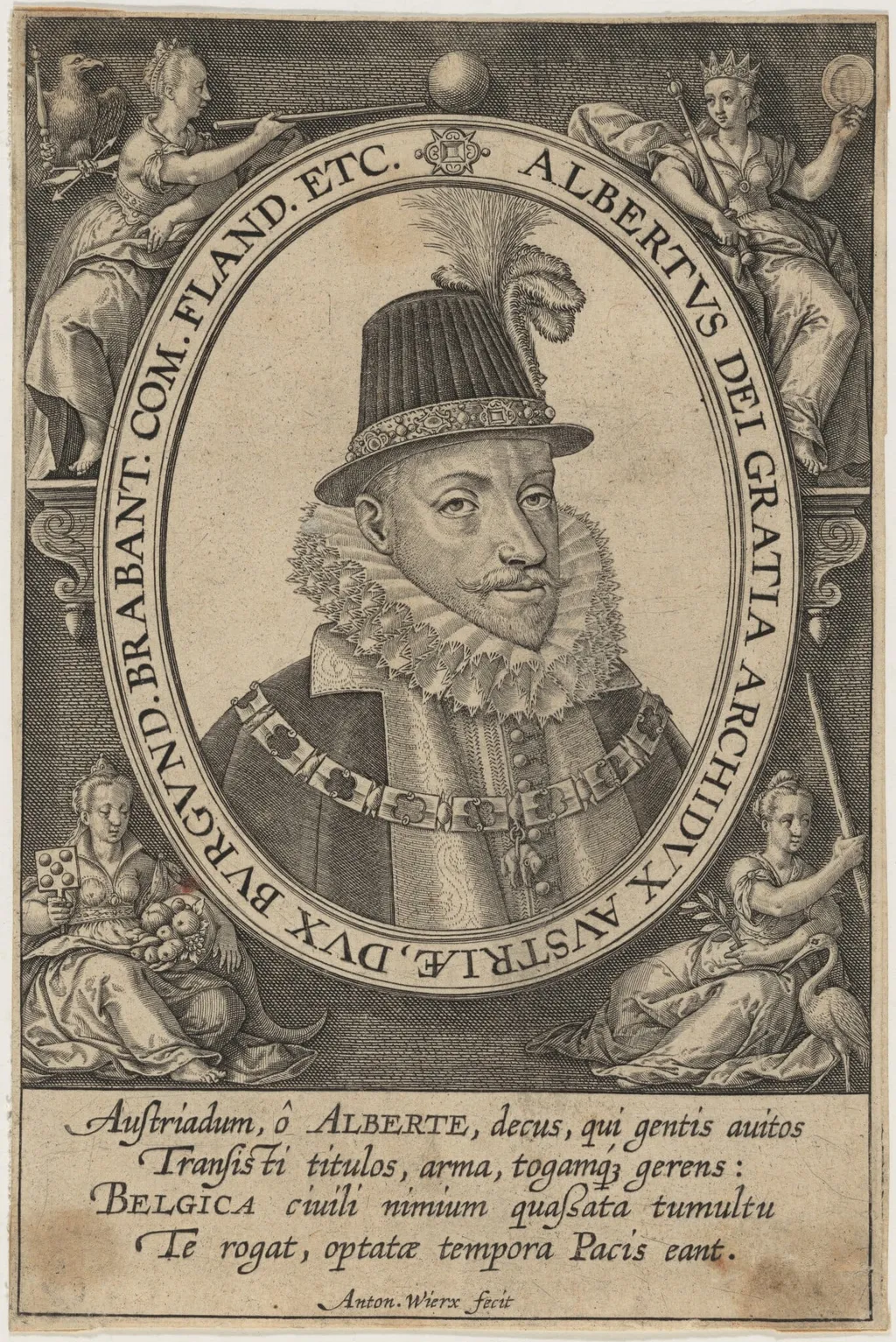
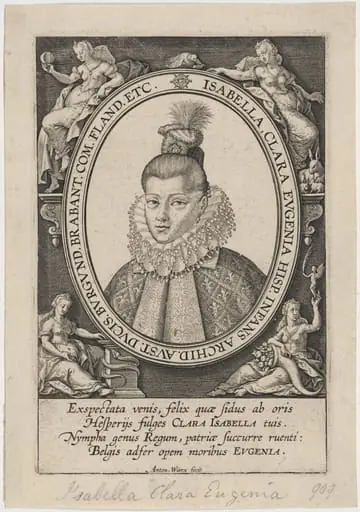
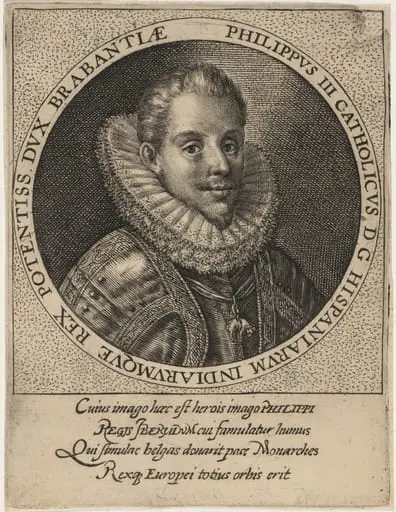
Albert VII, Archduke of Austria is an ink print by the Renaissance artist Anton Wierix. It dates from 1588 and is held in the collection of the National Gallery of Art.
About this work
Overview
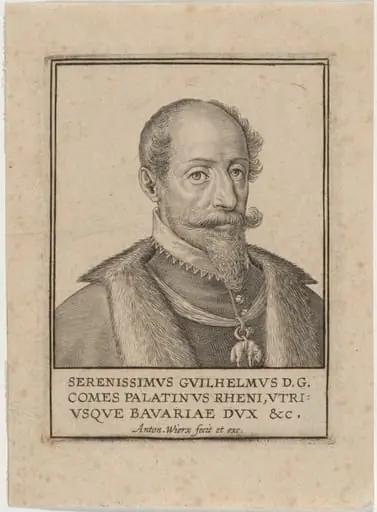
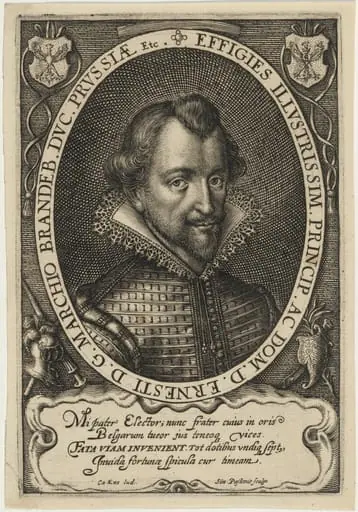
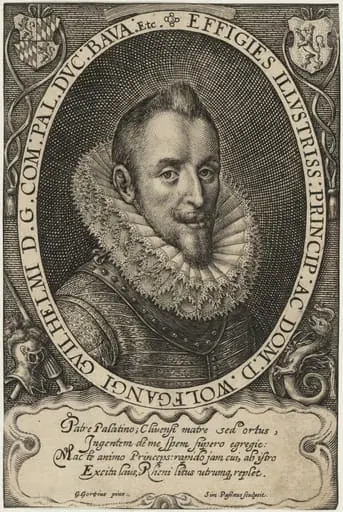
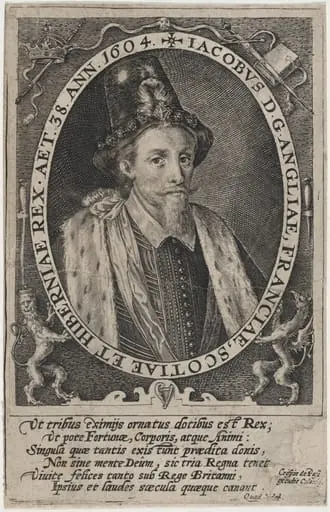
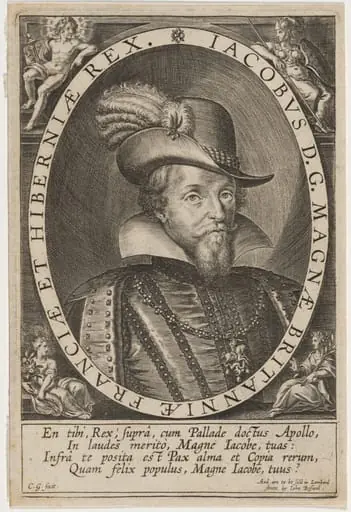
Anton Wierich’s 1588 engraving presents Albert VII, Archduke of Austria, in a formal portrait. Rendered in black and white, the image captures the archduke in elaborate early‑seventeenth‑century attire, framed by a circular cartouche bearing Latin inscriptions and emblematic figures.
Subject & Meaning
The portrait depicts Albert VII in a tall feathered hat, a ruffled collar, and a decorative chain, symbols of his noble rank and military authority. The surrounding iconography—small figures holding a globe, a racket, and other objects—reinforces his political stature and the cosmopolitan reach of the Habsburg domains.
Technique & Style
Executed as an intaglio engraving, the work was created by incising lines into a copper plate, then inking and pressing onto paper. This method allows for precise line work and subtle gradations of tone, producing the intricate detailing of fabric, facial features, and the surrounding ornamental frame.
History & Provenance
The print originates from the late sixteenth‑century workshop of Anton Wierich, a noted Flemish engraver. It was likely produced for courtly circulation, serving as a visual affirmation of Albert VII’s status within the Habsburg hierarchy. Copies of the engraving have been documented in several European collections.
Context
Albert VII’s reign (1619–1621) followed a period of intense religious and political conflict in the Holy Roman Empire. Portraits such as this functioned as diplomatic tools, projecting the archduke’s legitimacy and aligning him with the broader visual culture of European aristocracy.
Artist & collection