Artwork
William V, Duke of Bavaria
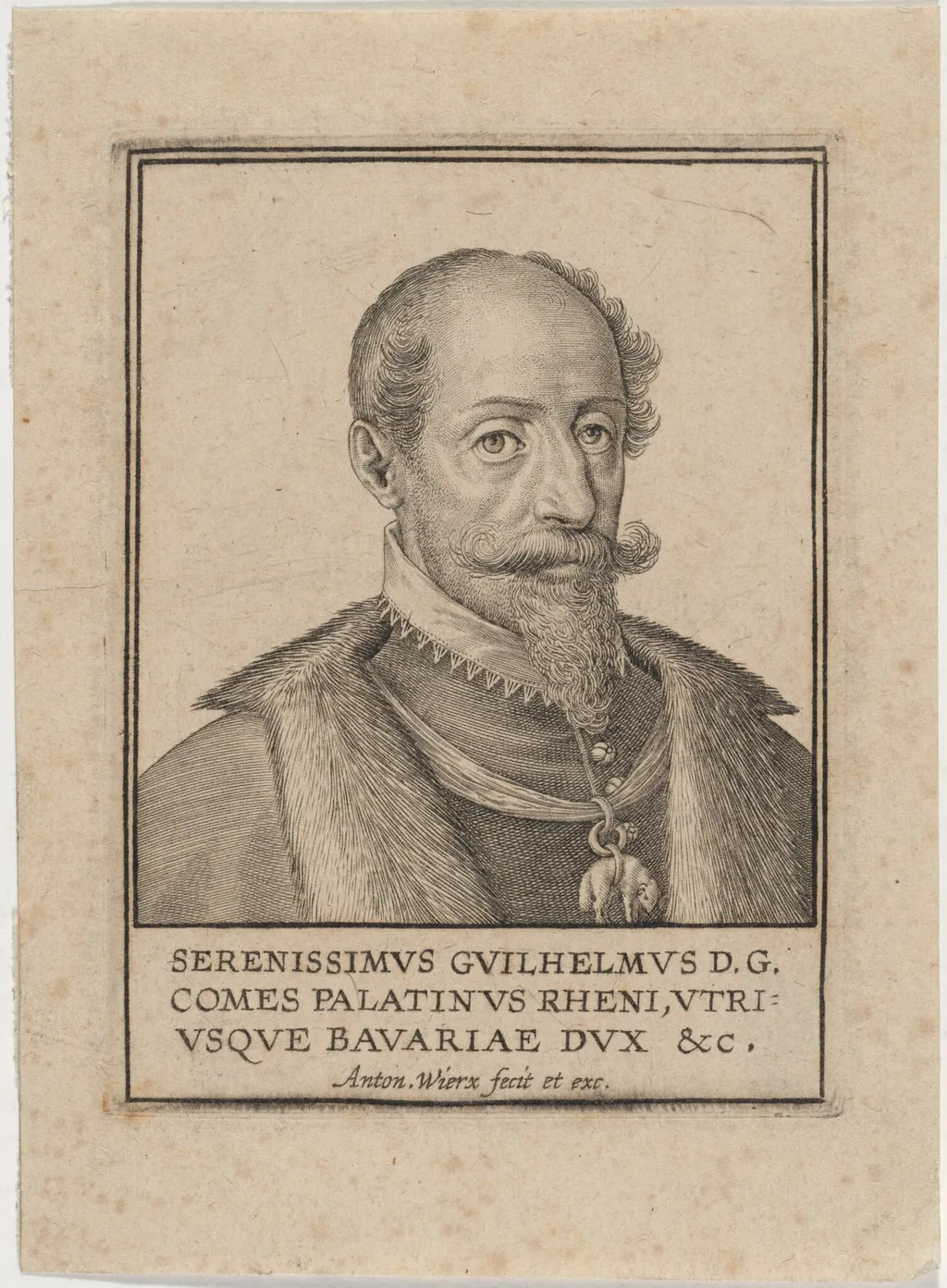
William V, Duke of Bavaria is an ink print by the Renaissance artist Anton Wierix. It dates from 1588 and is held in the collection of the National Gallery of Art.
About this work
Overview
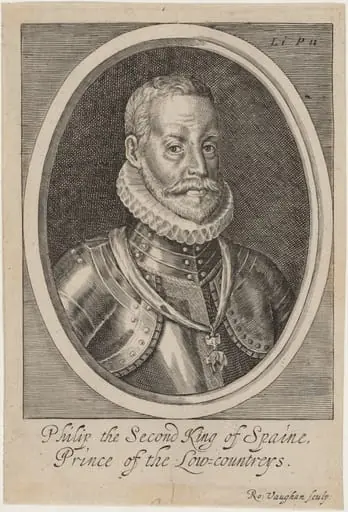
Created in 1588 by the Flemish engraver Anton Wierix, this print depicts William V, Duke of Bavaria. Executed as a black‑and‑white engraving, the image presents the duke in a formal, frontal pose, his face and shoulders occupying the entire composition against an unadorned backdrop.
Subject & Meaning
The portrait conveys the authority and dignity associated with early modern rulership. William V is shown with a full beard, curled hair and a solemn expression, elements that emphasize maturity and gravitas. A high, stiff collar and a decorative chain drape across his chest, symbols of his noble rank.
Technique & Style
Wierix employed fine line work characteristic of late‑Renaissance engraving, achieving subtle tonal variations through cross‑hatching. The plain background eliminates distractions, directing attention to the intricate rendering of facial features and attire. The Latin inscription beneath the image identifies the sitter as a duke, a common practice for formal portrait prints of the period.
History & Provenance
The print originates from the late sixteenth‑century print market, where portrait engravings served both as commemorative items and as means of disseminating the likenesses of European aristocracy. While specific ownership records are scarce, the work is representative of Wierix’s prolific output for noble patrons across the Holy Roman Empire.
Artist & collection


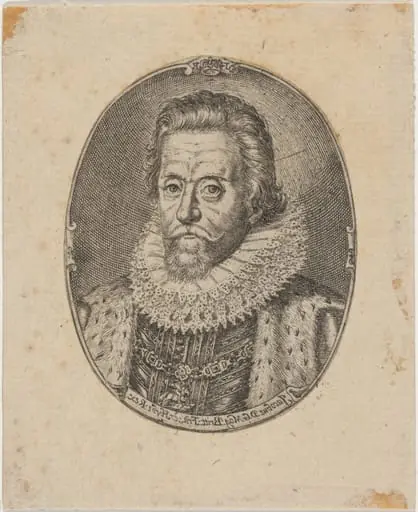 James I, King of England
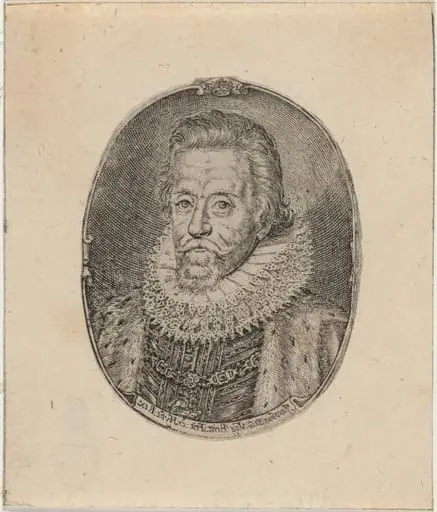 James I, King of England
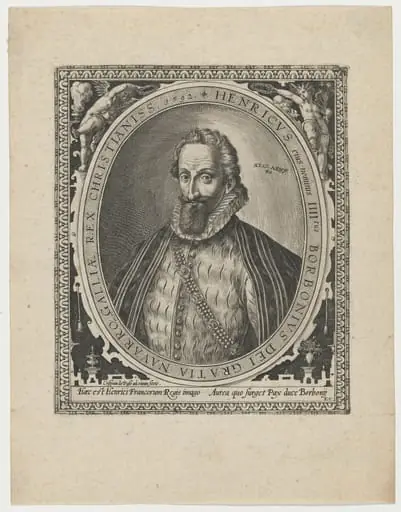 Henry IV, King of France
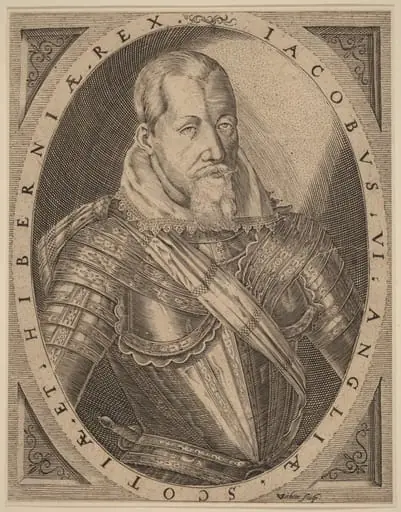 James I, King of Great Britain
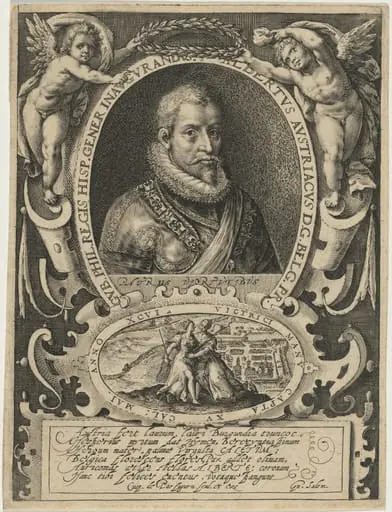 Albert of Austria, Archduke
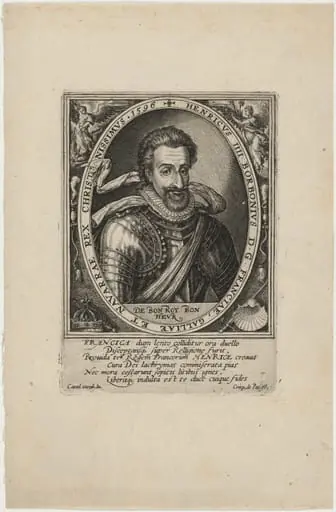 Henry IV, King of France
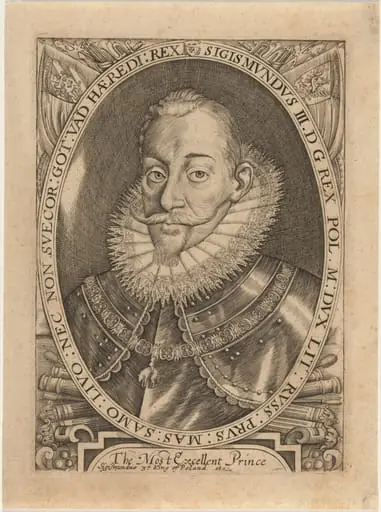 Sigismund III, King of Poland and Sweden
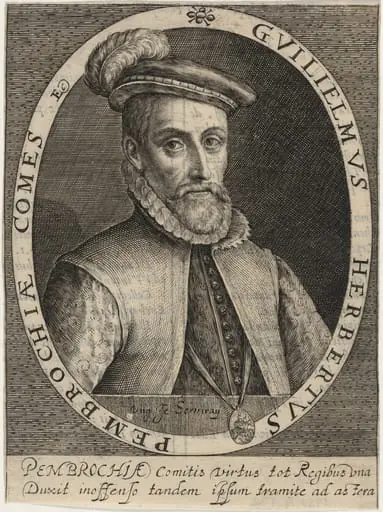 William Herbert, First Earl of Pembroke
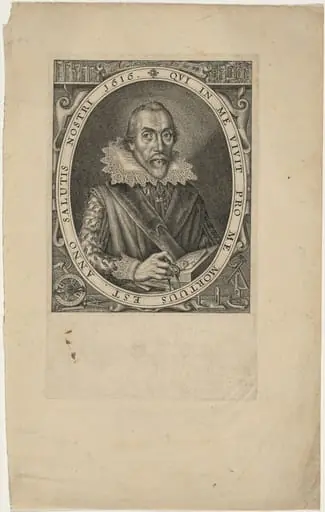 Aaron Rathborne
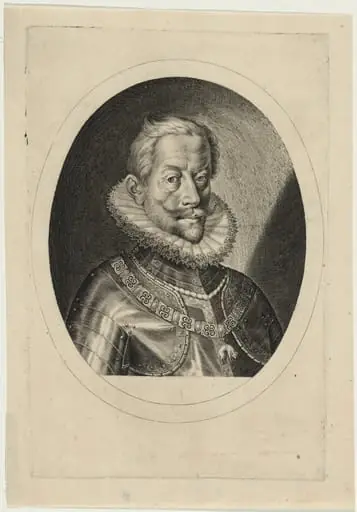 Emmanuel Philibert, Duke of Savoy, Prince of Piedmont
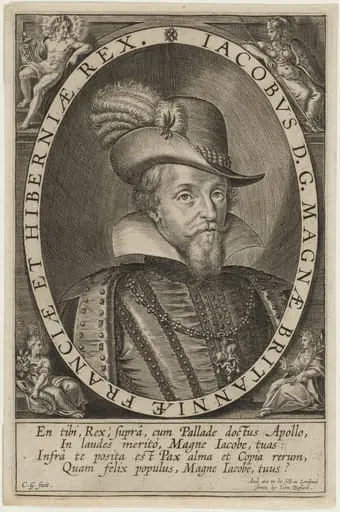 James I
 Philip II, King of Spain