Artwork
Catherine de Medici, Wife of Henry II of France
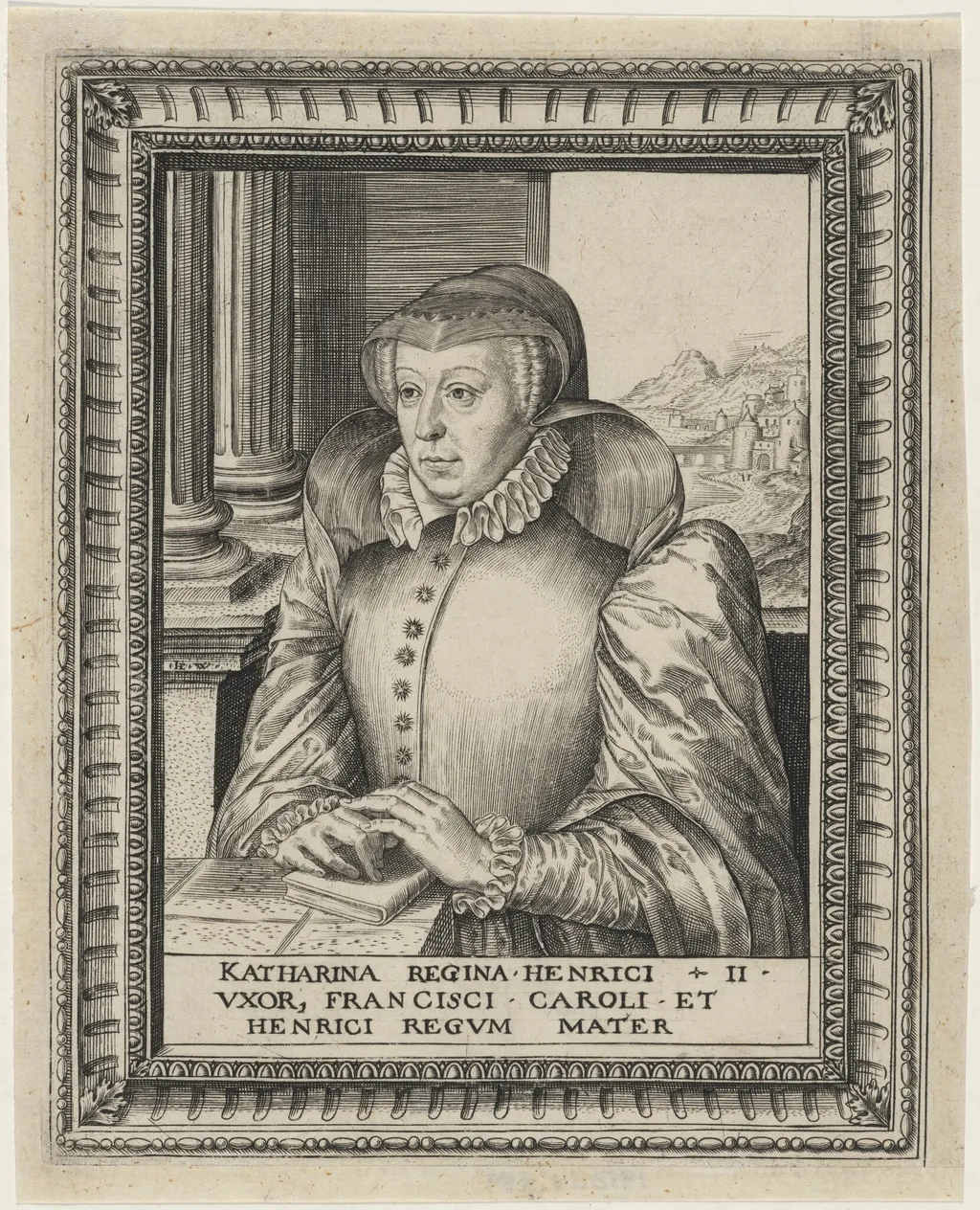
Catherine de Medici, Wife of Henry II of France is an ink print by the Renaissance artist Johan Wierix. It dates from 1582 and is held in the collection of the National Gallery of Art.
About this work
Overview
This 1582 engraving by Johan Wierix depicts Catherine de' Medici, queen consort of France, in formal portraiture.
This 1582 engraving by Johan Wierix depicts Catherine de' Medici, queen consort of France, in formal portraiture. Rendered in monochrome, the image emphasizes her status through precise linework and detailed attire. The composition is framed by an ornate border resembling carved wood, reinforcing the work’s function as a refined, portable likeness intended for elite circulation rather than public display.
Subject & Meaning
Catherine is portrayed with regal composure, her hands resting on a ledge as if overseeing a domain beyond the frame. The distant castle visible through the window alludes to royal authority and territorial power. Her attire—elaborate ruffs, jeweled dress, and dark headwear—signals her position as queen, while the Latin inscription 'Catherine Regina Henrici II' affirms her identity through dynastic ties, not personal name.
Technique & Style
Wierix employed fine, controlled engraving lines to model form and texture, capturing the sheen of silk, the crispness of lace, and the depth of shadow without color. The meticulous cross-hatching creates volume and realism, mimicking the precision of drawn studies. The border’s vegetal motifs echo contemporary woodcarving traditions, linking the print to artisanal craftsmanship of the period.
History & Provenance
Created during Catherine’s later years as dowager queen, the engraving likely served as a diplomatic or commemorative object. Wierix, a Flemish artist active in the Habsburg courts, produced similar portraits for noble patrons. The work’s survival suggests it was preserved within aristocratic collections, possibly in France or the Low Countries, where prints of royalty were valued as symbols of political lineage.
Context
In late 16th-century Europe, engraved portraits of monarchs circulated among the nobility as tools of political identity. Catherine, a central figure in French court politics, was frequently depicted to reinforce her enduring influence after her husband’s death. This image aligns with a broader trend of using print media to project royal authority beyond the palace, especially during periods of religious and dynastic instability.
Legacy
Wierix’s engraving contributes to the visual record of Catherine de' Medici’s public persona, preserving her image in a medium accessible to a wider elite audience. While not widely reproduced, it exemplifies the technical skill of Netherlandish engravers and reflects how print culture sustained the iconography of power in early modern Europe.
Artist & collection


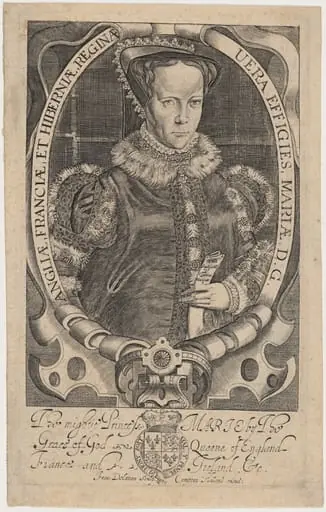 Mariae, D.G. Angliae, Franciae et Hiberniam Reginae (Mary I)
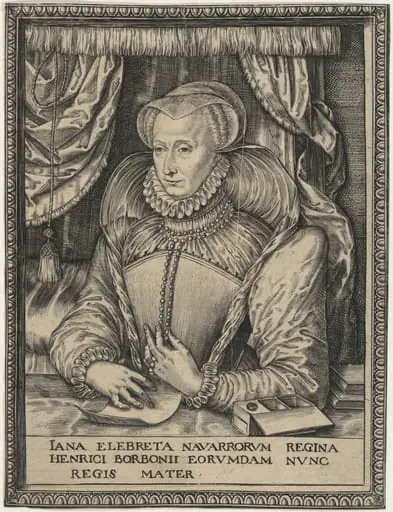 Jeanne D'Albret, Queen of Navarre and Mother of Henry IV of France
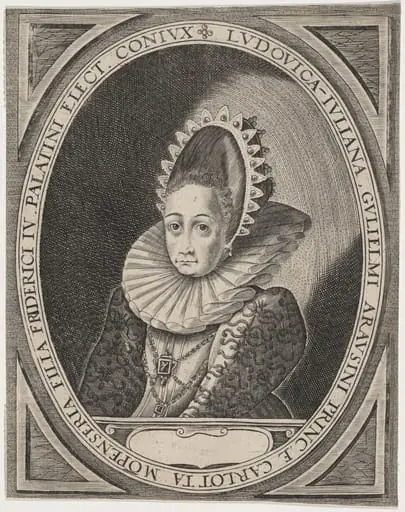 Louise Juliana, Wife of Frederick IV
 Queen Elizabeth
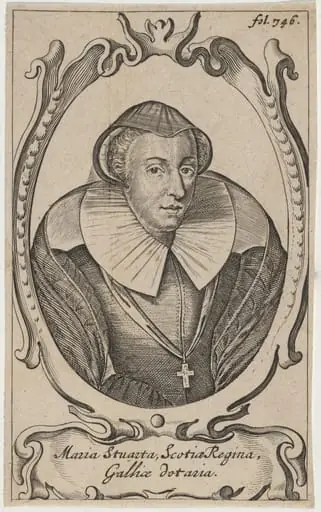 Mary, Queen of Scots
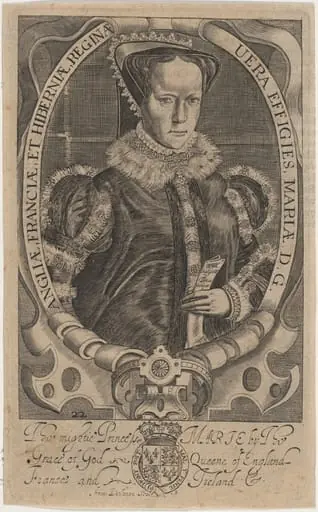 Mariae, D.G. Angliae, Franciae et Hiberniam Reginae (Mary I)
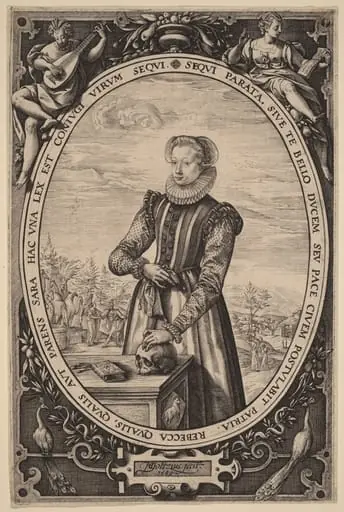 Josina Hamels
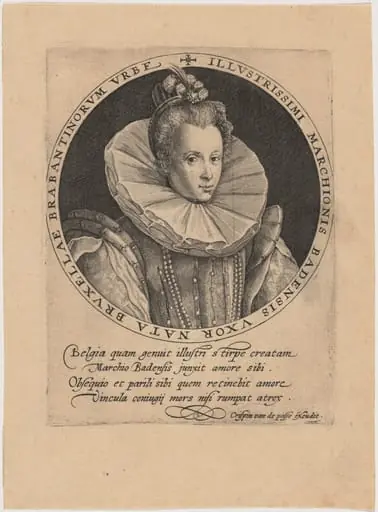 Elizabeth van Pallandt, Countess of Culemborg, Wife of Jacob, Margrave of Baden
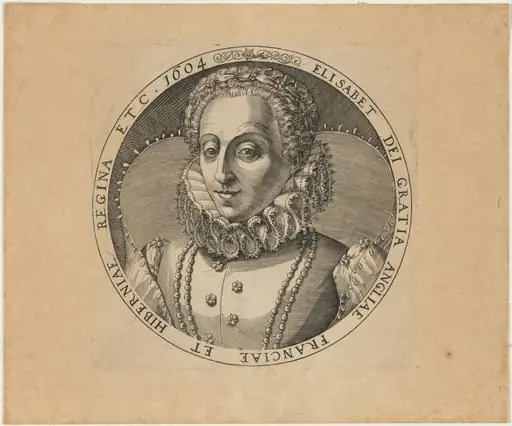
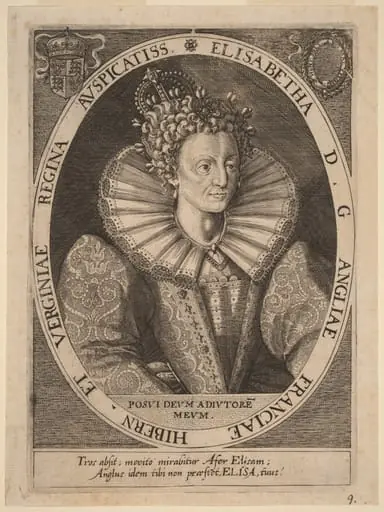 Queen Elizabeth