Artwork
The Misanthrope Robbed by the World
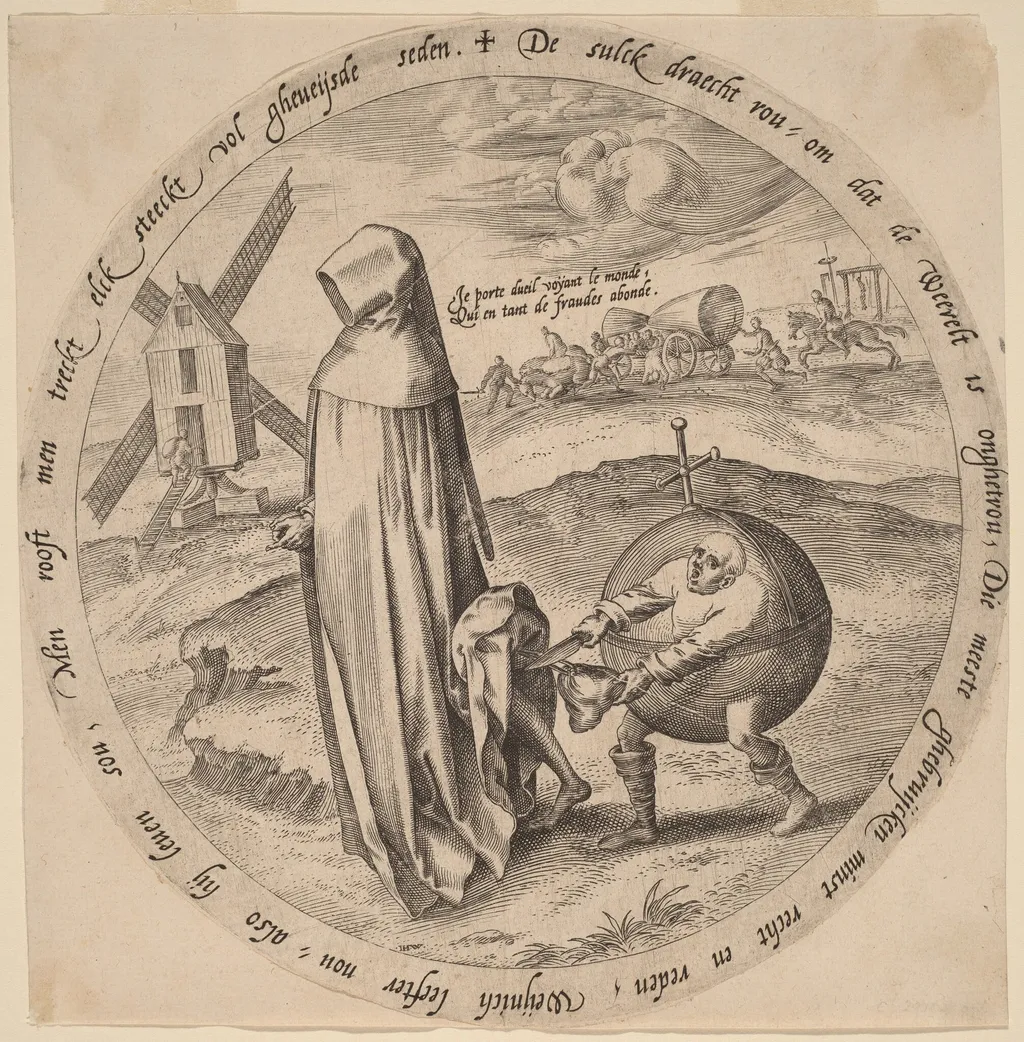
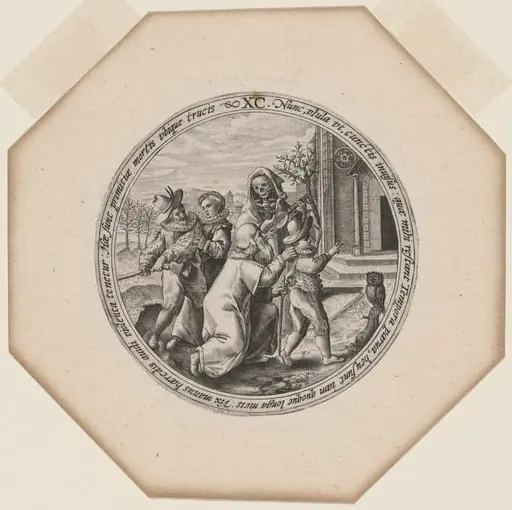
The Misanthrope Robbed by the World is an ink print by the Renaissance artist Johan Wierix. It dates from 1568 and is held in the collection of the National Gallery of Art.
About this work
Overview
Created around 1568 by Johan Wierix, this engraving depicts a solitary figure overwhelmed by a swarm of small figures siphoning his possessions.
Created around 1568 by Johan Wierix, this engraving depicts a solitary figure overwhelmed by a swarm of small figures siphoning his possessions. Rendered in fine, precise lines, the composition conveys a sense of quiet erosion rather than violent theft. The man’s posture and expression suggest exhaustion, while the surrounding chaos is rendered with meticulous detail, emphasizing the cumulative weight of exploitation.
Subject & Meaning
The central figure, dressed in outdated attire and clutching a staff, represents a withdrawn individual stripped of dignity by society’s demands. The multitude of figures—on foot and horseback, reaching for clothing, hat, and even boots—symbolize societal pressures, greed, and the erosion of personal autonomy. The multilingual inscriptions around the border imply a universal, inescapable network of exploitation.
Technique & Style
Wierix employed fine-line engraving to achieve subtle tonal gradations and intricate textures. The contrast between the tall, solitary figure and the densely packed, diminutive thieves creates visual tension. Delicate hatching defines fabric, shadow, and terrain, while the background elements—church, windmill, and overcast sky—are rendered with restrained detail to focus attention on the central drama.
History & Provenance
The print emerged during a period of heightened interest in moral allegory in Northern European printmaking. Wierix, active in Antwerp, produced numerous engravings for religious and satirical publications. This piece likely circulated among educated audiences familiar with humanist themes, though its specific early ownership remains undocumented.
Context
In the mid-16th century, prints like this reflected anxieties about social decay, moral corruption, and the individual’s vulnerability amid rising commercialism. The imagery aligns with contemporary emblem books and sermons warning against worldly attachment. The inclusion of multiple languages underscores the widespread, cross-cultural nature of the critique.
Legacy
The engraving stands as a quiet precursor to later satirical works that depict societal exploitation through allegory. While not widely reproduced in later centuries, its precise execution and psychological depth influenced Northern European printmakers interested in moral narrative. It remains a testament to the power of engraving to convey complex social commentary in miniature.
Artist & collection


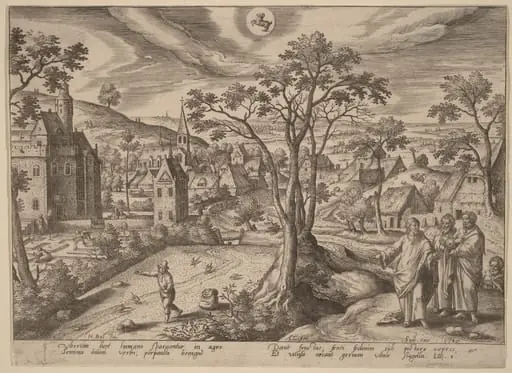 The Parable of the Sower
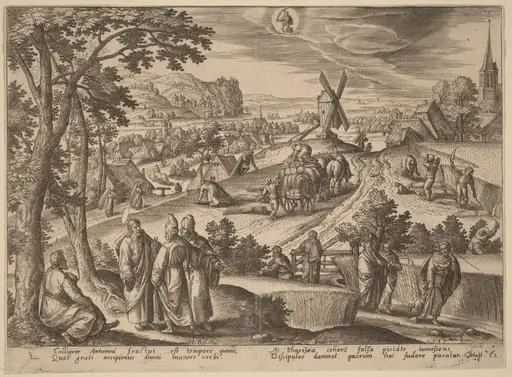 The Plucking of Ears of Corn on Sabbath Day
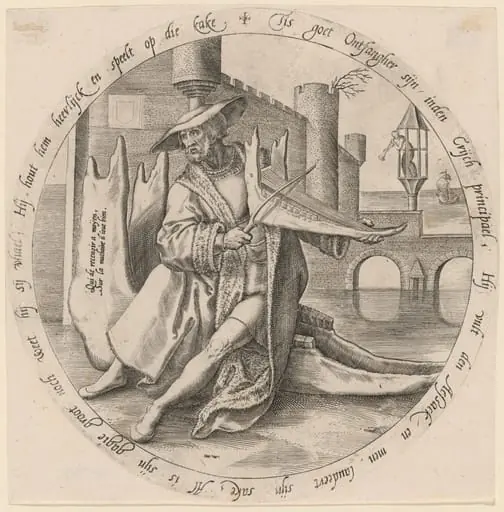 The Rich Man Playing Violin on a Jaw Bone
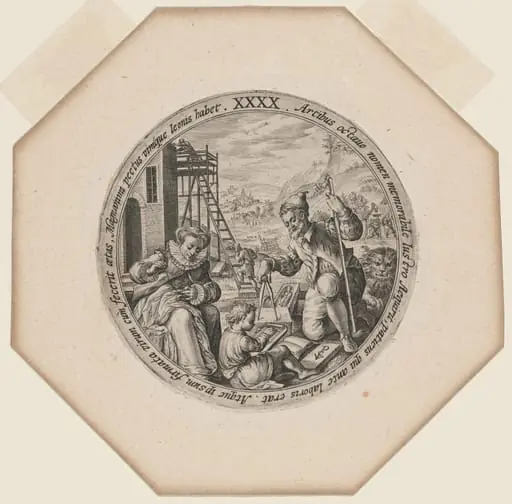 XXXX: Forty Years
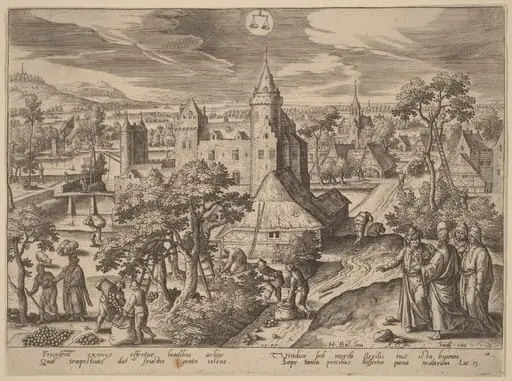 The Parable of the Barren Fig Tree
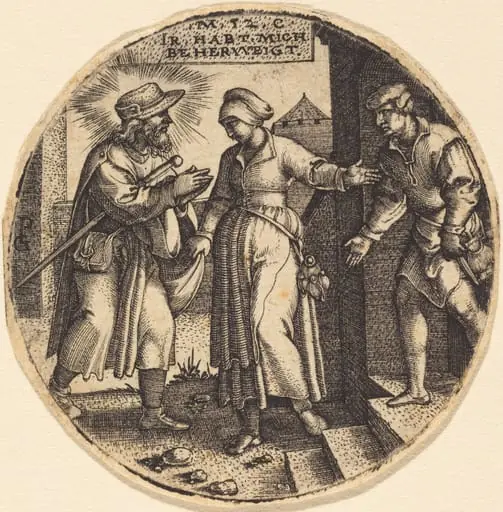 To House the Pilgrims
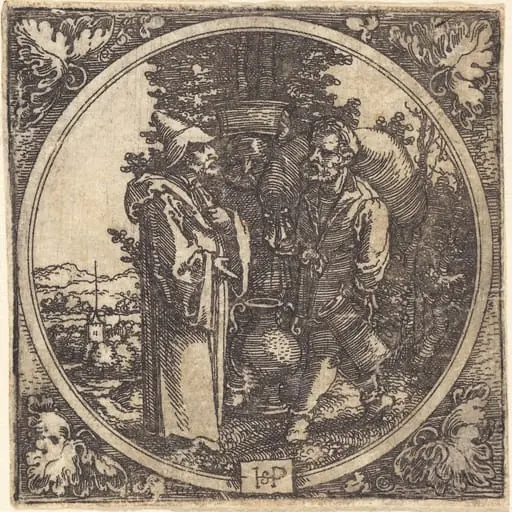 Solon and Two Peasants
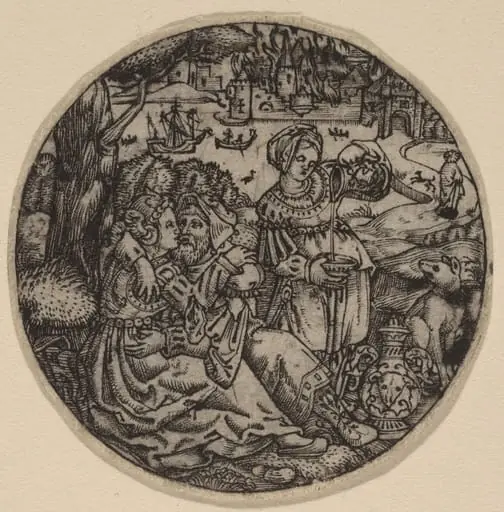 Lot and His Daughters
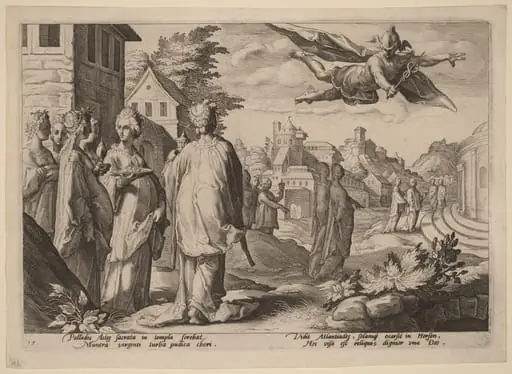 Mercury Falling in Love with Herse
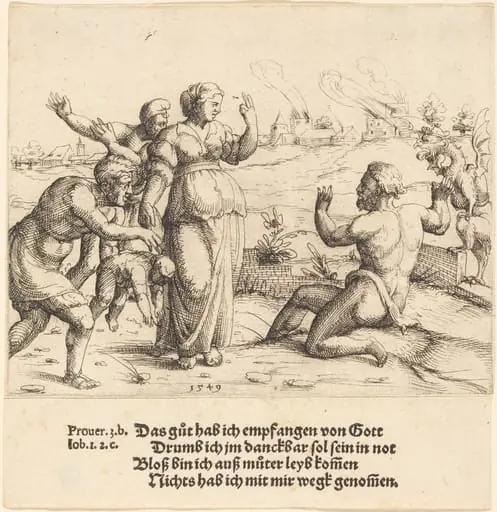 Job Learns of His Misfortunes
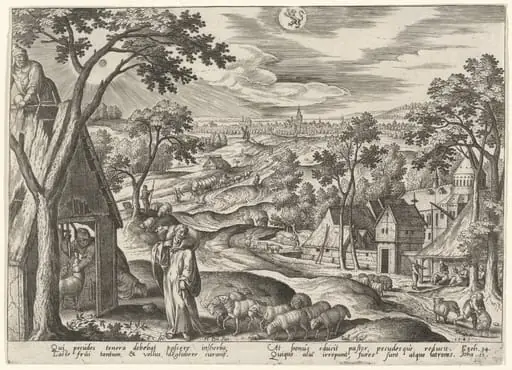 The Good Shepherd
 XC: Ninety Years