Artwork
Willem Hondius
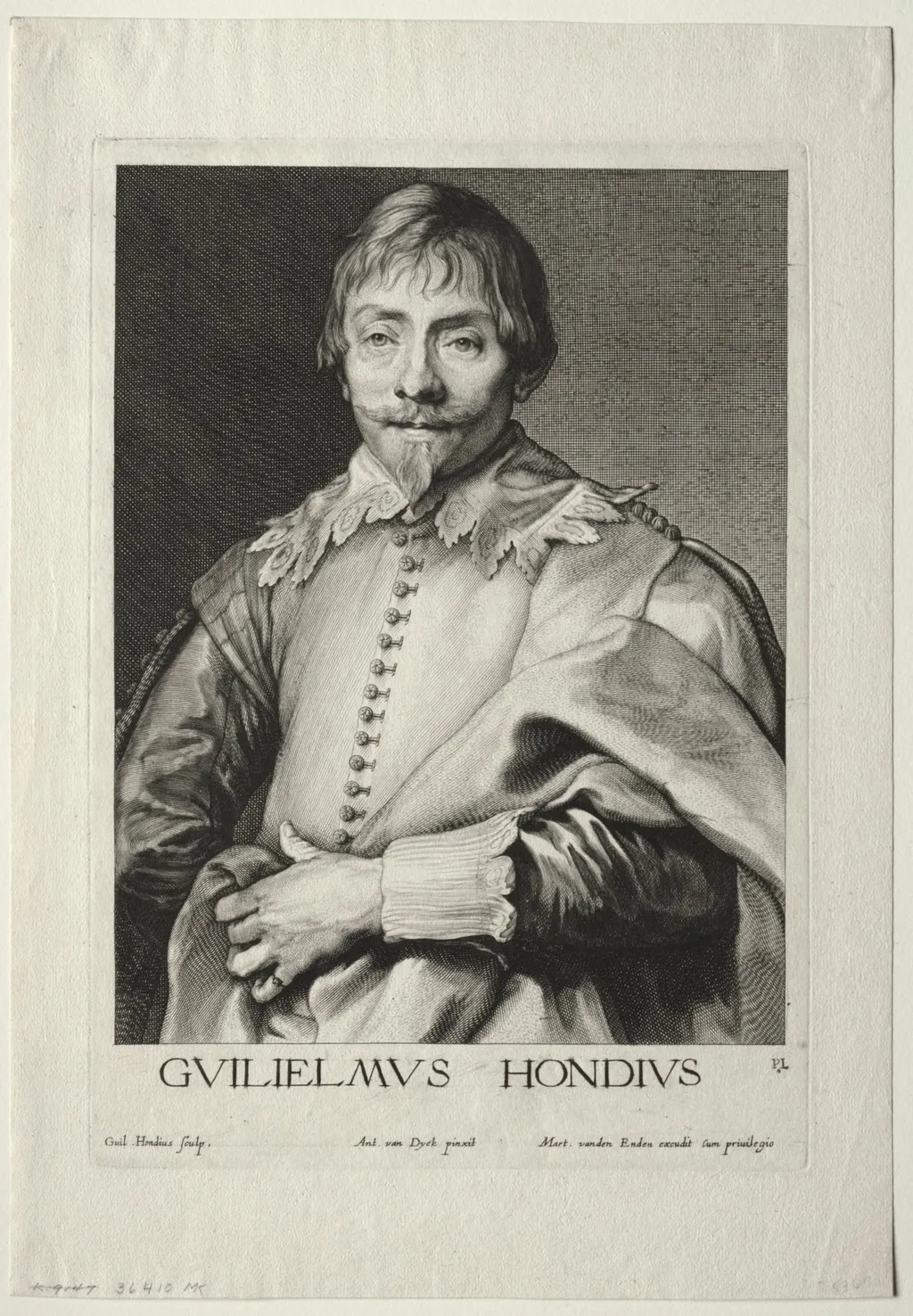
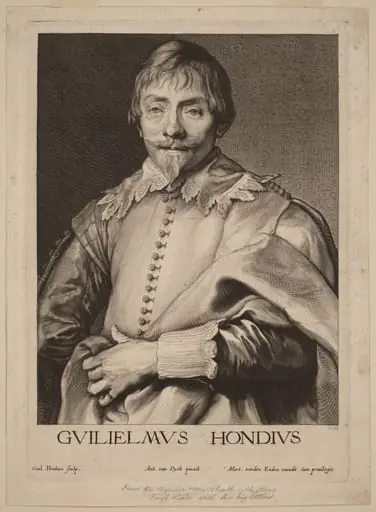
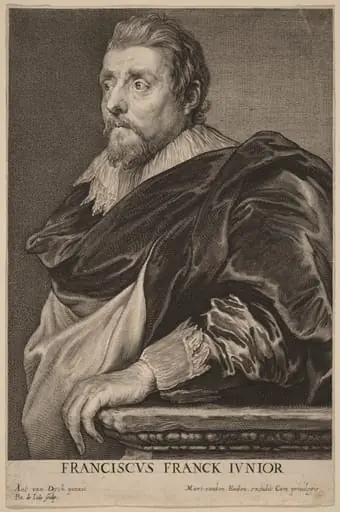
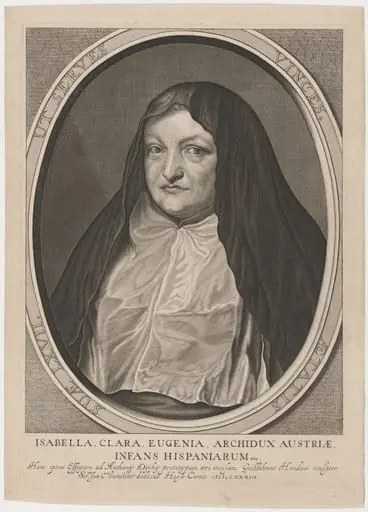
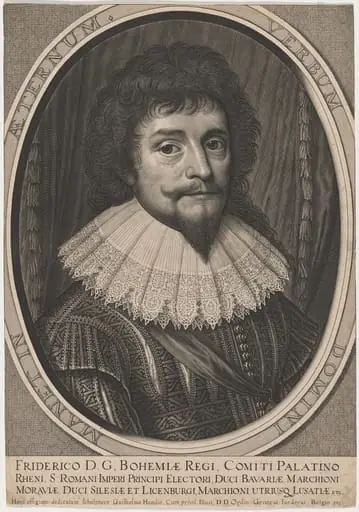
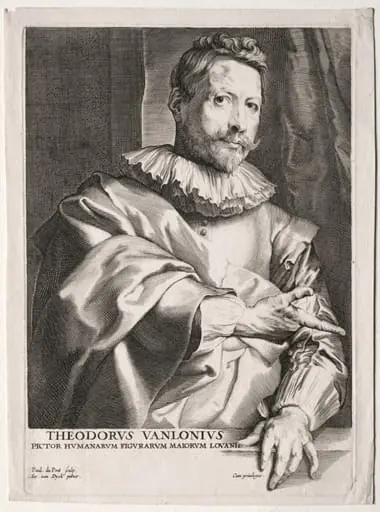
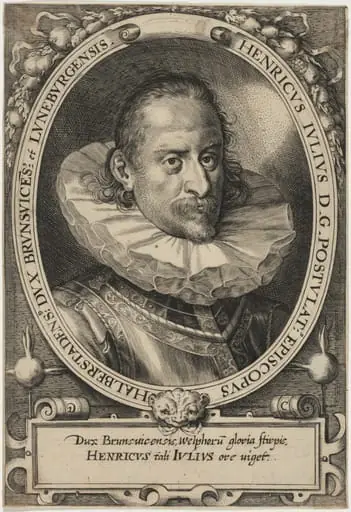
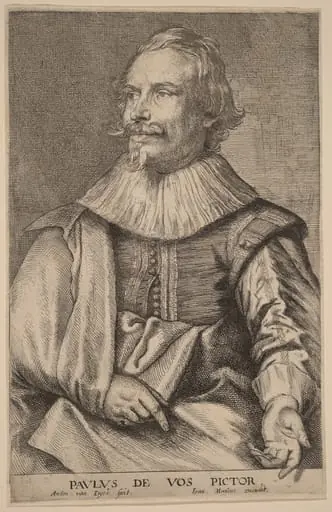
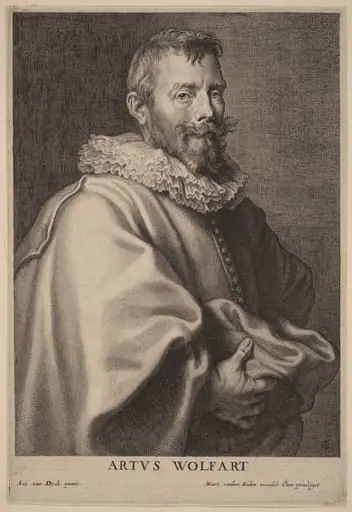
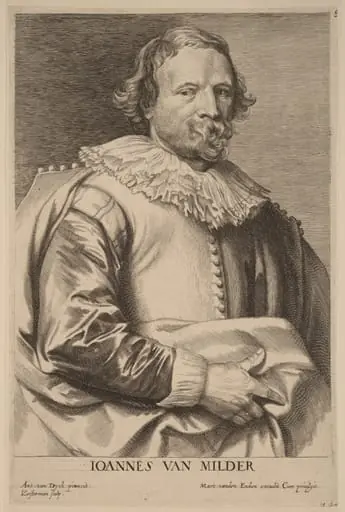
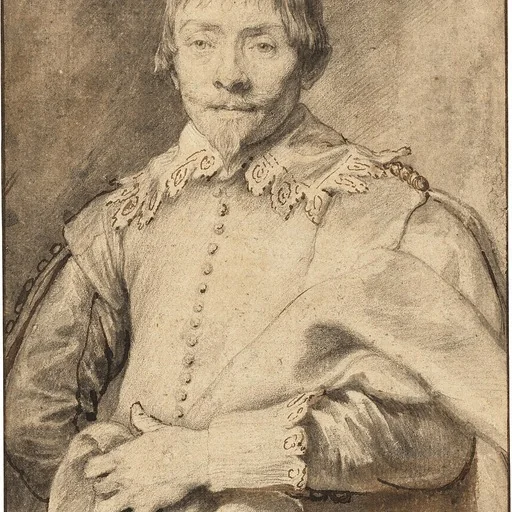
Willem Hondius is a print by Willem Hondius. It dates from 1638 and is held in the collection of the Cleveland Museum of Art.
About this work
Overview
Willem Hondius, a Dutch-born artist active in 17th-century Northern Europe, produced this engraved portrait during his years in Danzig.
Willem Hondius, a Dutch-born artist active in 17th-century Northern Europe, produced this engraved portrait during his years in Danzig. Though known for cartography and topographical prints, he also created intimate likenesses of individuals. This work, held by the Cleveland Museum of Art, exemplifies his skill in portraiture and reflects his broader engagement with visual documentation in a region undergoing cultural and economic transformation.
Subject & Meaning
The sitter is likely Hondius himself, as his name appears at the base of the print. Dressed in formal attire with ruffled cuffs and a high collar, he presents himself with quiet dignity. The clasped hands and solemn gaze suggest introspection or professional gravitas. Rather than depicting status through symbols of power, the portrait emphasizes personal presence, aligning with the era’s growing interest in individual identity among artists and intellectuals.
Technique & Style
Executed in fine line engraving, the portrait employs subtle chiaroscuro to model form and texture. Delicate cross-hatching defines the fabric of the jacket, the softness of facial hair, and the play of light across the high collar. The precision of the lines reveals Hondius’s training in printmaking and his ability to translate three-dimensional presence into two-dimensional detail without reliance on color or tone gradation.
History & Provenance
Created around 1638, the print emerged during Hondius’s decades-long residence in Danzig, where he served as a mapmaker and illustrator for civic and commercial clients. The work remained in private hands until entering the Cleveland Museum of Art’s collection. Its survival reflects the circulation of Northern European prints among collectors who valued technical mastery over grand narrative subjects.
Context
In mid-17th-century Danzig, a thriving port city, artists like Hondius bridged Dutch artistic traditions with local demands for documentation and portraiture. While many of his contemporaries focused on religious or mythological scenes, Hondius’s output centered on maps, city views, and individual portraits—practical works that supported urban identity and scholarly exchange in a region shaped by trade and political change.
Legacy
Hondius’s portrait stands as a quiet testament to the role of the artist as both craftsman and self-documenter. His technical precision influenced later engravers in the Baltic region, and his ability to merge cartographic discipline with portraiture set him apart. Though not widely celebrated in art history, his works remain valuable records of a specific cultural moment in Northern Europe.
Artist & collection
Artist
Willem Hondius or Willem Hondt (c. 1598 in The Hague – 1652 or 1658 in Danzig (Gdańsk)) was a Dutch engraver, cartographer and painter who spent most of his life in Poland.