Artwork
Willem Hondius
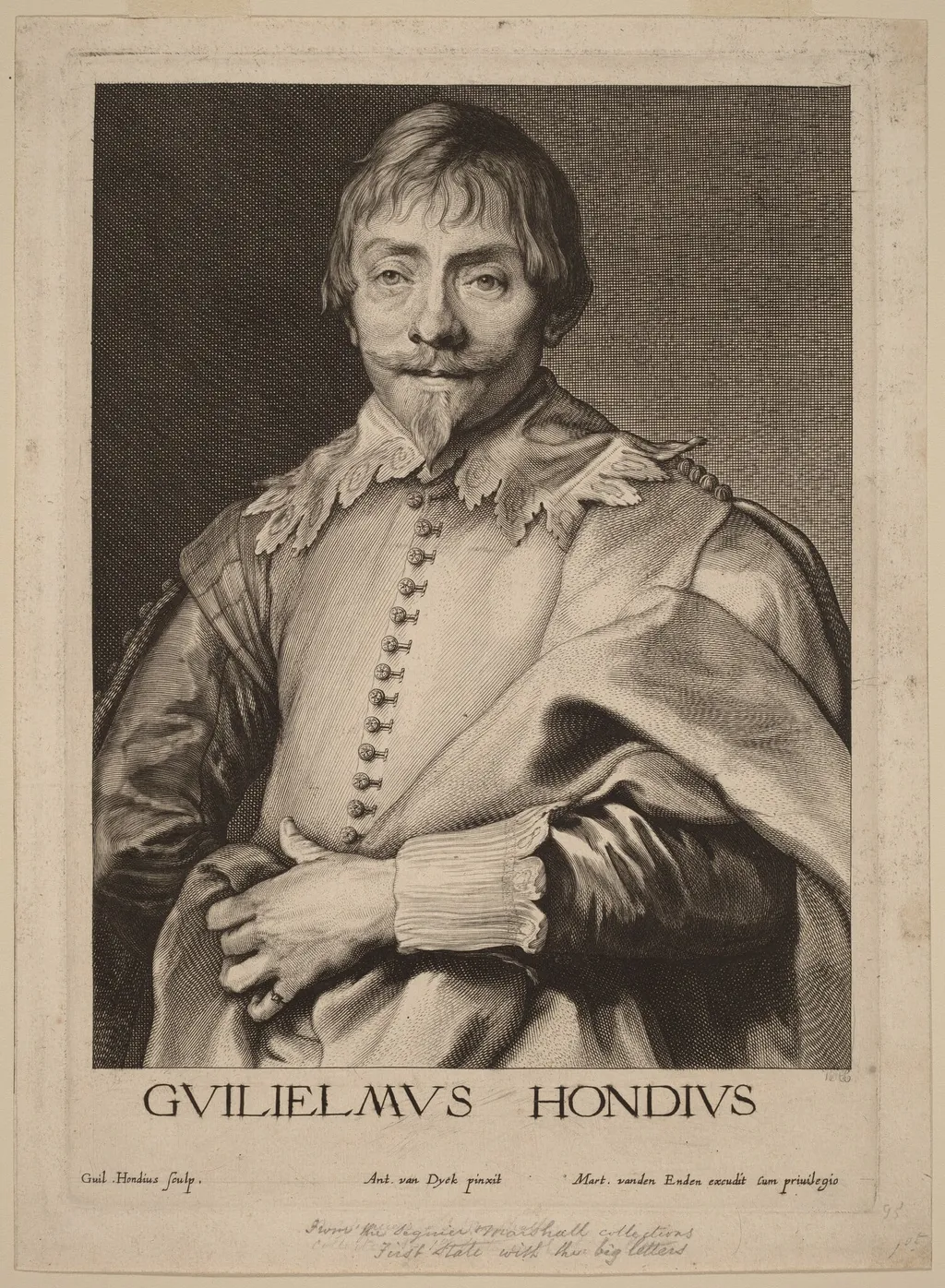
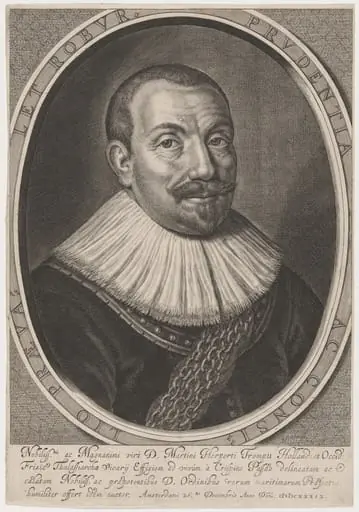
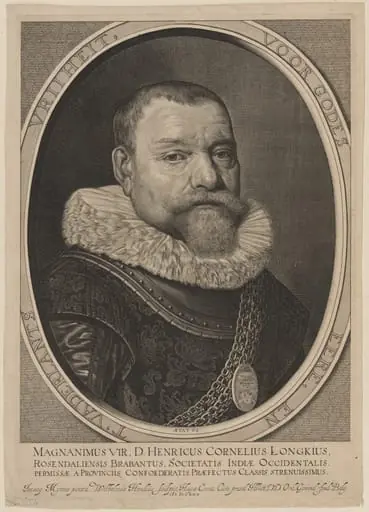
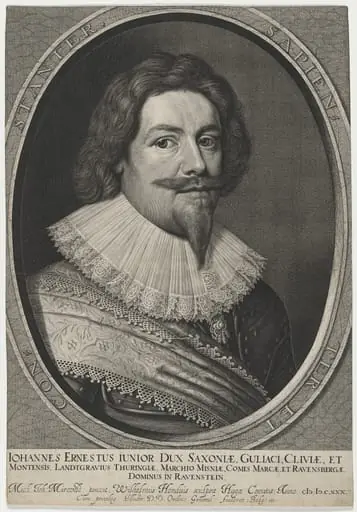
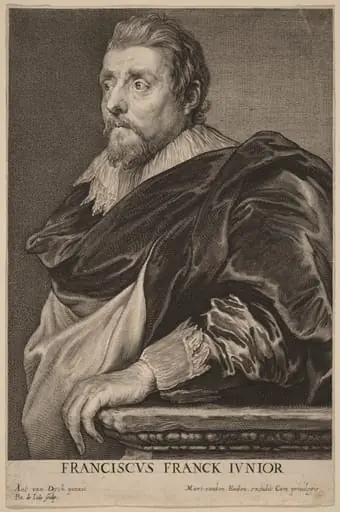
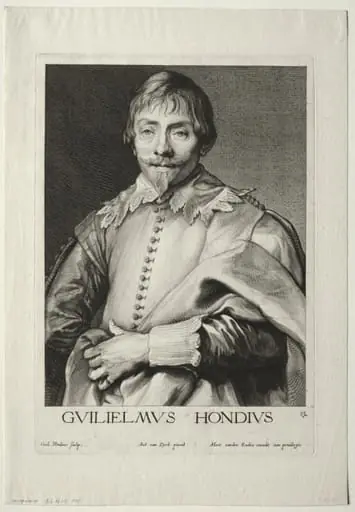
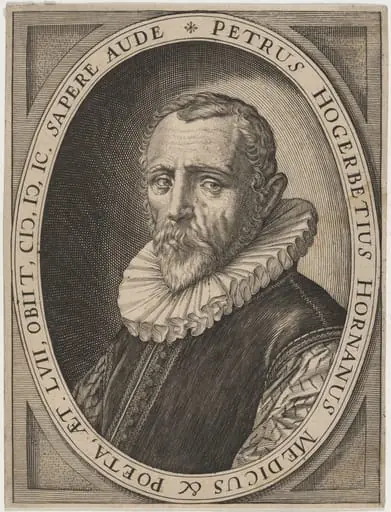
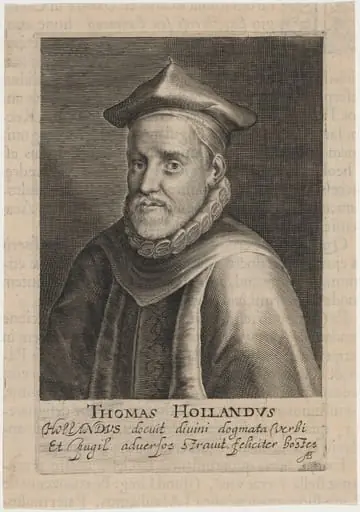
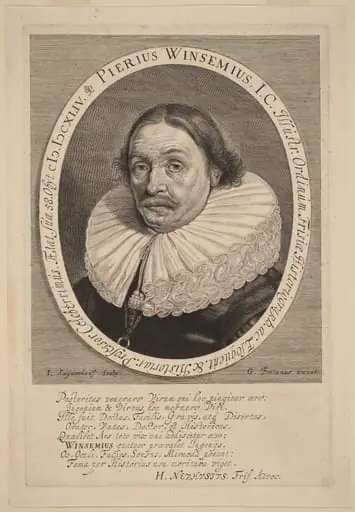
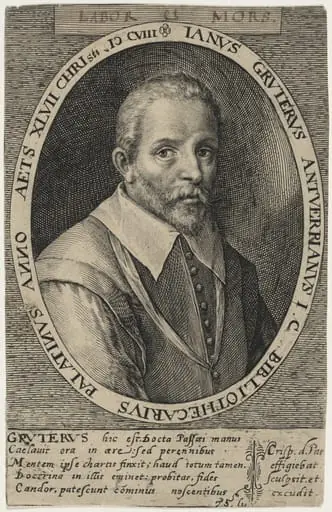
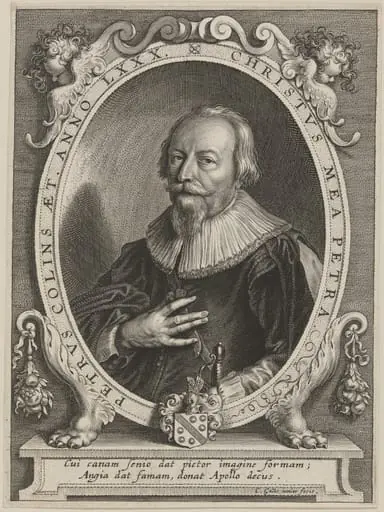
Willem Hondius is an ink print by the Baroque artist Willem Hondius. It dates from 1634 and is held in the collection of the National Gallery of Art.
About this work
Overview
This black-and-white engraving, created around 1634, is the work of Willem Hondius, a Dutch artist who spent much of his career in Danzig.
This black-and-white engraving, created around 1634, is the work of Willem Hondius, a Dutch artist who spent much of his career in Danzig. Executed with fine incised lines on metal, it belongs to a body of prints he produced while living in Poland. The portrait format and precise technique reflect his dual expertise in cartography and figurative printmaking, both used to record and disseminate visual information in early modern Europe.
Subject & Meaning
The subject is a man depicted with solemn composure, dressed in formal attire including a high lace collar and a draped cloak. His hands rest gently on his chest, suggesting contemplation or dignity. The inscription 'Gvilielmus Hondius' at the base identifies him as the artist himself, making this a self-portrait. Such images served to assert professional identity and social standing among printmakers of the period.
Technique & Style
The image was produced using the engraving technique, where lines are cut into a metal plate with a burin, then inked and pressed onto paper. Hondius employed fine, controlled strokes to model the face and fabric, creating subtle gradations of light and shadow. The plain dark background isolates the figure, emphasizing detail and expression. The absence of color and the precision of line are hallmarks of his methodical approach to printmaking.
History & Provenance
Created during Hondius’s time in Danzig, the engraving emerged from a period when he was producing maps and portraits for local patrons and institutions. His move from the Netherlands to Poland placed him at the center of a thriving print culture in the Polish-Lithuanian Commonwealth. This work likely circulated among scholars and civic leaders, contributing to the visual record of the region’s intellectual elite.
Context
In the early 17th century, engraving was a primary medium for disseminating portraits and geographic knowledge. Hondius operated within a network of Northern European artists and publishers who valued accuracy and clarity. His work in Danzig aligned with broader trends in civic portraiture and cartographic documentation, where visual precision supported both personal reputation and institutional authority.
Legacy
Hondius’s engravings, including this self-portrait, remain important records of artistic practice in early modern Poland. His technical skill helped elevate printmaking as a respected medium beyond mere reproduction. Though less widely known than his Dutch contemporaries, his contributions to regional documentation have provided scholars with valuable insight into the visual culture of 17th-century Danzig.
Artist & collection
Artist
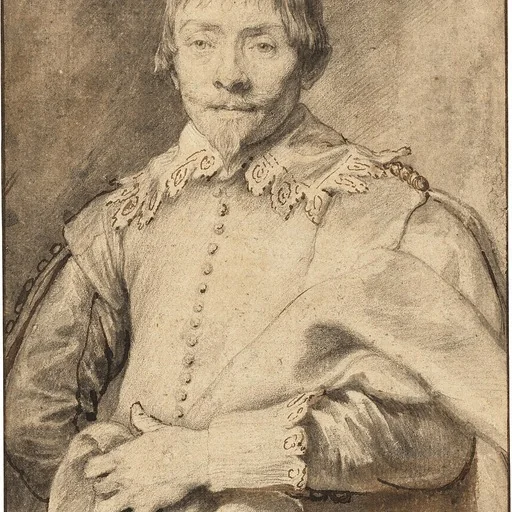
Willem Hondius or Willem Hondt (c. 1598 in The Hague – 1652 or 1658 in Danzig (Gdańsk)) was a Dutch engraver, cartographer and painter who spent most of his life in Poland.