Artwork
Choosing the Wedding Gown
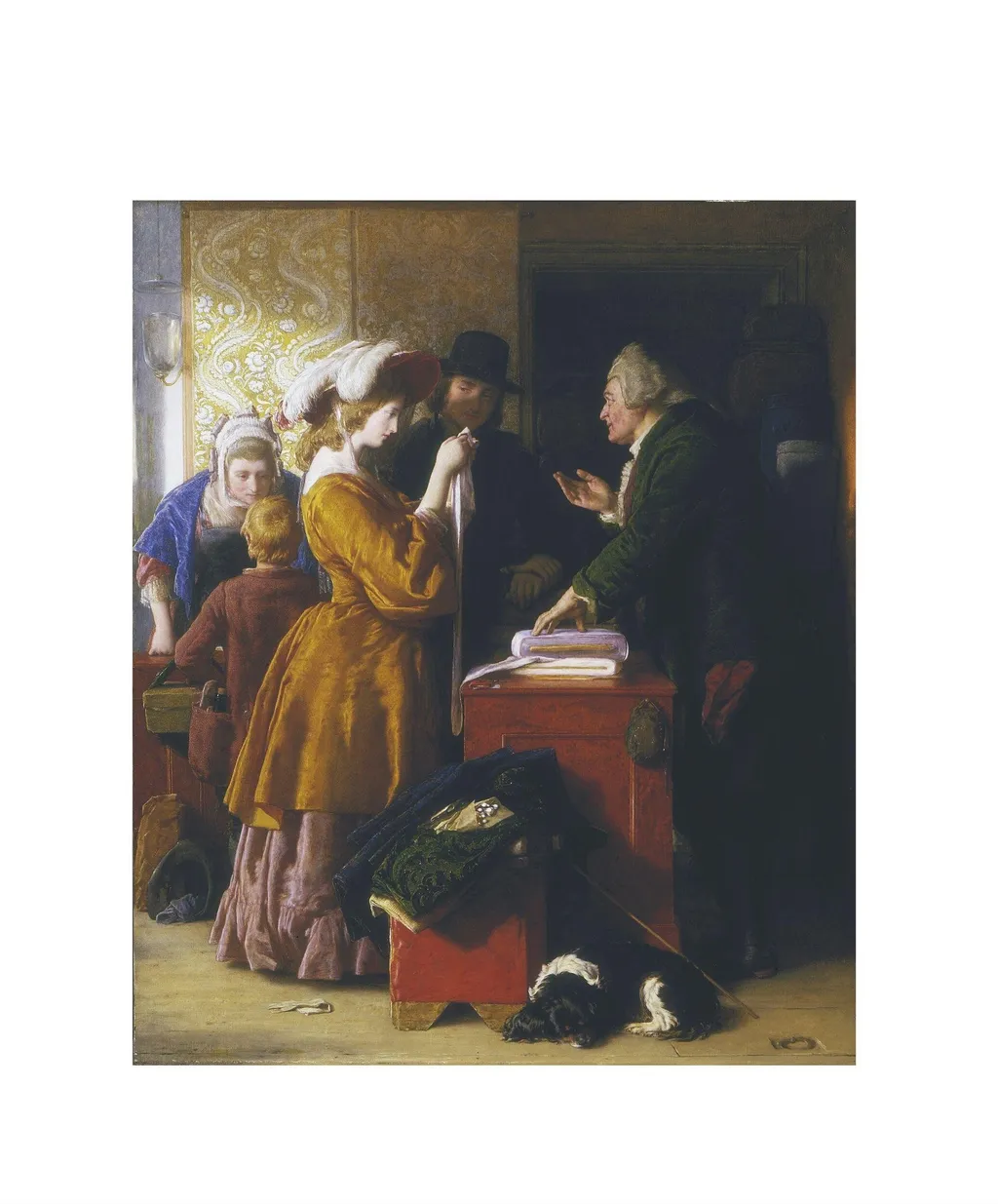
Choosing the Wedding Gown is an oil painting by William Mulready. It dates from 1845 and is held in the collection of the Victoria and Albert Museum.
About this work
Overview
William Mulready’s 1845 oil on panel, *Choosing the Wedding Gown*, depicts a domestic interior where a group gathers around a young woman in a bright yellow dress who holds a swatch of fabric. The composition includes period furniture, a red chest, a table, and a dog lying on the floor, creating a lively yet intimate scene.
Subject & Meaning
The painting visualizes a moment from Oliver Goldsmith’s novel *The Vicar of Wakefield*, in which characters discuss the selection of a bride’s wedding attire. By focusing on the fabric and the woman’s attentive pose, Mulready emphasizes the social importance of marriage and fashion in mid‑nineteenth‑century domestic life.
Technique & Style
Executed in oil on a wooden panel, Mulready employs a finely detailed genre style characteristic of early Victorian narrative painting. His careful rendering of textures—silk dress, polished wood, and the dog’s fur—demonstrates a keen observation of material qualities, while the balanced arrangement of figures guides the viewer’s eye through the scene.
History & Provenance
Originally commissioned as a frontispiece for an 1843 edition of Goldsmith’s novel, the work was later exhibited at the Royal Academy in 1846, where it attracted considerable attention. In 1857 the painting entered the Victoria and Albert Museum as part of the Sheepshanks Gift, donated by collector John Sheepshanks.
Context
Mulready’s choice of literary subject reflects a broader Victorian trend of translating popular novels into visual form. Such illustrations catered to a readership eager to see familiar stories rendered in a tangible, decorative medium, and they often appeared in both books and public exhibitions.
Own this work as a print
Artist & collection
Artist
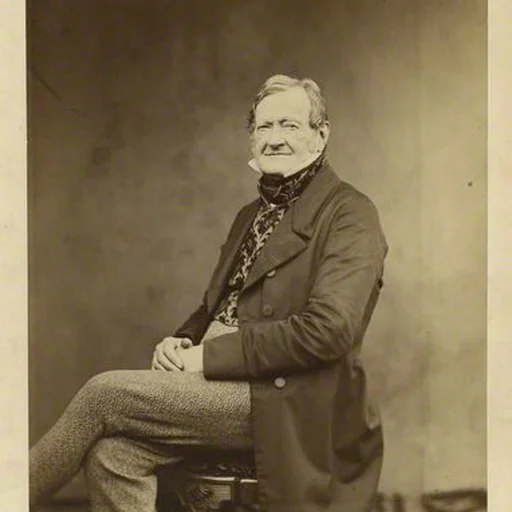
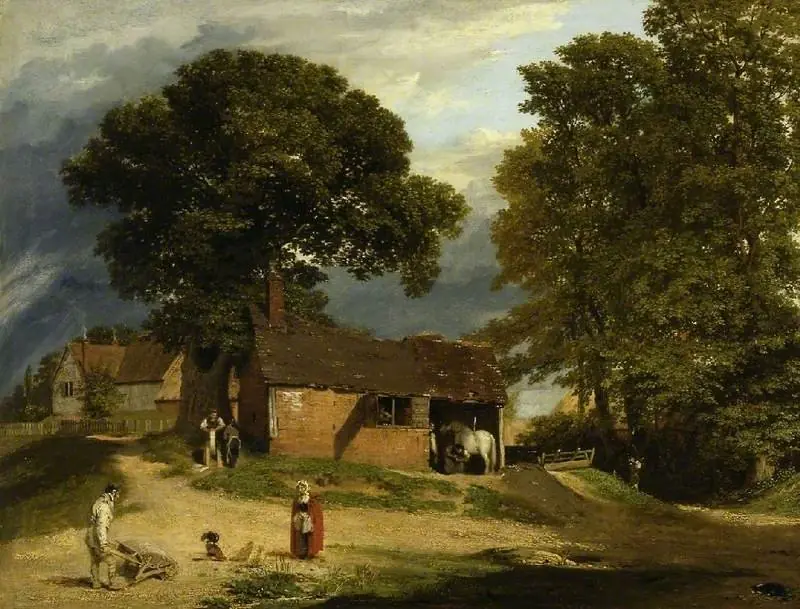
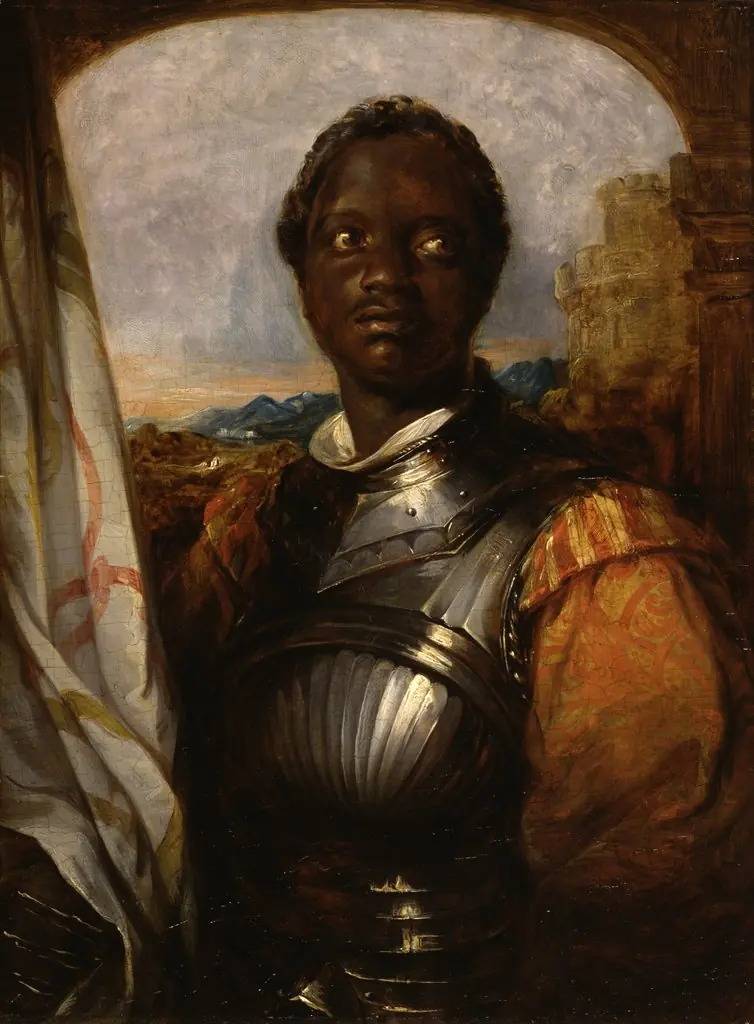
William Mulready was an Irish genre painter living in London. He is best known for his romanticising depictions of rural scenes, and for creating Mulready stationery letter sheets, issued at the same time as the Penny Black postage stamp.

 Not Guilty
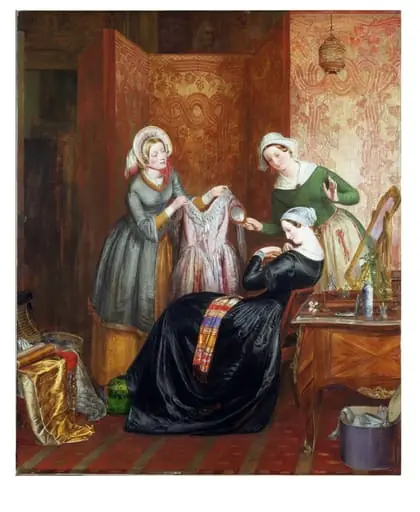 Throwing off Her Weeds
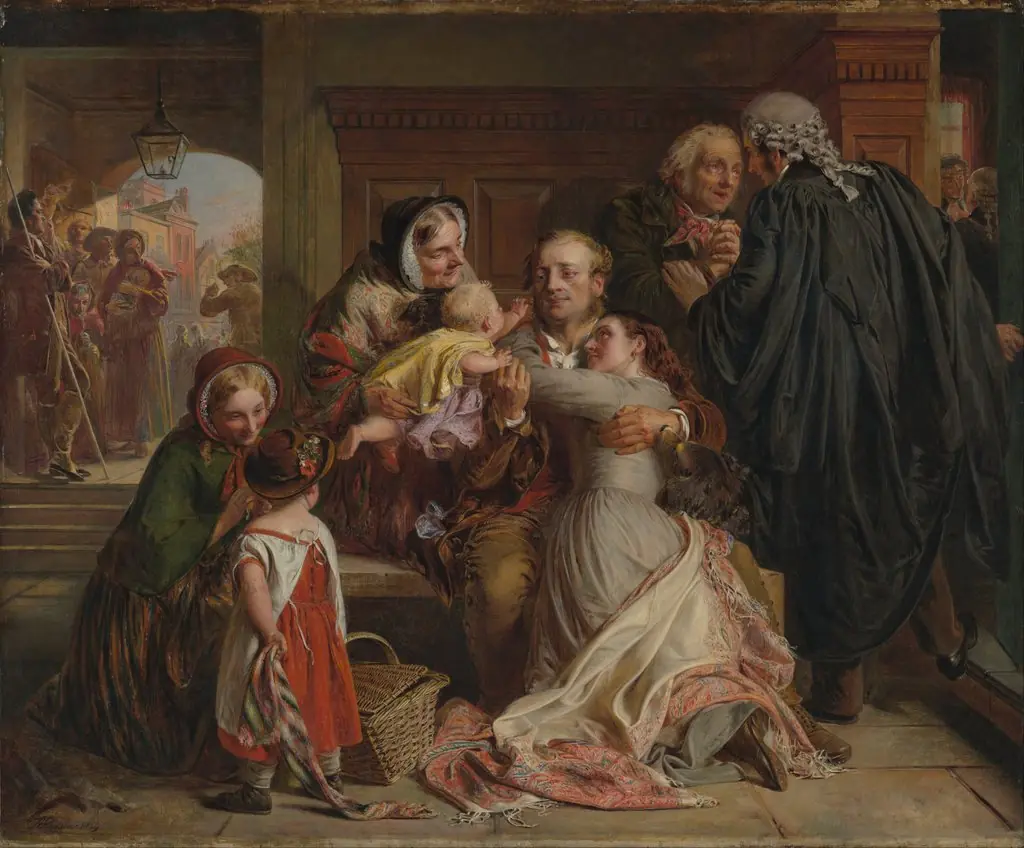
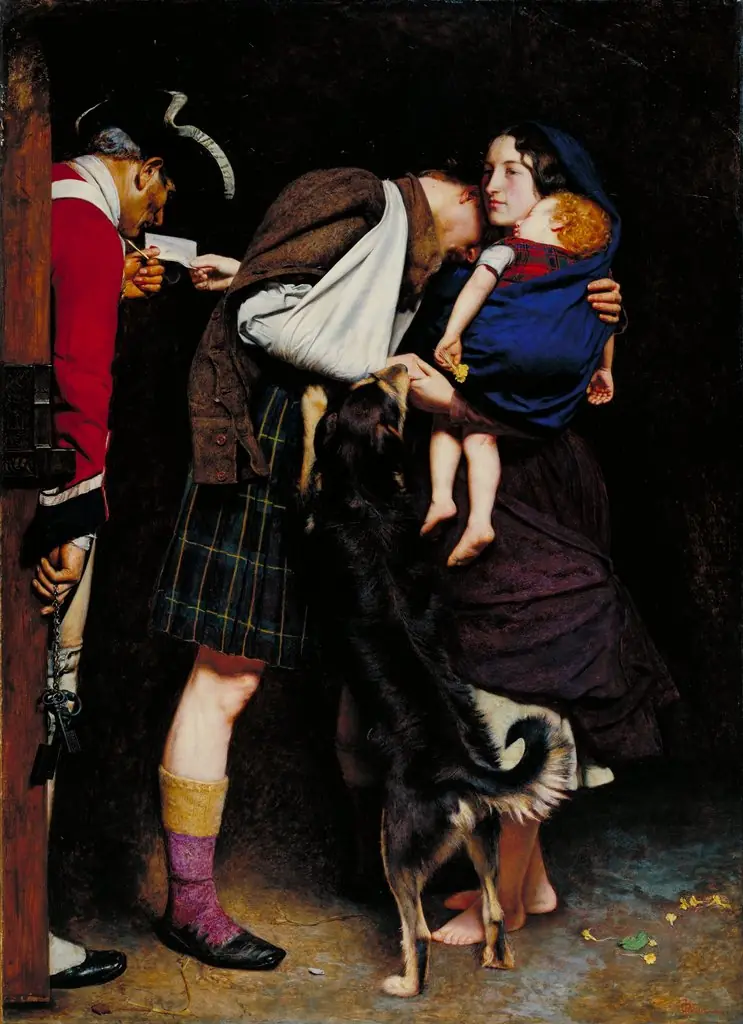 The Order of Release
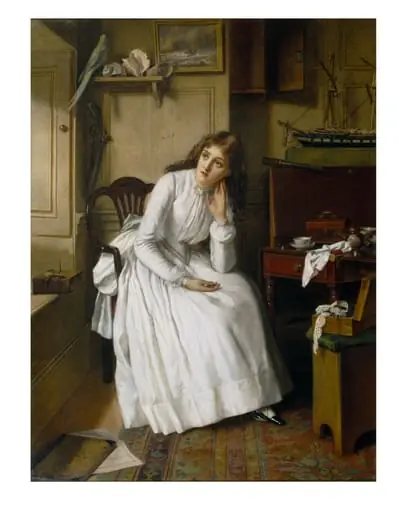 Florence Dombey in Captain Cuttle's Parlour
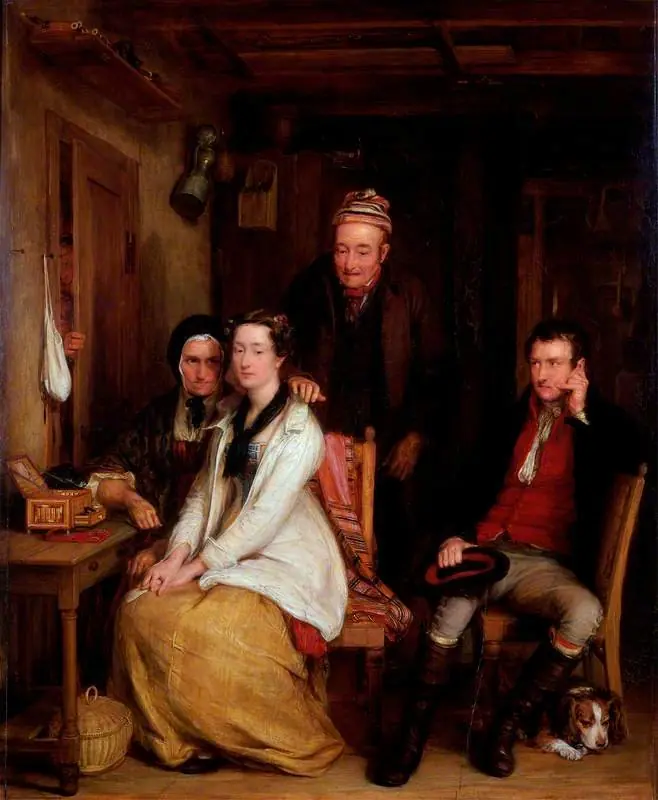 The Refusal
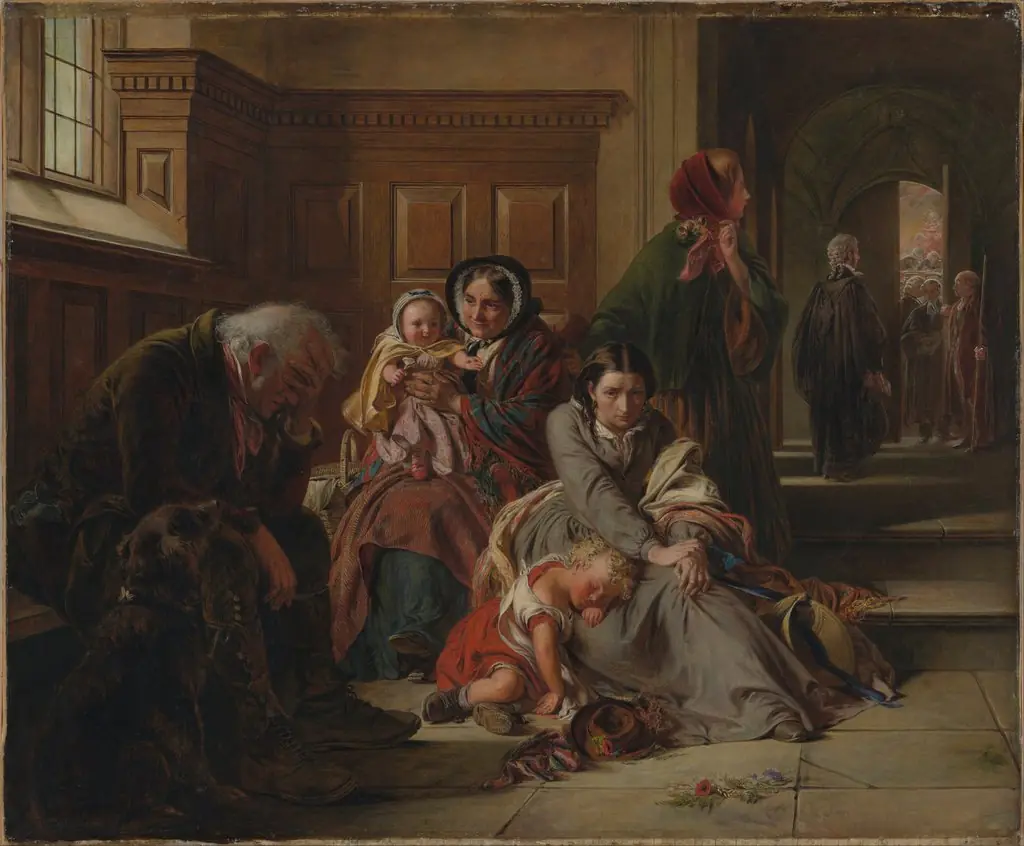 Waiting for the Verdict
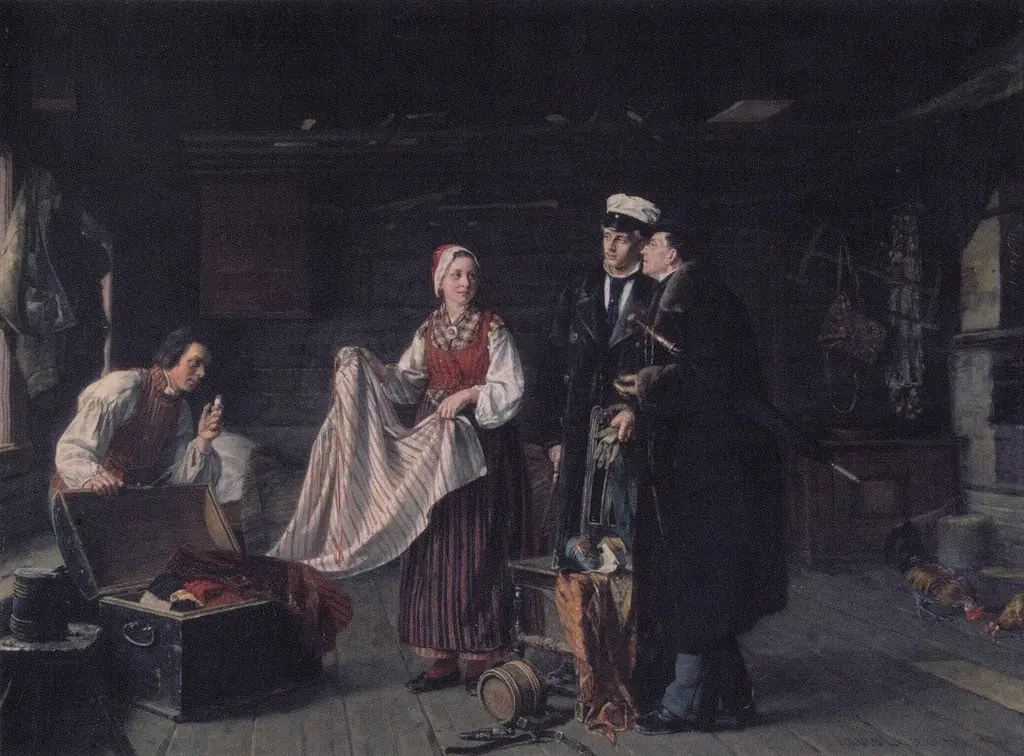 Buying National Dresses at Säkylä
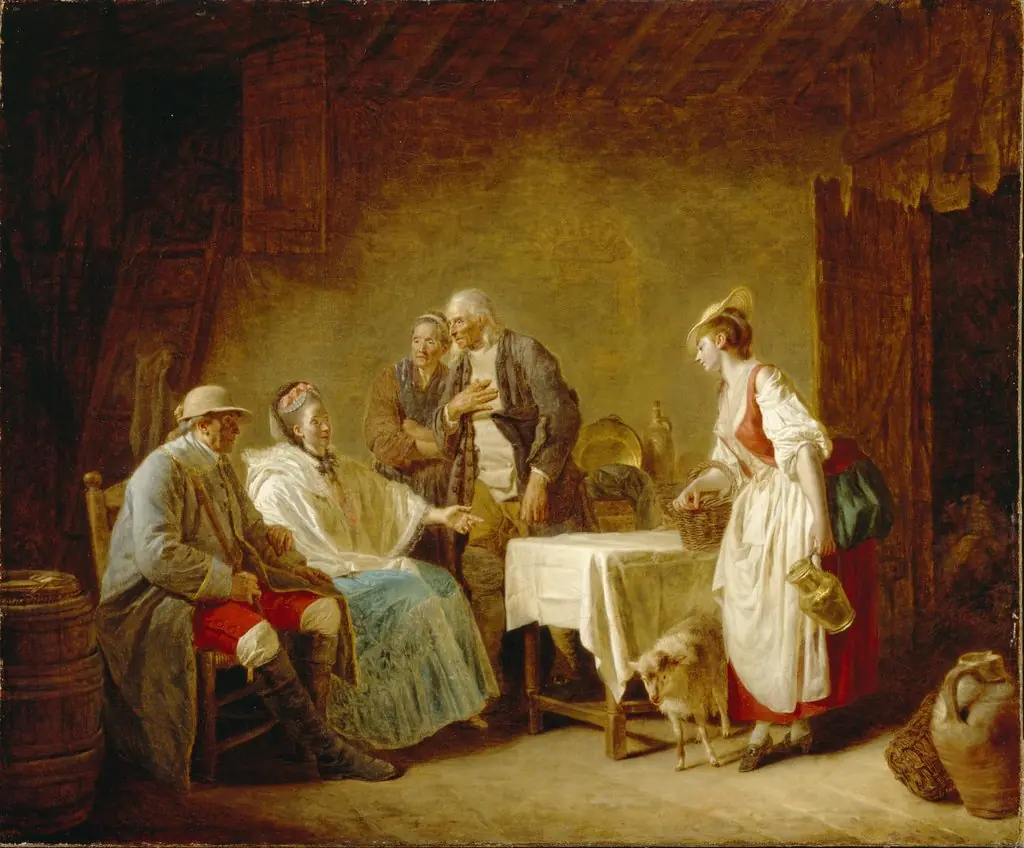 The Shepherdess of the Alps
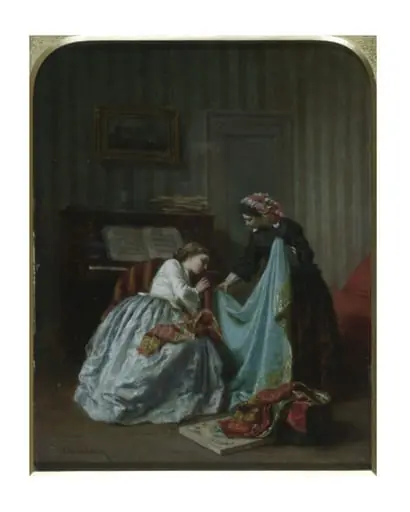 Interior with two women examining cloth
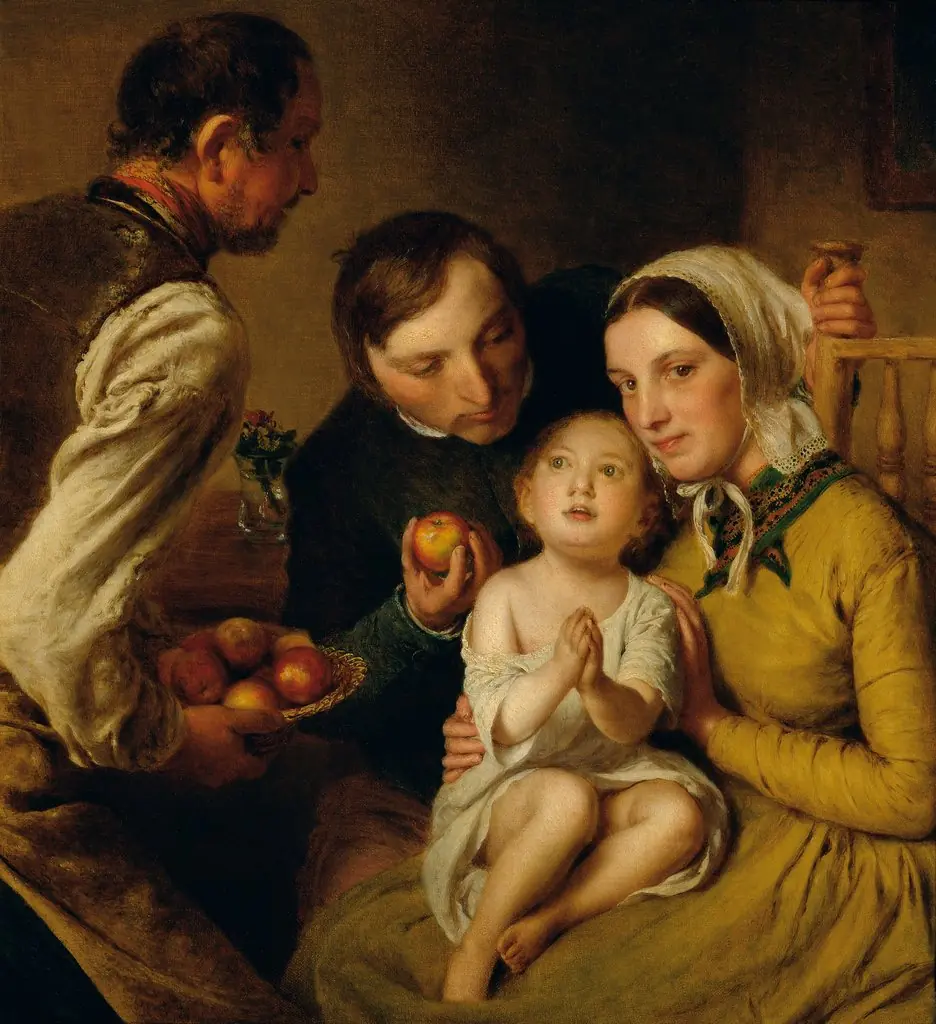 Das Bittenlernen (Familie Reiter)
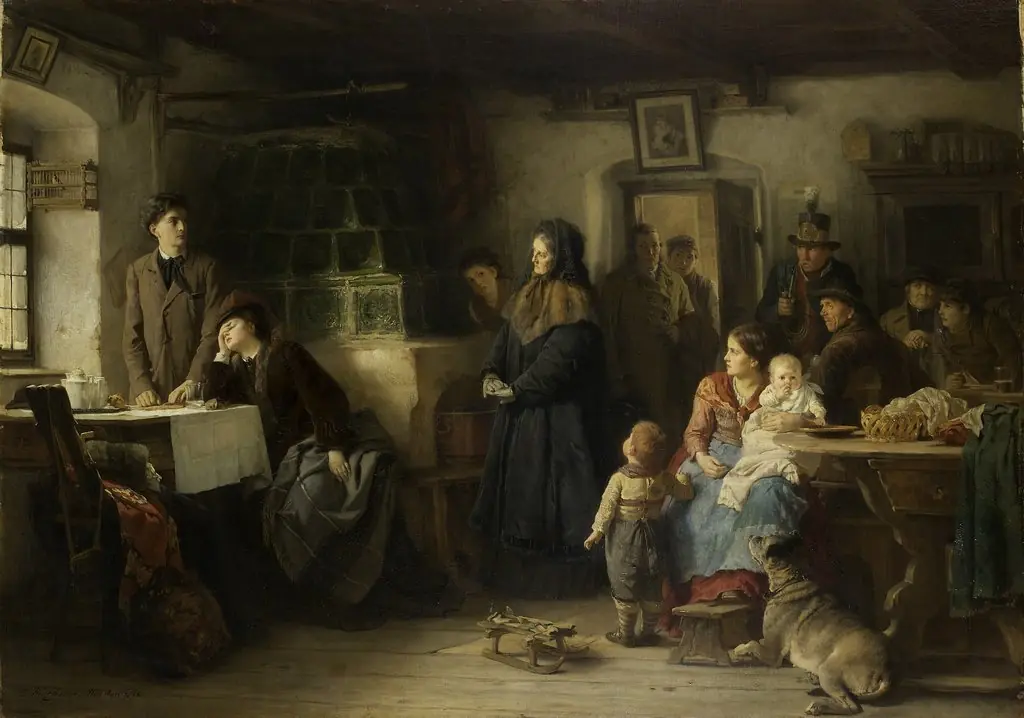 Die ereilten Flüchtlinge
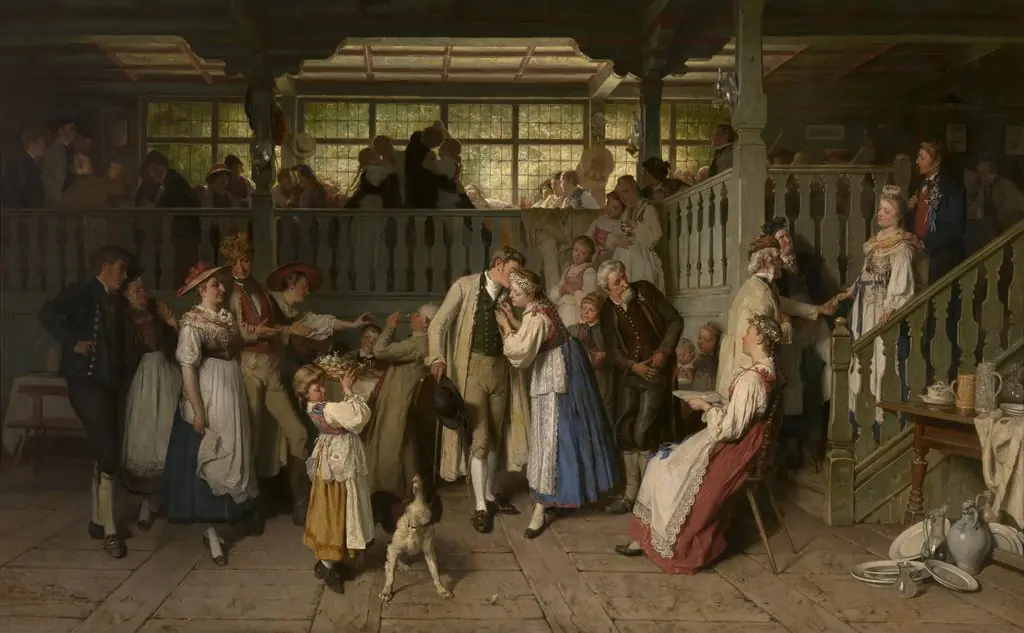 Guests at a Wedding