Artwork
The Convalescent from Waterloo
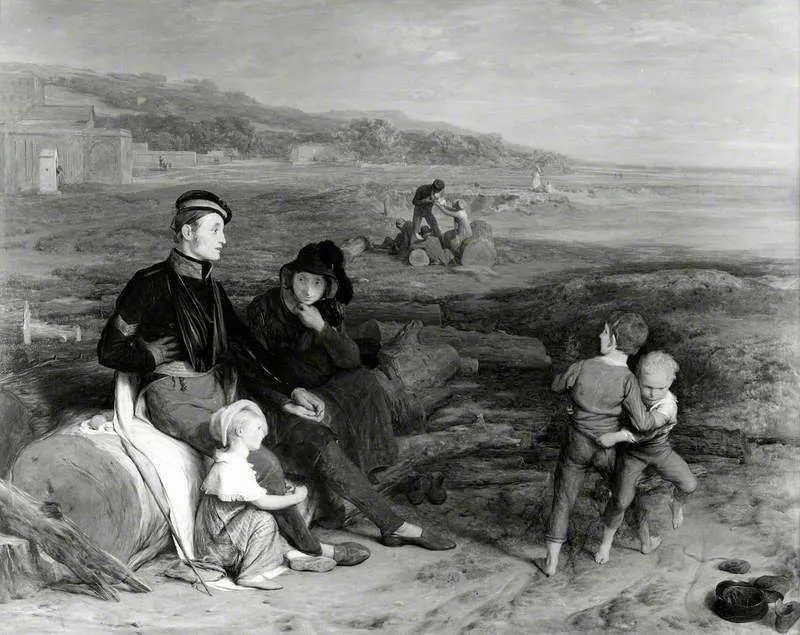
The Convalescent from Waterloo is an oil painting by the Realist artist William Mulready. It dates from 1822 and is held in the collection of the Victoria and Albert Museum.
About this work
Overview
The Convalescent from Waterloo is an 1822 oil painting by William Mulready, now part of the Victoria and Albert Museum's collection.
Subject & Meaning
The painting depicts a weary, sad-eyed man in military attire seated among his family—two children at play and a woman tending to him—set against a serene backdrop of a distant beach with figures and buildings. The scene conveys a sense of quiet concern for the man's recovery.
Technique & Style
While specific technical details of the painting are not highlighted, Mulready's use of oil paint achieves a peaceful, introspective atmosphere, characteristic of early 19th-century British domestic scenes.
History & Provenance
Created in 1822, the work is attributed to William Mulready. Its acquisition history leading to the Victoria and Albert Museum is not detailed here.
Context
The painting reflects the post-Napoleonic War era, potentially alluding to the aftermath of the Battle of Waterloo (1815), where veterans' reintegration and recovery were societal concerns.
Legacy
The painting's legacy is not extensively outlined in available information, though it remains part of the Victoria and Albert Museum's holdings, contributing to the institution's collection of early 19th-century British art.
Artist & collection
Artist
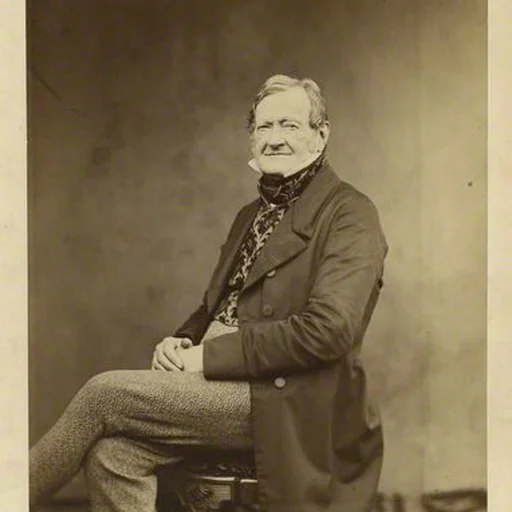
William Mulready was an Irish genre painter living in London. He is best known for his romanticising depictions of rural scenes, and for creating Mulready stationery letter sheets, issued at the same time as the Penny Black postage stamp.

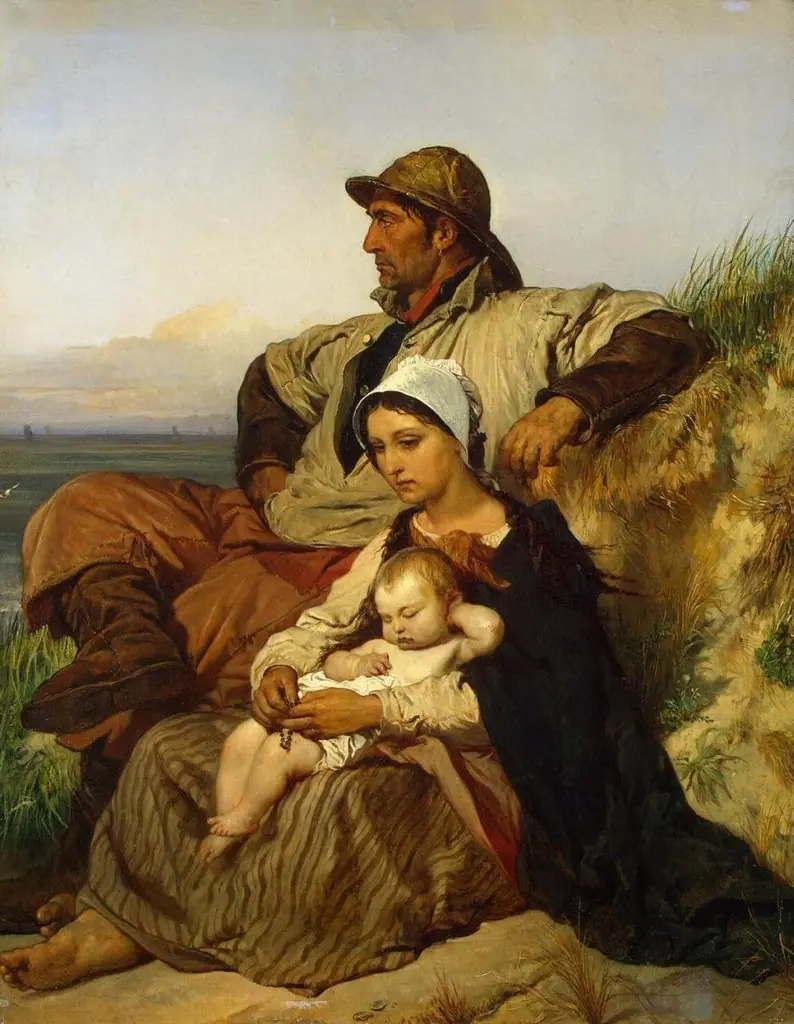 Fisherman's Family
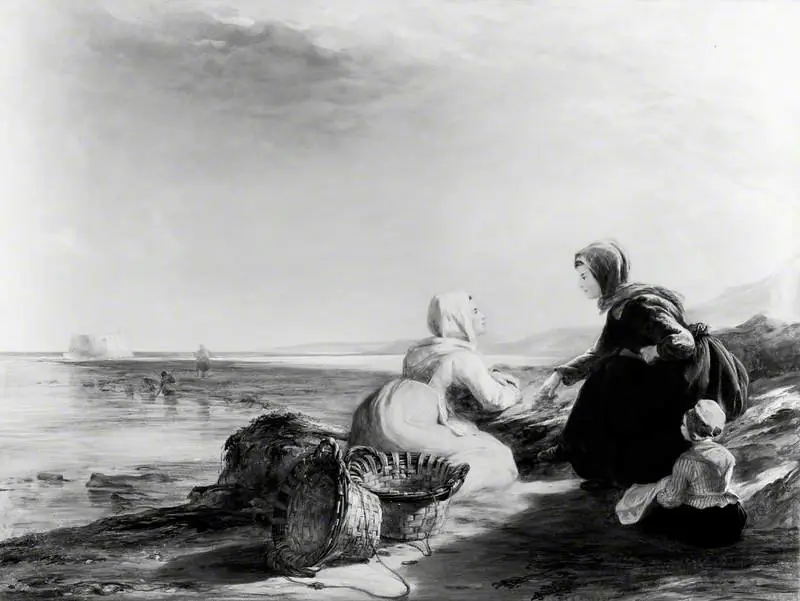 Fisherwomen on the Coast near Boulogne
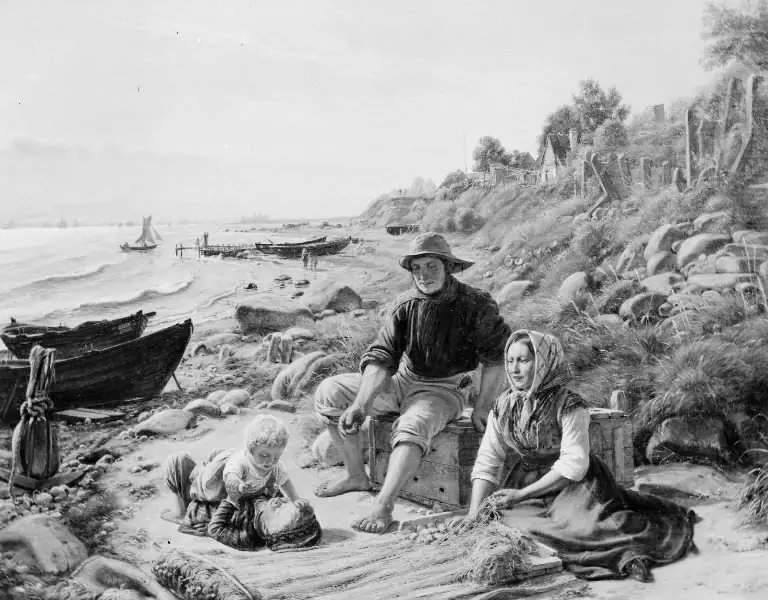 Familieliv i et lille fiskerleje nord for Helsingør
 Familieliv i et lille fiskerleje nord for Helsingør
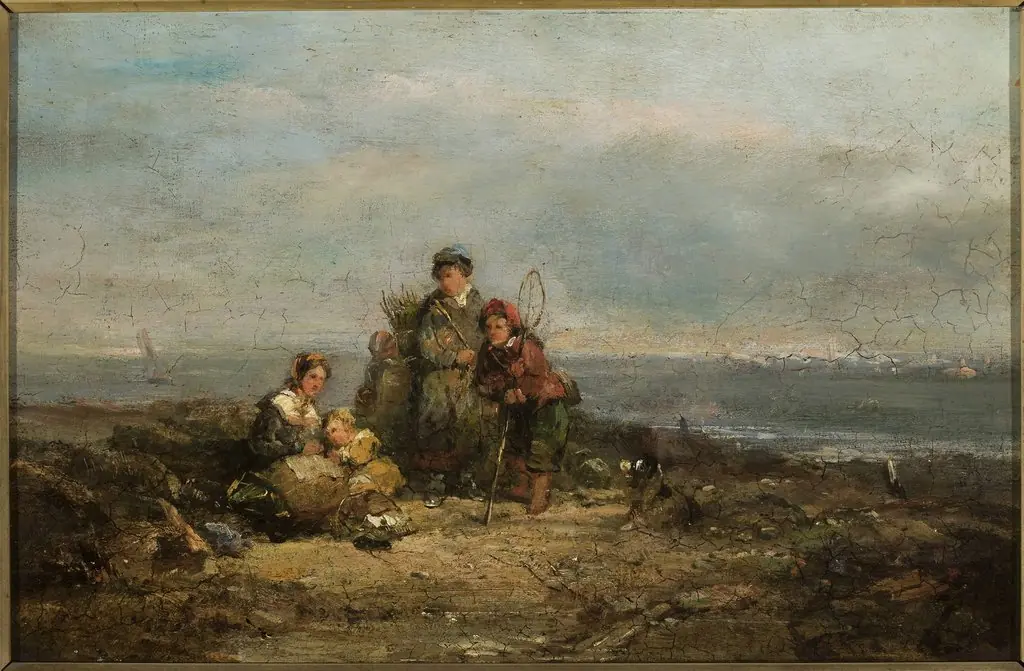 Children in the field
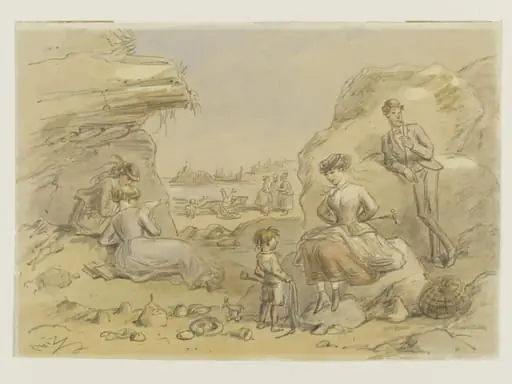 A beach scene
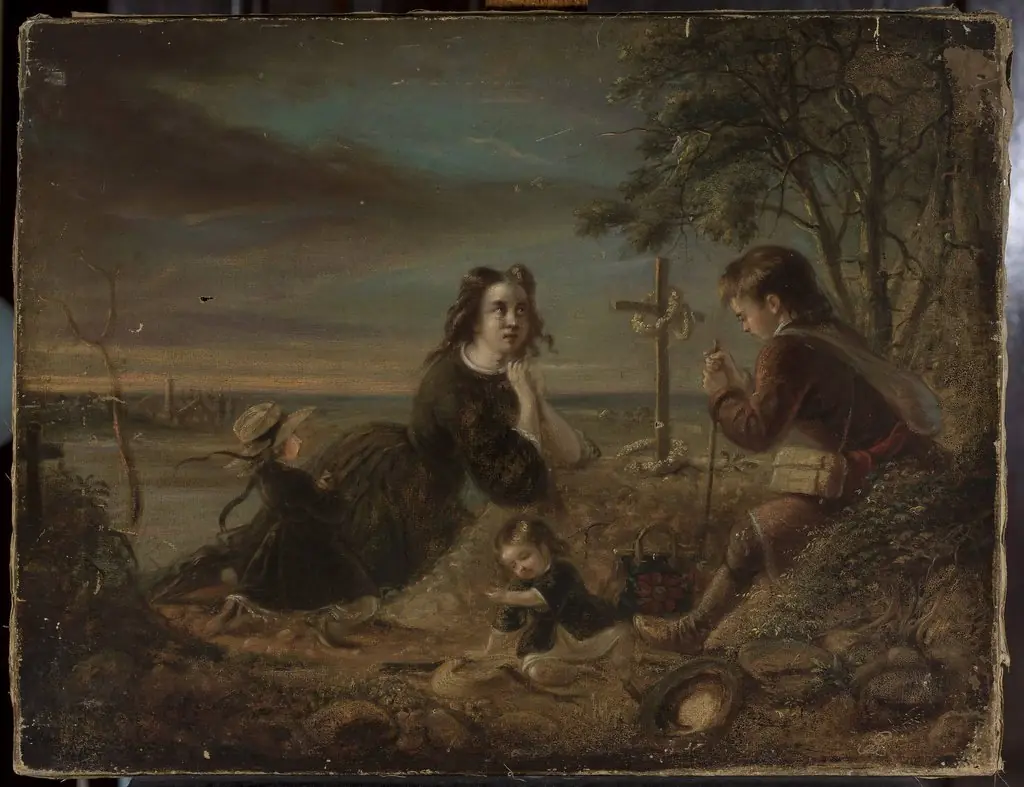 Prayer at the grave
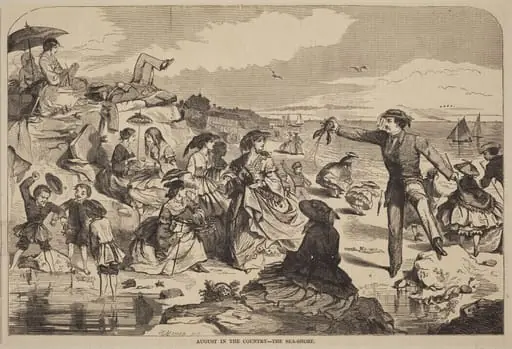 August in the Country - The Sea Shore
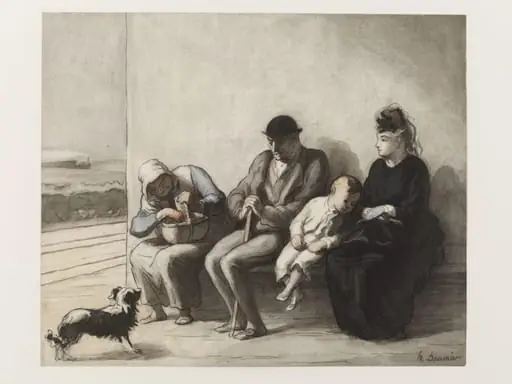 L’attente à la gare
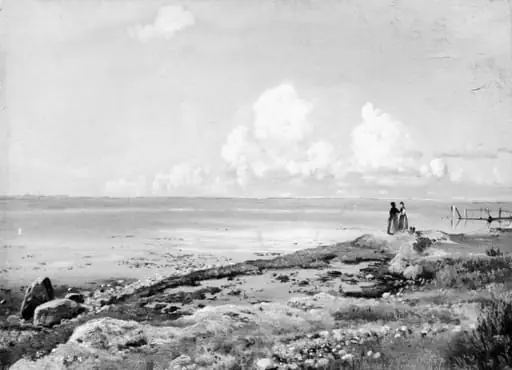 The Beach at Refsnæs, Zealand
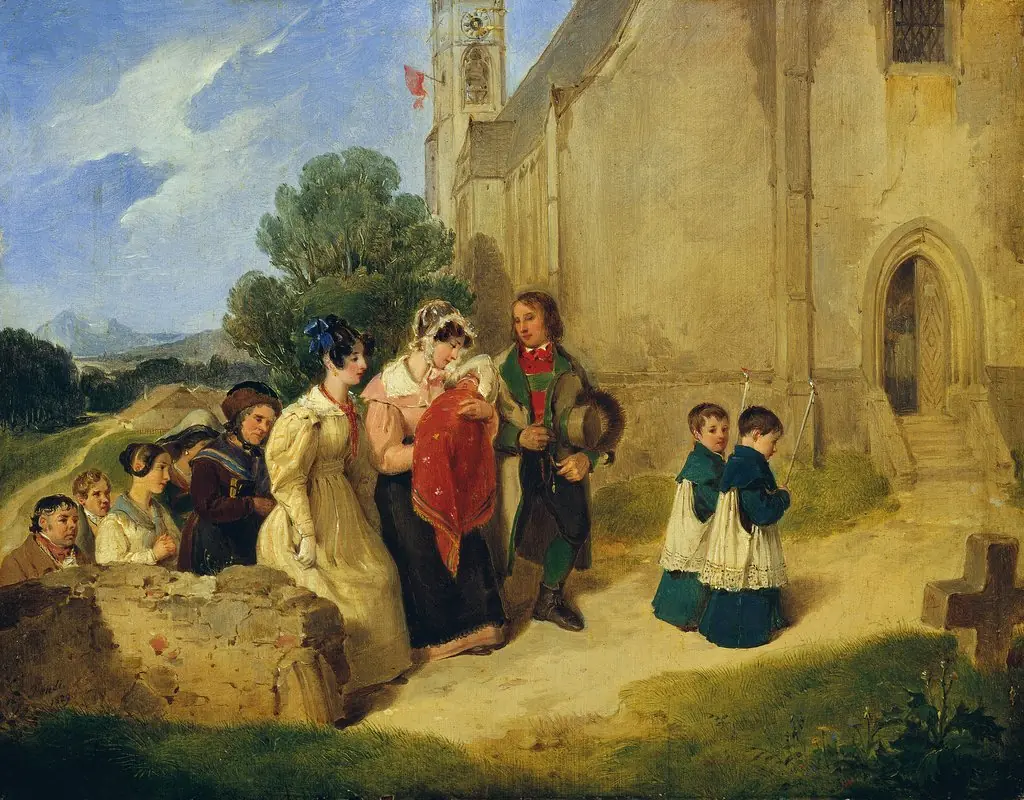 The Baptism Procession
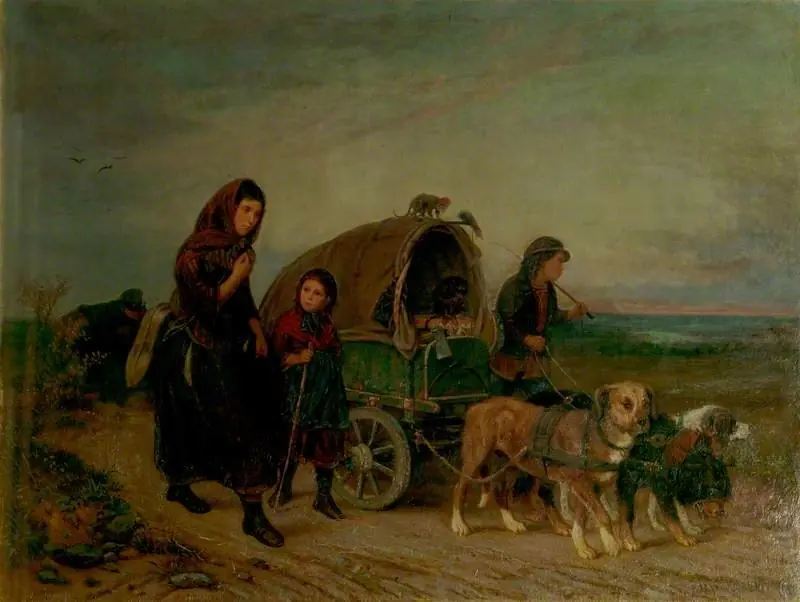 Travelling Dog Cart