Artwork
Count Palatine Friedrich Wilhelm -
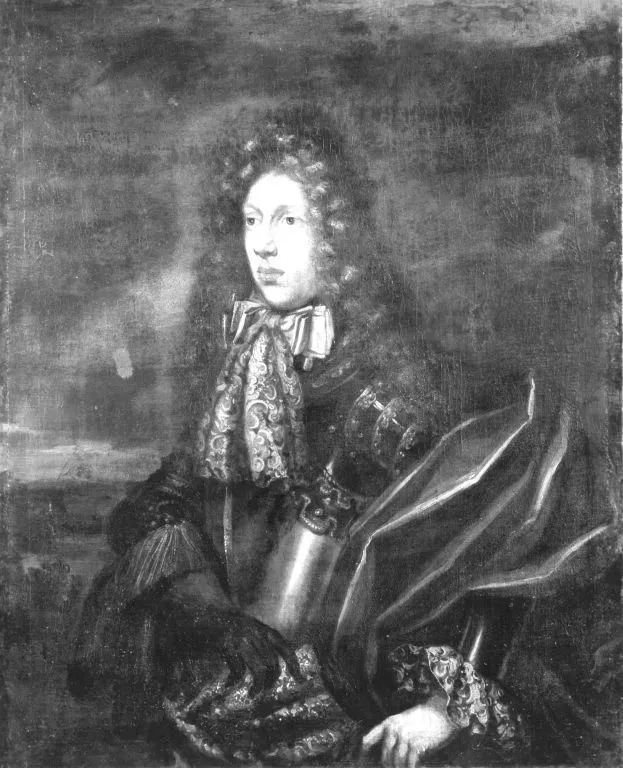
Count Palatine Friedrich Wilhelm - is an unspecified painting by the Dutch Golden Age artist Wolfgang Ludwig Hopfer. It dates from 1650 and is held in the collection of the Bavarian State Painting Collections.
About this work
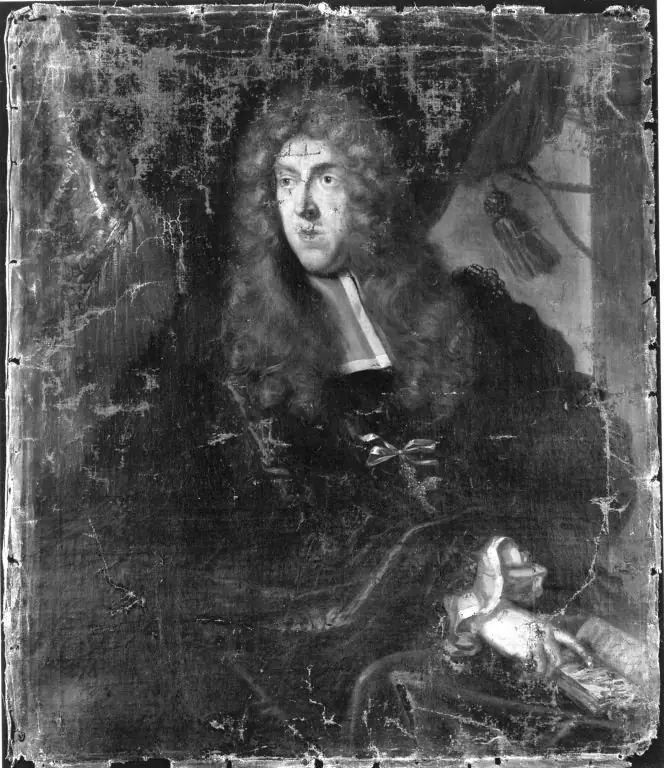
The painting depicts a man with curly hair, dressed in a dark jacket adorned with intricate patterns and a large bow at his neck.
The painting depicts a man with curly hair, dressed in a dark jacket adorned with intricate patterns and a large bow at his neck. He wears a dark cloak draped over his left shoulder, and his right hand is visible, though the rest of his body is not shown.
The man's attire suggests he is a person of importance, possibly from the 17th century, given the style of his clothing. The background of the painting is dark and indistinct, drawing attention to the subject.
To learn more about the artist's use of chiaroscuro, explore the works of Wolfgang Ludwig Hopfer.
Overview
Wolfgang Ludwig Hopfer painted a portrait of Count Palatine Friedrich Wilhelm around the middle of the 17th century. The work is part of the collection of the Alte Pinakothek in Munich and presents the nobleman in a half‑length format, emphasizing his status through costume and compositional focus.
Subject & Meaning
The sitter, identified as Count Palatine Friedrich Wilhelm, is shown with tightly curled hair and dressed in a dark, patterned jacket topped by a prominent bow at the throat. A heavy cloak falls over his left shoulder, while his right hand is visible, suggesting a poised, dignified bearing typical of aristocratic portraiture of the period.
Technique & Style
Hopfer employs a restrained palette of deep blacks and muted tones, allowing the figure to emerge from an indistinct, shadowy background. The contrast between illuminated fabric and surrounding darkness demonstrates a careful use of chiaroscuro, highlighting texture and the three‑dimensionality of the garments.
History & Provenance
Created circa 1650, the portrait entered the Alte Pinakothek’s holdings, where it remains on display. Documentation traces its acquisition to the museum’s early 19th‑century collection efforts, though earlier ownership records are limited.
Context
In the mid‑17th century, German court portraiture often emphasized rank through elaborate dress and controlled lighting. Hopfer’s rendering aligns with contemporary conventions, presenting the count within a visual language that reinforced noble authority while maintaining a modest compositional scale.
Artist & collection

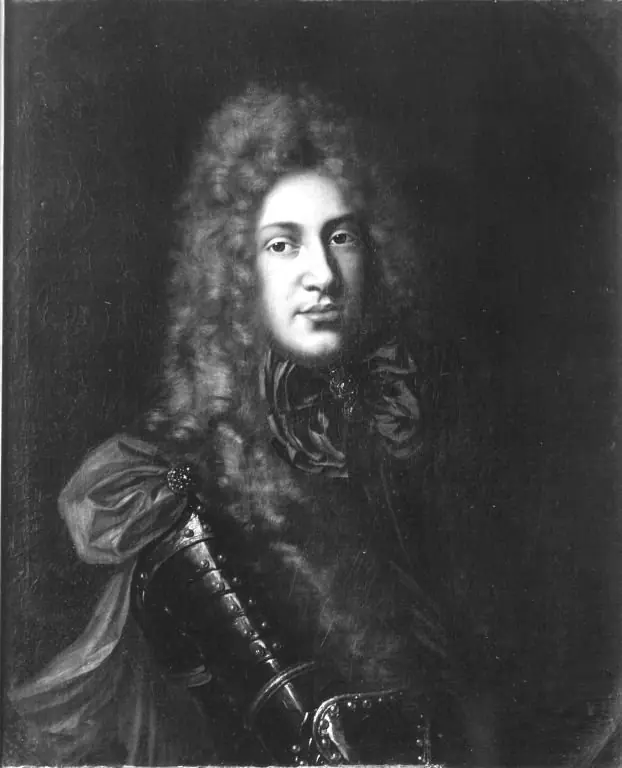
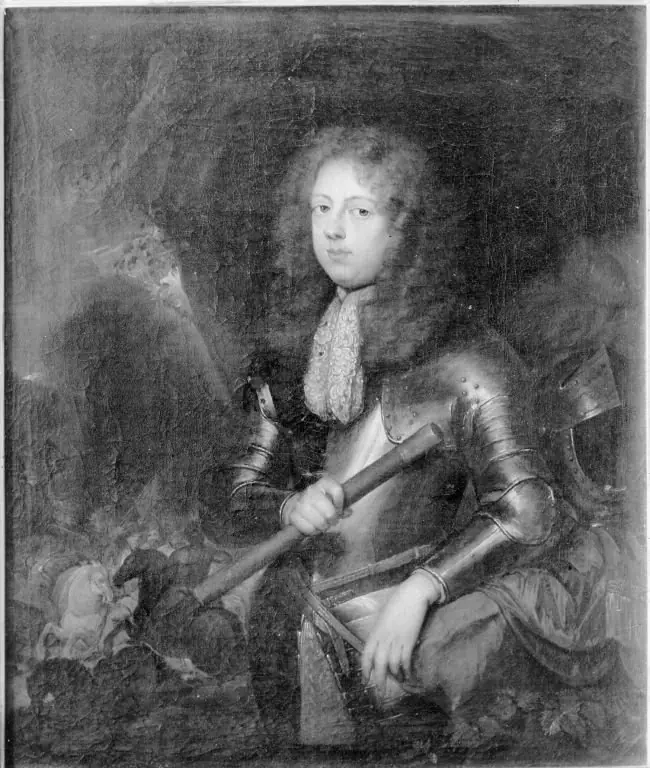 Bildnis eines Prinzen
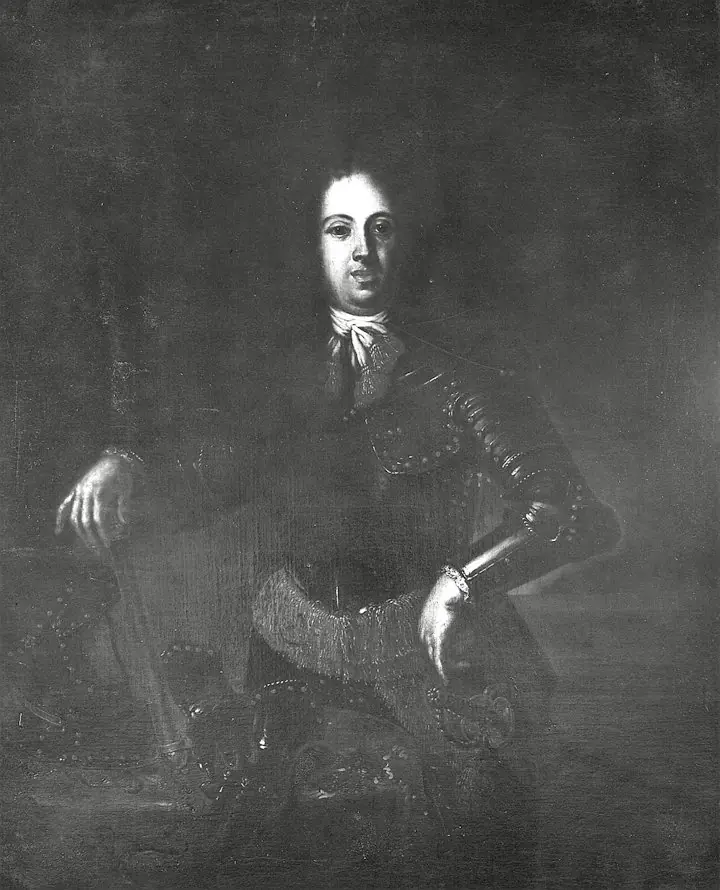 Portrait of Ferdinando de' Medici, Grand Prince of Tuscany
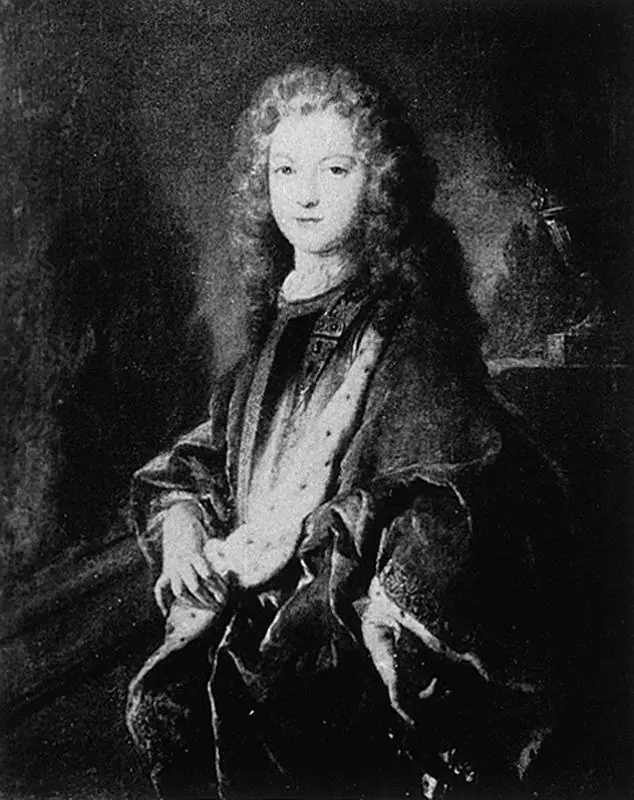 Louis Auguste I. de Bourbon, Herzog von Maine (1670-1736)
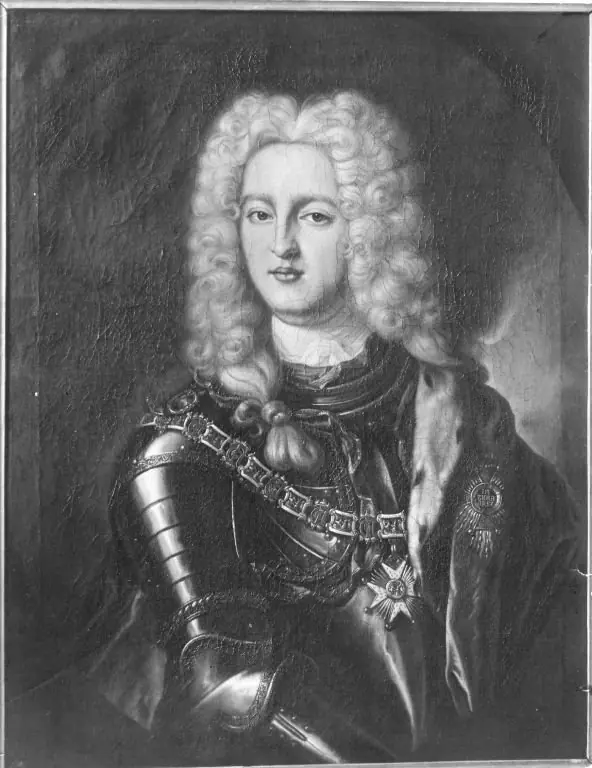 Count Palatine Christian III from Zweibrücken-Birkenfeld
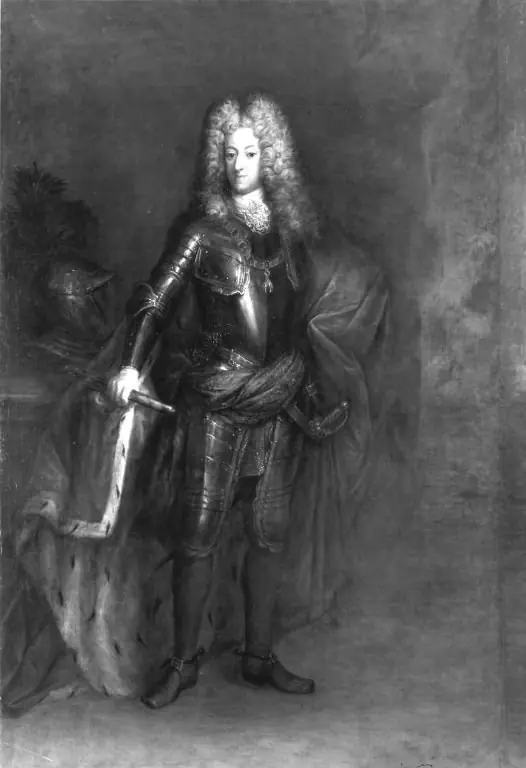 Bildnis des Kurfürsten Max Emanuel von Bayern
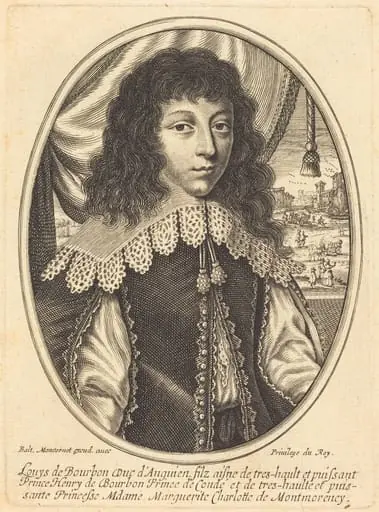 Louis II de Bourbon-Condé
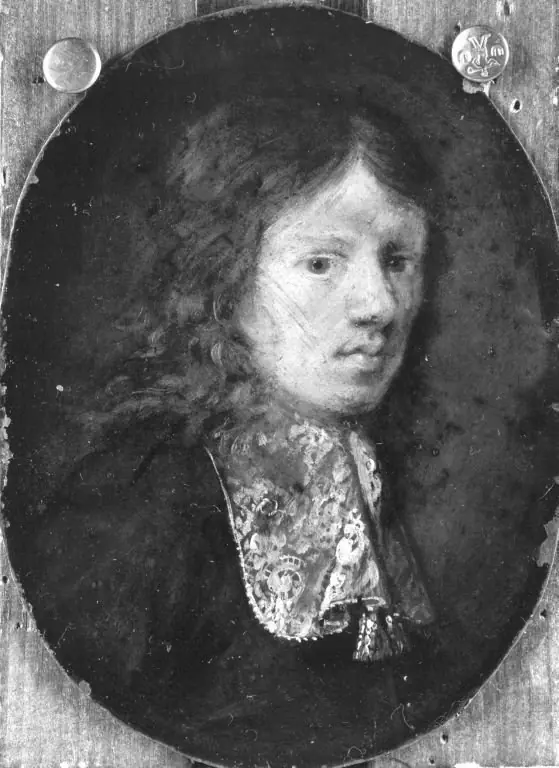 Brustbild eines jungen Mannes (zugeschrieben)
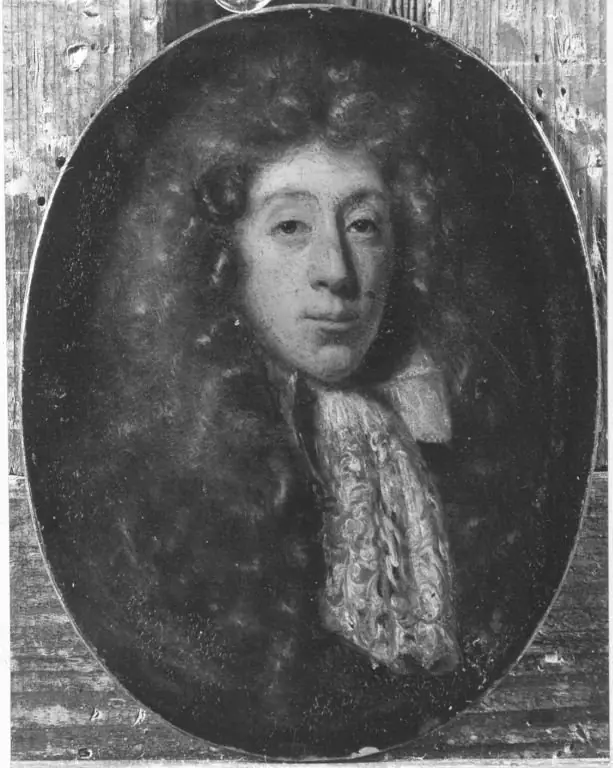 Bildnis eines jungen Mannes (Werkstatt)
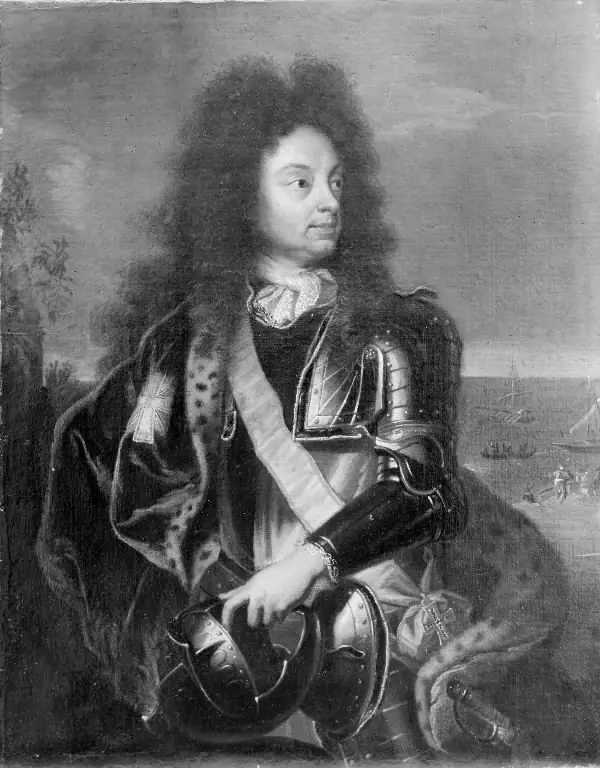 Portræt af Frederik Walter (1671-1718), gehejmeråd, overhofmester. Hvid Ridder 1701
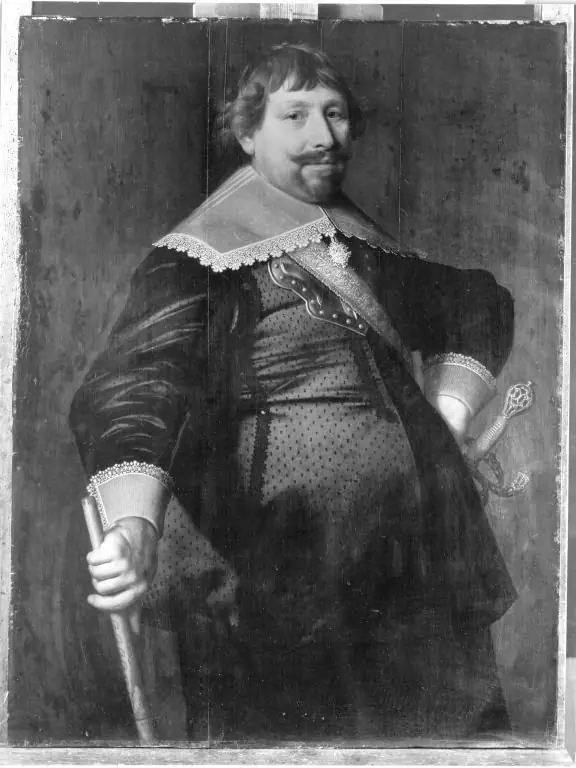 Portrait of a man