Artwork
En mår
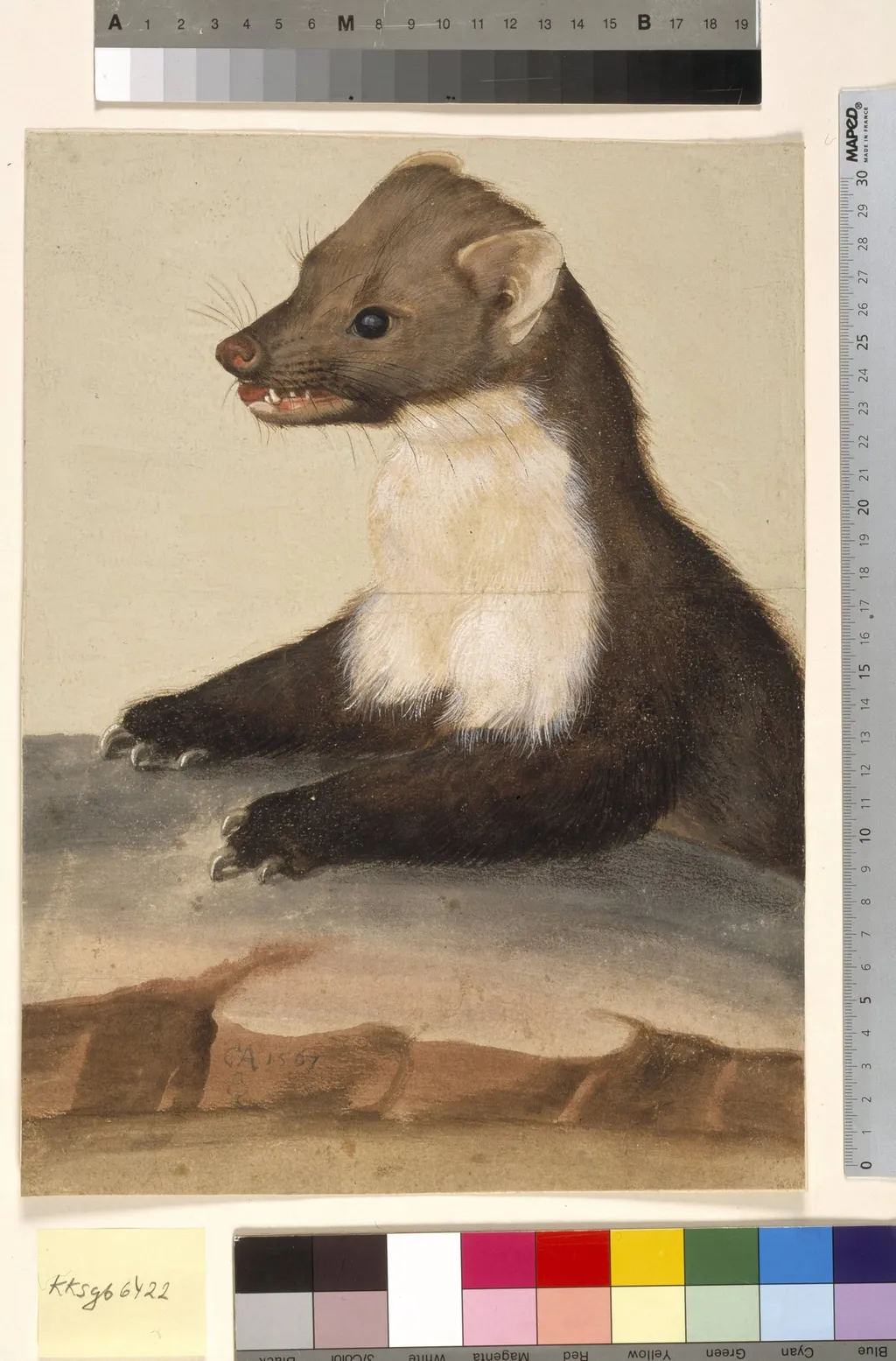
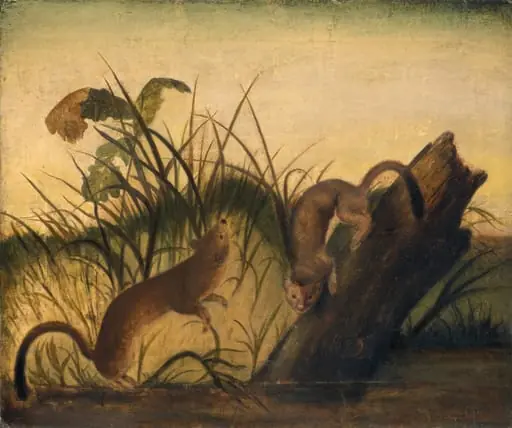
En mår is an unspecified work on paper by the Renaissance artist Unknown. It dates from 1567 and is held in the collection of the Statens Museum for Kunst.
About this work
The artist focused on the animal’s fur and sharp features, using light and shadow to make it look real.
This painting shows a small animal with brown and white fur sitting on a rocky ledge. Its mouth is open, teeth visible, and it looks alert. The background is a simple, muted landscape with soft watercolor strokes.
The artist focused on the animal’s fur and sharp features, using light and shadow to make it look real. The date on the painting is 1567, which places it in the Renaissance period.
If you like this style, look up watercolor to see how artists use layers of paint to create depth.
Overview
En mår, executed in 1567 by the artist known as 2091_person, is a watercolor work presently in the collection of the Museum of Ethnography. The piece portrays a diminutive mammal perched on a stone ledge, rendered with a restrained palette and delicate brushwork that situates the figure within a softly suggested landscape.
Subject & Meaning
The central figure is a small, brown‑and‑white creature with its mouth agape, exposing its teeth, and an expression of alert vigilance. While the animal’s identity is not specified, the composition emphasizes its natural posture and keen demeanor, inviting viewers to consider the immediacy of wildlife observation.
Technique & Style
The artist employs layered watercolor washes to model the animal’s fur, achieving a tactile sense of texture through subtle shifts of light and shadow. Fine brushstrokes delineate the teeth and facial features, while the background is treated with broad, muted strokes that recede, allowing the figure to command visual focus.
History & Provenance
Created during the Renaissance, a period noted for heightened naturalistic representation, the work bears the date 1567. Its provenance traces to the Museum of Ethnography, where it has been conserved as part of the institution’s holdings of early modern European visual culture.
Context
The painting reflects Renaissance interests in detailed observation of the natural world, aligning with contemporary scientific curiosity. Watercolor, though less common than oil at the time, offered a means to capture fleeting light effects, a quality evident in the soft atmospheric treatment of the surrounding landscape.
Artist & collection

 Domestic Scene
 Giacomo and Cardinal Marco, investing Andrea, Abbot of San Zeno, with his Benefice
 The Nymph of Fontainebleau
 Portrait of a Woman
 Madonna and Child with Saints in the Enclosed Garden
 Venus and Minerva
 Family Group of Four on Sofa
 Wall painting from Room H of the Villa of P. Fannius Synistor at Boscoreale
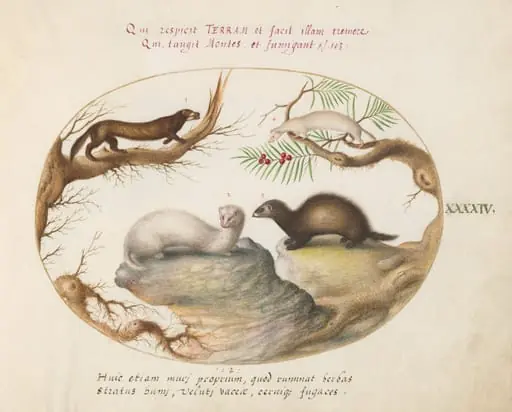 Plate 44: Polecat, Mink, and Ermine
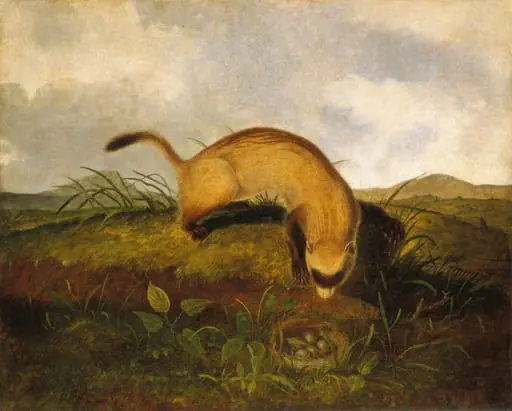 Black-Footed Ferret
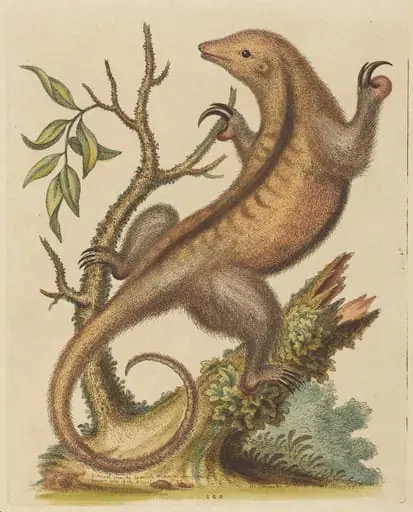 Pygmy Anteater
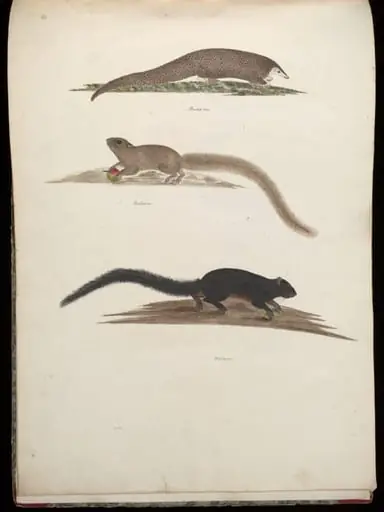 Three animals
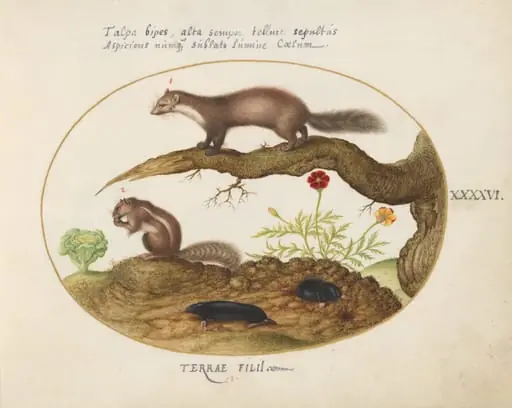 Plate 46: Stone Marten, Chipmunk, and Moles with a Marigold and Lettuce
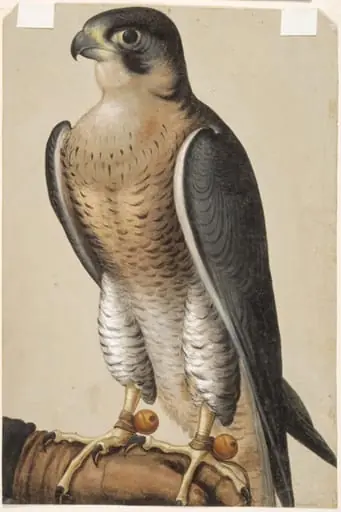 A Gerfalcon on a Falconer's Glove
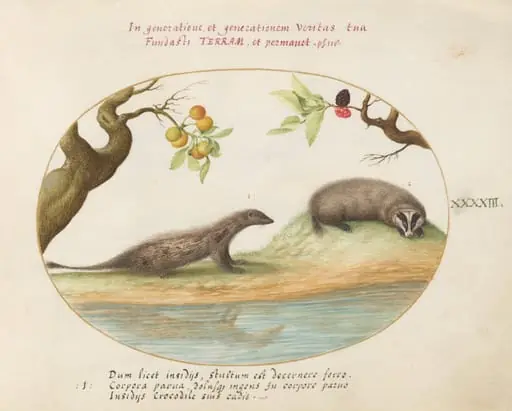 Plate 43: Mongoose and Badger with Fruit Trees
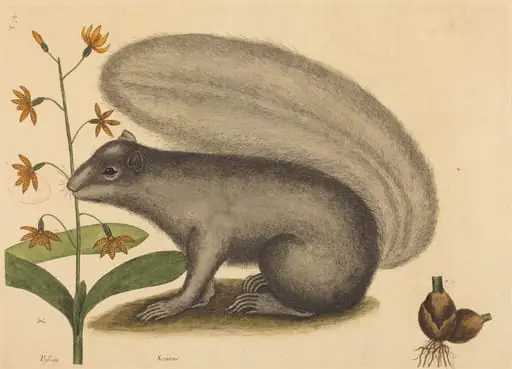 The Grey Fox Squirrel (Sciurus cinereus)
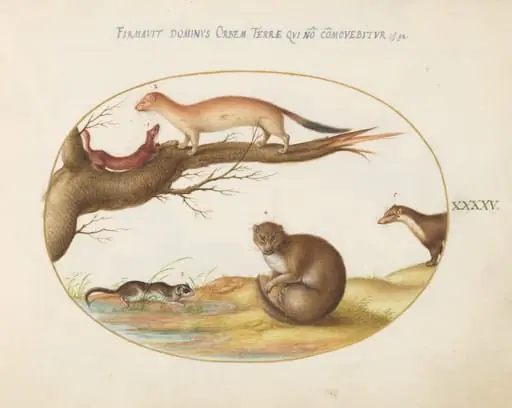 Plate 45: Weasels, a Ferret, and a "Nut Mouse"
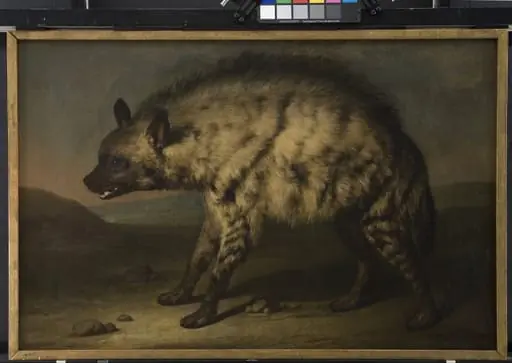 Hyænen i menageriet ved Frederiksberg Slot
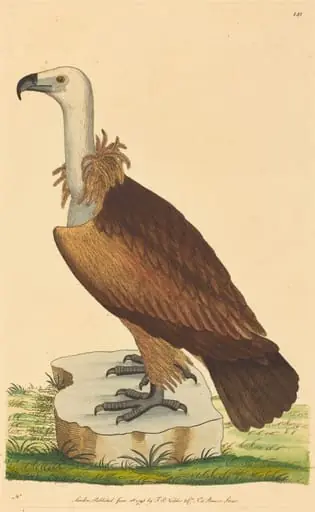 The Alpine Vulture
 Long-Tailed Weasel