Artwork
The Madonna Enthroned with Saint John the Baptist and Saint John the Evangelist
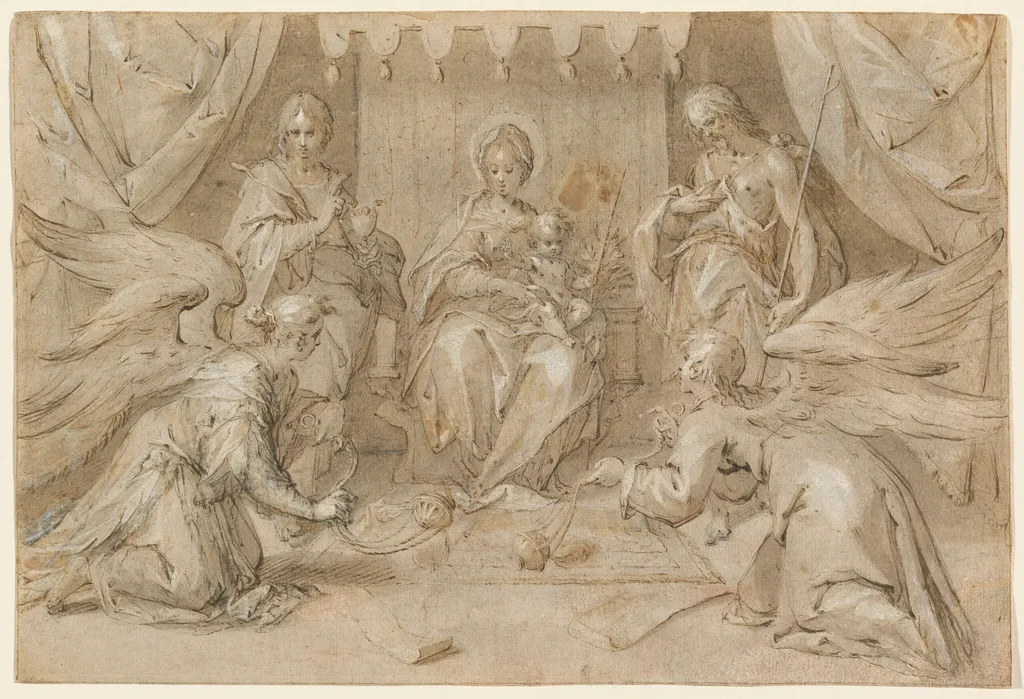
The Madonna Enthroned with Saint John the Baptist and Saint John the Evangelist is an ink drawing by the Renaissance artist Hans von Aachen. It dates from 1589 and is held in the collection of the National Gallery of Art.
About this work
Overview
Created in 1589, this drawing by Hans von Aachen presents a seated Virgin with the infant Christ, flanked by Saint John the Baptist and Saint John the Evangelist. The figures are arranged before a fortified backdrop that suggests a castle wall with battlements, lending a sense of solemnity to the composition.
Subject & Meaning
The central motif of the Madonna with the Christ child, accompanied by the two Johns, reflects a conventional devotional theme that emphasizes the intercession of the Virgin and the prophetic roles of the saints. The solemn postures and modest attire of the figures convey a contemplative atmosphere appropriate for private religious contemplation.
Technique & Style
Executed with pen and brown ink, the drawing incorporates a subtle brown wash and selective white gouache highlights that lift the forms from the paper. Incised lines indicate a transfer process, while the overall elongation of the figures and graceful arrangement align the work with the Northern Mannerist aesthetic prevalent in late‑sixteenth‑century Europe.
History & Provenance
Hans von Aachen, a prominent practitioner of Northern Mannerism, produced this piece for an aristocratic patron, as was typical of his career that spanned religious, mythological, and allegorical subjects. The drawing remains on laid paper, its verso showing a reddish tint from the transfer technique, and it now resides in a museum collection dedicated to European drawings of the period.
Artist & collection
Artist
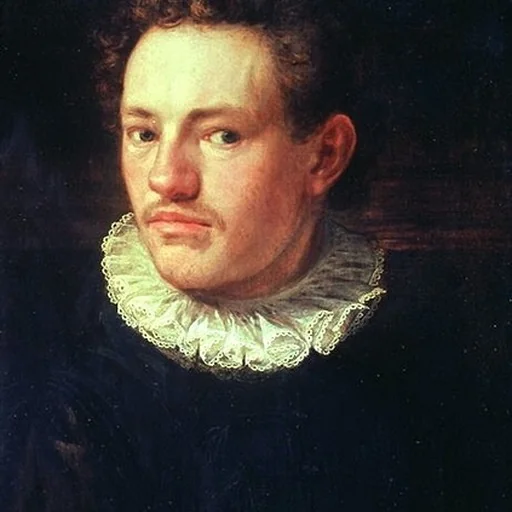
Hans von Aachen (1552 – 4 March 1615) was a German painter who was one of the leading representatives of Northern Mannerism.

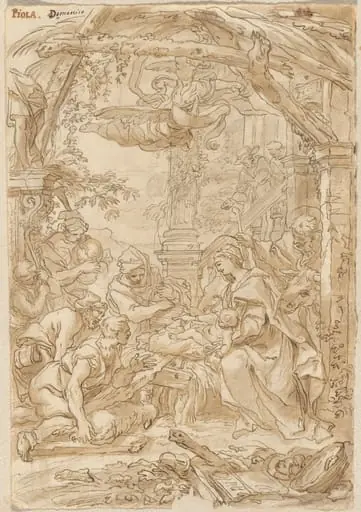 The Adoration of the Shepherds
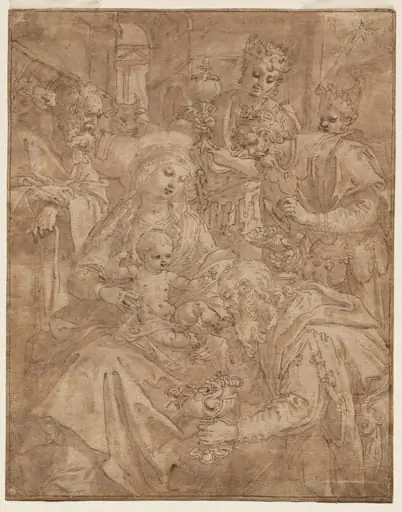 Adoration of the Magi
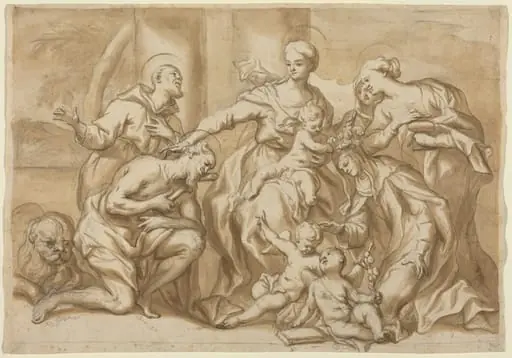 Madonna Surrounded by Saints
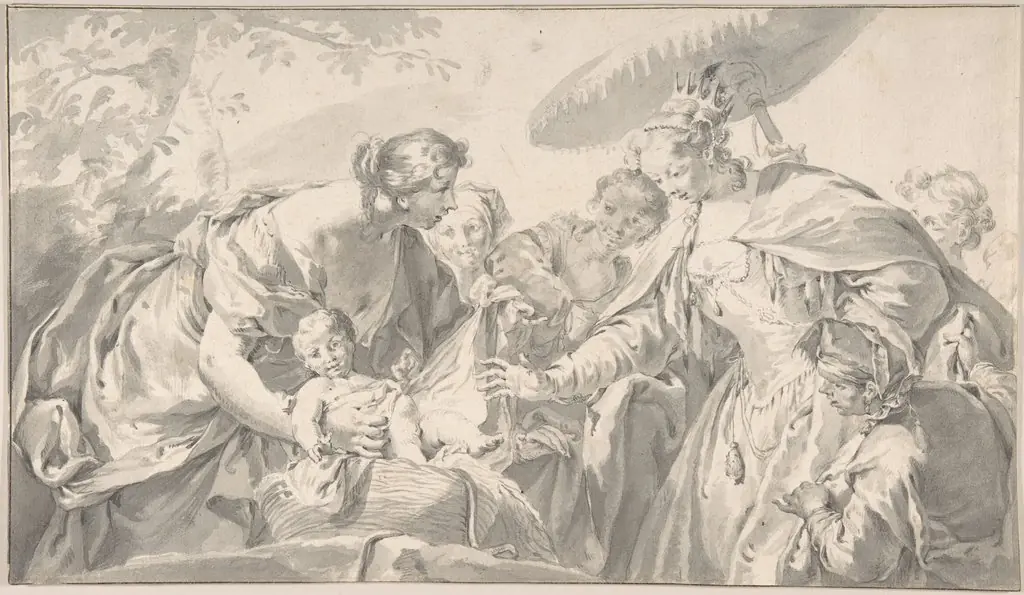 The Finding of Moses
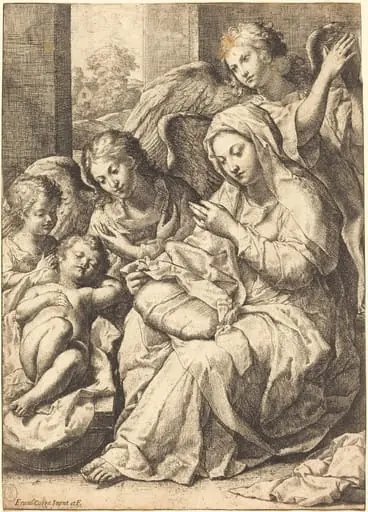 Virgin and Angels Watching Over the Sleeping Infant Jesus
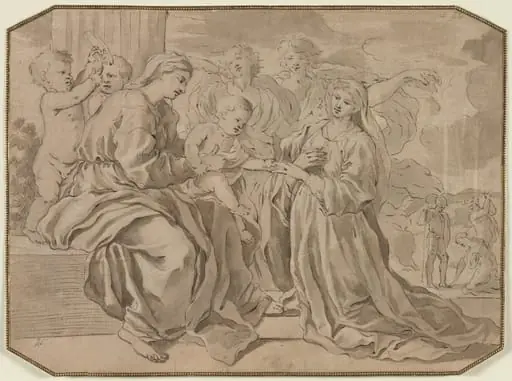 Mystic Marriage of St. Catherine
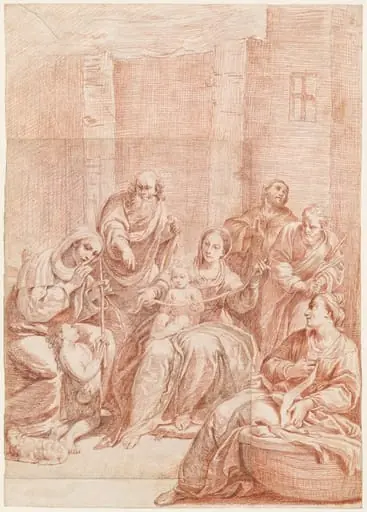 The Holy Family
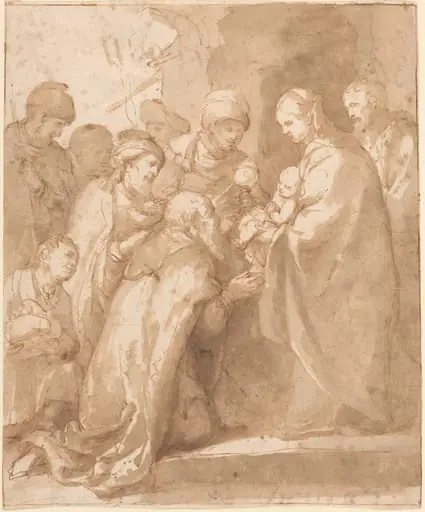 The Adoration of the Magi
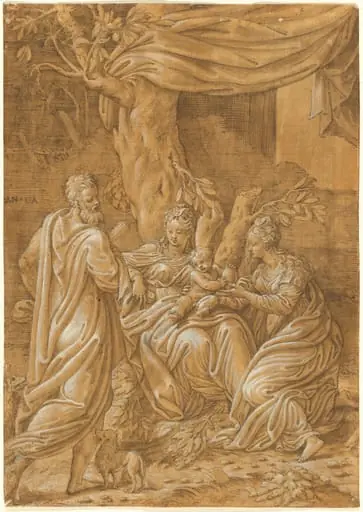 Virgin and Child with the Prophet Daniel and Mary Magdalene
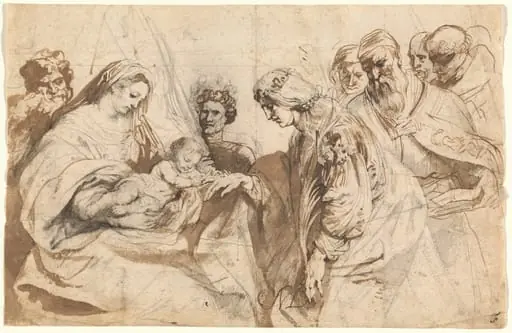 The Mystic Marriage of Saint Catherine
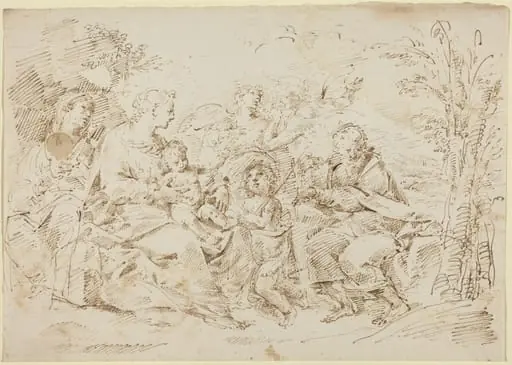 Holy Family with St. Elizabeth, St. John the Baptist, and Two Angels in a Landscape
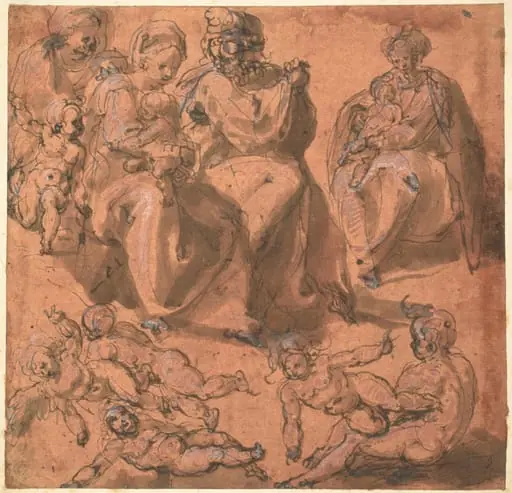 Studies of a Holy Family