Artwork
Kerswell, Devon
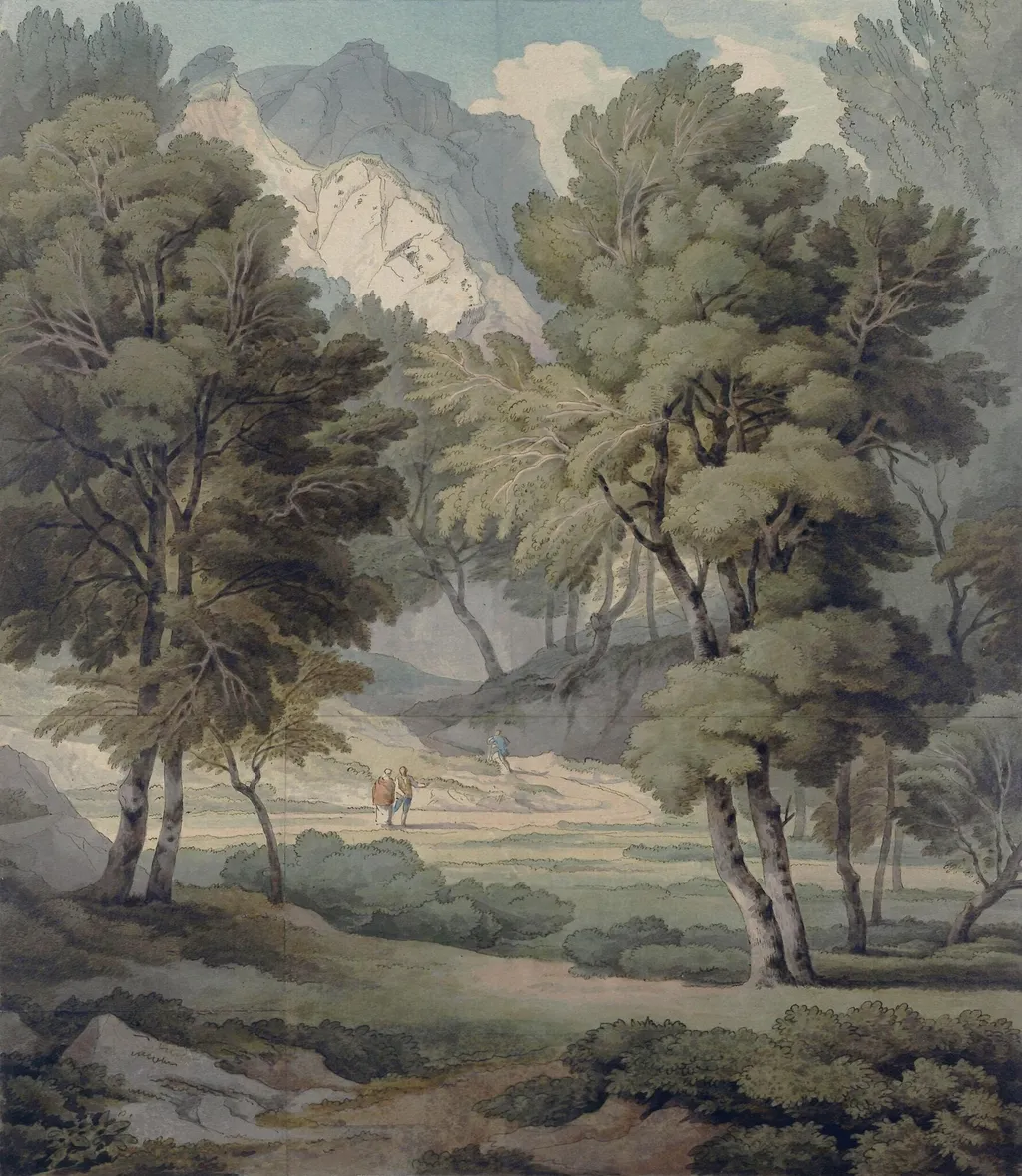
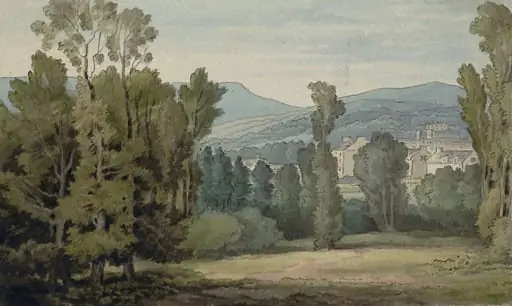
Kerswell, Devon is a watercolor work on paper by the Romanticist artist John White Abbott. It dates from 1813 and is held in the collection of the Victoria and Albert Museum.
About this work
Overview
Abbott inscribed his name, the date, and the location directly on the work, affirming its authorship and topographical focus.
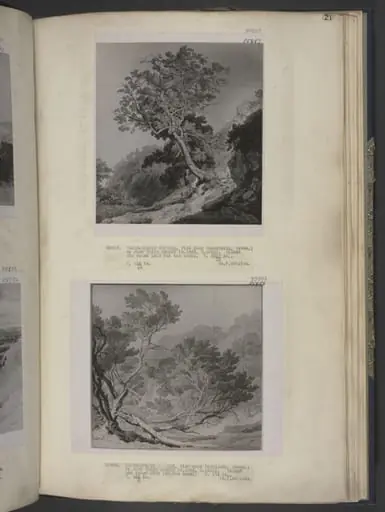
John White Abbott created this watercolour in 1813, depicting the rural landscape of Kerswell in Devon. The composition is assembled from four individual sheets, mounted together on a larger backing. Abbott inscribed his name, the date, and the location directly on the work, affirming its authorship and topographical focus. The piece exemplifies his practice of capturing quiet English countryside scenes with precision and restraint.
Subject & Meaning
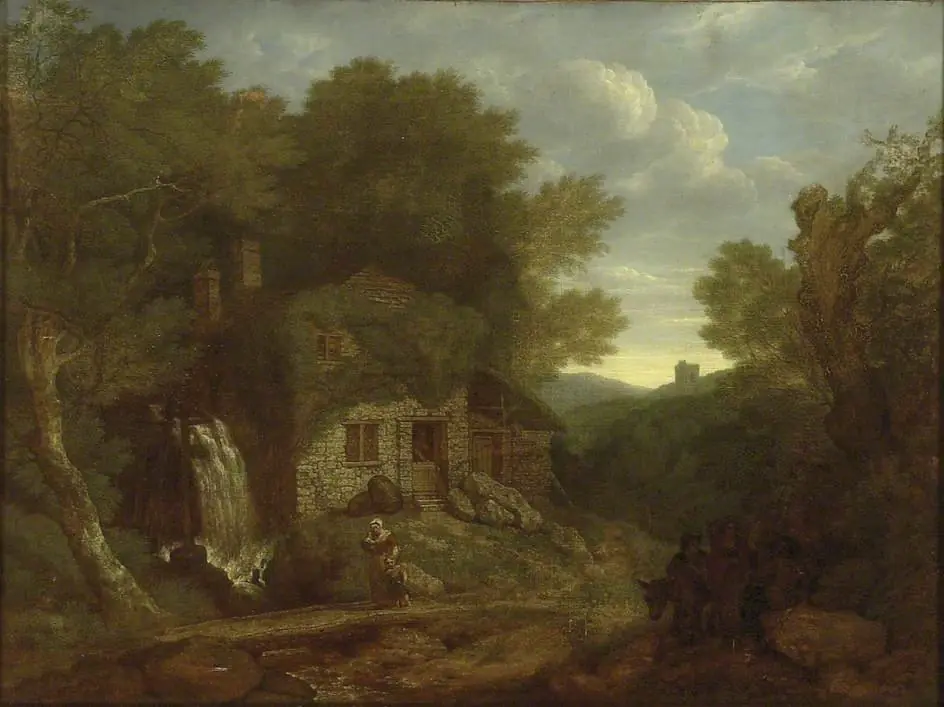
The scene portrays a secluded woodland path, lightly traversed by two figures whose presence suggests contemplation rather than purpose. The trees, tall and gently leaning, frame the path without dominating it, reinforcing a mood of stillness. There is no narrative drama—only the quiet passage of time and human movement through an undisturbed natural setting, reflecting a Romantic sensibility toward solitude in nature.
Technique & Style
Abbott employed transparent watercolour washes to achieve subtle tonal gradations, avoiding sharp edges or heavy pigment. The sky is rendered in pale blue, softening into the canopy of green foliage, while the ground shows delicate variations in earth tones. The slight curvature of the tree trunks and the layered foliage create a sense of spatial depth, achieved through atmospheric perspective rather than linear precision.
History & Provenance
The work remained in private hands until acquired by the Victoria and Albert Museum, where it is now held in the collection of British watercolours. Its construction from multiple sheets suggests it may have been assembled for display or preservation, a common practice among 19th-century collectors. No earlier provenance is documented, but its condition indicates careful handling over time.
Context
Abbott was part of a generation of British artists who elevated watercolour from a sketching medium to a finished art form. In the early 1800s, topographical views like this one were valued for their accuracy and tranquility, aligning with contemporary tastes for picturesque landscapes. Kerswell, a modest rural locale, was typical of subjects chosen by artists seeking authenticity over grandeur.
Legacy
This work contributes to the broader recognition of Abbott as a key figure in the development of British watercolour painting. While not widely exhibited, such pieces illustrate the quiet, observational approach that influenced later landscape artists. Its preservation in a major museum underscores its role in documenting the aesthetic values of early 19th-century English art.
Own this work as a print
Artist & collection
Artist
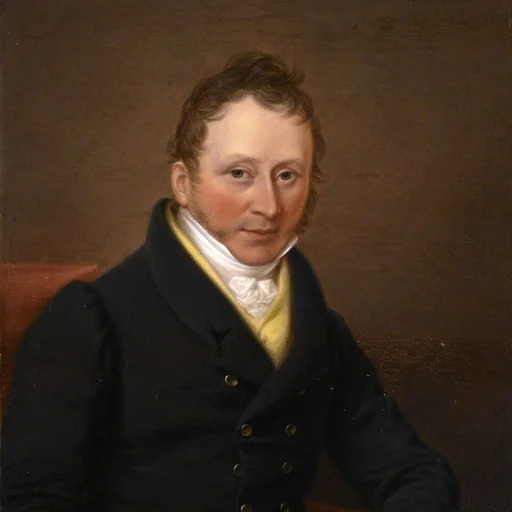
John White Abbott (13 May 1763 – 1851) was an English surgeon and apothecary in Exeter, remembered as a keen amateur painter in both watercolour and oils. His watercolours are close in style to those of his teacher, Francis Towne.

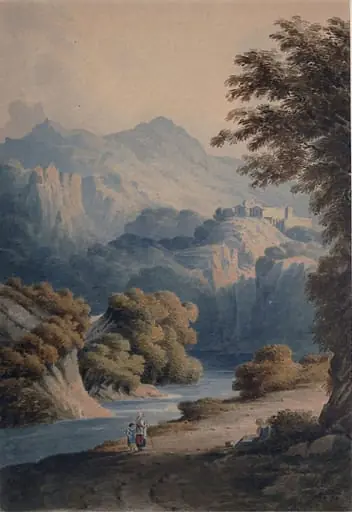 Alpine landscape
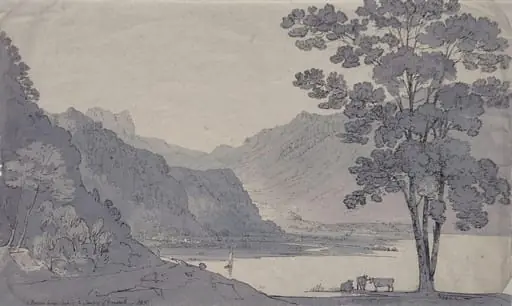 View looking down to Lodore and Borrowdale
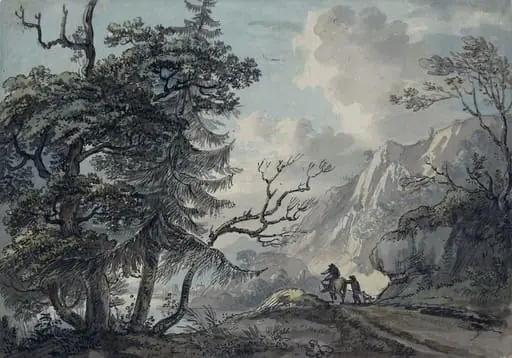 A road in mountainous country, leading to a castle by a lake
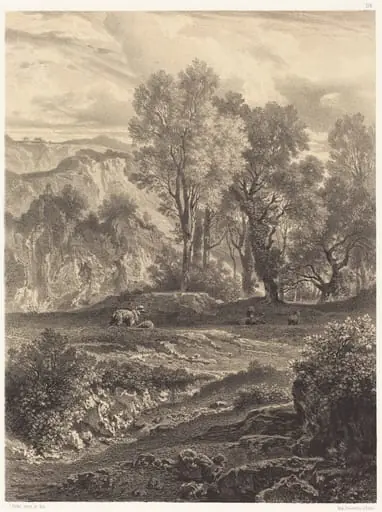 Landscape with Sheep
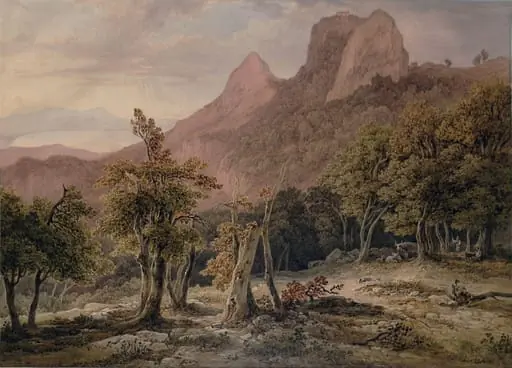 Rocky landscape
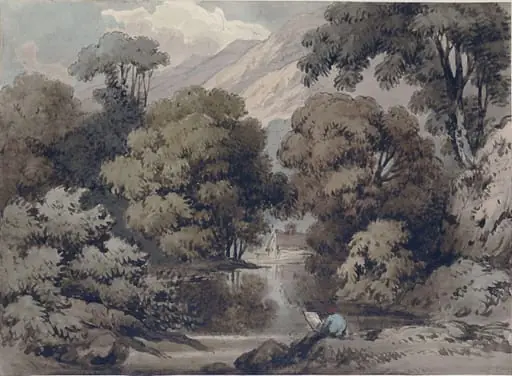 Landscape with man sketching
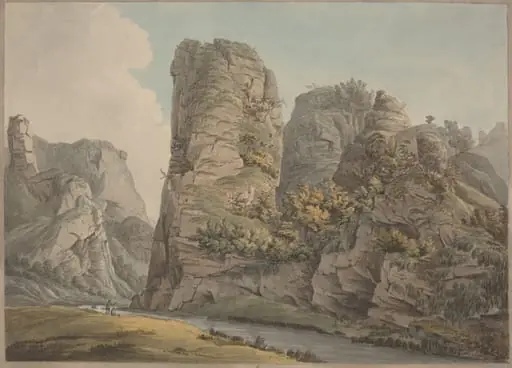 A Singular Rock in Dove-Dale named the Pickerell
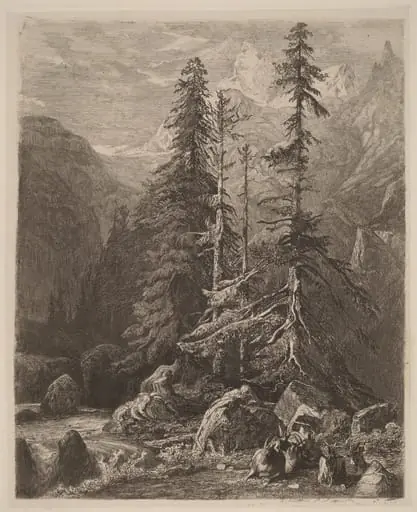 Essais de gravure à l'eau forte par Alexandre Calame, I, pl. 21
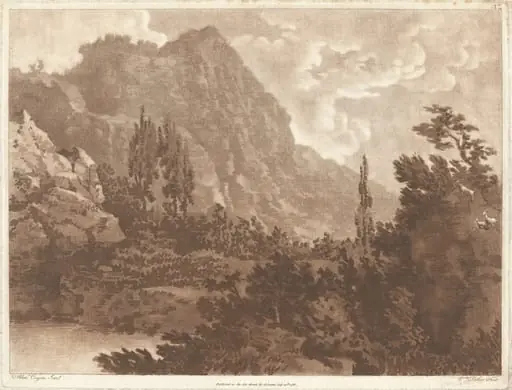 A second drawing done from the same blot