Artwork
Landscape with the Walk to Emmaus
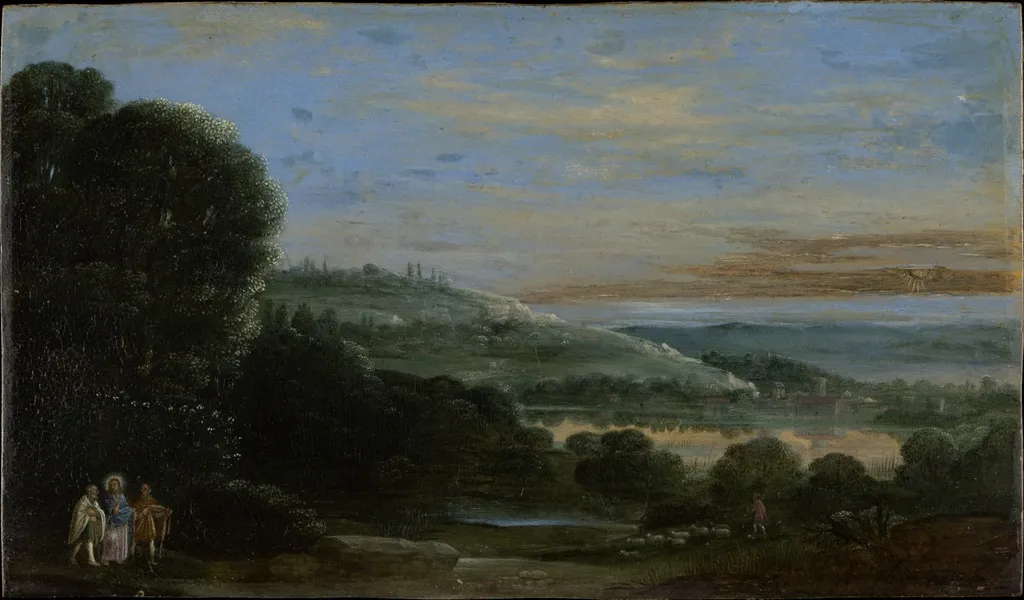
Landscape with the Walk to Emmaus is an oil painting by the Early Baroque Italian artist Adam Elsheimer. It dates from 1607 and is held in the collection of the Städel Museum.
About this work
Overview
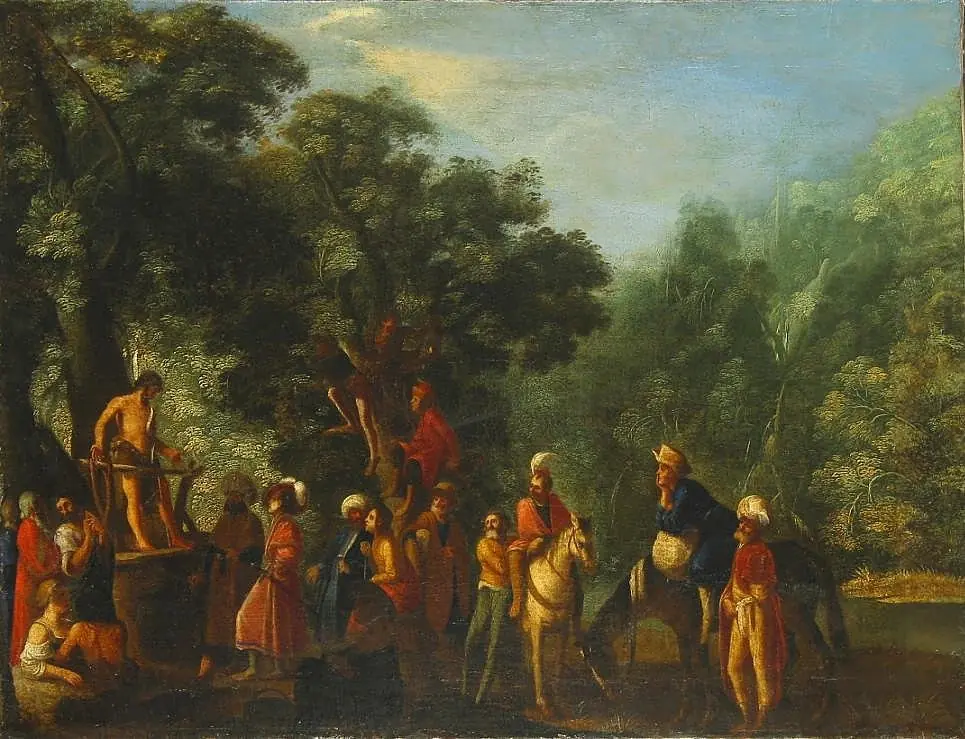
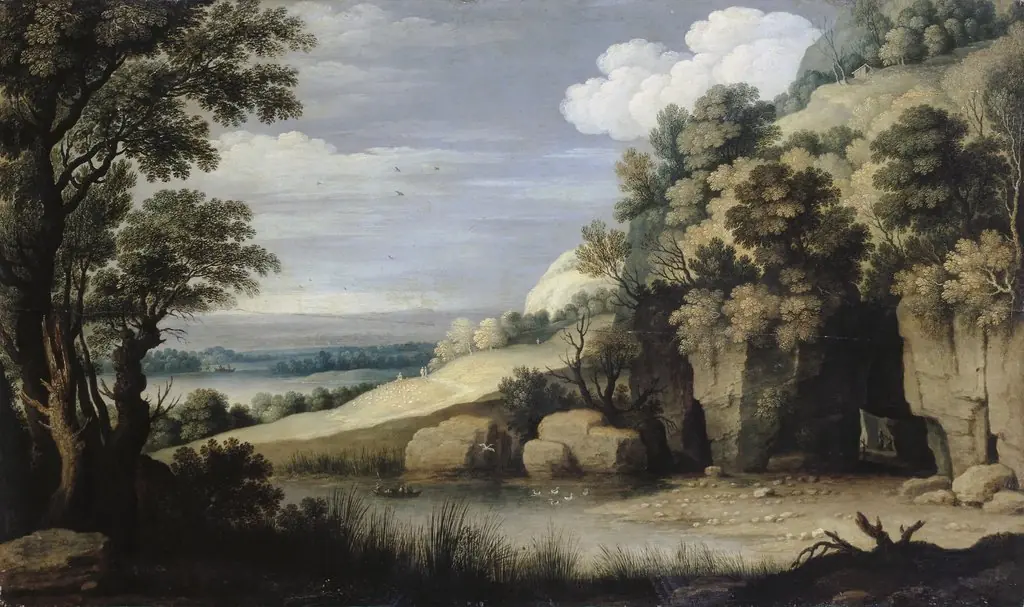
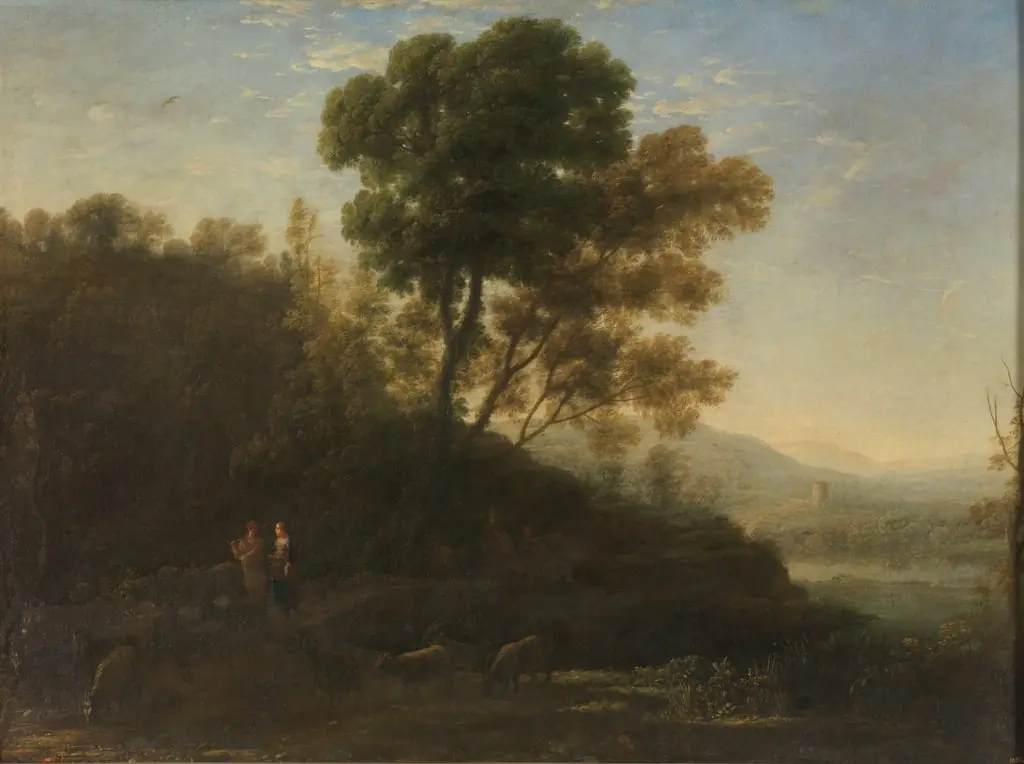
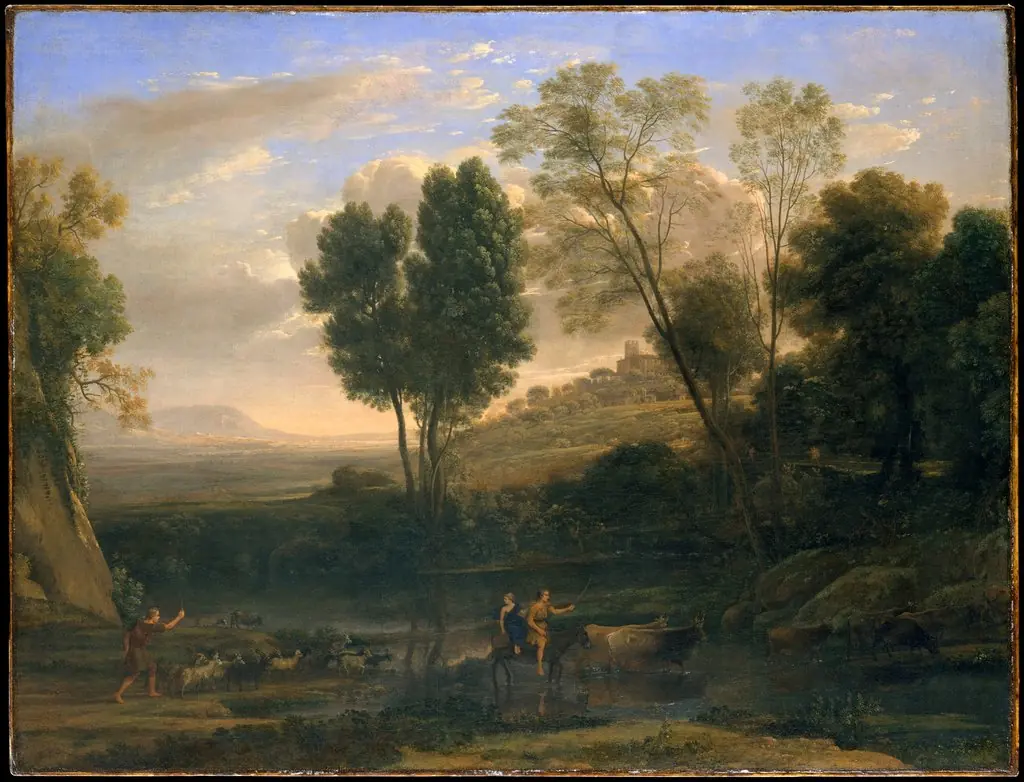
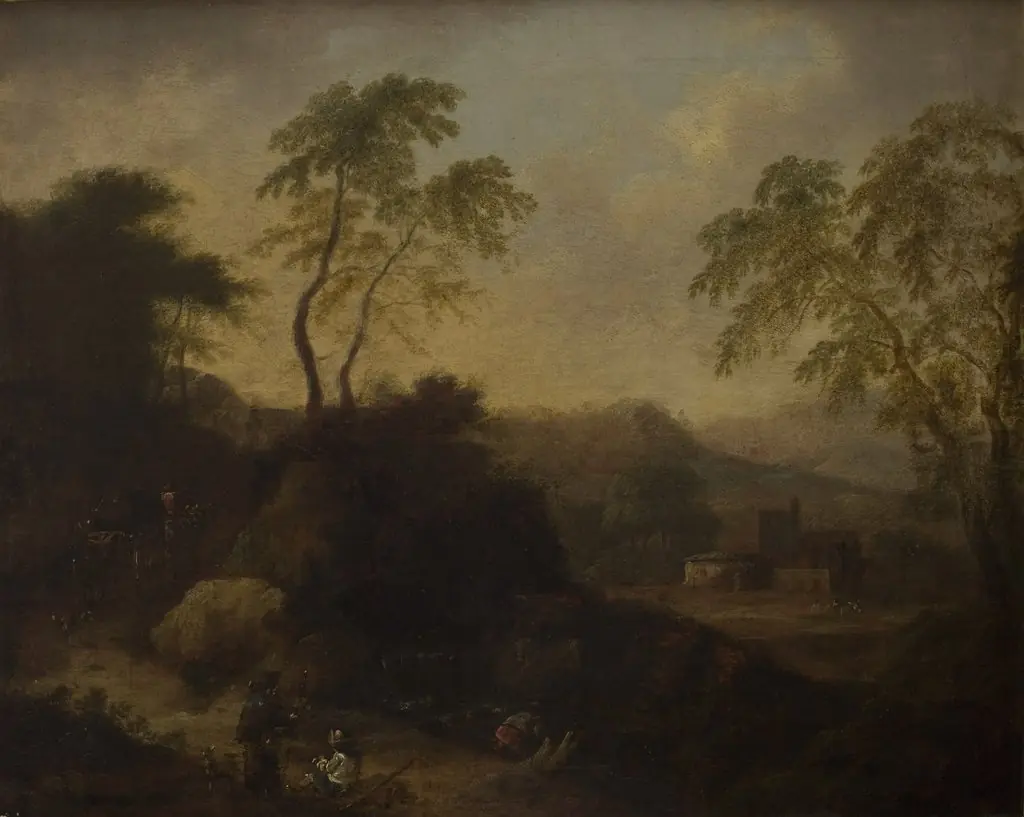
Created in 1607, *Landscape with the Walk to Emmaus* is a small copper painting by the German artist Adam Elsheimer, who spent most of his career in Rome. The work combines a biblical narrative with an expansive natural setting, rendered with meticulous detail and a calm, balanced composition.
Subject & Meaning
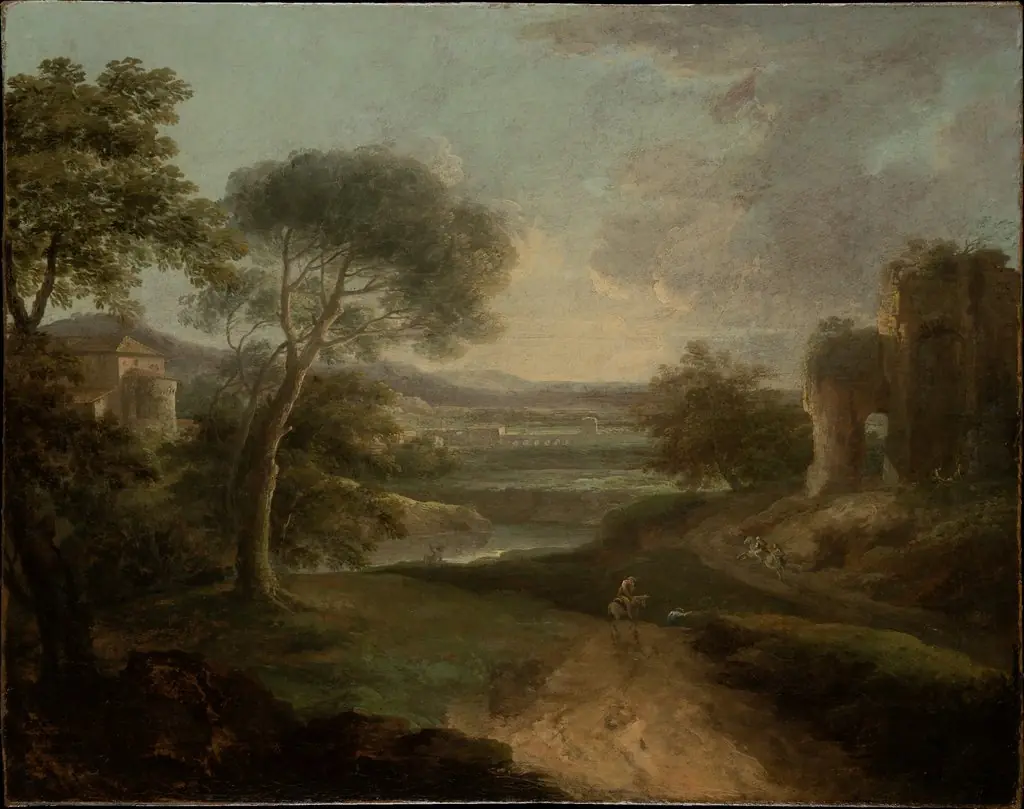
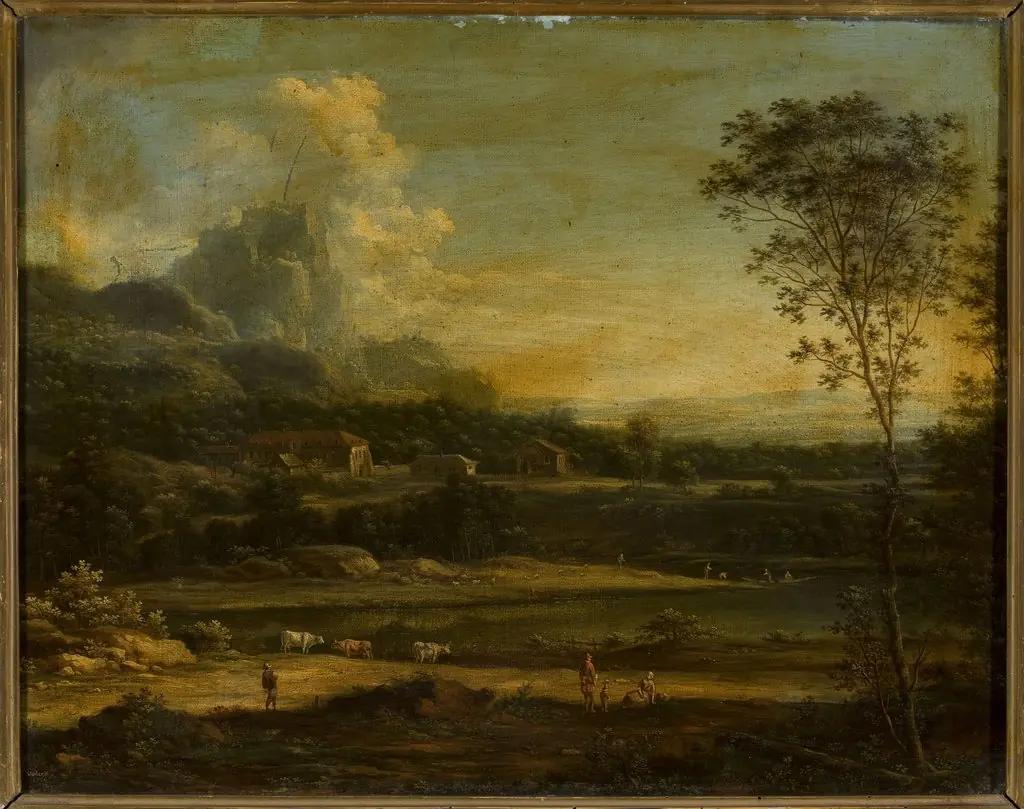
The scene portrays the moment of the disciples’ journey to Emmaus, placed within a tranquil countryside. Figures are arranged along a winding path, some gathered near a tree while others move farther away, emphasizing both the spiritual journey and the harmony between human activity and the surrounding landscape.
Technique & Style
Elsheimer employed copper as his support, a choice that allowed for fine brushwork and luminous effects. His handling of light creates subtle contrasts, illuminating the foliage and water while casting gentle shadows, a hallmark of his early Baroque approach to atmospheric depth.
History & Provenance
Although Elsheimer produced relatively few paintings, his innovative treatment of light and integration of figures into natural environments left a lasting imprint on 17th‑century art. The painting’s influence can be traced in the works of later masters such as Rembrandt and Peter Paul Rubens.
Artist & collection
Artist
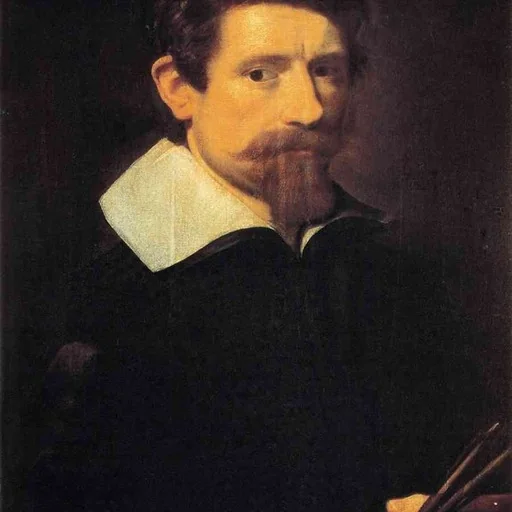
Adam Elsheimer (18 March 1578 – 11 December 1610) was a German Baroque painter who worked in Rome.