Artwork
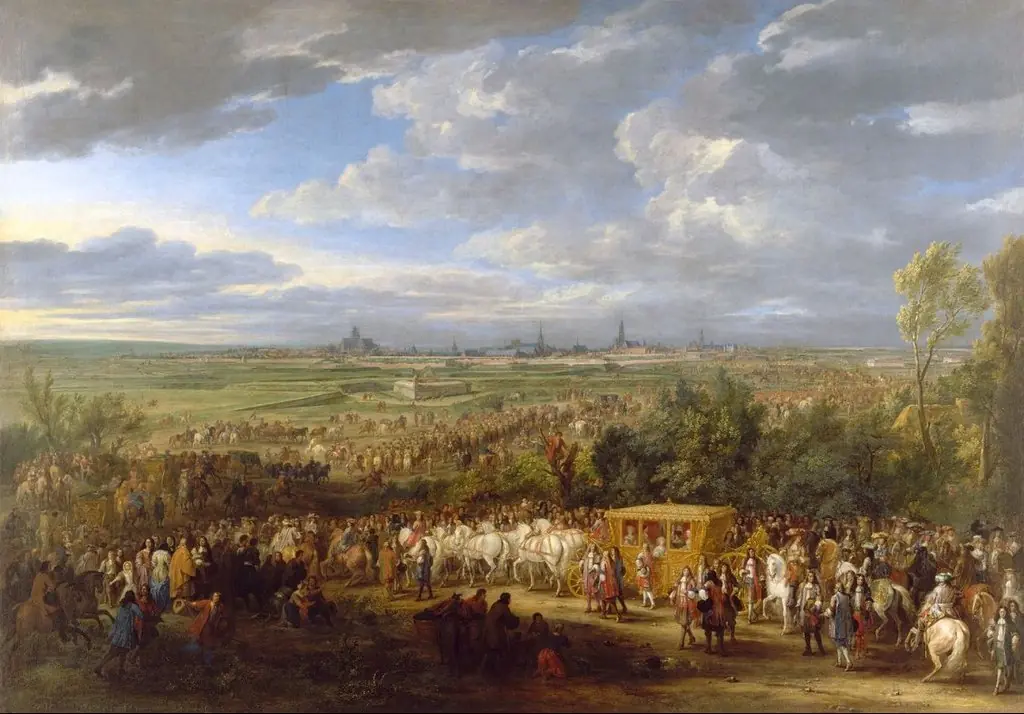
Louis XIV at the Taking of Besancon
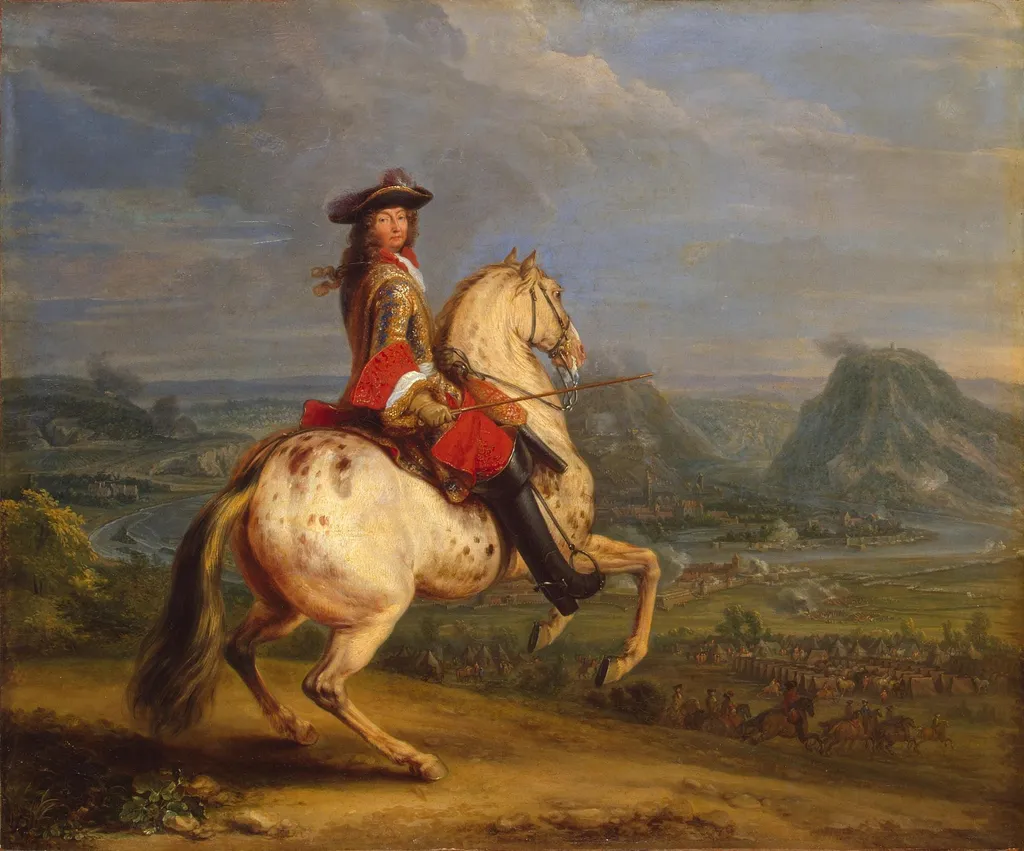
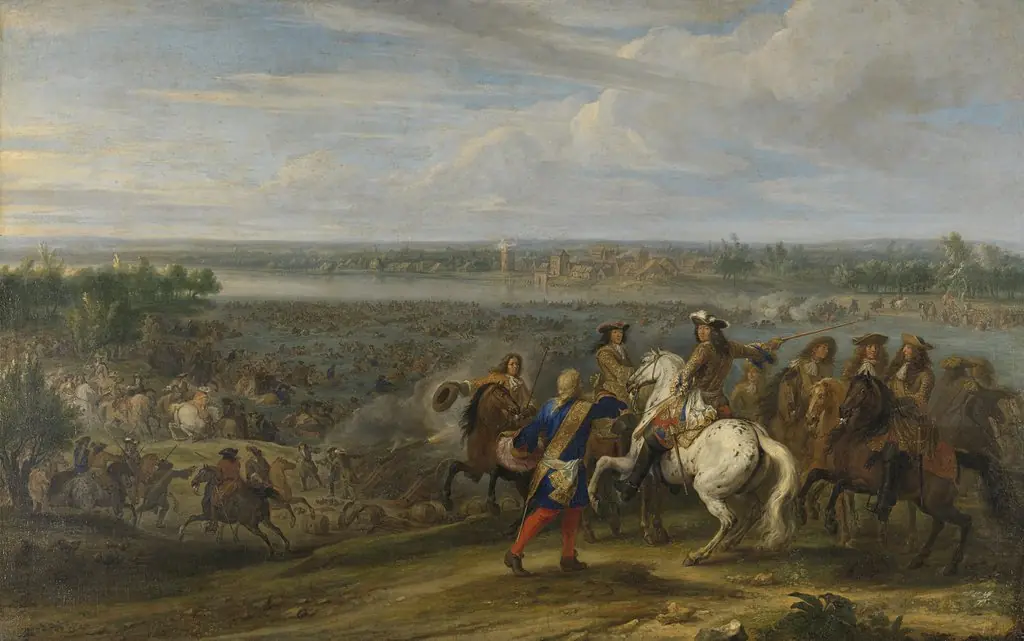
Louis XIV at the Taking of Besancon is an oil painting by the French Classical Baroque artist Adam Frans van der Meulen. It dates from 1674 and is held in the collection of the Hermitage Museum.
About this work
Overview
Adam Frans van der Meulen, a Flemish artist active in the French court, painted Louis XIV at the Taking of Besançon in 1674 using oil on canvas.
Adam Frans van der Meulen, a Flemish artist active in the French court, painted Louis XIV at the Taking of Besançon in 1674 using oil on canvas. Commissioned by the king, the work documents a military campaign during the Franco-Dutch War. It reflects van der Meulen’s role as a chronicler of royal conquests, blending topographical detail with ceremonial portraiture to serve the monarchy’s public image. The painting is now part of the State Hermitage Museum’s collection.
Subject & Meaning
The painting centers on Louis XIV mounted on a dappled white horse, clad in a richly adorned red and gold coat, sword raised in gesture of command. Behind him, the town of Besançon burns amid chaos—smoke rises, civilians scatter, soldiers maneuver. The scene is not a literal battlefield record but a staged assertion of royal authority, positioning the king as both warrior and sovereign, directing the fate of nations with calm detachment.
Technique & Style
Van der Meulen employed precise brushwork to render textures: the sheen of armor, the flutter of fabric, the grit of earth, and the haze of smoke. His composition follows French Classical Baroque principles—balanced, hierarchical, and orderly despite the turmoil depicted. The landscape is rendered with topographical care, and figures are arranged to guide the viewer’s eye toward the monarch, reinforcing his centrality through visual rhythm and tonal contrast.
History & Provenance
Commissioned shortly after the 1674 siege of Besançon, the painting was part of a broader program to glorify Louis XIV’s military achievements. Van der Meulen, appointed official painter to the king, produced numerous works for royal collections and tapestry series. The painting entered the Hermitage Museum’s holdings in the 18th century, likely through diplomatic acquisition or royal gift, preserving its role as a document of French imperial ambition.
Context
This work emerged during Louis XIV’s campaign to consolidate power through visual propaganda. Military victories were transformed into grand narratives to legitimize absolutism. Van der Meulen’s depictions, alongside those of other court artists, formed a visual archive of conquests, intended for display in palaces and public spaces to impress subjects and foreign dignitaries alike.
Legacy
Van der Meulen’s detailed battle scenes influenced later royal historiography in painting and tapestry. His integration of landscape, portraiture, and military action set a precedent for state-sponsored art in Europe. Though less celebrated today, his work remains a key reference for understanding how 17th-century monarchies used imagery to shape perception and assert dominance.
Own this work as a print
Artist & collection
Artist
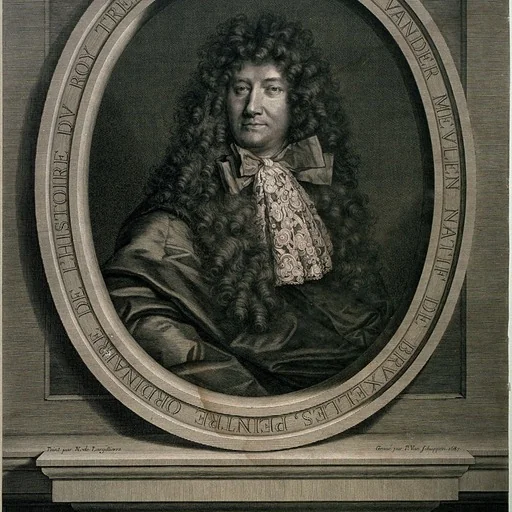
Adam Frans van der Meulen or Adam-François van der Meulen (11 January 1632 – 15 October 1690) was a Flemish painter and draughtsman who was particularly known for his scenes of military campaigns and conquests.

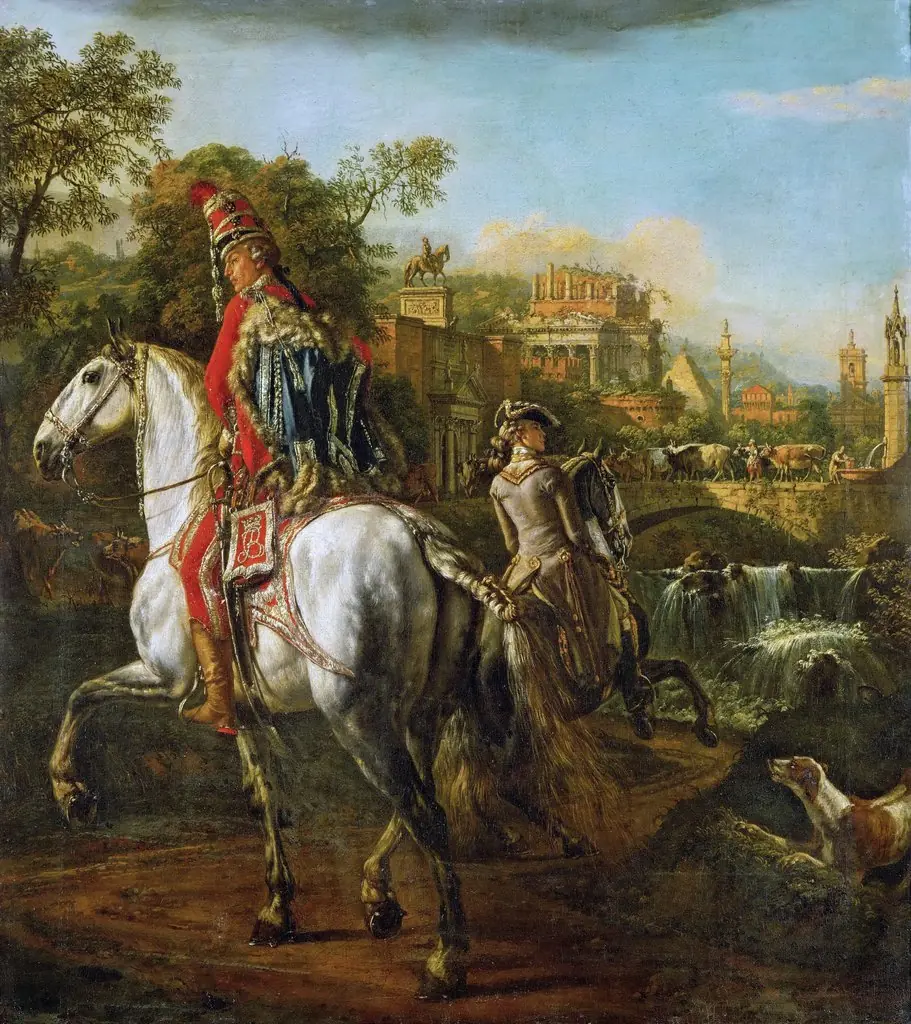 Equestrian Portrait of a Hussar Officer
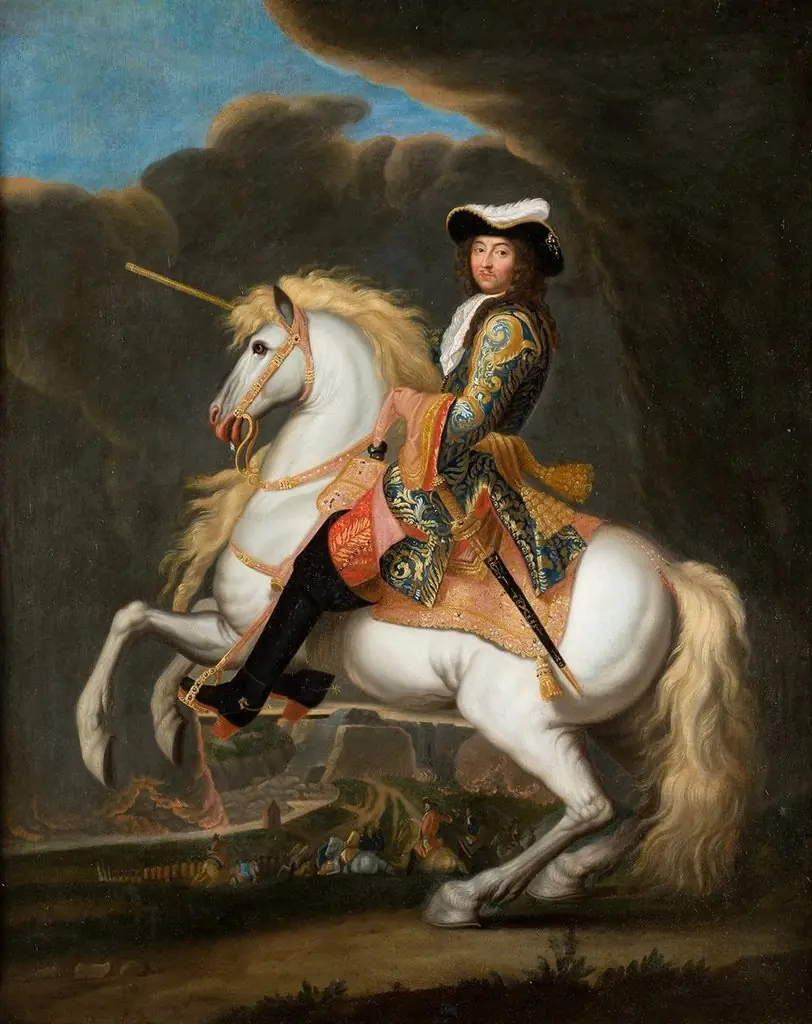 Retrato equestre de Luís XIV
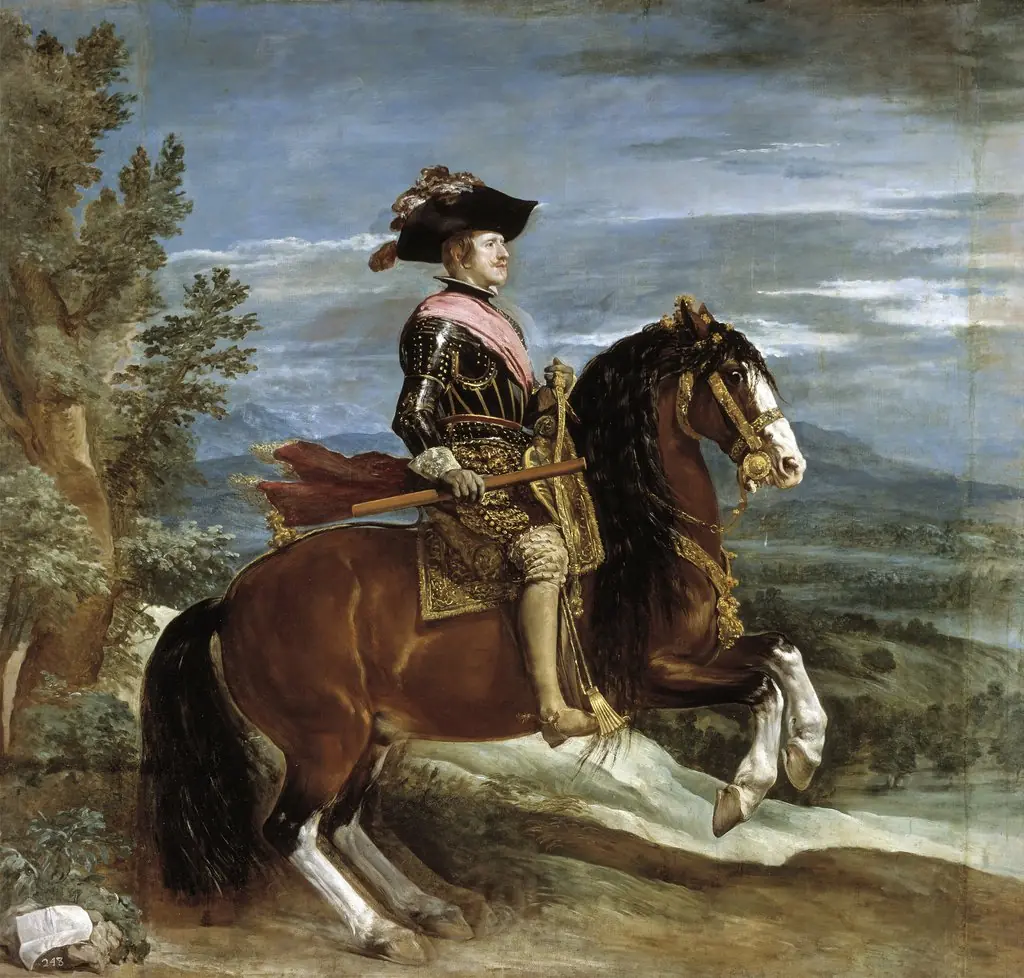 Equestrian Portrait of Philip IV
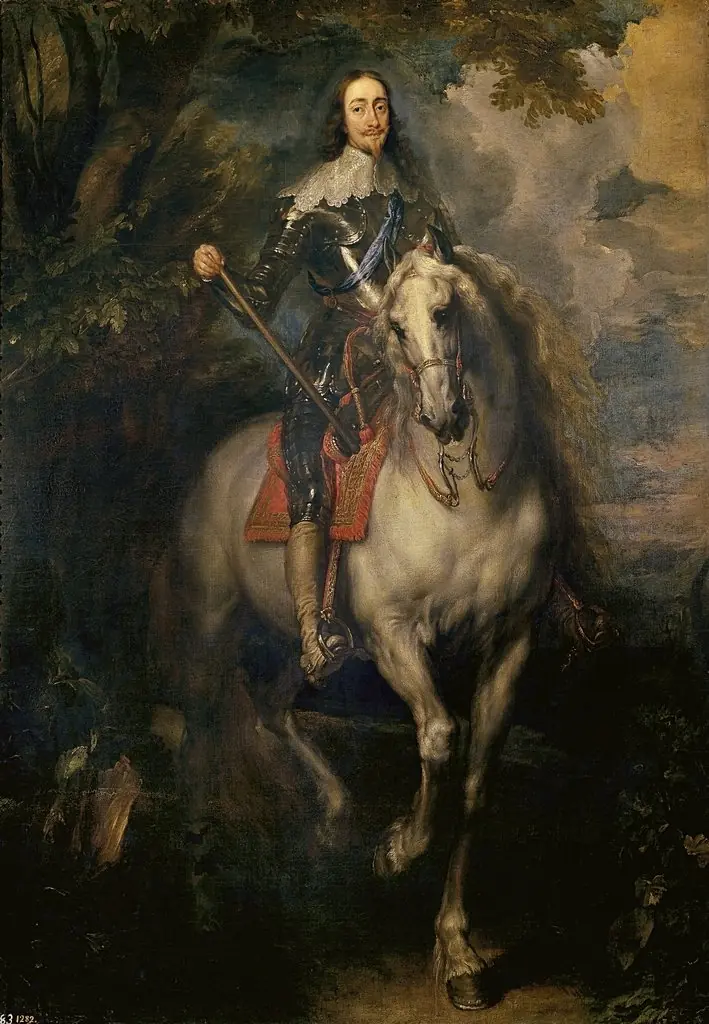 Equestrian portrait of Charles I of England
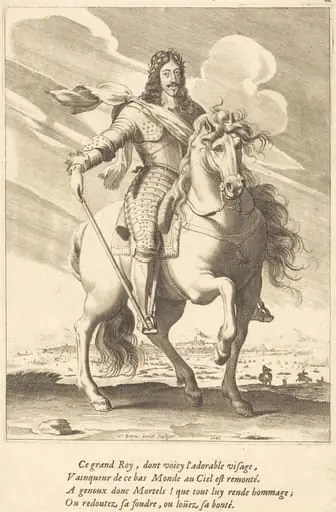 Louis XIII
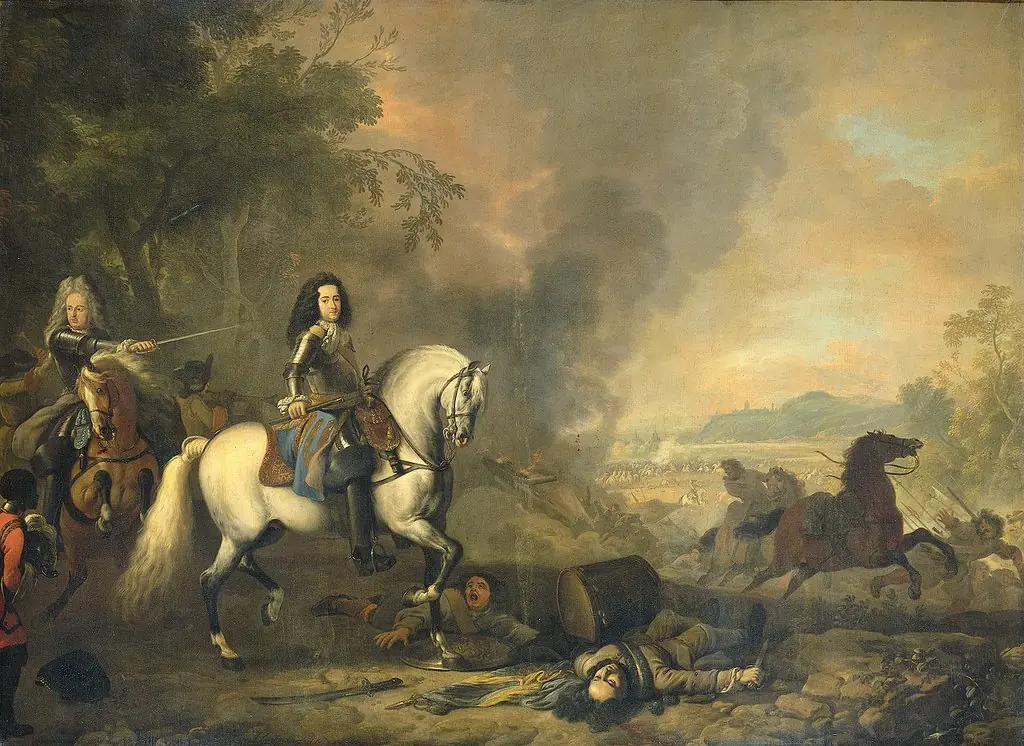 Equestrian Portrait of Hendrik Casimir II (1657-1696)
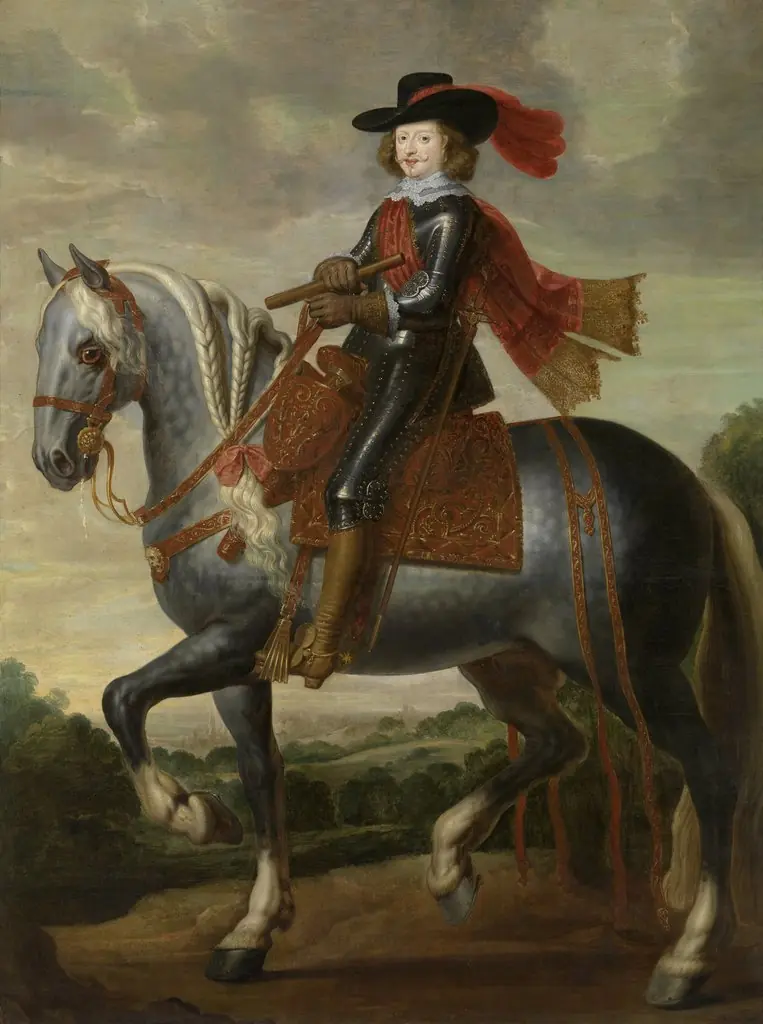 Equestrian portrait of Cardinal-Infante Ferdinand of Austria
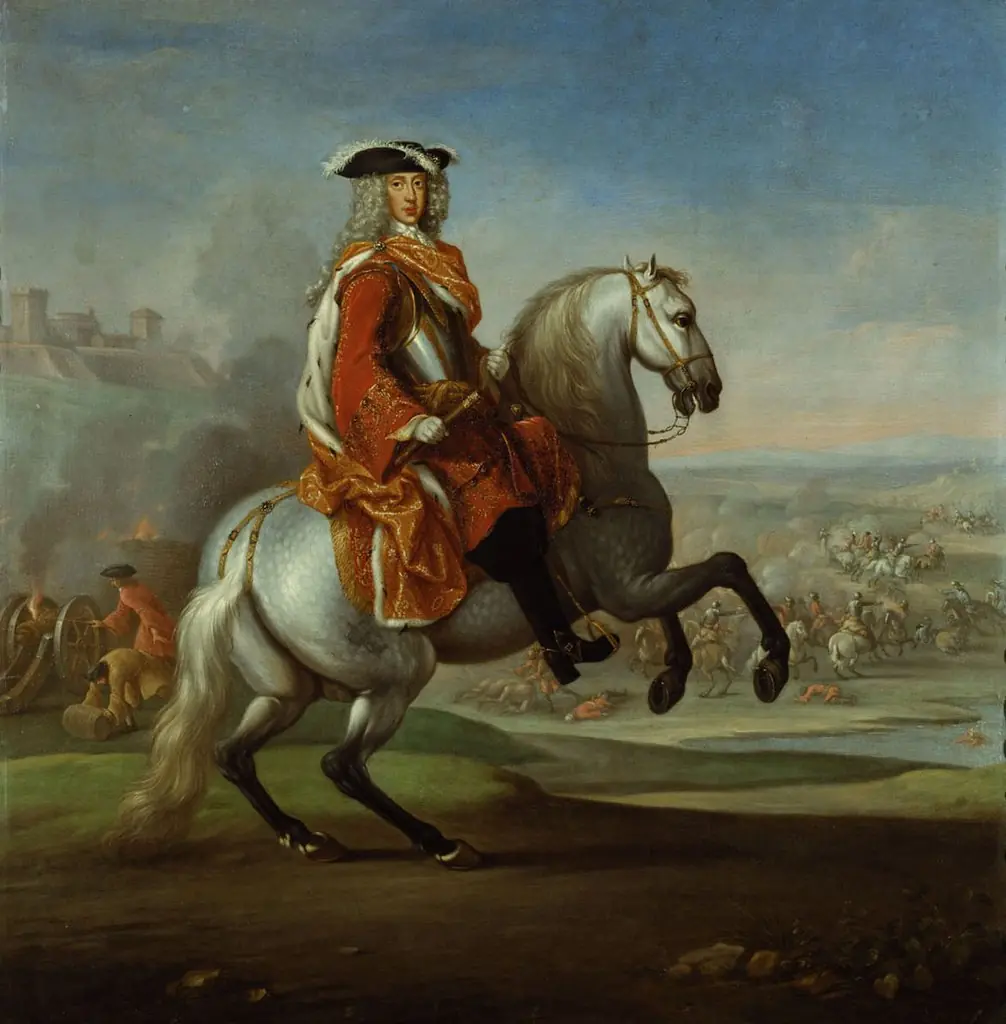 Herzog Karl V. von Lothringen (1643-1690) als Feldherr zu Pferd
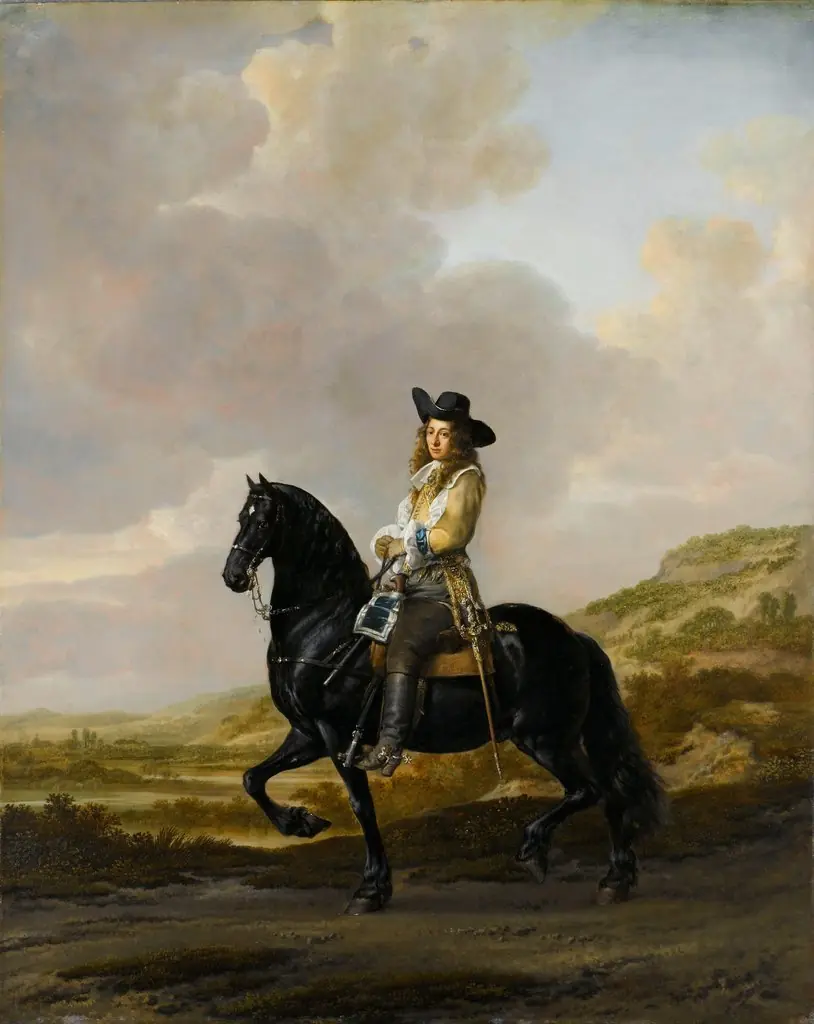 Pieter Schout on Horseback