Artwork
Venus and Cupid
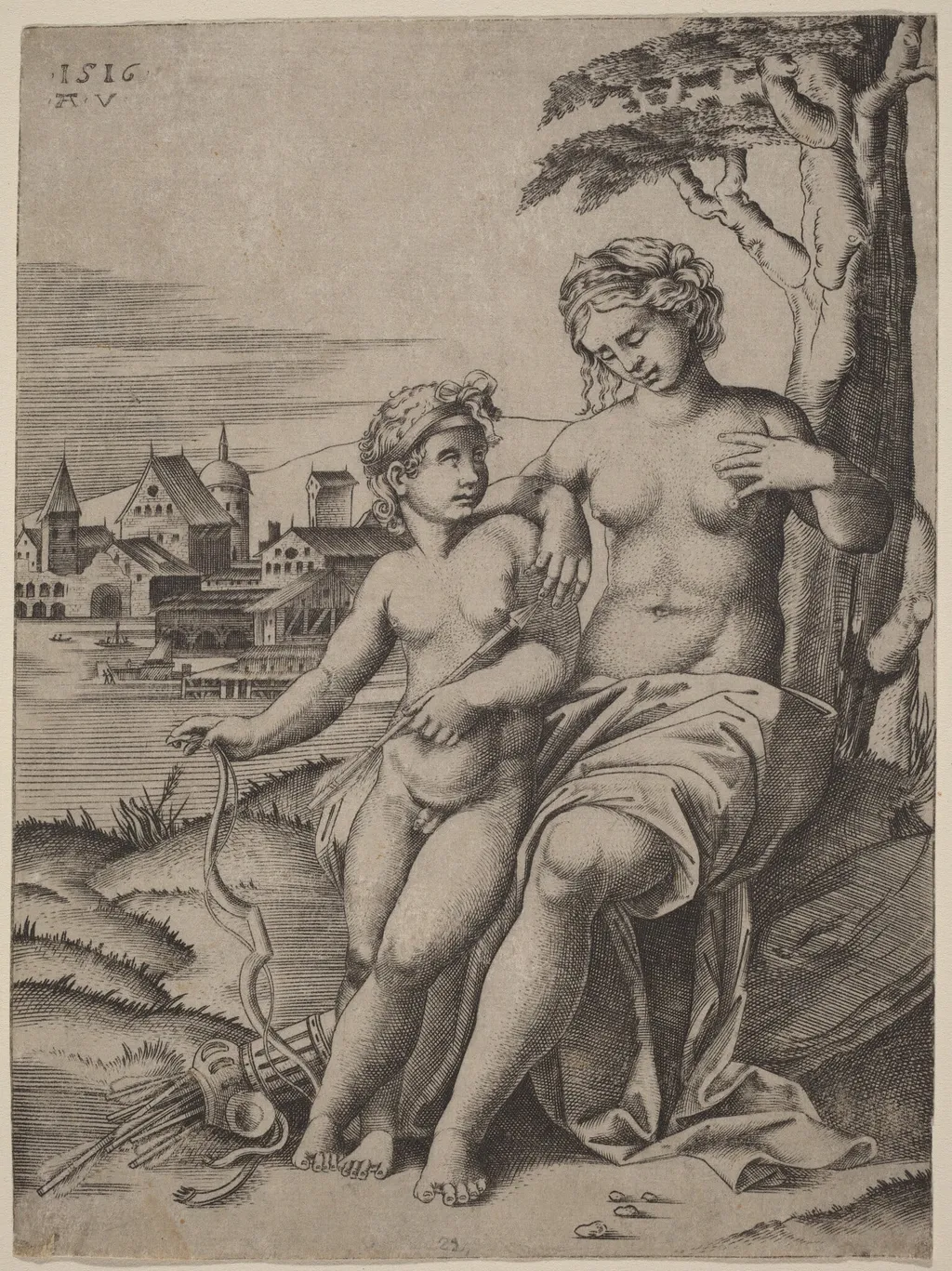
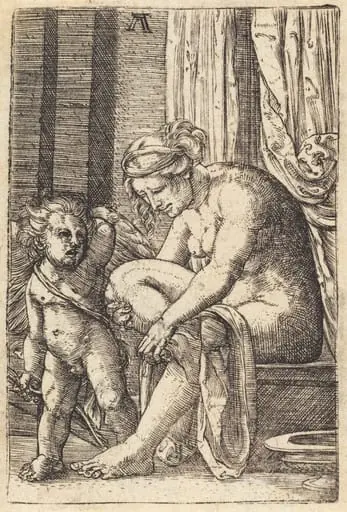
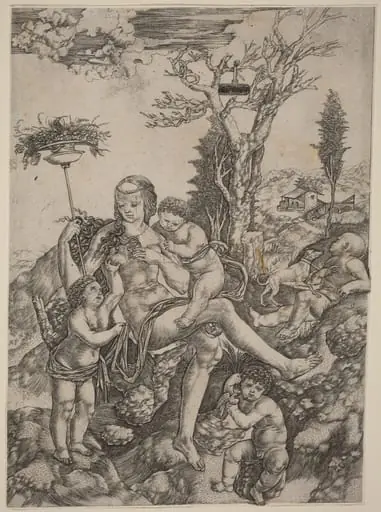
Venus and Cupid is an ink print by the Renaissance artist Agostino dei Musi. It dates from 1516 and is held in the collection of the National Gallery of Art.
About this work
Overview
Venus and Cupid is an engraving on laid paper created by Agostino Veneziano in 1516. The print depicts a scene from mythology.
Subject & Meaning
The engraving shows two nude figures, a woman and a boy, seated outdoors. The woman, likely Venus, has long hair and is accompanied by the curly-haired boy, probably Cupid. A town by the water and a tree above the woman's head form the background.
Technique & Style
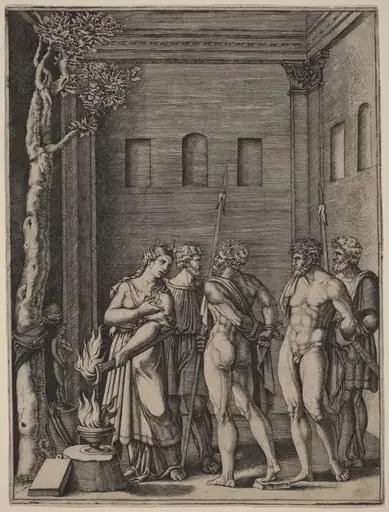
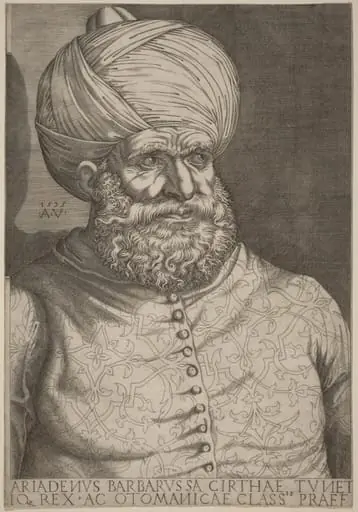
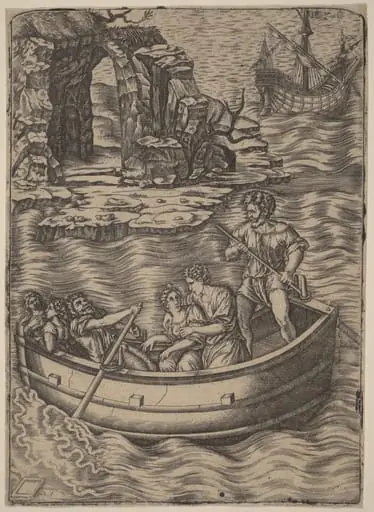
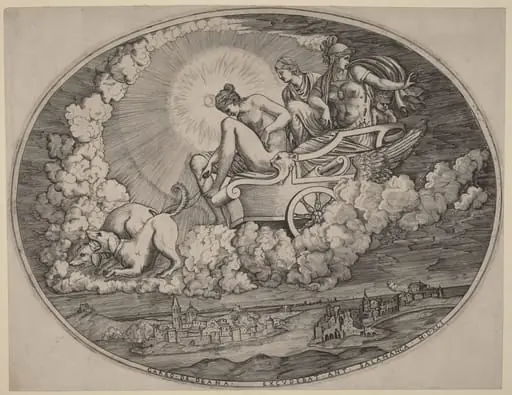
Agostino Veneziano employed fine lines and cross-hatching to achieve a three-dimensional effect in the figures. The detailed rendering of muscle and fabric contrasts with the more distant, stage-like depiction of the background town.
History & Provenance
Created in 1516 by Agostino de’ Musi, also known as Agostino Veneziano, an Italian printmaker active during the Renaissance. The work reflects the period's use of engraving to disseminate classical imagery.
Context
The print is a product of the Italian Renaissance, a time when engraving was a key medium for spreading mythological themes through both reproductive and original printmaking.
Artist & collection
Artist
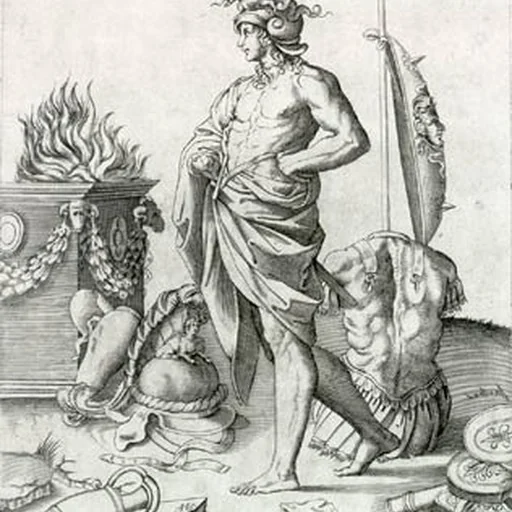
Agostino Veneziano ("Venetian Agostino"), whose real name was Agostino de' Musi (c. 1490 – c. 1540), was an important and prolific Italian engraver of the Renaissance.