Artwork
The Nativity
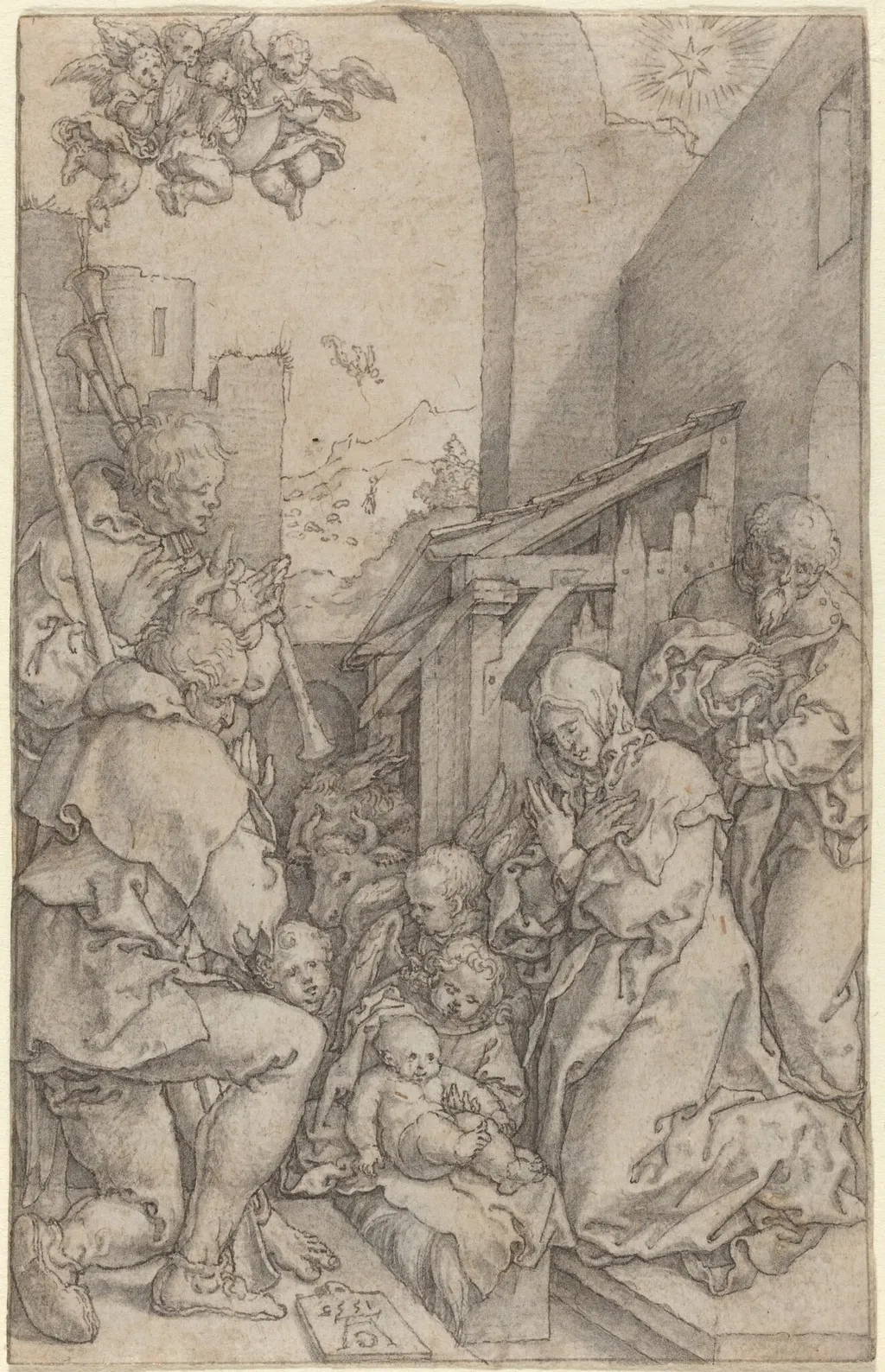
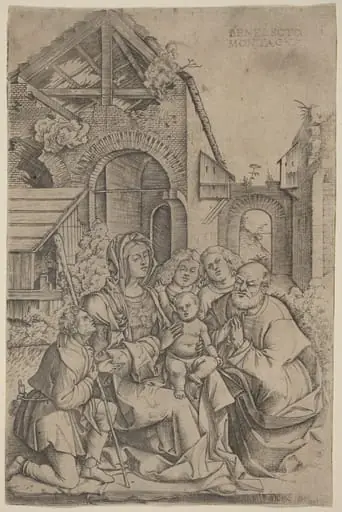
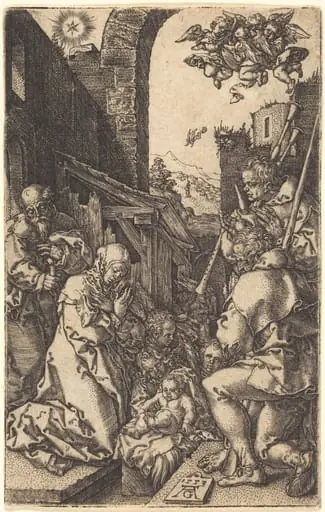
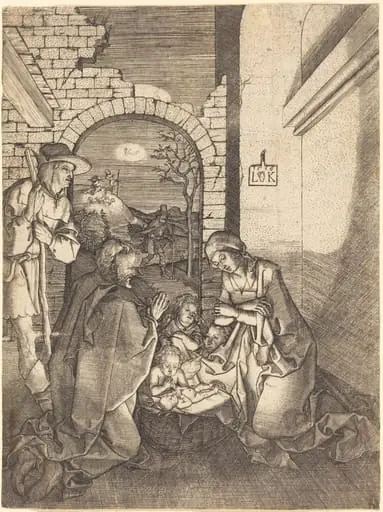
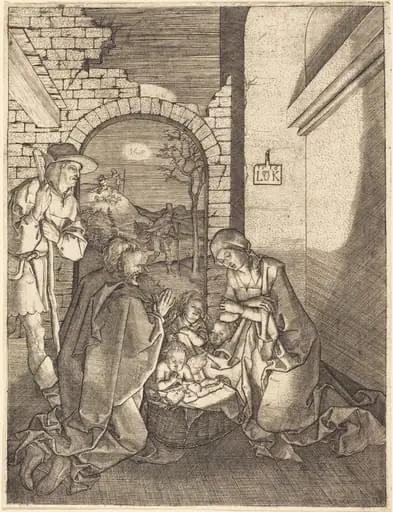
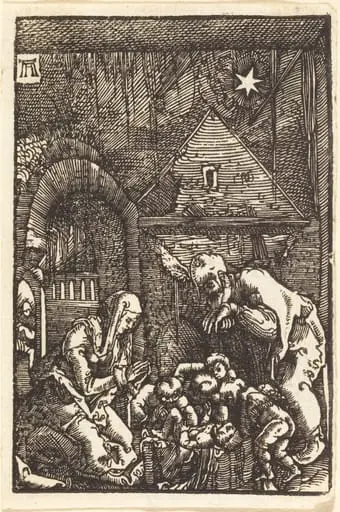
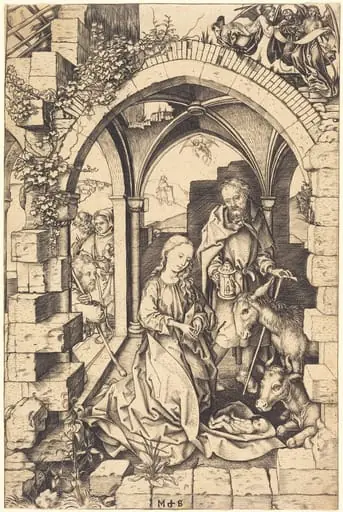
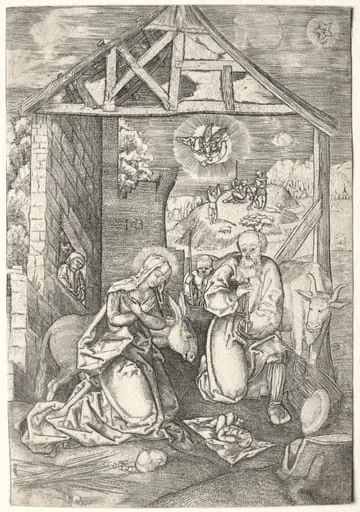
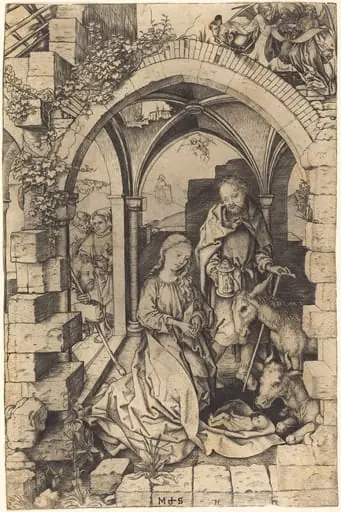
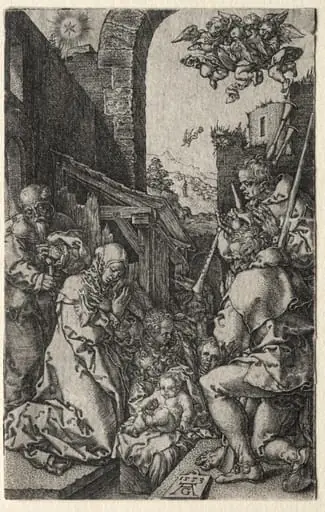
The Nativity is an ink drawing by the Northern Renaissance artist Heinrich Aldegrever. It dates from 1552 and is held in the collection of the National Gallery of Art.
About this work
Overview
The Nativity, a drawing by Heinrich Aldegrever, dates to 1552 and exemplifies the religious genre through its depiction of Jesus' birth, featuring Mary, Joseph, and attending angels.
Subject & Meaning
This work illustrates a key Christian narrative, reflecting the artist's engagement with religious themes prevalent among the 'Little Masters' circle.
Technique & Style
Executed in pen and black ink with gray wash, the drawing showcases Aldegrever's technical prowess, characteristic of his group, with precise linework and nuanced shading.
History & Provenance
Created in the aftermath of Albrecht Dürer's influence, The Nativity represents the small-scale, detailed printmaking traditions of its time, though specific provenance details are not provided.
Context
Part of a broader 16th-century German artistic movement, the piece aligns with the 'Little Masters' penchant for intricate, small-format religious and mythological subjects.
Legacy
While not individually renowned, The Nativity contributes to the understanding of 16th-century German printmaking techniques, such as implied cross-hatching through gray wash for depth.
Artist & collection

Artist
Heinrich Aldegrever or Aldegraf was a German painter and engraver. He was one of the "Little Masters", the group of German artists making small old master prints in the generation after Albrecht Dürer.