Artwork
The Nativity
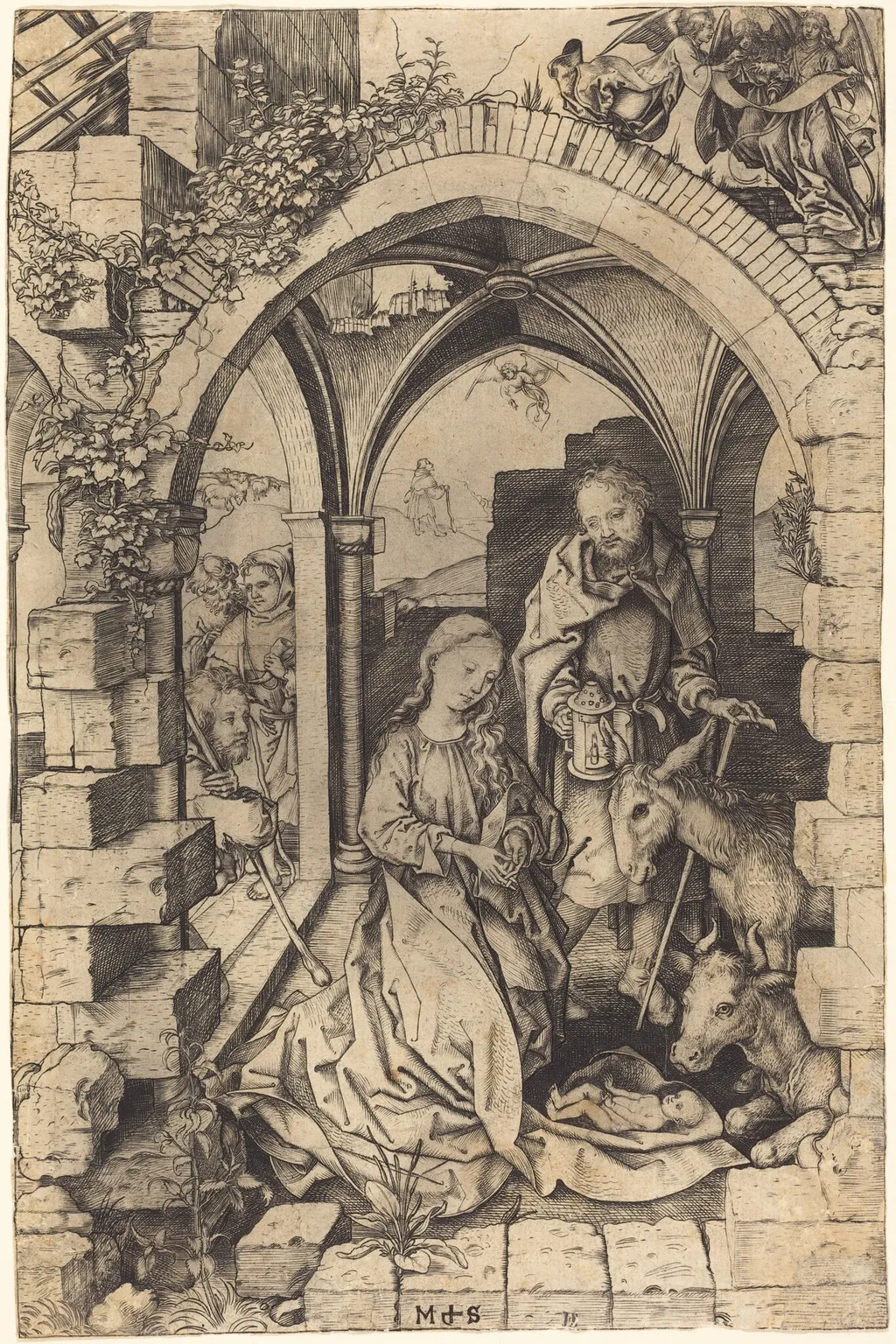
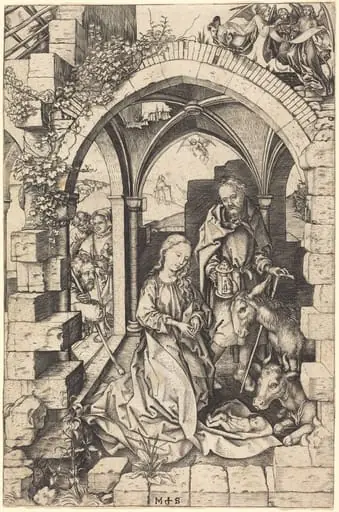
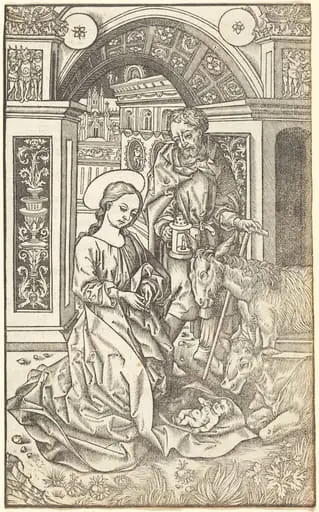
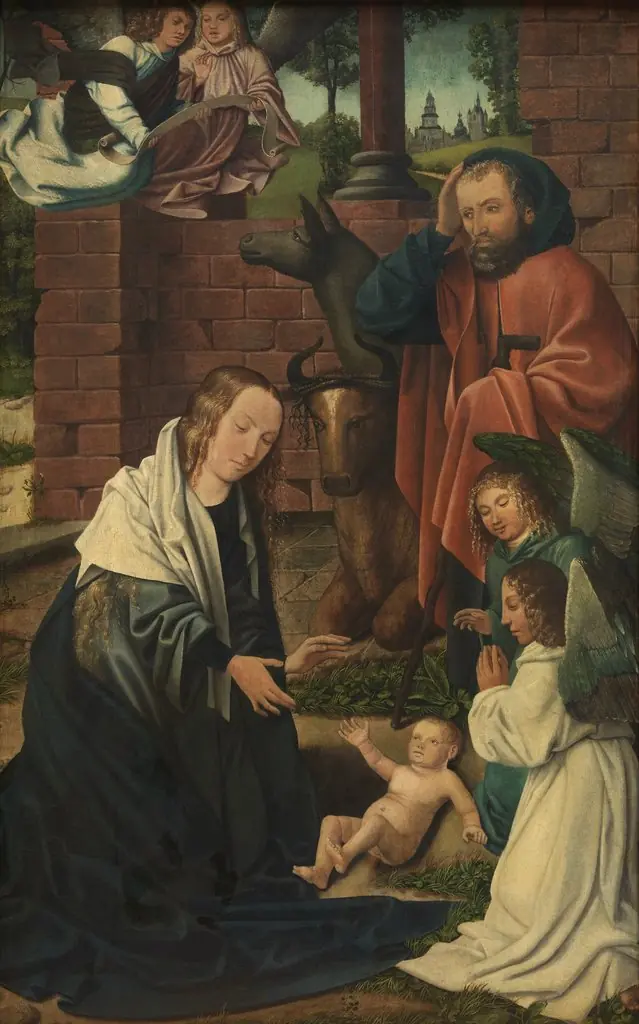
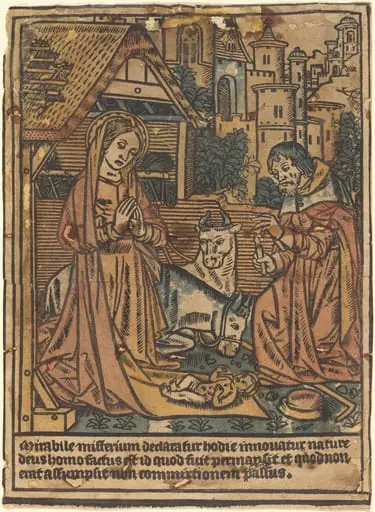
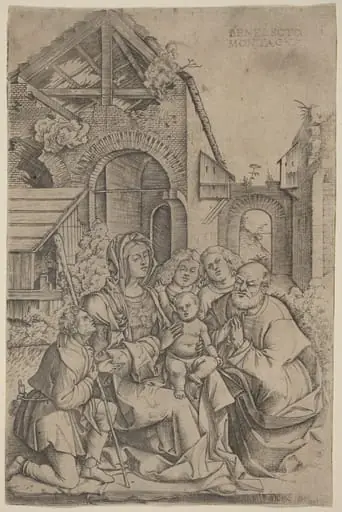
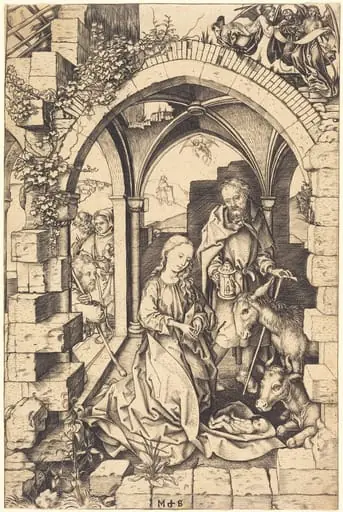
The Nativity is an ink print by the Renaissance artist Martin Schongauer. It dates from 1472 and is held in the collection of the National Gallery of Art.
About this work
Overview
The Nativity is an engraving created by Martin Schongauer around 1472, depicting the birth of Christ in a serene night scene.
Subject & Meaning
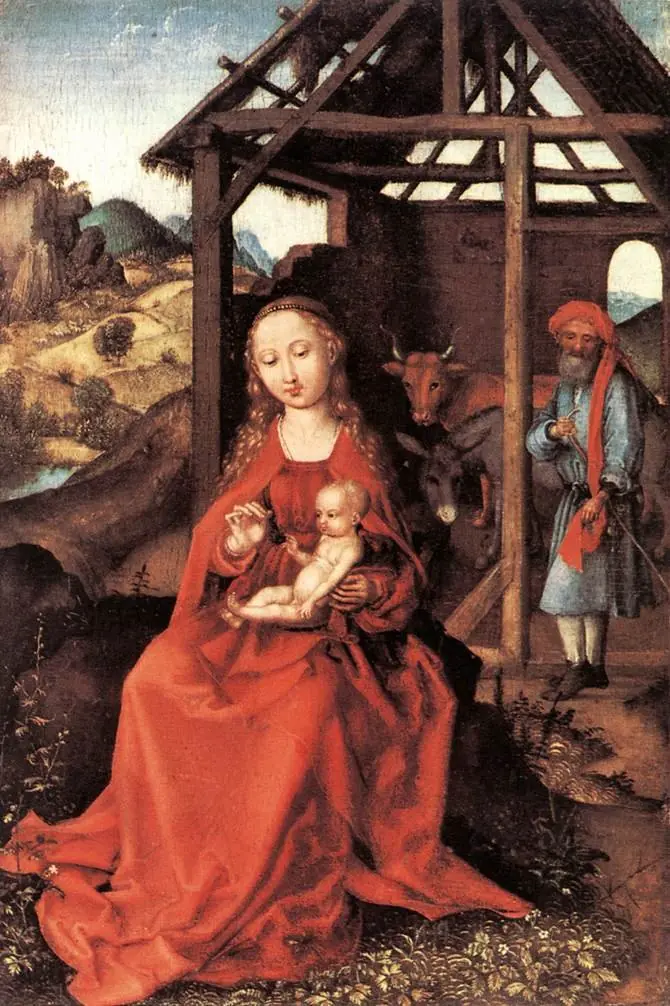
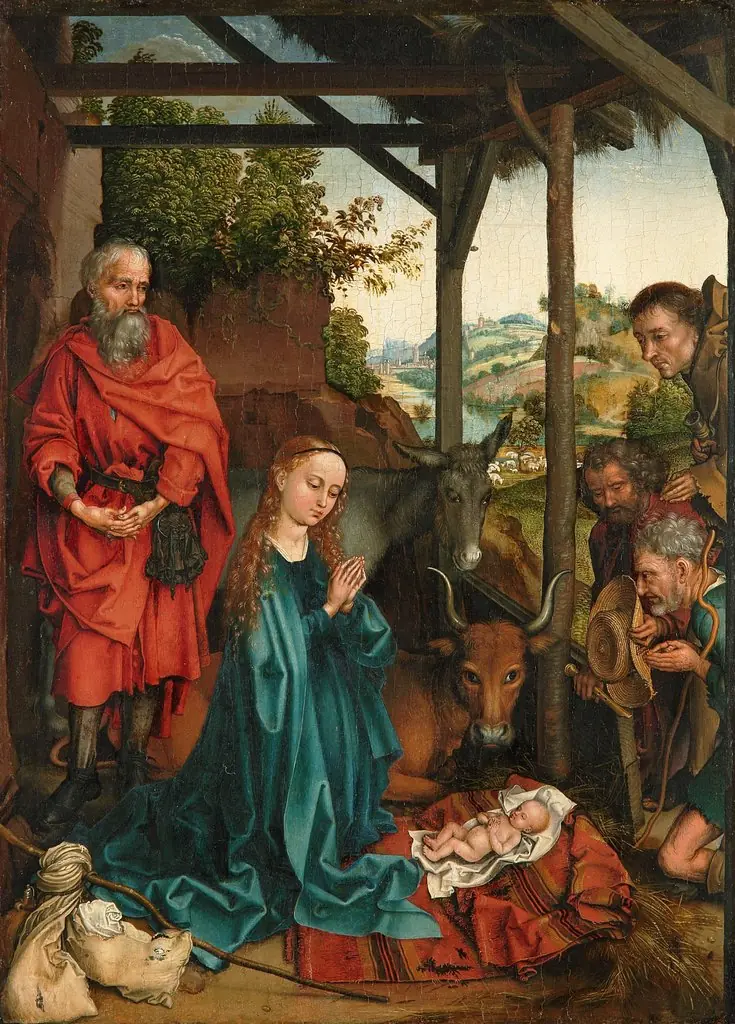
The engraving portrays the central figures of the Nativity: the Virgin Mary kneeling by the manger with the infant Christ, Saint Joseph holding a lantern, accompanied by a donkey, cow, and small figures of angels and shepherds observing from the sides.
Technique & Style
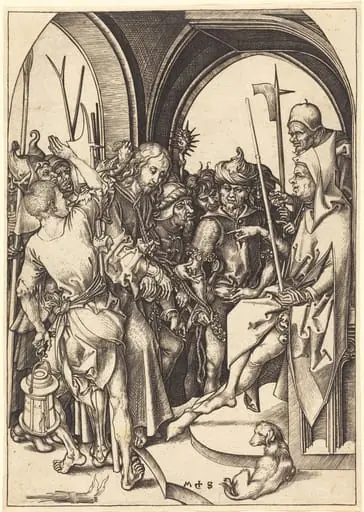
Schongauer employed fine lines to achieve depth, evident in the textured robes and stone walls. The lantern's light source introduces warmth, contrasting with the surrounding darkness.
History & Provenance
This work is one of 116 surviving engravings by Schongauer, all bearing his monogram. As an Alsatian artist active until 1491, he was pivotal in elevating engraving as a medium in Northern Europe.
Context
Schongauer's background in a family of goldsmiths likely influenced his engraving technique. His prominence marked a precursor to Albrecht Dürer's later contributions to the medium.
Legacy
The Nativity, along with Schongauer's other works, contributed significantly to the development of Northern European engraving, paving the way for subsequent generations of printmakers.
Artist & collection

Artist
Martin Schongauer, also known as Martin Schön or Hübsch Martin by his contemporaries, was an Alsatian engraver and painter.