Artwork
Madonna and Child Accompanied by Saints
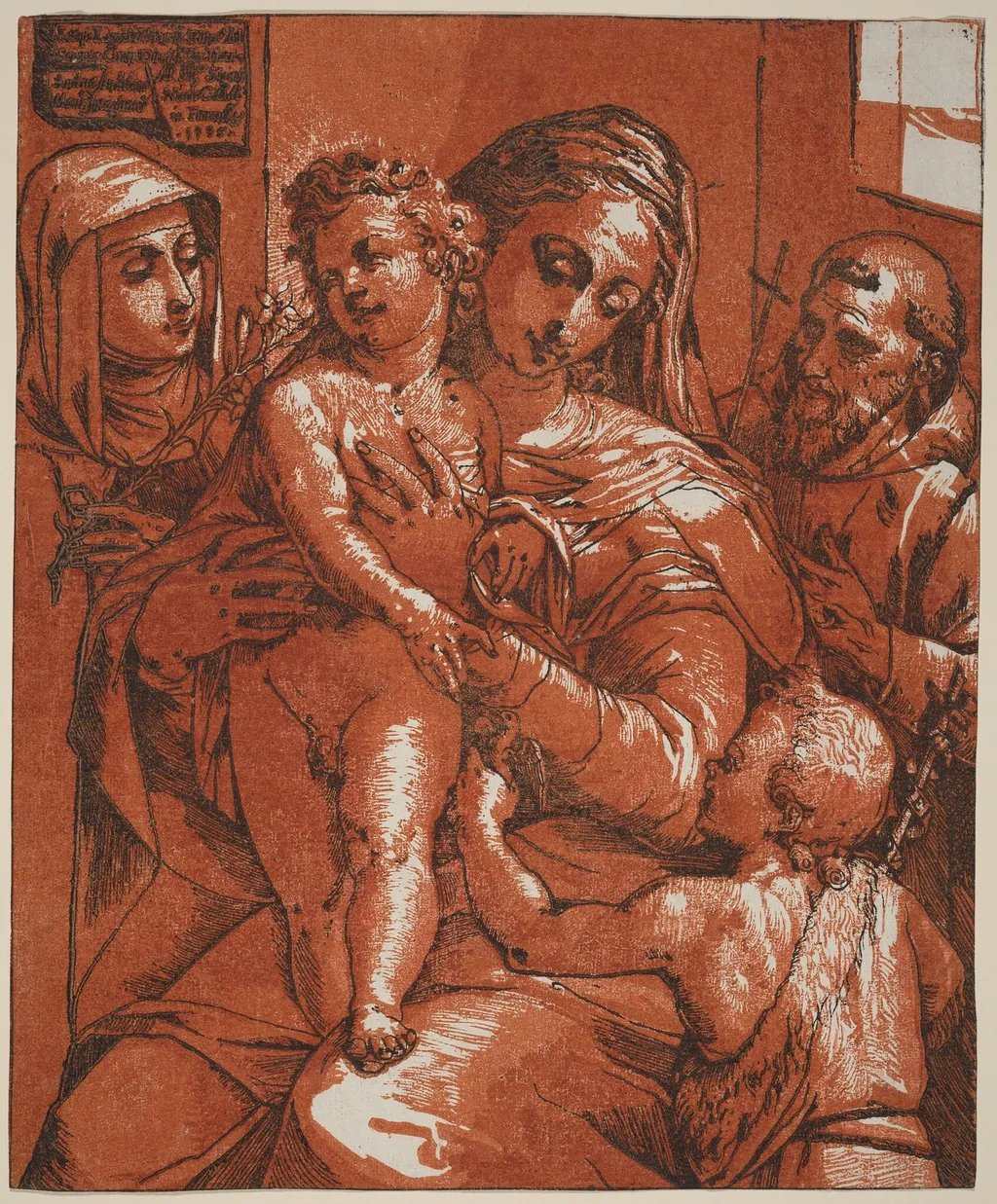
Madonna and Child Accompanied by Saints is an ink print by the Renaissance artist Andrea Andreani. It dates from 1585 and is held in the collection of the National Gallery of Art.
About this work
Overview
Unlike traditional line engravings, the technique mimics the tonal richness of painted compositions, using multiple woodblocks to layer gradations of ink.
This chiaroscuro woodcut, produced by Andrea Andreani in 1585, depicts the Virgin Mary with the infant Jesus surrounded by saints and attendants. Rendered in monochrome tones, the composition relies on contrasts of light and shadow to model form and depth. Unlike traditional line engravings, the technique mimics the tonal richness of painted compositions, using multiple woodblocks to layer gradations of ink.
Subject & Meaning
The central group features the Virgin Mary holding the Christ Child, flanked by two female figures—one leaning in with quiet reverence, the other partially obscured. A hooded figure extends a hand toward the child, suggesting devotion or intercession. The arrangement evokes a moment of sacred intimacy, emphasizing maternal care and spiritual presence rather than narrative action, typical of devotional imagery in late Renaissance Italy.
Technique & Style
Andreani employed a multi-block chiaroscuro method, cutting separate woodblocks for light, mid-tone, and shadow areas to build depth without color. The result is a print with soft transitions and sculptural volume, unusual for woodcut at the time. Fine lines suggest drapery and architectural elements, while the absence of detailed backgrounds focuses attention on the figures’ gestures and expressions.
History & Provenance
Created in the late 16th century in Italy, the print reflects the influence of Leonardo da Vinci and Raphael’s tonal studies, adapted for reproductive printmaking. Andreani, active in Mantua, specialized in translating painted compositions into woodcut. The work likely circulated among religious communities and collectors, serving both devotional and aesthetic purposes in a period when printed images were key to spreading visual culture.
Context
During the Counter-Reformation, the Catholic Church encouraged religious imagery to inspire piety. Chiaroscuro prints like this one offered accessible, emotionally resonant alternatives to paintings, especially in regions where original artworks were scarce. Andreani’s adaptation of high art into print aligned with broader efforts to make sacred themes visible and tangible to a wider audience.
Legacy
Andreani’s work helped establish chiaroscuro woodcut as a respected medium in printmaking, bridging painting and print traditions. Though overshadowed by later techniques, his prints influenced 17th-century artists experimenting with tone and texture. Surviving examples remain important for understanding how Renaissance visual language was disseminated through mechanical reproduction.
Own this work as a print
Artist & collection


![The Triumph of Julius Caesar [no.9 plus 2 columns], by Andrea Andreani](https://artifactworldgallery.com/img/andrea-andreani--the-triumph-of-julius-caesar-no-9-plus-2-columns--26f4d2249baf2916-w320.webp)
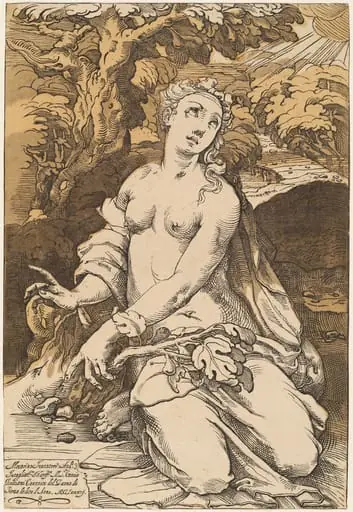
![The Triumph of Julius Caesar [no.3 and 4 plus 2 columns], by Andrea Andreani](https://artifactworldgallery.com/img/andrea-andreani--the-triumph-of-julius-caesar-no-3-and-4-plus-2-columns--58c944449efc96df-w320.webp)
![The Triumph of Julius Caesar [no.1 and 2 plus 2 columns], by Andrea Andreani](https://artifactworldgallery.com/img/andrea-andreani--the-triumph-of-julius-caesar-no-1-and-2-plus-2-columns--72fc49376c9f9633-w320.webp)
![The Triumph of Julius Caesar [no.7 and 8 plus 2 columns], by Andrea Andreani](https://artifactworldgallery.com/img/andrea-andreani--the-triumph-of-julius-caesar-no-7-and-8-plus-2-columns--75ccf1616a5609e2-w320.webp)
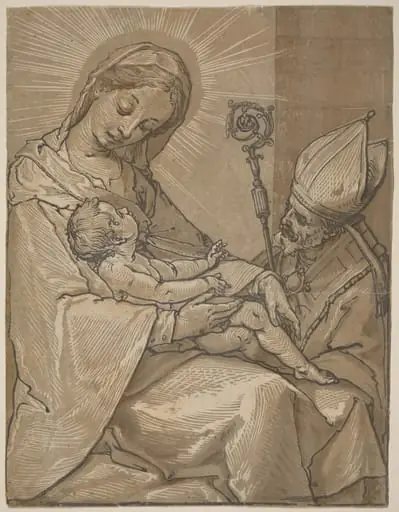 Madonna and Child with a Bishop
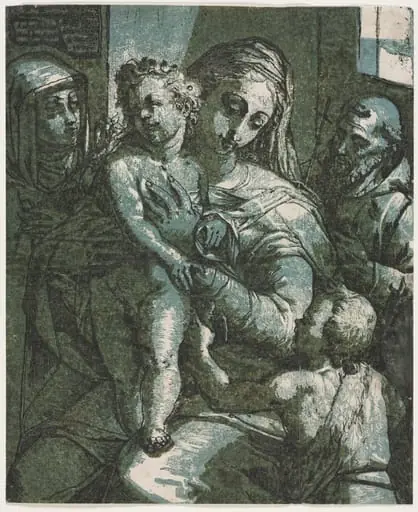 Virgin and Child with St. John, St. Catherine of Siena and Saint Francis
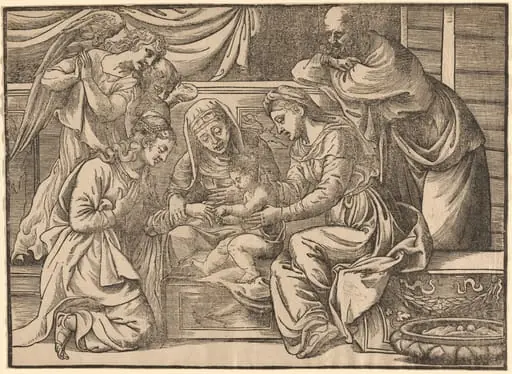 The Mystic Marriage of Saint Catherine
![The Holy Family with Saints [recto], by Hermann Weyer](https://artifactworldgallery.com/img/hermann-weyer--the-holy-family-with-saints-recto--4d51f9f823625a43-w320.webp) The Holy Family with Saints [recto]
The Holy Family with Saints [recto]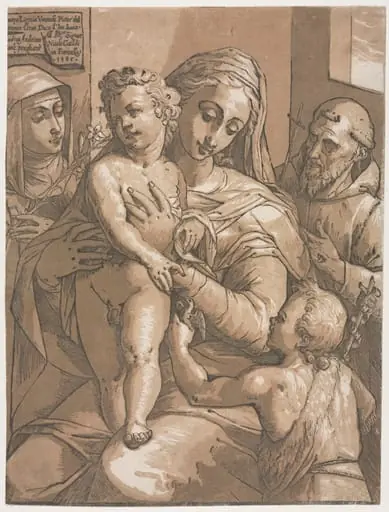 Virgin and Child with St. John, St. Catherine of Siena and St. Francis
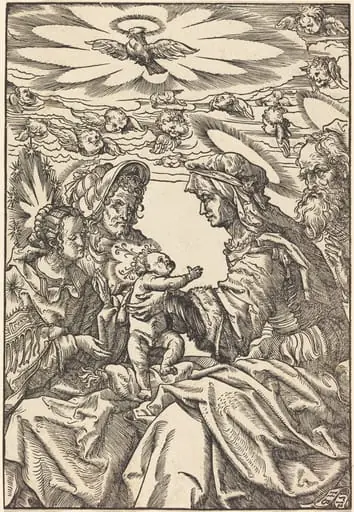 The Holy Family with Saint Anne and Saint Joachim
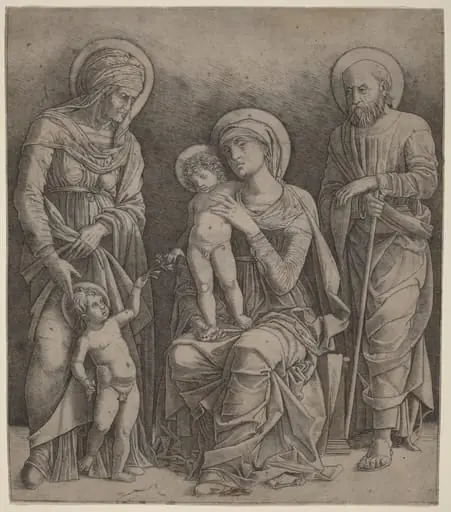 Holy Family with Saint Elizabeth and the Infant Saint John
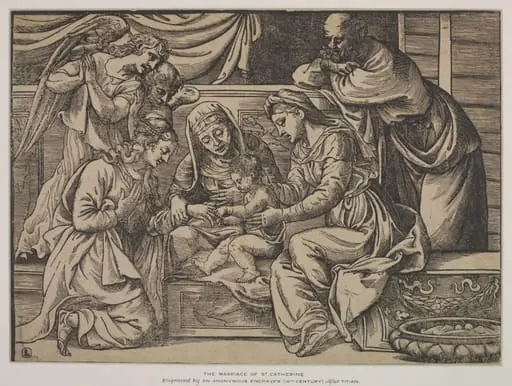 Marriage of St. Catherine
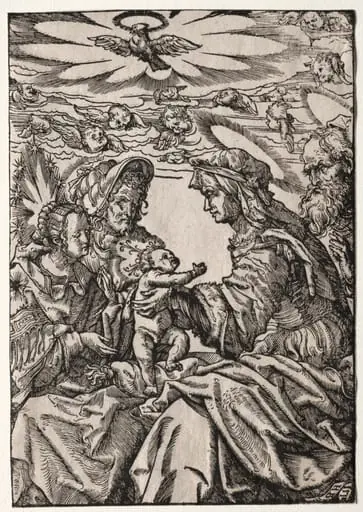 The Holy Family with St. Anne and Joachim
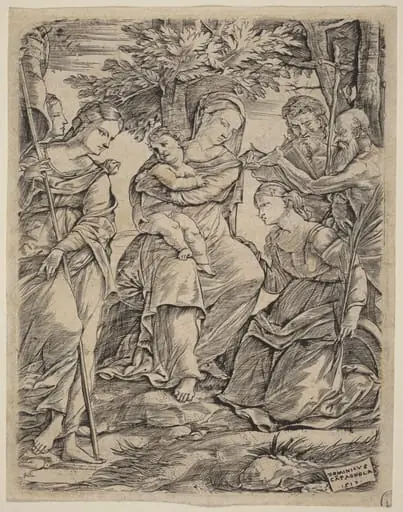 The Virgin and Child with Saints
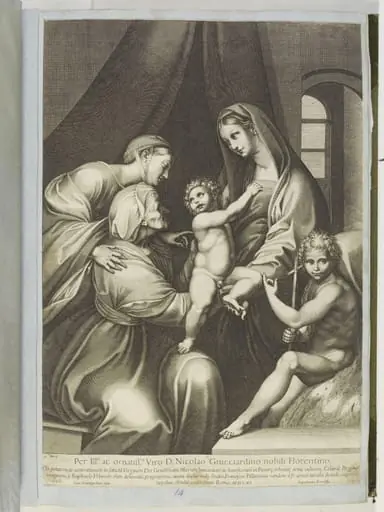 Untitled
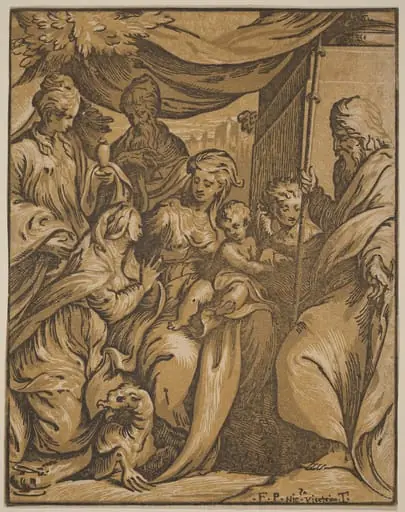 The Virgin and Child with Saints