Artwork
The Triumph of Julius Caesar [no.9 plus 2 columns]
![The Triumph of Julius Caesar [no.9 plus 2 columns], by Andrea Andreani, ink, 1599](https://artifactworldgallery.com/img/andrea-andreani--the-triumph-of-julius-caesar-no-9-plus-2-columns--26f4d2249baf2916-w1024.webp)
The Triumph of Julius Caesar [no.9 plus 2 columns] is an ink print by the Renaissance artist Andrea Andreani. It dates from 1599 and is held in the collection of the National Gallery of Art.
About this work
Overview
Created in 1599 by Andrea Andreani, this series of woodcuts depicts nine scenes from Julius Caesar’s triumphal procession, augmented by two vertical columns.
Created in 1599 by Andrea Andreani, this series of woodcuts depicts nine scenes from Julius Caesar’s triumphal procession, augmented by two vertical columns. Unlike painted works, each image was produced through carved wooden blocks, inked and pressed onto paper. The technique employs chiaroscuro—light and shadow carved into a single block—to model form with surprising depth, a rarity in printmaking of the period.
Subject & Meaning
The sequence follows Caesar’s procession through Rome, beginning with his chariot drawn by four horses and ending with offerings to the gods. Captives, spoils of war, and ceremonial objects line the route, reinforcing Roman imperial ideology. The inclusion of divine symbols and elaborate architecture frames Caesar’s victory as both political and sacred, aligning his triumph with cosmic order.
Technique & Style
Andreani used a single woodblock per scene, carving distinct tonal planes to simulate shading without multiple prints. This chiaroscuro method allowed subtle gradations of light, giving figures and drapery a sculptural presence. Facial expressions and architectural details are rendered with precision, suggesting observation of classical reliefs and contemporary Renaissance drawing practices.
History & Provenance
The prints were made in Mantua, where Andreani worked under the patronage of the Gonzaga court. They were likely produced as deluxe collectibles for humanist audiences, reflecting renewed interest in Roman antiquity. No original set is known to survive intact, but individual impressions appear in major European collections, indicating wide circulation among educated elites.
Context
Produced during a period of renewed classical revival in northern Italy, the series responds to archaeological discoveries and humanist scholarship on Roman ceremonies. While based on ancient sources like Plutarch, the imagery also reflects late 16th-century artistic conventions, blending historical reconstruction with Mannerist elegance and theatrical composition.
Legacy
Andreani’s prints represent one of the earliest sustained applications of chiaroscuro woodcut to narrative history. Though overshadowed by later printmakers, his technical innovation influenced the development of tonal printing in Europe. The series remains a key example of how Renaissance artists reimagined antiquity through the medium of print.
Artist & collection


![The Triumph of Julius Caesar [no.3 and 4 plus 2 columns], by Andrea Andreani](https://artifactworldgallery.com/img/andrea-andreani--the-triumph-of-julius-caesar-no-3-and-4-plus-2-columns--58c944449efc96df-w320.webp)
![The Triumph of Julius Caesar [no.1 and 2 plus 2 columns], by Andrea Andreani](https://artifactworldgallery.com/img/andrea-andreani--the-triumph-of-julius-caesar-no-1-and-2-plus-2-columns--72fc49376c9f9633-w320.webp)
![The Triumph of Julius Caesar [no.7 and 8 plus 2 columns], by Andrea Andreani](https://artifactworldgallery.com/img/andrea-andreani--the-triumph-of-julius-caesar-no-7-and-8-plus-2-columns--75ccf1616a5609e2-w320.webp)
![The Triumph of Julius Caesar [no.5 and 6 plus 2 columns], by Andrea Andreani](https://artifactworldgallery.com/img/andrea-andreani--the-triumph-of-julius-caesar-no-5-and-6-plus-2-columns--89574bdb08c8732e-w320.webp)
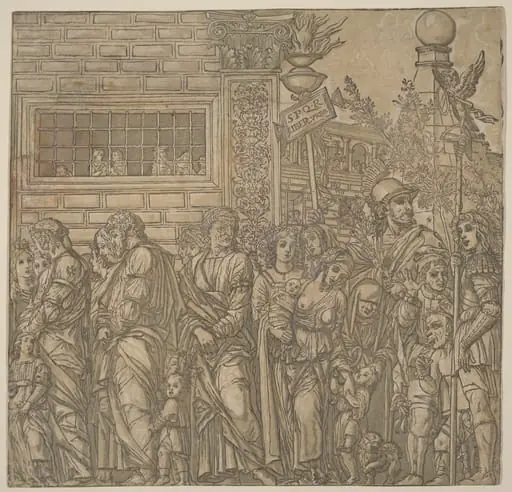 The Triumph of Julius Caesar
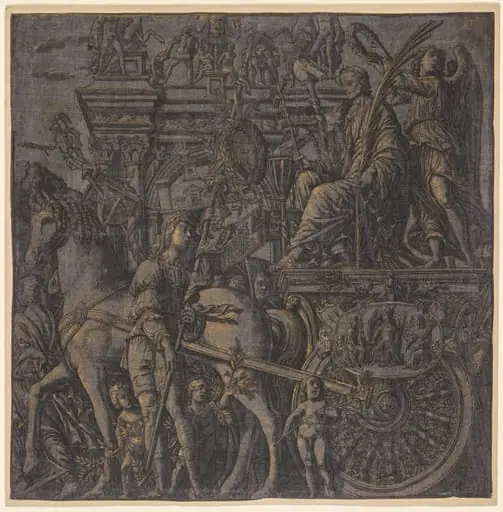 The Triumph of Julius Caesar: Caesar Triumphant
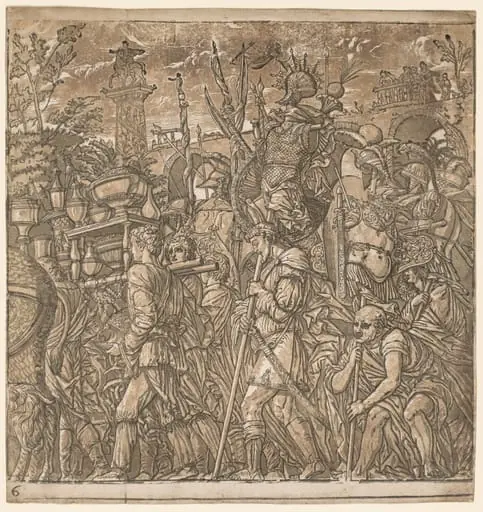 The Triumph of Julius Caesar: Soldiers Carrying Vases and Trophies of War
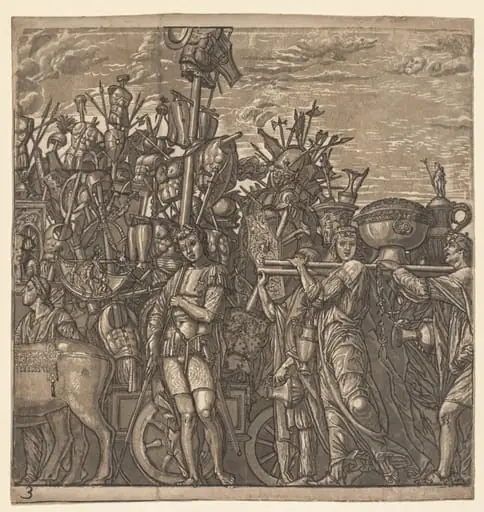 The Triumph of Julius Caesar: Soldiers Marching with Trophies of War
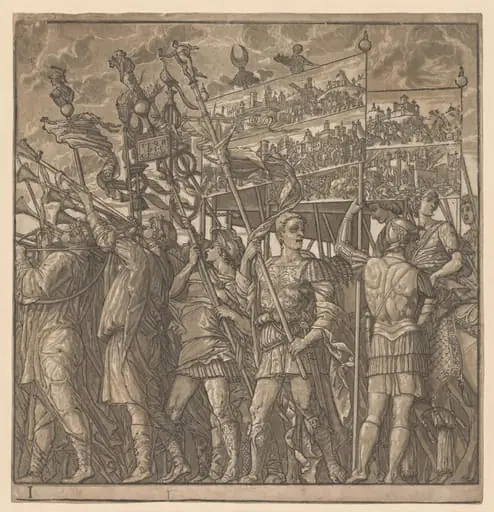 The Triumph of Julius Caesar: Soldiers Carrying the Pictures of War
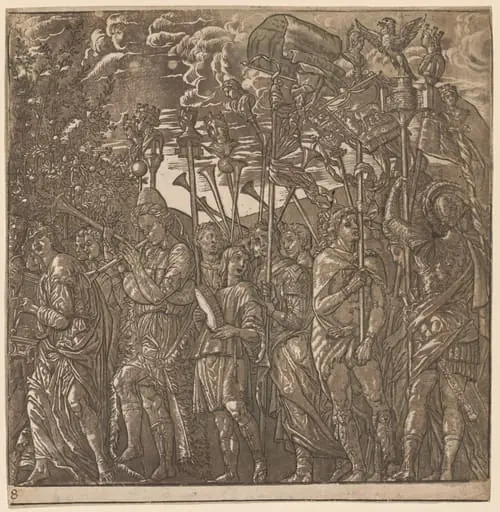 The Triumph of Julius Caesar: Soldiers Carrying Banners and Standards
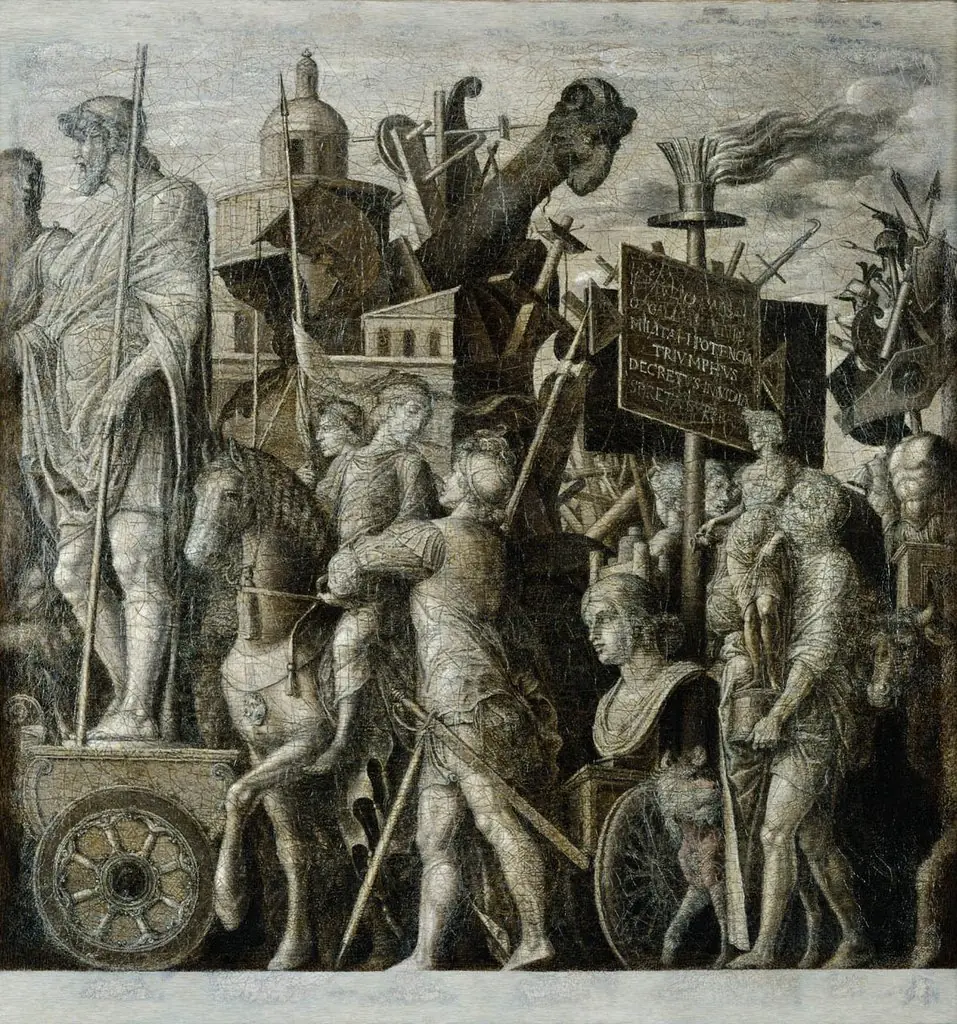 Triumphs of Caesar: Statues of Gods and Siege Equipment
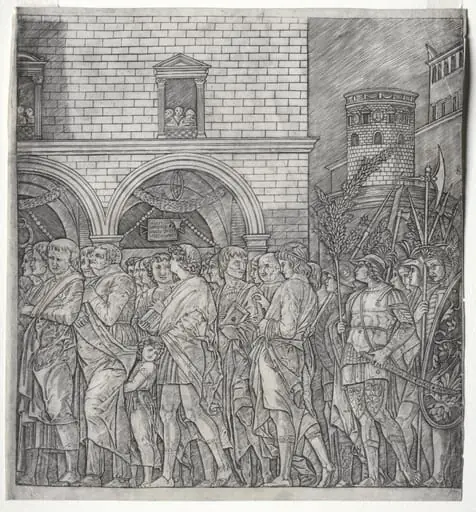 Triumph of Caesar: The Senators